Why Is My AC Running But Not Cooling the House?

If your air conditioner is running nonstop but your house still feels warm, you are dealing with one of the most frustrating problems a homeowner can face during a Minnesota summer. The fan hums along, the outdoor unit is clearly working, and the thermostat barely moves. When an AC keeps running but not cooling the house, the issue usually comes down to something blocking airflow, cutting into refrigerant levels, or confusing the thermostat. Here is what is likely going on, and what you can check before picking up the phone.

What It Means When Your AC Runs But Doesn’t Cool

A running AC that will not cool your home is not usually a sign that the whole unit has failed. In most cases, part of the cooling process is still working (the fan, the compressor) while another part is not doing its job (airflow, refrigerant, or the signal telling the unit what to do). Think of it like a car engine that runs fine but cannot get power to the wheels. Something along the way is getting blocked or lost, and finding that weak link is the key to getting your home cool again.

Common Reasons Your AC Isn’t Keeping Up

A handful of issues show up again and again in Twin Cities homes once the heat and humidity settle in for the summer.

A Dirty Air Filter Is Blocking Airflow

A clogged air filter is one of the simplest and most common culprits. When dust and debris build up, the AC cannot pull enough air across the indoor coil, which starves the whole home of cool air even while the unit runs at full speed. This also forces your AC to work harder than it should, which can raise your energy bills and shorten the life of the equipment.

The Outdoor Condenser Coils Are Dirty or Blocked

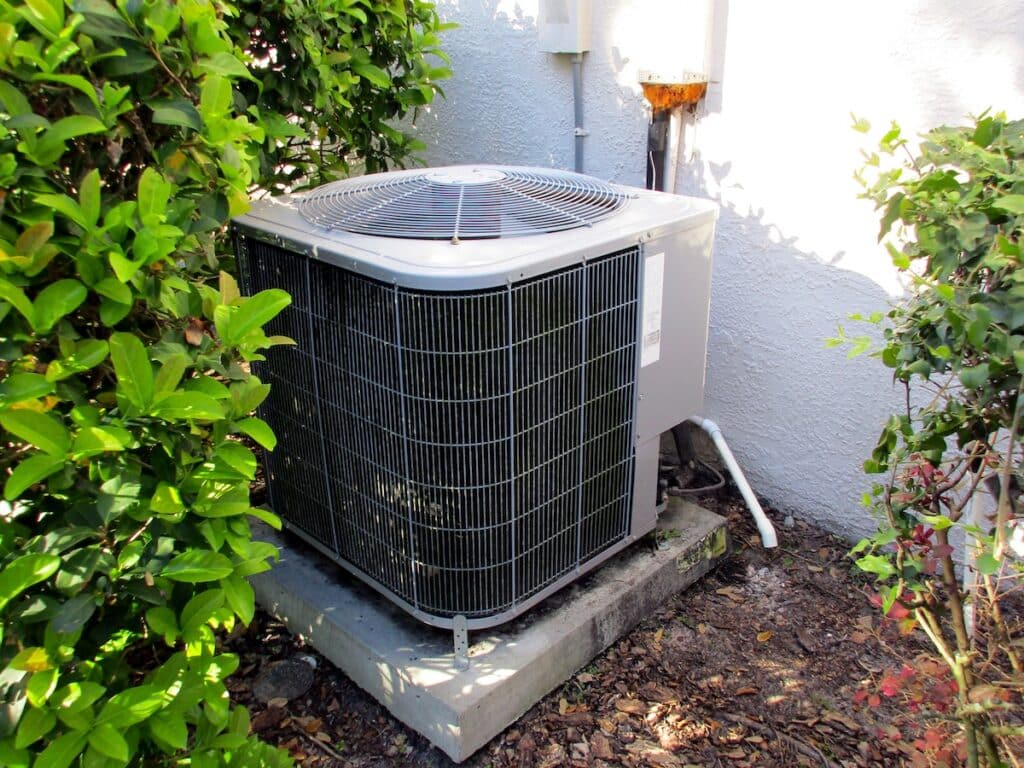
Your outdoor unit needs to release heat to the outside air, and it cannot do that if the coils are caked in dirt, grass clippings, or leaves. Homes with mature trees nearby tend to see this more often, since falling debris settles into the coils over the course of a season. A blocked condenser makes the whole system less efficient, even if every other part is working fine.

Your Thermostat Settings Might Be Off

Sometimes the AC itself is working perfectly and the thermostat is the real problem. A fan set to “on” instead of “auto,” a thermostat placed near a heat source, or a battery running low can all cause the system to run without actually cooling the house to the temperature you have set.

Low Refrigerant Is Reducing Cooling Power

Refrigerant carries heat out of your home, and a slow leak can quietly reduce how much cooling power your AC has left. You might notice ice forming on the indoor coil, a hissing sound near the unit, or air that feels only slightly cooler than room temperature. Refrigerant issues are not a simple do it yourself fix and typically call for a licensed technician.

Blocked or Leaky Ductwork Is Losing Cold Air

Older homes with original ductwork sometimes lose a surprising amount of cool air before it ever reaches your living space. Closed vents, crushed duct sections, or small gaps and leaks in the ductwork can all send cold air somewhere other than the rooms that need it.

What You Can Check Before Calling for Repair

A few quick checks can save you a service call, or at least help you describe the problem more clearly when you do call.

  1. Check your thermostat mode and fan setting: Confirm it is set to “cool” and the fan is on “auto” rather than “on.”
  2. Replace or clean the air filter: A fresh filter restores airflow immediately and costs very little.
  3. Clear debris around the outdoor unit: Remove leaves, grass, or anything blocking the coils, and trim back plants growing close to the unit.
  4. Make sure vents and doors are open: Closed vents in unused rooms can throw off airflow to the rest of the house.

If you have gone through these steps and your home still is not cooling down, the problem is likely something that needs a trained eye.

Frequently Asked Questions

Why is my house not cooling even though my AC is running?

This usually means the AC is working on some level, such as running the fan or compressor, but something is blocking airflow or reducing cooling power along the way. Dirty filters, blocked outdoor coils, and low refrigerant are the most common causes in Minnesota homes. A technician can pinpoint the exact cause with a quick inspection.

Why is my AC on but not dropping the temperature?

If the thermostat setting looks correct and the fan is running, the next things to check are the air filter and the outdoor condenser coils, since both can quietly choke off cooling power. If those look clear, low refrigerant or a ductwork issue is the more likely explanation. These deeper issues usually need a professional diagnosis.

Should I turn off my AC if it’s not cooling?

If you notice ice buildup, hissing sounds, or a breaker that keeps tripping, it is a good idea to turn the unit off and call for service rather than letting it keep running. Continuing to run a struggling AC can sometimes turn a minor issue into a more expensive repair. If it is simply running without any of those warning signs, it is generally fine to leave it on while you schedule a visit.

When It’s Time to Call a Professional

Ice on the indoor coil, hissing or bubbling sounds, warm air even after a fresh filter and clear thermostat settings, or a breaker that keeps tripping are all signs the issue goes beyond routine maintenance. Catching these problems early can help you get cool air back without waiting for a full breakdown in the middle of a heat wave. According to the U.S. Department of Energy, keeping airflow and refrigerant levels in good shape is one of the biggest factors in how efficiently a home cooling unit runs.

If your AC in the Twin Cities is running constantly but your house will not cool down, Thelen Plumbing, Heating & Air can help you find out why. Our technicians offer honest AC repair to track down the real cause instead of guessing, and our AC maintenance visits can catch small issues like dirty coils or low refrigerant before they turn into a bigger repair. Contact us to schedule a visit and get your home comfortable again.

How to Reduce Humidity in Your Home This Summer (Without Overworking Your AC)

Minnesota summers bring a specific kind of discomfort that thermostat settings alone cannot always fix. Your AC is running, the temperature reads exactly where you set it, and the house still feels sticky and heavy. That is humidity, not temperature, and cranking the thermostat down further usually just means a bigger electric bill without actually solving the problem. Understanding what is driving the moisture in your home makes it much easier to fix.

Why Minnesota Summers Feel So Sticky Indoors

Air conditioning does remove some moisture from the air as a byproduct of cooling, but it is not designed to be a dedicated dehumidifier. On especially humid days, your system may reach the temperature you set well before it has run long enough to pull much moisture out of the air, leaving the space cool but still damp-feeling. Homes with larger AC systems relative to their square footage run into this often, since the unit cools the air quickly and shuts off before humidity removal catches up.

Everyday household activity adds to the load too. Cooking, showering, and even breathing release moisture into the air, and in a well-sealed home that moisture has nowhere to go without help.

Signs Your Home Has Too Much Indoor Humidity

A few common signs point to excess indoor humidity rather than a simple temperature issue:

  • Condensation on windows or cold surfaces: Moisture beading up on glass, especially in the morning, is one of the clearest indicators of high indoor humidity.
  • Musty odors in bathrooms, basements, or closets: These smells usually mean moisture is lingering somewhere without enough airflow to dry it out.
  • A clammy or heavy feeling indoors: If the air feels thick even when the temperature reads comfortable, humidity is the more likely culprit.
  • Visible mold or mildew in damp areas: Bathroom grout, basement corners, and window sills are common early spots for growth when humidity stays elevated.

If several of these sound familiar, addressing the moisture directly will likely do more for your comfort than adjusting the thermostat further.

Ways to Reduce Humidity Without Overworking Your AC

Run Bathroom and Kitchen Exhaust Fans

These fans exist specifically to move moisture-heavy air outside before it spreads through the rest of the home. Running them during and for a while after showers or cooking makes a noticeable difference, and it is a habit that costs nothing to build.

Add a Whole-Home Dehumidifier

A whole-home dehumidifier works alongside your existing system to pull excess moisture out of the air independently, rather than relying on your AC’s cooling cycle to do it indirectly. This is often the most effective fix for homes that consistently feel humid despite a properly functioning AC, and it can be integrated into your existing ductwork.

Address Duct Leaks and Airflow Issues

Leaky ductwork can pull humid air in from attics, crawl spaces, or the outdoors and distribute it through the home, working against whatever dehumidification your system is providing. Sealing and balancing your ductwork helps your AC condition the air it is actually supposed to be moving.

Cut Down on Unnecessary Indoor Moisture

Drying laundry on indoor racks, running humidifiers unnecessarily, or leaving pots of water simmering longer than needed all add moisture that your system then has to work to remove. Small changes to these habits reduce the overall load on your home’s air.

FAQs 

Why does my house feel humid even though my AC is running?

Air conditioning cools the air as its primary job, and moisture removal happens as a secondary effect of that cooling process. On humid days, a system can reach the set temperature before it has run long enough to remove much moisture, leaving the space cool but still damp-feeling.

Will a whole-home dehumidifier increase my energy bill?

A whole-home dehumidifier does use some additional energy to run, but it often allows your AC to work less overall since the air feels comfortable at a slightly higher thermostat setting. Many homeowners find the two balance out or even see a net improvement in comfort per dollar spent.

What indoor humidity level should I be aiming for in summer?

Most homes are comfortable with indoor humidity between 30 and 50 percent during summer. Levels consistently above that range make a home feel stuffy and create favorable conditions for mold and dust mites, even when the temperature itself feels fine.

Schedule a Professional Indoor Air Quality Evaluation

If humidity remains a problem after addressing the basics, a professional evaluation can identify whether the issue is your system’s sizing, ductwork, ventilation, or something else entirely. Indoor air quality services cover this kind of assessment along with solutions tailored to what is actually causing the moisture buildup in your specific home.

Persistent indoor humidity is not something you have to just get used to every summer. According to the Centers for Disease Control and Prevention, keeping indoor humidity in a comfortable, controlled range also helps prevent the mold and mildew growth that thrives in damp conditions. Thelen Plumbing, Heating & Air helps Minnesota homeowners get ahead of humidity problems with solutions that work with your existing AC instead of forcing it to compensate. 

If your home has ductwork that could use an inspection, we can also help you explore ductless mini-split options for rooms that run consistently damp or uneven. Schedule an indoor air quality evaluation online and start breathing easier this summer.

Why Is My Electric Bill So High This Summer? 7 Ways to Lower Your AC Costs

Opening your electric bill in July and seeing a number that is noticeably higher than last month is one of the more predictable surprises of a Minnesota summer. Your air conditioner is doing exactly what it is supposed to do, but that does not make the bill any easier to swallow. The good news is that a higher summer bill is not just something you have to accept. A few adjustments to how your system runs, plus some attention to the equipment itself, can bring that number back down without leaving you sweating through August.

Why Your AC Is Driving Up Your Electric Bill

Central air conditioning is one of the biggest energy users in any home, and several factors compound during the hottest months. Outdoor temperature swings force your system to run longer cycles, a dirty filter restricts airflow, and an aging unit loses efficiency year over year, so a ten-year-old system can cost noticeably more to run than a newer one with the same cooling output.

Thermostat habits matter too. Setting the temperature several degrees lower than necessary, or leaving it that way while no one is home, adds up fast over a billing cycle. None of these factors alone explain a dramatic spike, but together they are usually why a summer bill climbs higher than expected.

7 Ways to Lower Your Cooling Costs This Summer

Bringing your bill back down does not require replacing your entire system. Most of these adjustments start paying off within the same billing cycle.

Set a Smart Thermostat Schedule

Program your thermostat to run a slightly higher setting while you are away and cool the home back down before you return, rather than adjusting it manually throughout the day. The U.S. Department of Energy notes that a consistent, moderate setback can meaningfully reduce cooling costs over a season without sacrificing comfort while you are home.

Change Your Air Filter Regularly

A clogged filter forces your system to work harder to push air through the home, and that extra strain shows up directly in your energy use. Check the filter monthly during peak cooling season and replace it as soon as it looks dirty.

Keep Vents and Registers Unblocked

Furniture, curtains, and rugs placed over supply vents restrict airflow, which makes your system run longer to reach the same temperature. Walking through your home to clear vents in every room costs nothing and helps immediately.

Seal Air Leaks Around the Home

Gaps around windows, doors, and where pipes or wiring enter the house let cool air escape and warm air in, forcing your AC to compensate constantly. Weatherstripping and caulk are inexpensive fixes that reduce the load on your system all season.

Use Fans to Supplement Your AC

Ceiling fans and box fans circulate cool air more evenly through a room, so you can often raise the thermostat a couple of degrees without noticing a difference in comfort, especially in rooms that tend to run warmer than the rest of the house.

Schedule Professional Maintenance

A system with dirty condenser coils, low refrigerant, or worn electrical components works harder to produce the same cooling, which drives up energy use even before anything technically fails. A seasonal AC maintenance visit catches these issues before they show up on your bill.

Consider a High-Efficiency Upgrade

If your system is older and bills keep climbing despite regular maintenance, the equipment itself may be the issue. Newer high-efficiency systems use meaningfully less energy for the same cooling output, and our financing options can spread the cost of an AC replacement over time.

FAQs

How much can regular AC maintenance actually save on my electric bill?

The savings vary by system and how overdue the maintenance was, but a poorly maintained AC can use significantly more energy than one that is properly serviced. Clean coils, correct refrigerant levels, and good airflow all directly affect how hard your system has to work, so a seasonal tune-up often pays for itself in lower energy use alone.

Is it better to leave my AC running all day or turn it off when I leave?

For most homes, a moderate setback while you are away and out of the house works better than turning the system off completely, since a fully warmed-up house takes longer and more energy to cool back down. A programmable or smart thermostat makes this easy to automate without any daily adjustments.

At what age should I start considering an AC replacement instead of more repairs?

Systems older than twelve to fifteen years often lose enough efficiency that a replacement pays for itself in energy savings over time, especially if you are also facing repair costs. We can walk you through the real numbers for your specific system during a free inspection.

When a High Bill Signals a Bigger Problem

Most bill increases in summer are simply the cost of running your AC harder in hot weather, but a sudden, dramatic spike can point to something more specific, like a refrigerant leak, a failing capacitor, or ductwork leaking conditioned air into your attic. If you have addressed the basics above and your bill is still climbing, it is worth having a technician take a look rather than assuming it will resolve on its own.

A high summer electric bill is frustrating, but it is rarely something you have to just live with. Thelen Plumbing, Heating & Air helps Minnesota homeowners get their cooling costs back under control, whether that means a routine tune-up or an honest conversation about whether your system is due for an upgrade. Schedule your AC service online and let our technicians help you figure out where your energy is going.

HVAC Air Conditioner Compressor and a Mini-split system together next to each other, next to a brick home.

Why Is My AC Leaking Water? 8 Common Reasons

Air conditioning units are designed to keep your home cool and comfortable, but when you notice water pooling around your AC system, it can be concerning. Why is my AC leaking water is one of the most common questions homeowners ask during the summer months. Understanding the root causes can help you address the issue quickly and prevent costly damage to your home.

Water leakage from your air conditioning system isn’t just an inconvenience—it can lead to serious problems like water damage, mold growth, and decreased system efficiency. If you’re experiencing AC water leaks, it’s important to contact a professional HVAC service provider to diagnose and resolve the issue properly.

This comprehensive guide will cover:

  • The importance of addressing AC water leaks immediately
  • Eight common reasons your AC might be leaking water
  • Prevention strategies to avoid future water damage
  • When to call a professional for AC repair services

🚨 Why AC Water Leaks Are Important to Address

why is my ac leaking water

AC water leaks should never be ignored, as they can signal underlying issues with your cooling system. Water damage from a leaking air conditioner can affect your home’s structure, flooring, and indoor air quality.

Here are the key reasons why addressing AC water leaks matters:

  • Prevents structural damage to your home’s foundation, walls, and flooring
  • Avoids mold and mildew growth that can impact your family’s health
  • Maintains energy efficiency by ensuring your system operates properly
  • Reduces repair costs by catching problems early before they worsen
  • Protects your investment in your HVAC system and home

🔧 8 Common Reasons Why Your AC Is Leaking Water

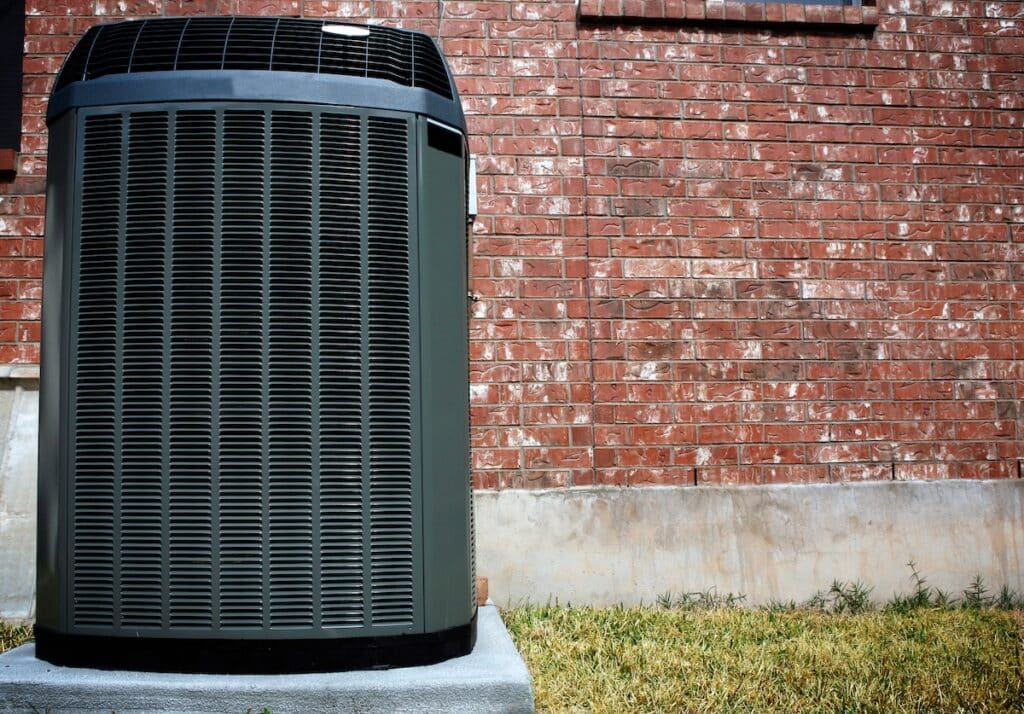
why is my ac leaking water High efficiency modern AC-heater unit, energy save solution in front of brick wall

Understanding the most frequent causes of AC water leaks can help you identify the problem and determine whether you need professional assistance. Here are the top reasons your air conditioning system might be leaking water.

1. Clogged Condensate Drain Line

The condensate drain line removes moisture that your AC system naturally produces during the cooling process. When this drain becomes clogged with dirt, debris, or algae, water backs up and overflows.

  • Check for visible blockages in the drain line exit point outside your home
  • Look for standing water around the indoor unit, which indicates a backup

2. Dirty or Clogged Air Filter

A dirty air filter restricts airflow over the evaporator coils, causing them to freeze. When the ice melts, excess water can overwhelm the drainage system and leak into your home.

  • Replace air filters every 1-3 months depending on usage and filter type
  • Check filters more frequently during peak cooling season

3. Damaged or Rusted Drain Pan

The drain pan collects condensation from your AC system. Over time, these pans can crack, rust, or become damaged, allowing water to leak onto your floor.

  • Inspect the drain pan for visible cracks or rust spots
  • Replace damaged drain pans promptly to prevent water damage

4. Low Refrigerant Levels

When your AC system is low on refrigerant, the evaporator coils can freeze. As the ice melts, it creates more water than the drainage system can handle, resulting in leaks.

  • Signs include reduced cooling performance and ice formation on coils
  • Refrigerant issues require professional diagnosis and repair

5. Improper Installation or Leveling

If your AC unit wasn’t installed level or properly positioned, water may not drain correctly from the system. This can cause condensation to pool and eventually leak.

  • Check that your outdoor unit sits level on its pad
  • Ensure indoor units are properly mounted and angled for drainage

6. Frozen Evaporator Coils

Several factors can cause evaporator coils to freeze, including restricted airflow, low refrigerant, or thermostat issues. Frozen coils create excess water when they thaw.

  • Turn off your AC immediately if you notice ice formation
  • Allow coils to thaw completely before restarting the system

7. Blocked or Damaged Condensate Pump

In some installations, a condensate pump helps move water away from the AC unit. If this pump fails or becomes blocked, water can back up and leak.

  • Listen for unusual noises from the pump area
  • Check that the pump is receiving power and operating correctly

8. Excessive Humidity Levels

During periods of high humidity, your AC system works harder to remove moisture from the air. This increased condensation can sometimes overwhelm the drainage system.

  • Use exhaust fans in bathrooms and kitchens to reduce indoor humidity
  • Consider a whole-home dehumidifier for consistent humidity control

🛡️ Prevention and Maintenance Strategies

why is my ac leaking water

Regular maintenance is the best way to prevent AC water leaks and ensure your system operates efficiently. Implementing these preventive measures can save you money and extend your system’s lifespan.

Regular Filter Changes

Change your air filters regularly to maintain proper airflow and prevent coil freezing. Set reminders on your phone or calendar to check filters monthly.

Annual Professional Maintenance

Schedule annual HVAC maintenance to catch potential problems early. Professional technicians can clean drain lines, inspect components, and ensure proper system operation.

Keep Drain Lines Clear

  • Pour a cup of white vinegar down the condensate drain monthly
  • Use a wet/dry vacuum to clear stubborn clogs
  • Install drain line covers to prevent debris entry

Monitor Your System

  • Check for unusual sounds, odors, or water around your AC unit
  • Observe cooling performance and energy bills for changes
  • Address minor issues before they become major problems

🏠 When to Call Thelen Plumbing, Heating, and Air

While some AC maintenance tasks can be handled by homeowners, many water leak issues require professional expertise. Contact Thelen Plumbing, Heating, and Air when you experience persistent water leaks, refrigerant problems, or complex system issues.

Our experienced technicians provide comprehensive AC repair and maintenance services throughout Minneapolis, MN, and the Twin Cities Metro area. We offer 24/7 emergency services to address urgent cooling problems and prevent water damage to your home.

Don’t let a leaking AC system compromise your comfort or damage your property. Contact Thelen Plumbing, Heating, and Air today for fast, reliable service you can trust.

Schedule Service

"*" indicates required fields

This field is for validation purposes and should be left unchanged.