Author: Kevin

Running Out of Hot Water Quickly? Here Are the 3 Most Common Culprits

Few things are more frustrating than stepping into what should be a hot shower and getting blasted with cold water instead. If your household is constantly running out of hot water before everyone has had a chance to get ready in the morning, your water heater is trying to tell you something. The problem is almost always one of three things, and the good news is that all of them are fixable.

Why Your Water Heater Recovery Time Matters

Before diving into the culprits, it helps to understand how a tank water heater works. Cold water enters the tank, gets heated by a burner or heating element, and is stored until you need it. When you use hot water faster than the tank can reheat it, you run out. That gap between demand and supply is called water heater recovery time, and when something is wrong with your unit, recovery slows to a crawl or stops altogether.

Culprit 1: Sediment Buildup in the Tank

This is the most common reason homeowners notice a sudden drop in hot water performance. Over time, minerals like calcium and magnesium naturally found in hard water settle at the bottom of your tank. That layer of sediment acts as a barrier between the burner and the water, forcing your water heater to work harder and longer to heat the same amount of water.

Signs of sediment buildup include popping or rumbling sounds coming from the tank, higher energy bills, and water that never seems to get quite hot enough. The fix is often a professional water heater flush, which clears out the buildup and restores efficiency.

Culprit 2: A Broken Dip Tube

The dip tube is a small but critical component inside your water heater. Its job is to direct incoming cold water to the bottom of the tank, where it gets heated before rising to the top for use. When the dip tube cracks or breaks, cold water gets released near the top of the tank instead, mixing directly with your hot water supply before it ever reaches your faucet.

The result is that your tank may be full and technically functioning, but the water coming out feels lukewarm at best. Replacing a dip tube is a relatively straightforward water heater repair, but it does require a professional who can properly diagnose the issue and source the right part for your unit.

Culprit 3: Your Water Heater Is Too Small for Your Household

Sometimes the unit itself is not broken at all. It is just undersized for the number of people relying on it. A tank that made sense for a two-person household may struggle to keep up with a family of five, especially during back-to-back morning showers, laundry cycles, and dishwasher runs all happening at once.

If your water heater is more than ten years old and consistently falling short, a replacement consultation is worth having. A properly sized unit, whether a traditional tank or a tankless system, can make a significant difference in daily comfort and long-term energy costs.

Stop Settling for Cold Showers

Your water heater should be working hard for your household, not holding it back. Whether you need a simple flush to clear out sediment, a repair to get things running properly again, or a full water heater replacement to meet your family’s needs, Thelen Plumbing, Heating & Air has you covered. Contact us today to schedule a service call and get your hot water back where it belongs.

How to Prevent Frozen Pipes (And What to Do If It Happens)

Winter in the Midwest is no stranger to extreme cold, and when temperatures plunge, your home’s plumbing is at risk. Frozen pipes are one of the most common and costly winter plumbing emergencies, but the good news is that most cases are entirely preventable. Here is what every homeowner needs to know to stay ahead of the cold.

Why Frozen Pipes Are a Serious Problem

Water expands as it freezes. When that happens inside a pipe, the pressure buildup can cause the pipe to crack or burst, leading to significant water damage, mold growth, and expensive pipe repair. Pipes in unheated spaces like crawl spaces, garages, attics, and exterior walls are especially vulnerable during a cold snap.

Winter Plumbing Tips: How to Prevent Frozen Pipes

Prevention is far less stressful and far less expensive than cleanup. Here are the most effective steps you can take before temperatures drop:

  • Insulate exposed pipes. Any pipe in an unheated or poorly insulated area is a candidate for freezing. Foam pipe insulation is inexpensive and easy to install, wrapping around pipes in crawl spaces, basements, and garages to keep them protected even when outside temperatures fall well below freezing.
  • Let faucets trickle. On especially cold nights, allow cold-water faucets connected to exterior walls to drip slowly. Moving water is much harder to freeze than standing water, and that small drip can be the difference between a functioning pipe and a burst one.
  • Keep interior temperatures consistent. It is tempting to lower the thermostat when you leave for work or head on vacation, but a dramatic temperature drop inside your home can put your pipes at risk. Keep the heat set to at least 55 degrees Fahrenheit, even when you are away.
  • Open cabinet doors under sinks. Especially for cabinets along exterior walls, leaving doors open allows warm air from your home to circulate around the pipes and help prevent freezing.
  • Seal gaps and drafts near pipes. Cold air can sneak in through gaps in walls, floors, and around utility penetrations. Use caulk or spray foam to seal any openings where pipes are nearby, particularly in crawl spaces and unfinished basements.
  • Disconnect and drain outdoor hoses. A connected garden hose can trap water in the spigot and cause it to freeze back into the supply line. Always disconnect hoses before the first hard freeze and consider installing insulated faucet covers on outdoor spigots.

Taking these winter plumbing tips seriously before a cold front hits can save you from a stressful and costly emergency. A little preparation now goes a long way toward keeping your pipes intact all season long.

What to Do If a Pipe Freezes

Even with the best preparation, freezing can happen. If you turn on a faucet and get little to no water flow, you likely have a frozen pipe somewhere in the line. Here is how to handle it safely:

First, keep the faucet open. As the pipe thaws, water and steam need a place to exit, and an open faucet reduces pressure buildup in the line. Apply gentle, steady heat to the frozen section. A hair dryer on a low setting or heat tape designed for plumbing are the safest options. Work from the faucet end toward the coldest section of pipe, and never leave heat tape unattended for extended periods.

Whatever you do, do not reach for a blowtorch or any open-flame device. A blowtorch is a serious fire hazard around insulation, wood framing, and other building materials. It can also cause rapid pressure changes that lead to a pipe bursting on the spot. The risk simply is not worth it.

If you cannot locate the frozen section, if thawing attempts are not working, or if you suspect the pipe has already cracked, stop and call a licensed plumber immediately. Continuing to run water or apply heat to a compromised pipe can turn a minor problem into a major flood.

Call Thelen Plumbing, Heating & Air at the First Sign of Trouble

Frozen pipes move fast from inconvenient to catastrophic. Whether you need help winterizing your plumbing, repairing a burst pipe, or making sure your heating system is working hard enough to protect your home this season, the team at Thelen Plumbing, Heating & Air is ready to help. Contact us today to schedule a service call and get ahead of winter before winter gets ahead of you.

Thermostat Fan Settings: Should I Set It to ‘Auto’ or ‘On’ in Winter?

It’s a small setting that most homeowners never think twice about, but your thermostat fan setting can have a real impact on your comfort and your energy bills all winter long. If you’ve ever noticed uneven temperatures between rooms, unexplained spikes in your electric bill, or air blowing from your vents that feels cooler than it should, your fan setting may be part of the story.

Here’s what you need to know about the “Auto” vs. “On” debate so you can make the right call for your home.

What Does the “Auto” Setting Do?

When your thermostat fan is set to “Auto,” the blower runs only during an active heating cycle. Once your furnace reaches the target temperature and shuts off, the fan stops too. This is the default setting for most homes, and for good reason.

Auto is the most energy-efficient choice for winter because the fan motor isn’t running continuously. Less runtime means lower electricity use, which matters especially during months when your heating system is already working hard. For most St. Michael homeowners looking to keep high energy bills in the winter under control, Auto is the smart default.

The one minor drawback is that air circulation stops between heating cycles, which can occasionally lead to slight temperature variation between floors or rooms.

What Does the “On” Setting Do?

The “On” setting keeps your blower fan running continuously, regardless of whether the furnace is actively heating. This has a couple of genuine benefits: constant air movement can reduce cold spots, and your air filter gets continuous use, which means more consistent filtration for dust, allergens, and airborne particles.

That said, running the fan nonstop comes with trade-offs. The most noticeable is higher electricity costs. Fan motors may not draw as much power as the furnace itself, but continuous operation adds up over a full winter. The other issue is comfort: when the furnace isn’t firing, the fan circulates unheated air through your ducts. In winter, that can mean air coming out of your vents that feels cool or even cold, which understandably makes some homeowners think something is wrong with their system.

What About the “Circulate” Setting?

If you have a modern thermostat, you may have a third option: “Circulate.” This setting runs the fan for a set portion of each hour even when the furnace isn’t heating, typically around 15 to 30 minutes per hour depending on your thermostat model. It’s a middle-ground option that improves air mixing and filtration without the full energy cost of running the fan continuously. If you’re dealing with uneven temperatures between rooms and want better circulation without committing to “On,” Circulate is worth exploring.

So Which Setting Should You Use?

For most St. Michael homeowners, “Auto” is the recommended thermostat fan setting in winter. It keeps your energy use in check, avoids the sensation of cool air blowing between heating cycles, and puts less wear on your blower motor over time. If air quality or cold spots are a concern, the “Circulate” setting on a compatible thermostat is a better upgrade than leaving the fan running all day.

If you’re noticing high energy bills in the winter, uneven heating, or anything unusual about how your system is running, it may be time for a professional look. The team at Thelen Plumbing, Heating & Air can evaluate your thermostat settings, check your system’s airflow, and make sure everything is dialed in for the season. Contact Thelen today to schedule an HVAC service call.

Why Is My Furnace Making a Banging or Whistling Noise?

Strange sounds coming from your furnace are never easy to ignore. Whether it’s a loud bang when the heat kicks on or a persistent whistle you can hear from across the room, your furnace is trying to tell you something. The good news is that not every noise is a sign of a serious problem. The not-so-good news? Some of them are, and waiting too long to find out which can lead to costly repairs or a complete system failure.

What Does a Banging Furnace Mean?

A furnace making a banging noise is one of the more alarming sounds homeowners report, and for good reason. There are two common causes:

Delayed Ignition 

When gas builds up in the combustion chamber before it ignites, the result is a small but sudden explosion when the burners finally light. That’s the bang you’re hearing. Delayed ignition can be caused by dirty burners, a weak ignitor, or a gas pressure issue. Beyond being startling, it puts real stress on your heat exchanger over time. A cracked heat exchanger is a serious safety concern because it can allow carbon monoxide to enter your living space.

Expanding and Contracting Ductwork 

If the banging or popping seems to follow the airflow rather than the burner ignition, your ductwork may be the culprit. Sheet metal ducts expand when warm air rushes through them and contract as they cool. Undersized ducts, closed vents, or a clogged filter can make this worse. While less urgent than delayed ignition, persistent duct noise can indicate an airflow restriction worth addressing.

What Does a Whistling Furnace Mean?

A furnace humming noise or whistling sound typically points to an airflow problem somewhere in the system. Common causes include:

  • A dirty or clogged air filter forcing air through a restricted opening
  • Gaps or leaks in your return air ducts pulling air from unintended spaces
  • Vents that are partially closed or blocked by furniture

Start with the simplest fix: check your air filter. If it’s gray and matted, replace it and see if the whistle stops. If it doesn’t, you may have a return air leak that a technician needs to locate and seal. Left unaddressed, restricted airflow makes your system work harder, drives up your energy bills, and shortens the life of your equipment.

Frequently Asked Questions About Furnace Noises

Why is my furnace making a banging noise when it starts up? 

A banging sound at startup usually points to delayed ignition. This happens when gas accumulates in the combustion chamber before the burners light, causing a small explosion when ignition finally occurs. It can also be caused by dirty burners, a failing ignitor, or a gas pressure issue. Either way, this is not a noise to ignore. Repeated delayed ignition puts stress on your heat exchanger, and a cracked heat exchanger can allow carbon monoxide to leak into your home.

What causes a furnace to make a whistling or humming noise? 

Whistling and humming sounds are almost always related to airflow restriction. The most common cause is a dirty air filter that is forcing air through a narrowed opening. Other causes include return air duct leaks, blocked or partially closed vents, and gaps in ductwork that pull air from unintended spaces. Start by replacing your air filter. If the noise continues, a technician should inspect your duct system for leaks or blockages.

Can I keep running my furnace if it is making a strange noise? 

It depends on the noise. A popping or ticking sound tied to duct expansion is generally low risk, though worth mentioning at your next maintenance visit. A banging noise at startup is a more urgent concern and should be evaluated by a professional before you continue running the system. Any noise that is new, consistent, or getting worse is a signal that something has changed inside your system and deserves attention.

How do I know if my furnace heat exchanger is cracked? 

A cracked heat exchanger does not always produce obvious signs, which is what makes it dangerous. Some indicators include a persistent banging noise at ignition, a smell similar to formaldehyde or exhaust near your vents, unexplained headaches or dizziness in the home, or your furnace cycling off before reaching the set temperature. A qualified HVAC technician can perform a visual inspection and combustion analysis to check for cracks and carbon monoxide leakage.

How often should I have my furnace inspected? 

Most HVAC professionals recommend a furnace inspection once a year, ideally in the fall before the heating season begins. Annual maintenance catches small issues like dirty burners, weak ignitors, and early-stage heat exchanger wear before they turn into emergency repairs or safety hazards.

When Should You Call for Furnace Repair?

Some furnace noises really are just the house settling or normal thermal expansion. But banging that happens consistently at startup, whistling that doesn’t stop after a filter change, or any new sound that has appeared suddenly are all reasons to schedule a professional inspection. Ignoring a furnace making a banging noise in particular is a risk not worth taking during the heating season.

If your furnace is giving you reason to worry, the team at Thelen Plumbing, Heating & Air is here to help. Our HVAC technicians can diagnose the source of the noise, check your heat exchanger, and make sure your system is operating safely and efficiently. Don’t wait for a small issue to turn into a no-heat emergency. Contact Thelen today to schedule your furnace repair.

Why Is My AC Leaking Water? 8 Common Reasons

Air conditioning units are designed to keep your home cool and comfortable, but when you notice water pooling around your AC system, it can be concerning. Why is my AC leaking water is one of the most common questions homeowners ask during the summer months. Understanding the root causes can help you address the issue quickly and prevent costly damage to your home.

Water leakage from your air conditioning system isn’t just an inconvenience—it can lead to serious problems like water damage, mold growth, and decreased system efficiency. If you’re experiencing AC water leaks, it’s important to contact a professional HVAC service provider to diagnose and resolve the issue properly.

This comprehensive guide will cover:

  • The importance of addressing AC water leaks immediately
  • Eight common reasons your AC might be leaking water
  • Prevention strategies to avoid future water damage
  • When to call a professional for AC repair services

🚨 Why AC Water Leaks Are Important to Address

why is my ac leaking water

AC water leaks should never be ignored, as they can signal underlying issues with your cooling system. Water damage from a leaking air conditioner can affect your home’s structure, flooring, and indoor air quality.

Here are the key reasons why addressing AC water leaks matters:

  • Prevents structural damage to your home’s foundation, walls, and flooring
  • Avoids mold and mildew growth that can impact your family’s health
  • Maintains energy efficiency by ensuring your system operates properly
  • Reduces repair costs by catching problems early before they worsen
  • Protects your investment in your HVAC system and home

🔧 8 Common Reasons Why Your AC Is Leaking Water

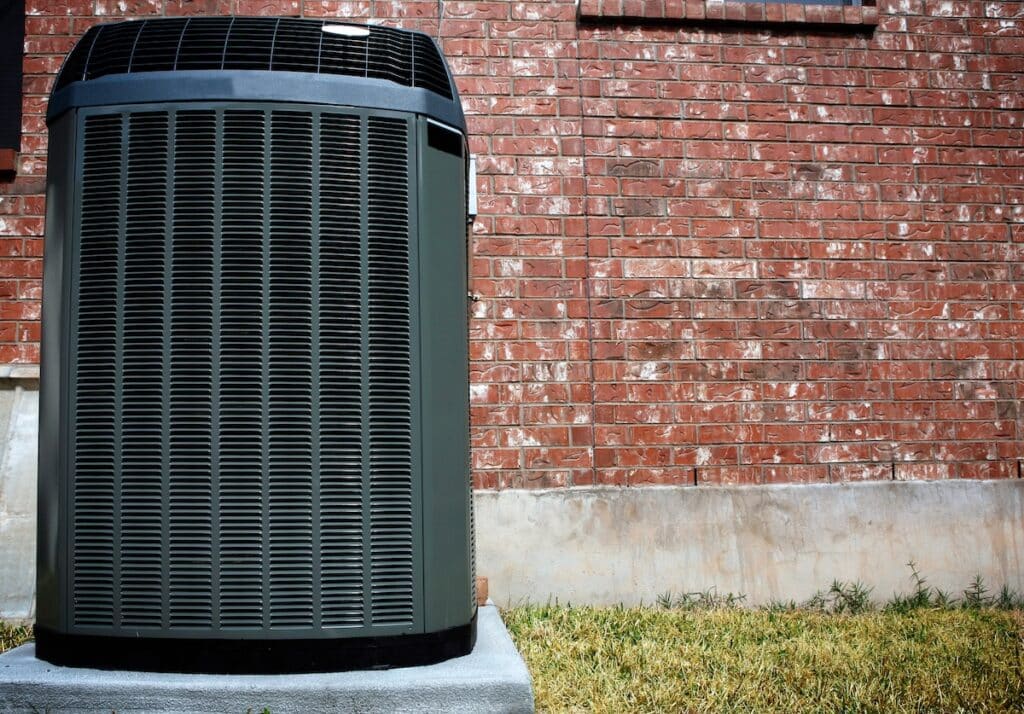
why is my ac leaking water High efficiency modern AC-heater unit, energy save solution in front of brick wall

Understanding the most frequent causes of AC water leaks can help you identify the problem and determine whether you need professional assistance. Here are the top reasons your air conditioning system might be leaking water.

1. Clogged Condensate Drain Line

The condensate drain line removes moisture that your AC system naturally produces during the cooling process. When this drain becomes clogged with dirt, debris, or algae, water backs up and overflows.

  • Check for visible blockages in the drain line exit point outside your home
  • Look for standing water around the indoor unit, which indicates a backup

2. Dirty or Clogged Air Filter

A dirty air filter restricts airflow over the evaporator coils, causing them to freeze. When the ice melts, excess water can overwhelm the drainage system and leak into your home.

  • Replace air filters every 1-3 months depending on usage and filter type
  • Check filters more frequently during peak cooling season

3. Damaged or Rusted Drain Pan

The drain pan collects condensation from your AC system. Over time, these pans can crack, rust, or become damaged, allowing water to leak onto your floor.

  • Inspect the drain pan for visible cracks or rust spots
  • Replace damaged drain pans promptly to prevent water damage

4. Low Refrigerant Levels

When your AC system is low on refrigerant, the evaporator coils can freeze. As the ice melts, it creates more water than the drainage system can handle, resulting in leaks.

  • Signs include reduced cooling performance and ice formation on coils
  • Refrigerant issues require professional diagnosis and repair

5. Improper Installation or Leveling

If your AC unit wasn’t installed level or properly positioned, water may not drain correctly from the system. This can cause condensation to pool and eventually leak.

  • Check that your outdoor unit sits level on its pad
  • Ensure indoor units are properly mounted and angled for drainage

6. Frozen Evaporator Coils

Several factors can cause evaporator coils to freeze, including restricted airflow, low refrigerant, or thermostat issues. Frozen coils create excess water when they thaw.

  • Turn off your AC immediately if you notice ice formation
  • Allow coils to thaw completely before restarting the system

7. Blocked or Damaged Condensate Pump

In some installations, a condensate pump helps move water away from the AC unit. If this pump fails or becomes blocked, water can back up and leak.

  • Listen for unusual noises from the pump area
  • Check that the pump is receiving power and operating correctly

8. Excessive Humidity Levels

During periods of high humidity, your AC system works harder to remove moisture from the air. This increased condensation can sometimes overwhelm the drainage system.

  • Use exhaust fans in bathrooms and kitchens to reduce indoor humidity
  • Consider a whole-home dehumidifier for consistent humidity control

🛡️ Prevention and Maintenance Strategies

why is my ac leaking water

Regular maintenance is the best way to prevent AC water leaks and ensure your system operates efficiently. Implementing these preventive measures can save you money and extend your system’s lifespan.

Regular Filter Changes

Change your air filters regularly to maintain proper airflow and prevent coil freezing. Set reminders on your phone or calendar to check filters monthly.

Annual Professional Maintenance

Schedule annual HVAC maintenance to catch potential problems early. Professional technicians can clean drain lines, inspect components, and ensure proper system operation.

Keep Drain Lines Clear

  • Pour a cup of white vinegar down the condensate drain monthly
  • Use a wet/dry vacuum to clear stubborn clogs
  • Install drain line covers to prevent debris entry

Monitor Your System

  • Check for unusual sounds, odors, or water around your AC unit
  • Observe cooling performance and energy bills for changes
  • Address minor issues before they become major problems

🏠 When to Call Thelen Plumbing, Heating, and Air

While some AC maintenance tasks can be handled by homeowners, many water leak issues require professional expertise. Contact Thelen Plumbing, Heating, and Air when you experience persistent water leaks, refrigerant problems, or complex system issues.

Our experienced technicians provide comprehensive AC repair and maintenance services throughout Minneapolis, MN, and the Twin Cities Metro area. We offer 24/7 emergency services to address urgent cooling problems and prevent water damage to your home.

Don’t let a leaking AC system compromise your comfort or damage your property. Contact Thelen Plumbing, Heating, and Air today for fast, reliable service you can trust.

What Are The Recommended Thermostat Settings For Summer?

Summer heat can turn your home into an uncomfortable furnace, but finding the perfect balance between comfort and energy costs doesn’t have to be a mystery. With electricity bills soaring during peak summer months, knowing the recommended thermostat settings for summer becomes crucial for both your comfort and your wallet.

Many homeowners struggle with this balancing act—set the temperature too low and watch your energy bills skyrocket, or set it too high and suffer through sweltering indoor conditions. The good news is that with proper thermostat management and professional HVAC services, you can maintain optimal comfort while keeping energy costs under control.

This comprehensive guide will cover:

  • Why proper summer thermostat settings matter for your comfort and budget
  • The exact temperature recommendations for different times and situations
  • Smart strategies to maximize energy efficiency without sacrificing comfort
  • Additional cooling tips to enhance your system’s performance

🌡️ Why Proper Summer Thermostat Settings Are Important

recommended thermostat settings for summer

Understanding the impact of your thermostat settings goes beyond simple comfort preferences. The right temperature settings directly affect your energy consumption, utility bills, and overall home environment.

Your HVAC system works harder when there’s a larger temperature difference between indoor and outdoor conditions. For every degree you lower your thermostat, you can expect your energy consumption to increase by approximately 6-8%. This means that small adjustments can lead to significant savings over time.

Key benefits of optimal thermostat settings include:

  • Lower Energy Bills: Proper settings can reduce cooling costs by 10-23% annually
  • Extended Equipment Life: Less strain on your HVAC system means fewer repairs and longer lifespan
  • Consistent Comfort: Balanced temperatures prevent hot and cold spots throughout your home
  • Environmental Impact: Reduced energy consumption means a smaller carbon footprint
  • Improved Indoor Air Quality: Optimal settings help maintain proper humidity levels

🔎 5 Essential Summer Thermostat Temperature Guidelines

recommended thermostat settings for summer The air conditioning and heating control panel for the apartment and office is located on a white wall

Setting your thermostat correctly requires understanding different scenarios and times of day. These evidence-based recommendations will help you find the perfect balance between comfort and efficiency.

1. Daytime When You’re Home: 78°F

The Department of Energy recommends setting your thermostat to 78°F when you’re home during the day. This temperature provides comfortable conditions for most people while maintaining reasonable energy efficiency.

  • This setting works well for typical daily activities like reading, watching TV, or light housework
  • You may need to adjust slightly based on your home’s humidity levels and personal preferences

2. Nighttime Sleeping Temperature: 78-80°F

Many people assume they need cooler temperatures for sleeping, but slightly warmer settings can actually promote better sleep while saving energy. Your body temperature naturally drops during sleep, making you feel cooler even at higher ambient temperatures.

  • Use lightweight bedding and sleepwear to stay comfortable at these temperatures
  • Consider a ceiling fan to create air circulation that makes the room feel 4-6 degrees cooler

3. When You’re Away: 85-88°F

Raising the temperature when nobody’s home is one of the most effective ways to reduce energy costs. Your HVAC system will consume significantly less energy maintaining these higher temperatures.

  • Set the temperature 7-10 degrees higher than your normal setting when away for 8+ hours
  • Avoid turning the system completely off, as this can lead to humidity problems and make it harder to cool down when you return

4. Vacation Settings: 85°F

For extended absences, maintain a temperature that prevents humidity issues and protects your home’s contents without wasting energy on unnecessary cooling.

  • This setting prevents moisture problems that could lead to mold or mildew
  • Protects wood furniture, musical instruments, and other temperature-sensitive items

5. High Humidity Days: 76-77°F

On particularly humid days, you may need to lower your thermostat slightly to maintain comfort. High humidity makes the air feel warmer than the actual temperature, so your system needs to work harder to achieve the same comfort level.

  • Monitor your home’s humidity levels and adjust accordingly
  • Consider using a dehumidifier in conjunction with your HVAC system for optimal comfort

⚙️ Smart Strategies to Maximize Cooling Efficiency

Person adjusting a wall thermostat with dollar sign symbol on the display

Beyond basic thermostat settings, several additional strategies can help you maintain comfort while minimizing energy consumption. These approaches work together with proper temperature settings to create an efficient cooling system.

Programmable and Smart Thermostat Benefits

Modern thermostats offer features that automatically adjust temperatures based on your schedule and preferences. These devices can learn your patterns and make adjustments that save energy without sacrificing comfort.

Programmable Thermostat Advantages:

  • Automatic Scheduling: Set different temperatures for different times automatically
  • Vacation Mode: Extended away settings for longer absences
  • Energy Reports: Track your usage patterns and identify opportunities for savings

Smart Thermostat Features:

  • Remote Control: Adjust settings from anywhere using your smartphone
  • Learning Capability: Some models learn your preferences and adjust automatically
  • Weather Integration: Adjusts based on outdoor conditions and forecasts
  • Energy Usage Tracking: Detailed reports help you optimize your settings

Fan Usage and Air Circulation

Ceiling fans and portable fans can make your home feel significantly cooler without lowering the thermostat. The air movement creates a wind chill effect that can make you feel 4-6 degrees cooler than the actual temperature.

  • Run ceiling fans counterclockwise during summer to push air downward
  • Use fans only when rooms are occupied—fans cool people, not spaces
  • Combine fan use with slightly higher thermostat settings for maximum efficiency

Window Treatments and Insulation

Preventing heat gain through windows and improving your home’s insulation can reduce the load on your cooling system significantly.

Effective Window Strategies:

  • Close blinds and curtains during peak sun hours (10 AM – 4 PM)
  • Install reflective window film to reduce heat gain by up to 80%
  • Use thermal curtains in rooms that receive direct sunlight

Insulation Improvements:

  • Seal air leaks around windows, doors, and ductwork
  • Add attic insulation to prevent heat transfer from the roof
  • Insulate ductwork in unconditioned spaces like basements and crawl spaces

💡 Take Control of Your Summer Comfort Today

Proper thermostat management is just one component of an efficient home cooling system. While these guidelines will help you find the optimal balance between comfort and energy savings, the best results come from having a well-maintained, properly functioning HVAC system.

Regular maintenance, proper insulation, and strategic use of fans and window treatments all work together to create a comfortable, efficient home environment. Remember that every home is different, and factors like insulation, window placement, and local climate conditions can affect your ideal settings.

Ready to optimize your home’s cooling system for maximum comfort and efficiency? Contact Thelen Plumbing, Heating, and Air today to schedule a comprehensive HVAC inspection. Our experienced technicians can help you identify opportunities for improved efficiency and ensure your system is ready to handle the summer heat while keeping your energy bills under control.

Thermostat Replacement: 6 Steps To Install A New One

Is your old thermostat failing to keep your home comfortable? Thermostat replacement might be the solution you need to restore optimal temperature control and potentially save on energy costs. Whether your current unit is outdated, malfunctioning, or simply incompatible with your upgraded HVAC system, installing a new thermostat can significantly improve your home’s comfort and efficiency.

Modern thermostats offer advanced features like programmable schedules, Wi-Fi connectivity, and smart learning capabilities that adapt to your lifestyle. Before diving into this project, it’s helpful to understand the basics of HVAC services and how they connect to your overall home comfort system.

This comprehensive guide will walk you through everything you need to know about thermostat replacement, covering:

  • Why replacing your thermostat is important for home comfort
  • Step-by-step installation instructions for your new thermostat
  • Essential safety considerations and troubleshooting tips
  • When to call professional HVAC technicians for assistance

🔥 Why Thermostat Replacement Is Important

thermostat replacement The air conditioning and heating control panel for the apartment and office is located on a white wall.

A functioning thermostat serves as the command center for your home’s heating and cooling system. When this crucial component fails or becomes outdated, it can impact your entire HVAC system’s performance and your family’s comfort.

Older thermostats often lack the precision and features needed for optimal energy efficiency. Many homeowners discover that upgrading their thermostat can lead to noticeable improvements in both comfort and utility bills.

Key benefits of replacing your thermostat include:

  • Enhanced energy efficiency — Modern programmable thermostats can reduce heating and cooling costs by up to 15%
  • Improved temperature accuracy — Digital thermostats provide more precise temperature readings than older mechanical models
  • Smart scheduling capabilities — Program different temperatures for various times of day to match your routine
  • Remote control features — WiFi-enabled thermostats allow temperature adjustments from anywhere
  • Better system diagnostics — Advanced models can alert you to potential HVAC issues before they become major problems

🔧 6 Steps To Install A New Thermostat

Installation of a floor temperature controller in the house

Replacing a thermostat is a manageable DIY project for many homeowners, though it requires careful attention to electrical safety and proper wire connections. These detailed steps will guide you through the installation process safely and effectively.

Always remember that working with electrical components carries inherent risks. If you’re uncomfortable with any step or encounter unexpected wiring configurations, don’t hesitate to contact professional technicians for assistance.

1. Turn Off Power and Remove Old Thermostat

Safety should be your top priority when beginning any electrical work in your home. Start by locating your home’s electrical panel and switching off the breaker that controls your HVAC system.

  • Test that power is off by trying to adjust the temperature on your current thermostat
  • Take a clear photo of your existing wiring configuration before disconnecting anything

2. Label and Disconnect Wires

Proper wire identification prevents confusion and potential damage during installation. Most residential thermostats use standard color-coded wires, but configurations can vary between systems.

  • Use masking tape or wire labels to mark each wire with its corresponding terminal letter (R, W, Y, G, C)
  • Gently pull wires straight out from terminals—avoid twisting or yanking motions

3. Install New Mounting Plate

The mounting plate serves as the foundation for your new thermostat and must be positioned correctly for proper operation. Choose a location away from direct sunlight, drafts, and heat sources that could affect temperature readings.

  • Use a level to ensure the mounting plate sits perfectly straight
  • Mark screw holes with a pencil before drilling to ensure accurate placement

4. Connect Wires to New Thermostat

Wire connections must be secure and correctly matched to their corresponding terminals. Loose connections can cause system malfunctions or prevent your thermostat from controlling your HVAC equipment properly.

  • Match each labeled wire to its corresponding terminal on the new thermostat
  • Ensure wire connections are tight and fully inserted into terminals

5. Attach Thermostat to Mounting Plate

Once all electrical connections are complete, carefully position the thermostat onto its mounting plate. Most modern thermostats feature a simple snap-on design that secures the unit without additional fasteners.

  • Gently press the thermostat onto the mounting plate until it clicks into place
  • Verify that the display is level and all connections remain secure

6. Restore Power and Configure Settings

With installation complete, restore power to your HVAC system and begin the setup process. Your new thermostat will likely require initial configuration to match your system type and personal preferences.

  • Turn the circuit breaker back on and verify that your thermostat powers up properly
  • Follow the manufacturer’s setup instructions to program schedules and system settings

⚠️ Safety Considerations and Common Issues With Cooling Systems

thermostat replacement  Modern furnace setting panel. Depth of field on the buttons

Thermostat installation involves working with electrical systems that power your home’s heating and cooling equipment. Understanding potential hazards and common installation challenges can help you complete the project safely and successfully.

Even seemingly simple electrical work can present unexpected complications. Professional HVAC technicians have the experience and tools to handle complex wiring situations and system compatibility issues that might arise during installation.

Electrical Safety Precautions

Working with electrical components requires constant vigilance and proper safety protocols. Never assume that turning off your thermostat provides adequate protection—always shut off power at the electrical panel.

Essential safety measures:

  • Verify power is off using a non-contact voltage tester before touching any wires
  • Work in good lighting to clearly see wire colors and terminal markings
  • Keep electrical connections dry and avoid working during humid conditions

Compatibility and Wiring Issues

Not all thermostats work with every HVAC system type. Heat pumps, multi-stage systems, and older equipment may require specific thermostat models or additional wiring modifications.

Common compatibility concerns:

  • C-wire requirements — Many smart thermostats need a common wire for power
  • System voltage — Ensure your new thermostat matches your system’s voltage requirements
  • Multi-stage systems — Heat pumps and two-stage systems may need specialized thermostats

When to Call Professional Help

While many homeowners successfully install their own thermostats, certain situations warrant professional assistance. Recognizing when you’re in over your head can prevent costly mistakes and safety hazards.

Contact professional HVAC technicians if you encounter:

  • Unusual wire colors or configurations that don’t match standard wiring diagrams
  • Multiple HVAC systems controlled by a single thermostat
  • System compatibility questions about heat pumps or zoned systems
  • Electrical issues such as tripped breakers or non-functioning equipment

🏠 Make Your Home More Comfortable Today

Installing a new thermostat represents a smart investment in your home’s comfort and energy efficiency. Modern thermostats offer advanced features that can adapt to your lifestyle while potentially reducing your monthly utility bills.

However, successful installation depends on proper planning, safety precautions, and understanding your specific HVAC system requirements. When in doubt, professional installation ensures optimal performance and protects your investment in new equipment.

Ready to upgrade your home’s temperature control system? Contact Thelen Plumbing, Heating, and Air for expert thermostat installation and HVAC services throughout Minneapolis and the Twin Cities area. Our experienced technicians can help you choose the perfect thermostat for your system and ensure professional installation that maximizes your comfort and energy savings.

What Does HVAC Stand For? A Homeowner’s Guide

Ever wondered about those four letters you see on your energy bills and hear from contractors? What does HVAC stand for is one of the most common questions homeowners ask when dealing with home comfort systems. Understanding these essential systems can help you make informed decisions about your home’s heating, cooling, and air quality.

This comprehensive guide will cover:

  • The complete meaning behind HVAC and its components
  • Why understanding your HVAC system matters for homeowners
  • Different types of HVAC systems and how they work
  • Essential maintenance tips to keep your system running efficiently
  • When to call professionals for repairs or replacements

🏠 Why Understanding HVAC Is Important

what does hvac stand for Air Conditioning Repair man hands checking and fixing modern air conditioning system, Technician team checking leakage air conditioning system

Your HVAC system represents one of your home’s most significant investments and energy consumers. Understanding what HVAC stands for and how these systems work empowers you to make smart decisions about maintenance, repairs, and upgrades.

Most homeowners don’t think about their HVAC system until something goes wrong. However, having basic knowledge about these systems can save you money and prevent uncomfortable situations.

Key benefits of understanding your HVAC system include:

  • Lower energy bills through proper maintenance and efficient operation
  • Extended equipment lifespan by recognizing warning signs early
  • Improved indoor air quality for better health and comfort
  • Informed decision-making when speaking with contractors
  • Enhanced home value through well-maintained systems

🔧 What Does HVAC Stand For?

HVAC stands for Heating, Ventilation, and Air Conditioning. These four letters represent the three core functions that keep your home comfortable year-round. Each component plays a crucial role in maintaining optimal indoor temperature, air quality, and humidity levels.

Understanding these individual components helps you communicate effectively with service technicians and make informed decisions about your home’s comfort systems.

H – Heating

The heating component includes furnaces, heat pumps, boilers, and radiant heating systems. These systems warm your home during cold months by distributing heated air or water throughout your living spaces.

  • Gas furnaces burn natural gas to heat air that circulates through ductwork
  • Electric furnaces use electrical resistance to warm air before distribution

V – Ventilation

Ventilation systems exchange indoor air with fresh outdoor air while filtering out pollutants, allergens, and excess moisture. Proper ventilation prevents stale air buildup and maintains healthy indoor air quality.

  • Natural ventilation relies on windows, doors, and architectural features
  • Mechanical ventilation uses fans and ductwork to control airflow

A – Air Conditioning

Air conditioning systems cool and dehumidify indoor air during warm weather. Modern AC units also filter air to remove dust, pollen, and other airborne particles.

  • Central air systems cool entire homes through ductwork
  • Ductless mini-splits provide targeted cooling for specific areas

C – Additional Considerations

While not always included in the acronym, many HVAC professionals include “Control” as the fourth component, referring to thermostats and smart home integration systems that regulate temperature and system operation.

  • Programmable thermostats allow scheduled temperature adjustments
  • Smart thermostats learn your preferences and optimize energy usage

⚙️ 4 Types of HVAC Systems and How They Work

HVAC contractor wearing PPE, servicing a heat pump

Modern homes utilize various HVAC configurations depending on climate, home size, and energy efficiency goals. Understanding different system types helps you identify what’s best for your specific needs.

Each system type offers unique advantages in terms of efficiency, installation costs, and maintenance requirements. The right choice depends on your home’s layout, local climate, and budget considerations.

1. Central HVAC Systems

Central systems use ductwork to distribute conditioned air throughout your home. These systems typically include a furnace or heat pump paired with an air conditioning unit.

Advantages:

  • Consistent temperature control throughout the home
  • Hidden components maintain clean aesthetics
  • Can integrate air filtration and humidity control

Considerations:

  • Requires existing ductwork or installation costs
  • Less efficient for homes with poor duct design

2. Ductless Mini-Split Systems

Mini-splits provide targeted heating and cooling without requiring ductwork. These systems feature an outdoor compressor connected to indoor air handlers in individual rooms.

Advantages:

  • Energy efficient with zone control capabilities
  • Easier installation in homes without existing ducts
  • Quiet operation with minimal maintenance needs

Considerations:

  • Higher upfront costs for multiple zones
  • Indoor units visible on walls or ceilings

3. Heat Pump Systems

Heat pumps provide both heating and cooling by transferring heat energy rather than generating it. These systems work efficiently in moderate climates but may need backup heating in extreme cold.

Advantages:

  • Excellent energy efficiency in mild climates
  • Single system handles both heating and cooling
  • Environmentally friendly operation

Considerations:

  • Reduced efficiency in very cold temperatures
  • May require supplemental heating in harsh winters

🛠️ Essential HVAC Maintenance for Homeowners

what does hvac stand for Technician, clipboard or air conditioning inspection on rooftop for safety, power or maintenance. Electrician, black man or paperwork on hvac system, ac repair or quality assurance for sustainability.

Regular maintenance keeps your HVAC system running efficiently while preventing costly breakdowns. Most homeowners can handle basic maintenance tasks, while others require professional service.

Proper maintenance extends equipment life, improves energy efficiency, and maintains healthy indoor air quality. Creating a maintenance schedule helps ensure you don’t overlook important tasks.

Monthly Maintenance Tasks

Filter Replacement:
Replace air filters every 1-3 months depending on usage and filter type. Dirty filters restrict airflow and force your system to work harder.

  • Check filters monthly during peak usage seasons
  • Use high-quality filters appropriate for your system

Thermostat Check:
Verify your thermostat is functioning correctly and batteries are fresh. Programmable thermostats should maintain their settings.

  • Test both heating and cooling modes seasonally
  • Clean dust from thermostat sensors

Seasonal Maintenance Tasks

Spring Preparation:
Prepare your cooling system before hot weather arrives. Clean outdoor units and schedule professional maintenance.

  • Remove debris from around outdoor AC units
  • Test system operation before peak cooling season

Fall Preparation:
Get your heating system ready for cold weather. Check safety features and ensure proper operation.

  • Test heating system operation and safety features
  • Clean vents and registers throughout your home

Professional Maintenance Services

Annual professional maintenance catches problems early and optimizes system performance. Qualified technicians have tools and expertise to service complex components safely.

  • Comprehensive system inspections identify potential issues
  • Performance optimization ensures efficient operation
  • Safety checks protect your family from carbon monoxide and other hazards

🏡 Ready to Optimize Your Home’s Comfort System?

Understanding what HVAC stands for is the first step toward better home comfort and energy efficiency. Regular maintenance, proper operation, and timely repairs keep these essential systems running smoothly for years to come.

Your HVAC system works hard to keep your family comfortable year-round. Taking proactive steps to understand and maintain these systems protects your investment while ensuring reliable performance when you need it most.

Don’t wait until your system breaks down to get professional help. Contact Thelen Plumbing, Heating, and Air today to schedule a comprehensive system inspection and learn how we can help optimize your home’s comfort systems. Our experienced technicians provide honest assessments and reliable solutions for all your HVAC needs throughout Minneapolis and the Twin Cities Metro area.a

AC Capacitor Guide: What It Does & When To Replace

When the summer heat hits in the Twin Cities, the last thing you want is for your air conditioner to suddenly stop working. One of the most common culprits behind a faulty AC unit is a failed capacitor. Understanding what an ac capacitor does and recognizing the signs of failure can save you from a sweltering home and costly emergency repairs. At Thelen Mechanical, we believe in empowering homeowners with the knowledge they need to keep their systems running smoothly.

A faulty AC capacitor can bring your entire cooling system to a halt, but knowing what to look for can make all the difference. This guide will walk you through everything you need to know about this crucial component.

Here’s what we’ll cover:

  • The essential role of an AC capacitor in your cooling system.
  • The key signs that indicate it’s time for a replacement.
  • The difference between a start capacitor and a run capacitor.
  • Why professional help is necessary for this type of repair.

✅ Why Your AC Capacitor Is So Important

ac capacitor young man electrician installer working on outdoor compressor unit air conditioner at a client's home

Your AC capacitor is a small but mighty component that plays a huge role in your air conditioner’s operation. Think of it as a temporary battery that gives the motors in your AC unit the jolt of energy they need to start up and continue running.

Without a functioning capacitor, the motors in your compressor, blower, and outdoor fan won’t have the power to do their jobs. This is why a capacitor failure can cause your entire system to shut down. Maintaining a healthy capacitor is crucial for several reasons.

  • System Startup: It provides the initial burst of energy required to start the motors in your AC unit.
  • Continuous Operation: It ensures the motors have a steady supply of energy to run smoothly and efficiently throughout a cooling cycle.
  • Energy Efficiency: A healthy capacitor helps your AC run more efficiently, which can lower your energy bills.
  • Prevents Damage: Replacing a failing capacitor promptly can prevent more extensive damage to the AC motor or compressor, which are much more expensive to repair.

⚠️ 5 Signs It’s Time to Replace Your AC Capacitor

Technician is checking air conditioner ,measuring equipment for filling air conditioners.

Knowing when to replace your AC capacitor can prevent a complete system breakdown, especially during the peak of summer. A failing capacitor will often show clear warning signs before it gives out completely.

Here are the top five indicators that your AC capacitor may need to be replaced.

1. Your AC Unit Won’t Turn On

If your air conditioner doesn’t start at all, a dead capacitor is a likely suspect. The capacitor’s main job is to provide the energy needed to kickstart the system.

  • When you turn on your AC, you might hear a faint humming or clicking sound, but the fans and compressor won’t engage.
  • This indicates the motors are trying to start but aren’t receiving the necessary power boost from the capacitor.

2. The AC Hums but Doesn’t Blow Cold Air

A common sign of a failing capacitor is an audible humming noise coming from your outdoor unit. This sound often means the motor is struggling to start but can’t get the jolt it needs.

  • The capacitor is attempting to provide power, but it’s too weak to fully engage the motor.
  • If you notice this humming, it’s best to turn off your AC unit immediately to prevent burning out the motor and call a professional for an inspection.

3. Your AC Struggles to Start or Shuts Off Randomly

Does your AC unit take a long time to start up after the thermostat kicks in? Or does it shut off unexpectedly in the middle of a cooling cycle? These are classic symptoms of a weak capacitor.

  • A capacitor that is losing its charge will struggle to provide a consistent flow of energy, leading to intermittent operation.
  • This on-and-off cycling can put significant strain on other components of your AC system, leading to more serious problems down the line.

4. You Notice a Clicking Sound

A clicking sound coming from your outdoor unit shortly after it tries to start can also point to a capacitor issue.

  • This sound is often the system trying to turn on and then quickly shutting down because the capacitor can’t supply enough power.
  • Repeated clicking is a clear signal that something is wrong and requires immediate attention from an HVAC technician.

5. Physical Signs of Damage on the Capacitor

If you’re comfortable safely inspecting your outdoor unit (with the power turned off), you might be able to see physical signs of a bad capacitor. A technician will look for these during a maintenance visit.

  • Bulging or Swollen Top: A healthy capacitor is perfectly flat on top. If you see a swollen or bulging top, it’s a definite sign of failure.
  • Leaking Fluid: Capacitors contain an oily fluid. If this fluid is leaking out, the component is compromised and needs immediate replacement.

⚙️ Start Capacitor vs. Run Capacitor

Close up view on HVAC units (heating, ventilation and air conditioning).  ac capacitor

Your air conditioning system actually uses two types of capacitors to function correctly: a start capacitor and a run capacitor. While they work together, they serve distinct purposes, and understanding the difference can help you better communicate with your HVAC technician.

Both types are essential for your AC’s performance, and a failure in either one can cause your system to malfunction.

Start Capacitor

  • Function: Just as the name suggests, the start capacitor’s job is to provide a powerful jolt of electricity to get the AC’s compressor motor started. It only works for a few seconds at the beginning of each cooling cycle.
  • Analogy: Think of it like the initial push you give someone on a swing. It requires a lot of energy to get them going, but once they’re moving, it takes less effort to keep them in motion.
  • Failure Signs: If your start capacitor fails, the motor will likely hum but won’t be able to start running. You might also hear that tell-tale clicking sound as it tries and fails to engage.

Run Capacitor

  • Function: Once the motor is up and running, the run capacitor takes over. It provides a smaller, steady stream of energy to keep the motor and fan running efficiently and smoothly throughout the entire cooling cycle.
  • Analogy: This is like giving small, consistent pushes to keep the person on the swing going. It doesn’t require a big burst of energy, just a constant supply to maintain momentum.
  • Failure Signs: A failing run capacitor can cause the motor to run inefficiently, leading to higher energy bills, overheating, and eventual motor burnout. Your AC might also shut down unexpectedly during operation.

Some modern AC units use a dual run capacitor, which is a single component that serves both the compressor motor and the fan motor. Your HVAC technician will be able to identify which type your system uses and what needs to be replaced.

❄️ Get Your AC Back in Action with Thelen Mechanical

A functioning AC capacitor is essential for keeping your home cool and comfortable. While it might be a small part, its failure can bring your entire system to a halt. Recognizing the signs of a bad capacitor and calling for professional help can save you from bigger, more expensive repairs.

Replacing a capacitor involves handling high-voltage electrical components and should always be left to a trained professional. The expert technicians at Thelen Mechanical have the tools and expertise to safely diagnose and replace your AC capacitor, getting your system back up and running in no time.

If you’re experiencing any of the warning signs discussed in this guide, don’t wait for a complete breakdown. Contact Thelen Plumbing, Heating, and Air today to schedule your AC repair service and enjoy a cool, comfortable home all summer long.

When To Replace Air Conditioner: 8 Main Signs

Keeping your home comfortable during hot summer months depends on having a reliable air conditioning system. However, knowing when to replace air conditioner units can save you from unexpected breakdowns and costly emergency repairs.

Your AC system works hard to maintain comfortable temperatures, but like any major appliance, it won’t last forever. Professional HVAC maintenance can extend your system’s life, but recognizing replacement signs early helps you plan and budget accordingly.

This comprehensive guide will help you identify the key warning signs that indicate it’s time for a new air conditioning system:

  • Eight clear indicators your AC needs replacement
  • Why timely replacement matters for your comfort and budget
  • Cost considerations and energy efficiency benefits
  • How to choose the right replacement system

🔍 Why Recognizing Replacement Signs Is Important

when to replace air conditioner

Understanding when your air conditioner needs replacement protects both your comfort and your wallet. Older systems become increasingly inefficient and unreliable, leading to several problems that impact your daily life.

Failed air conditioners during peak summer heat create uncomfortable living conditions. Emergency replacements often cost more due to limited availability and rushed installation schedules.

Key benefits of timely AC replacement include:

  • Lower energy bills through improved efficiency ratings
  • Reduced repair costs by avoiding frequent breakdowns
  • Better indoor air quality with modern filtration systems
  • Increased home value through updated HVAC equipment
  • Enhanced comfort with consistent temperature control
  • Environmental benefits from energy-efficient operation

🚨 8 Main Signs When It’s Time to Replace Your Air Conditioner

Mechanic  air conditioner technician is using a manifold gauge to check the refrigerant in the system to inspect and repair the outdoor air compressor.

Recognizing these warning signs helps you make informed decisions about your cooling system. Each indicator suggests your current unit may be nearing the end of its useful life.

1. Your System Is 10-15 Years Old

Air conditioning systems typically last between 10-15 years with proper maintenance. Units approaching this age range often experience declining performance and increased repair needs.

  • Older systems use outdated refrigerants that are being phased out
  • Replacement parts become harder to find and more expensive

2. Rising Energy Bills Despite Normal Usage

Significant increases in your cooling costs often indicate declining system efficiency. Your AC works harder to achieve the same comfort levels, consuming more electricity.

  • Compare current bills to previous years during similar weather conditions
  • Energy efficiency ratings have improved dramatically in newer models

3. Frequent and Costly Repairs

When repair costs exceed 50% of a new system’s price, replacement becomes more economical. Multiple breakdowns within a short period suggest systemic problems.

  • Keep records of all repair costs over the past two years
  • Consider the inconvenience and discomfort of repeated service calls

4. Uneven Cooling Throughout Your Home

Inconsistent temperatures between rooms indicate your system can’t properly distribute cooled air. This problem often worsens as systems age and lose capacity.

  • Some rooms feel significantly warmer than others
  • Your system runs constantly but never reaches the desired temperature

5. Strange Noises or Unusual Odors

Grinding, squealing, or banging sounds from your AC unit signal mechanical problems. Musty or burning odors can indicate serious issues requiring immediate attention.

  • Normal operation should be relatively quiet with minimal vibration
  • Unusual smells may suggest electrical problems or mold growth

6. Poor Indoor Air Quality

Older air conditioners struggle to filter air effectively, allowing dust, pollen, and other contaminants to circulate throughout your home. This impacts both comfort and health.

  • Family members experience increased allergy symptoms
  • Visible dust accumulation despite regular cleaning

7. Excessive Humidity Levels

Your air conditioner should remove moisture from indoor air as it cools. Systems that can’t control humidity create uncomfortable, sticky conditions even at proper temperatures.

  • Windows fog up frequently during humid weather
  • Mold or mildew growth in previously unaffected areas

8. Uses R-22 Refrigerant (Freon)

The EPA banned production of R-22 refrigerant in 2020. Systems using this coolant face expensive repairs and limited service options as supplies dwindle.

  • Check your system’s data plate or ask a technician about refrigerant type
  • R-22 replacement costs have increased significantly due to scarcity

💰 Cost Considerations and Energy Efficiency Benefits

when to replace air conditioner

Modern air conditioning systems offer substantial improvements over older models. Understanding these advantages helps justify replacement costs and long-term savings potential.

Energy efficiency ratings have improved dramatically over the past decade. New systems use 20-40% less electricity than units from 2006 or earlier.

Financial Benefits of Replacement

  • Lower Operating Costs: New systems with high SEER ratings significantly reduce monthly electricity bills. The average homeowner saves $200-400 annually on cooling costs.
  • Fewer Repair Bills: Modern systems include better components and improved designs that reduce breakdown frequency. Manufacturer warranties provide additional protection against unexpected costs.
  • Increased Home Value: Updated HVAC systems appeal to potential buyers and often recoup 60-80% of installation costs in resale value.

Environmental Impact Considerations

  • Reduced Carbon Footprint: Energy-efficient systems consume less electricity, reducing environmental impact from power generation.
  • Modern Refrigerants: New systems use environmentally friendly refrigerants that don’t contribute to ozone depletion.
  • Smart Technology Integration: Many new systems include programmable thermostats and zoning capabilities that optimize energy usage based on occupancy patterns.

🎯 Take Action for Your Home’s Comfort

Recognizing when to replace your air conditioner ensures continued comfort while maximizing your investment. Don’t wait for complete system failure to make this important decision.

The signs outlined in this guide help you plan proactively rather than react to emergency situations. Early replacement allows you to research options, compare prices, and schedule installation at your convenience.

Modern air conditioning systems offer improved reliability, energy efficiency, and comfort control compared to older units. These benefits translate to lower operating costs and enhanced indoor air quality for your family.

Ready to upgrade your home’s cooling system? Contact Thelen Plumbing, Heating, and Air today for a free consultation. Our experienced technicians will assess your current system and recommend the best replacement options for your specific needs and budget.

8 Tips On How to Increase Water Pressure in House Systems

Nothing ruins a good shower quite like weak water pressure trickling from your showerhead. Whether you’re trying to rinse shampoo from your hair or wash dishes efficiently, poor water pressure affects daily routines throughout your home.

How to increase water pressure in house situations can stem from various causes, ranging from simple fixes you can handle yourself to more complex plumbing issues requiring professional attention. Understanding these causes and solutions helps you restore proper water flow and improve your home’s overall comfort.

Before diving into major repairs, check out our comprehensive plumbing services guide to understand when professional help might be your best option. Our experienced team at Thelen Plumbing, Heating, and Air has helped countless Minneapolis homeowners resolve water pressure issues quickly and effectively.

This blog post will cover:

  • Common causes of low water pressure in homes
  • Step-by-step solutions you can try yourself
  • Professional services that address complex pressure problems
  • Preventive maintenance tips to avoid future issues

💧 Why Water Pressure Matters in Your Home

how to increase water pressure in house

Adequate water pressure ensures your plumbing fixtures work as designed and your daily routines run smoothly. When pressure drops below optimal levels, simple tasks become frustrating time-wasters.

Low water pressure affects more than just convenience. It impacts your home’s functionality and can signal underlying plumbing problems that may worsen over time. Here are the key benefits of maintaining proper water pressure:

  • Efficient cleaning: Strong water flow helps remove soap, shampoo, and debris effectively
  • Time savings: Higher pressure reduces the time needed for showers, dishwashing, and laundry
  • Appliance performance: Dishwashers, washing machines, and water heaters function better with adequate pressure
  • Early problem detection: Sudden pressure changes often indicate leaks, clogs, or system issues
  • Property value: Homes with consistent water pressure are more attractive to potential buyers

🔧 8 Tips On How to Increase Water Pressure in Your House

Girl filling glass with water from tap at home, closeup

These proven methods address the most common causes of low water pressure. Start with the simplest solutions before moving to more complex repairs.

1. Check Your Water Meter and Main Shutoff Valve

Begin your troubleshooting by ensuring your main water supply is fully open. Sometimes these valves get partially closed during maintenance or repairs.

  • Locate your water meter, usually near the street or property line
  • Find the main shutoff valve and turn it counterclockwise to fully open position

2. Test Multiple Fixtures Throughout Your Home

Determine whether low pressure affects your entire house or specific areas. This helps identify whether the problem is localized or system-wide.

  • Turn on faucets, showers, and other fixtures in different rooms
  • Note which areas have normal pressure versus reduced flow

3. Clean Clogged Aerators and Showerheads

Mineral deposits and debris commonly build up in aerators and showerheads, restricting water flow significantly.

  • Unscrew aerators from faucet spouts and showerheads
  • Soak them in white vinegar overnight, then scrub away deposits with an old toothbrush

4. Check for Leaks in Your Plumbing System

Hidden leaks reduce overall system pressure by diverting water away from your fixtures before it reaches them.

  • Inspect visible pipes under sinks, in basements, and crawl spaces for moisture or drips
  • Monitor your water bill for unexplained increases that might indicate hidden leaks

5. Replace Old or Corroded Pipes

Galvanized steel pipes common in older homes develop internal corrosion that narrows the pipe diameter and reduces flow.

  • Look for signs of pipe corrosion like rust stains or discolored water
  • Consider upgrading to modern materials like copper or PEX piping

6. Install a Water Pressure Booster System

Homes at higher elevations or at the end of municipal water lines often need mechanical assistance to achieve adequate pressure.

  • Consult with a professional about booster pump options for your specific situation
  • Ensure proper sizing and installation for optimal performance and energy efficiency

7. Clear Blocked Water Supply Lines

Sediment, debris, or tree root intrusion can block supply lines leading to your home, reducing overall pressure.

  • Have your main supply line inspected if multiple solutions haven’t improved pressure
  • Professional hydro-jetting can clear stubborn blockages effectively

8. Contact Professional Plumbers for Complex Issues

Some pressure problems require specialized knowledge, tools, and permits that only licensed professionals should handle.

  • Complex pipe replacement projects need proper permits and inspections
  • Pressure regulator adjustments require technical expertise to avoid damage

⚠️ When to Call Professional Plumbers

Professional plumber doing renovation in kitchen home. how to increase water pressure in house

While many water pressure issues respond well to DIY solutions, certain situations require professional expertise. Recognizing these scenarios saves you time, money, and potential damage to your plumbing system.

Signs You Need Professional Help

Professional intervention becomes necessary when basic troubleshooting doesn’t resolve your pressure problems or when you encounter these warning signs:

  • System-wide pressure loss often indicates main line problems, pressure regulator failure, or municipal supply issues that require specialized diagnostic equipment.
  • Fluctuating pressure that changes dramatically throughout the day might signal pump problems, tank issues, or supply line restrictions.
  • No water flow at multiple fixtures could mean a complete blockage, broken main line, or shutoff valve problems.

Complex Repairs Requiring Expertise

Certain repairs go beyond typical homeowner capabilities and require professional training:

  • Pipe replacement projects involve wall access, proper materials selection, code compliance, and system pressure testing.
  • Pressure regulator installation or adjustment requires understanding of your home’s specific pressure needs and proper calibration techniques.
  • Main line repairs often involve excavation, municipal coordination, and specialized equipment for safe, effective completion.

🏠 Take Action to Improve Your Home’s Water Pressure

Poor water pressure doesn’t have to be a permanent frustration in your daily routine. By systematically working through these solutions, you can identify and resolve most common pressure problems affecting your home.

Start with the simple checks like valve positions and aerator cleaning before moving to more involved solutions. Remember that some issues require professional expertise to ensure safe, effective, and code-compliant repairs.

Don’t let water pressure problems disrupt your comfort any longer. Contact the experienced team at Thelen Plumbing, Heating, and Air today for a comprehensive evaluation of your home’s plumbing system. Our skilled technicians serve Minneapolis and the Twin Cities Metro area with reliable solutions that restore proper water flow throughout your home.

Schedule your free plumbing consultation and experience the difference that proper water pressure makes in your daily life.

How an HVAC Zoning System Works (Beginner’s Guide)

Have you ever noticed that some rooms in your home feel like the Arctic while others feel like the Sahara Desert? You’re not alone in this frustrating experience. Many homeowners struggle with uneven temperatures throughout their homes, leading to discomfort and sky-high energy bills.

An HVAC zoning system might be exactly what you need to solve these temperature inconsistencies. This innovative solution allows you to control the climate in different areas of your home independently, ensuring everyone stays comfortable while potentially saving money on energy costs.

This comprehensive guide will cover:

  • Why HVAC zoning systems matter for your home comfort
  • How these systems work from start to finish
  • Key components that make zoning possible
  • Benefits you can expect from proper installation
  • When it makes sense to invest in a zoning system

🌟 Why HVAC Zoning Systems Are Important

hvac zoning system Horizontal photo of female hand opening up heater floor vent with Red Oak Floors in background

Understanding the value of zoning systems starts with recognizing how traditional HVAC systems work. Most homes rely on a single thermostat to control the entire house, which often leads to hot and cold spots that leave family members uncomfortable.

Zoning systems address this fundamental limitation by dividing your home into separate climate-controlled areas. Each zone operates independently, allowing you to customize temperatures based on how each space is used throughout the day.

Key benefits of HVAC zoning systems include:

  • Energy efficiency: Heat or cool only the spaces you’re actually using
  • Enhanced comfort: Eliminate hot and cold spots throughout your home
  • Cost savings: Reduce energy bills by up to 30% with proper zoning
  • Extended equipment life: Less strain on your HVAC system means longer-lasting components
  • Personalized control: Set different temperatures for different family members’ preferences
  • Better air quality: Improved airflow distribution throughout your home

🔧 5 Steps: How an HVAC Zoning System Works

HVAC heating and air conditioning residential units or heat pumps

Now that you understand why zoning matters, let’s break down exactly how these systems operate. The process involves several key components working together to deliver customized comfort to every area of your home.

1. Zone Division and Thermostat Control

The first step involves dividing your home into separate zones based on usage patterns and comfort needs. Each zone gets its own thermostat that communicates with the central control panel.

  • Common zones include bedrooms, living areas, kitchens, and basements
  • Smart thermostats allow remote control and programming for maximum convenience

2. Damper Installation in Ductwork

Motorized dampers are installed in your existing ductwork to control airflow to each zone. These dampers open and close based on signals from the zone control panel.

  • Dampers are typically installed in main trunk lines leading to each zone
  • Professional installation ensures proper sizing and placement for optimal performance

3. Central Control Panel Coordination

The brain of the system is the central control panel, which receives temperature requests from each zone’s thermostat and coordinates the appropriate response.

  • The panel determines which zones need heating or cooling
  • It signals dampers to open or close and tells your HVAC equipment when to run

4. HVAC Equipment Response

When any zone calls for heating or cooling, the control panel activates your furnace, air conditioner, or heat pump to meet that demand.

  • The system runs only as long as needed to satisfy the calling zones
  • Multiple zones can be served simultaneously when needed

5. Continuous Monitoring and Adjustment

The system constantly monitors temperatures in each zone and makes automatic adjustments to maintain your desired comfort levels.

  • Sensors provide feedback to ensure accurate temperature control
  • The system learns your patterns and can make predictive adjustments

🏠 Key Components That Make Zoning Possible

hvac zoning system Close Up Of Mature Woman Adjusting Central Heating Temperature At Home On Thermostat

A properly functioning zoning system relies on several critical components working in harmony. Understanding these parts helps you appreciate the complexity and value of professional installation.

  • Zone Control Panel: This central hub receives signals from all thermostats and coordinates system operation. It’s the brain that makes all the decisions about when and where to direct conditioned air.
  • Motorized Dampers: These automated valves are installed in your ductwork to control airflow to specific zones. High-quality dampers open and close smoothly and maintain proper sealing when closed.
  • Zone Thermostats: Each zone requires its own thermostat for independent temperature control. Modern digital thermostats offer programming capabilities and can be controlled remotely through smartphone apps.
  • Bypass Damper: This component prevents pressure buildup in your system when multiple zones are closed. It automatically opens to allow airflow when system pressure gets too high, protecting your equipment from damage.
  • Temperature Sensors: These devices monitor actual temperatures in each zone and provide feedback to the control system. Accurate sensors are essential for maintaining precise comfort levels.

🎯 Taking the Next Step Toward Perfect Home Comfort

HVAC zoning systems represent a smart investment in your family’s comfort and your home’s energy efficiency. While the initial installation requires professional expertise, the long-term benefits of customized climate control and reduced energy costs make zoning an excellent choice for many homeowners.

The complexity of zoning system installation makes professional service essential for optimal performance. Proper sizing, damper placement, and control panel programming require specialized knowledge and experience that only qualified technicians possess.

Ready to eliminate hot and cold spots in your Minneapolis home? Contact Thelen Plumbing, Heating, and Air today for a free consultation. Our expert technicians will assess your home’s layout and help you design the perfect zoning solution for your family’s comfort needs. Don’t spend another season fighting with your thermostat—let us create the comfortable, efficient home environment you deserve.

Schedule Service

"*" indicates required fields

This field is for validation purposes and should be left unchanged.