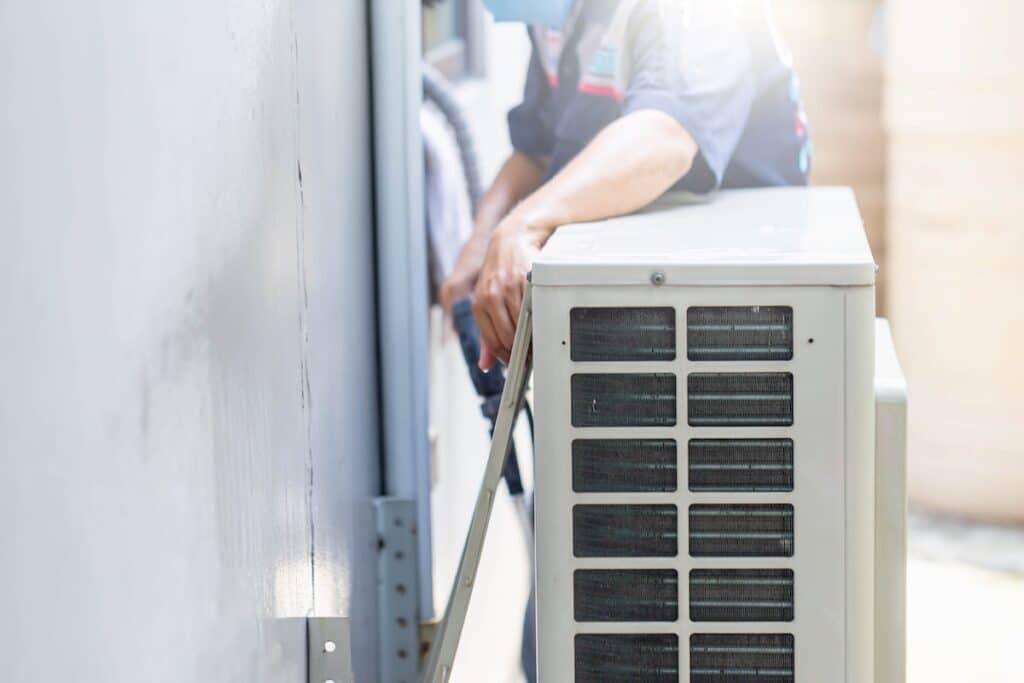
Commercial HVAC Installation: Full Process Explained In 8 Steps

Installing a commercial HVAC system is a complex undertaking that requires careful planning, skilled technicians, and attention to detail. Whether you’re building a new facility or replacing an outdated system, understanding the commercial HVAC installation process helps you make informed decisions and ensures your project runs smoothly.

This comprehensive guide walks you through every aspect of commercial HVAC installation, from initial planning to final testing. You’ll learn about the essential steps involved, common challenges to expect, and how to work with qualified professionals to achieve optimal results. We’ll also cover key considerations like system sizing, equipment selection, and regulatory compliance to help you navigate this important investment with confidence.

Here’s what we’ll explore in this article:

  • Planning and Assessment – Understanding your building’s unique requirements
  • Installation Process – The detailed 8-step installation procedure
  • Testing and Commissioning – Ensuring everything works perfectly
  • Maintenance Planning – Setting up your system for long-term success

🔎 Planning and Assessment
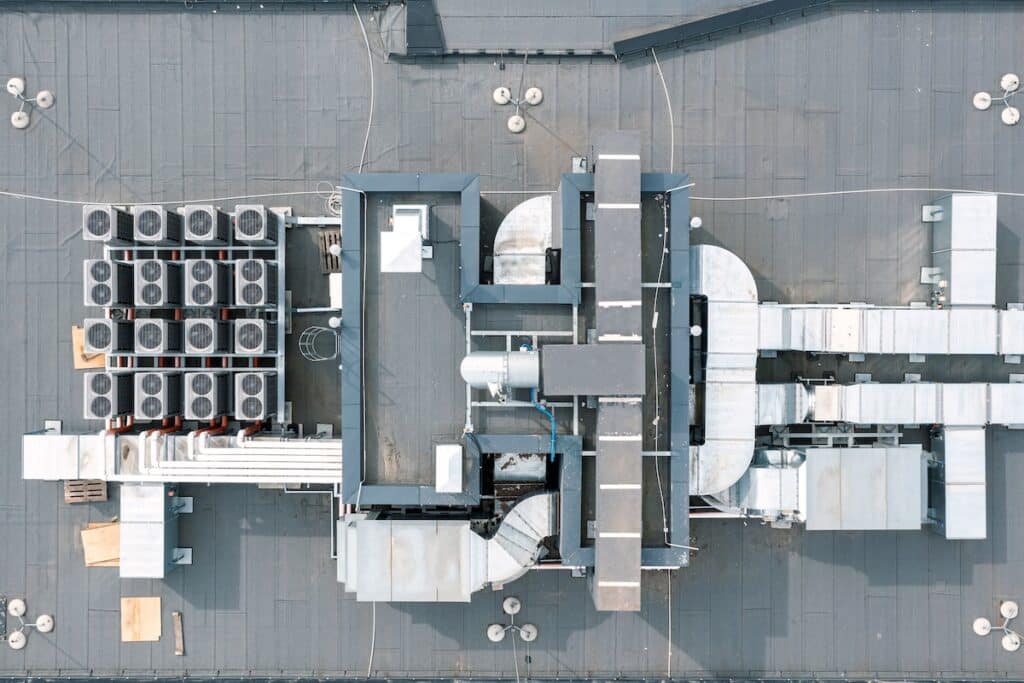
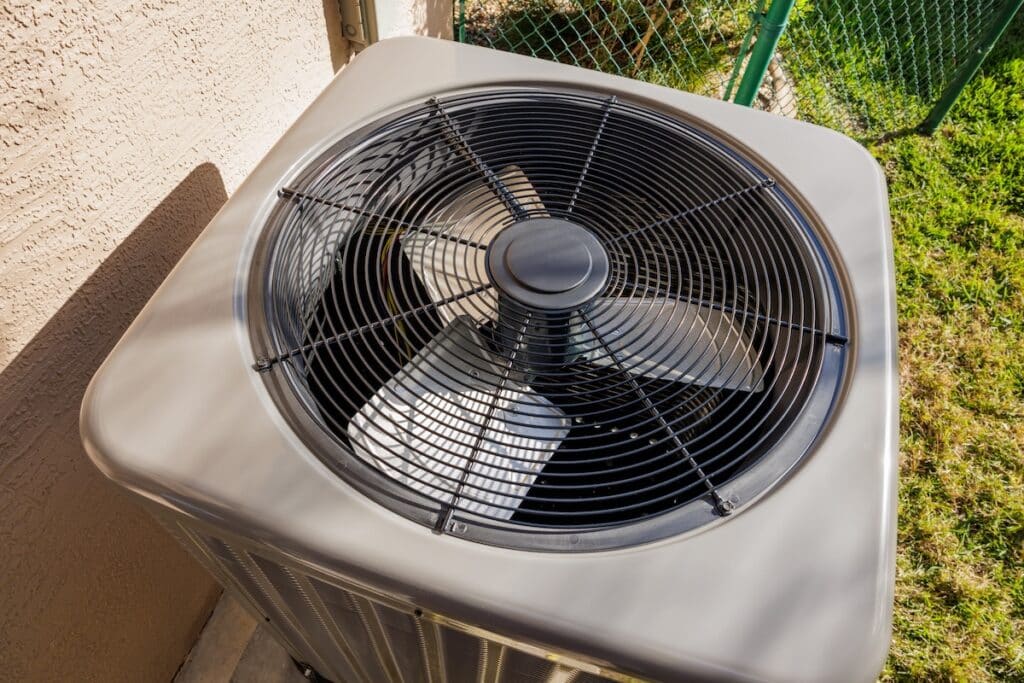
Efficient ventilation system on the roof of the house, air conditioner fans, ventilation system on the roof of residential buildings, aerial view

Thorough planning is the cornerstone of any successful commercial HVAC installation. This process begins with evaluating your building’s specific needs, existing infrastructure, and operational requirements. A qualified HVAC contractor will assess heating and cooling loads by measuring square footage, analyzing insulation, window placement, and occupancy patterns. They will also examine electrical systems, ductwork, and structural elements to ensure compatibility with modern HVAC equipment, especially in buildings with older infrastructure. Addressing these factors early can prevent unexpected costs and ensure the system is both energy-efficient and properly sized.

Budget and timeline planning are also critical components of the process. Commercial HVAC systems are significant investments, with costs varying based on building size, system complexity, and equipment quality. Open discussions with contractors can help identify solutions that balance performance and cost-effectiveness. Additionally, clear timeline planning minimizes disruptions to business operations, especially since installations often require coordination with other trades, building occupants, and facility managers. Establishing schedules and communication protocols is essential to keeping the project on track.

System Design and Engineering

  • Customized HVAC Solutions: Professional system design transforms building assessments into tailored HVAC solutions using specialized software to model airflow, calculate load requirements, and optimize equipment placement.
  • Load Calculations: Engineers determine heating and cooling capacities based on factors like climate, building orientation, internal heat sources, and occupancy levels. Accurate calculations prevent oversized or undersized systems, improving efficiency and comfort.
  • Ductwork Design: Proper duct system design ensures efficient air distribution, minimizing pressure losses and noise while maximizing system performance and reducing energy consumption.
  • Equipment Selection: Engineers choose components like heating and cooling units, air handlers, controls, and accessories based on energy efficiency, maintenance needs, and system compatibility.
  • Zone Planning: Buildings are divided into zones with similar heating and cooling requirements. This approach improves comfort and energy efficiency by allowing independent control of different areas, especially in spaces with varied occupancy or uses..

✅ 8 Step Commercial HVAC Installation Process
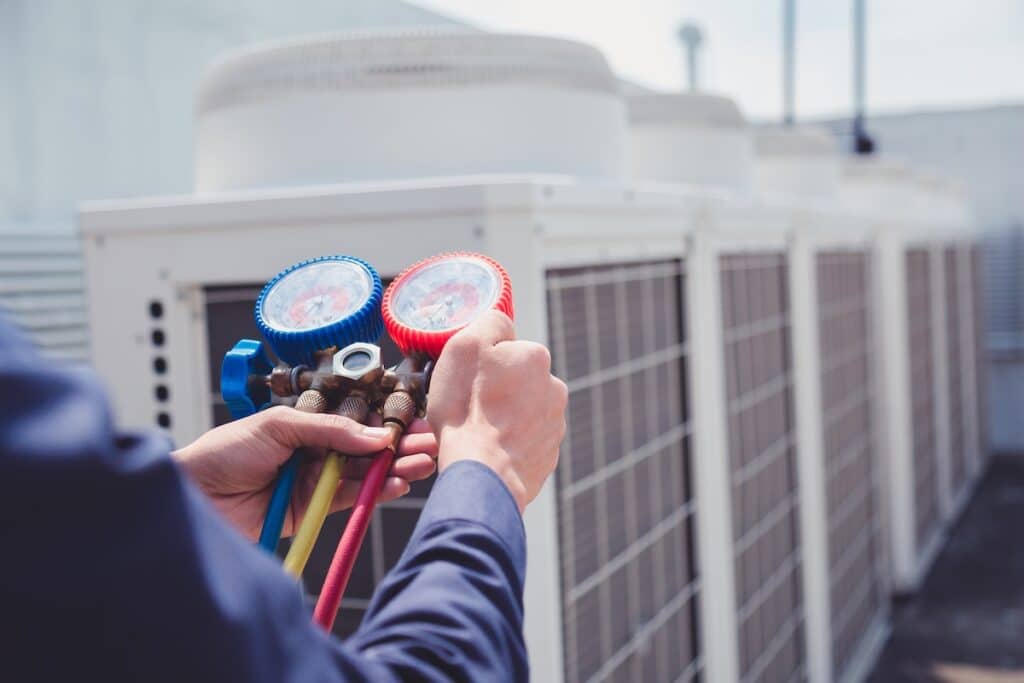
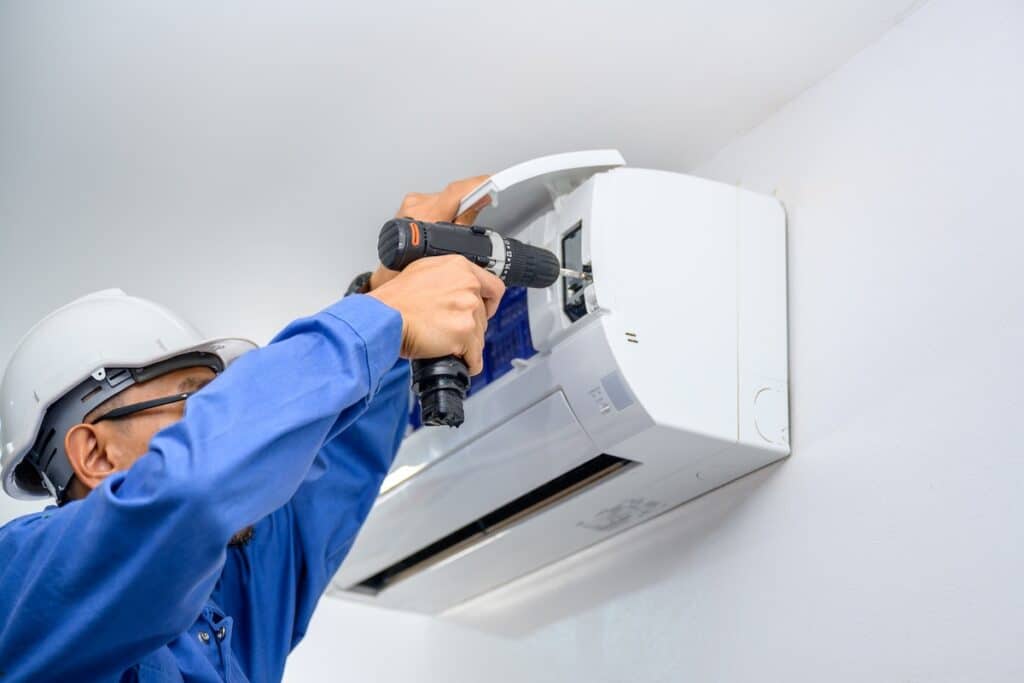
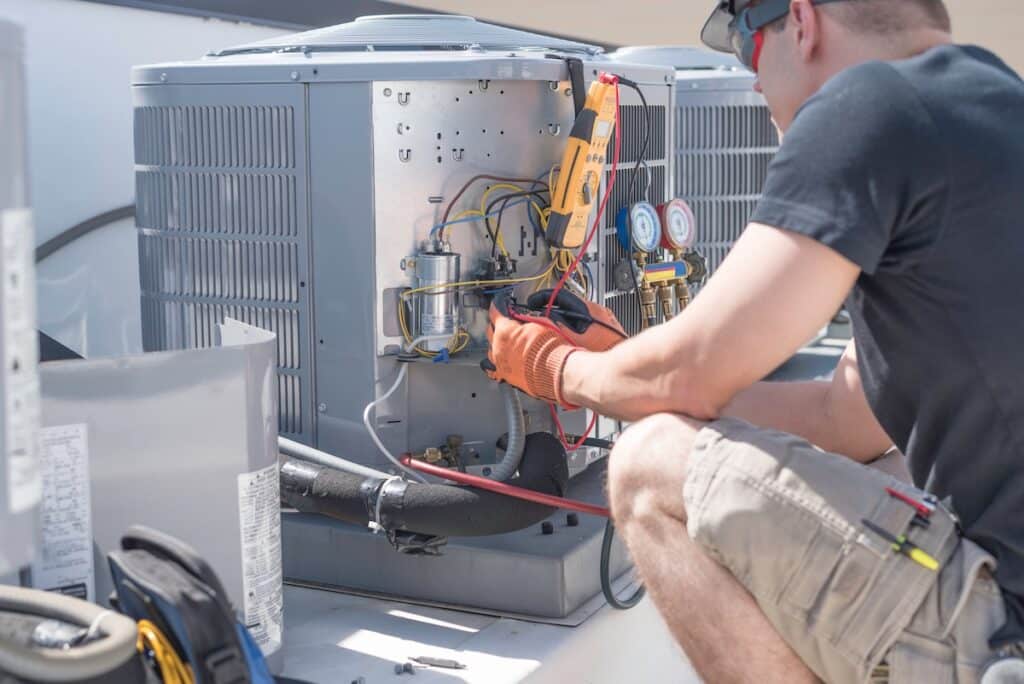
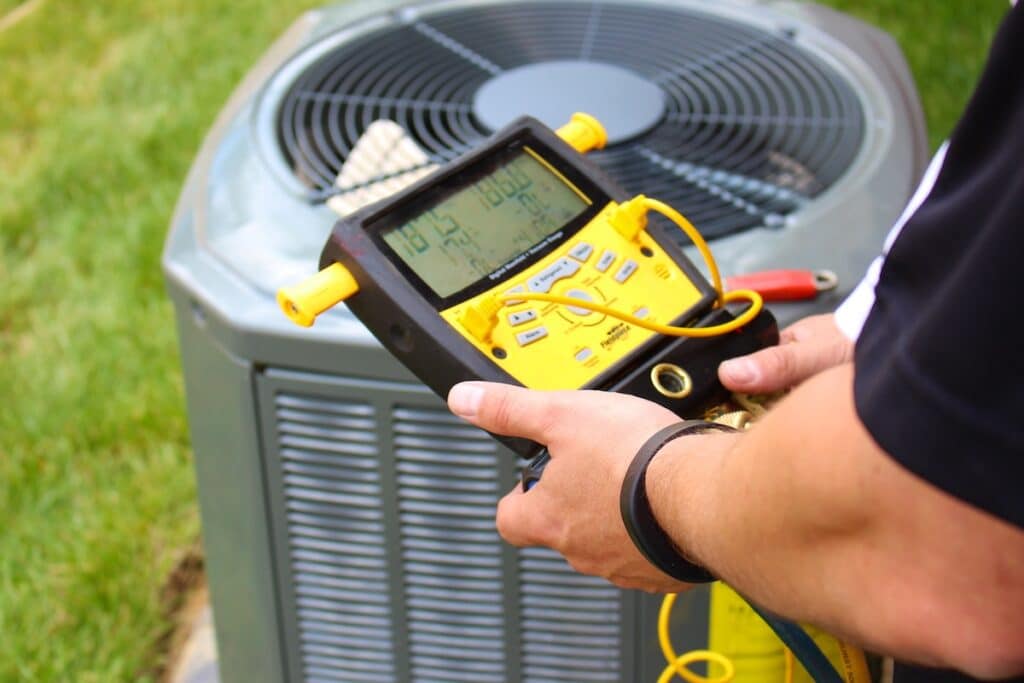
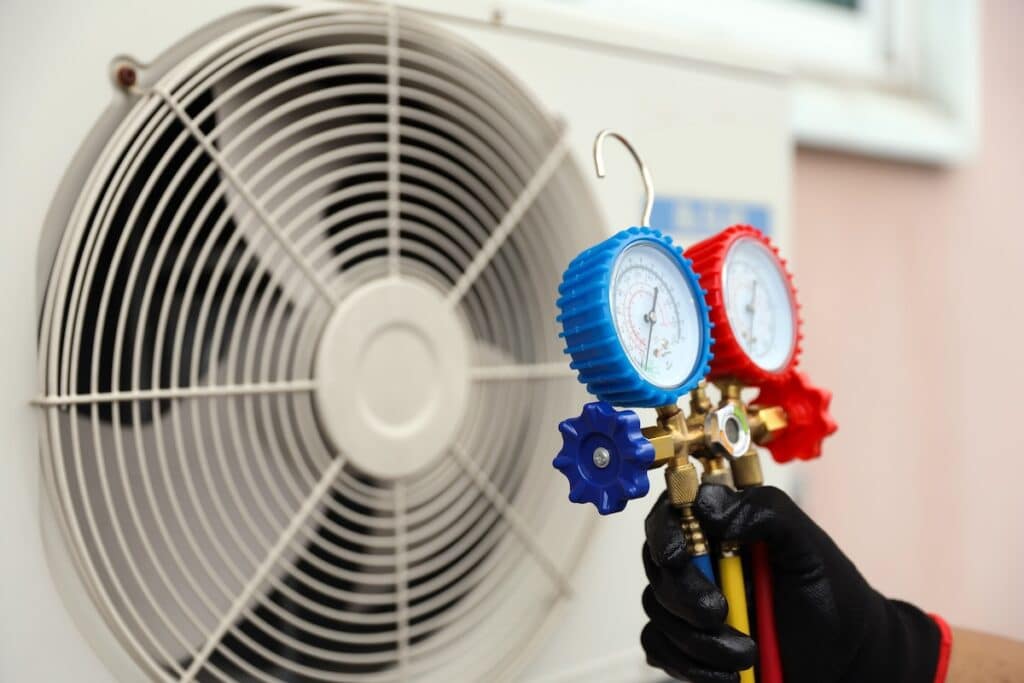
Technician is checking air conditioner ,measuring equipment for filling air conditioners.

The actual installation of a commercial HVAC system follows a systematic approach that ensures proper operation and compliance with all requirements. Here’s the detailed process professional contractors use:

Step 1: Site Preparation and Safety Setup

Installation begins with preparing the work area and establishing safety protocols. Contractors set up protective barriers, ensure proper ventilation, and establish clear access routes for equipment delivery. All team members receive safety briefings and review project-specific hazards.

Step 2: Structural Modifications and Mounting

Any required structural modifications are completed before equipment installation. This may include reinforcing roof structures for rooftop units, creating equipment pads, or modifying walls for unit placement. Proper mounting ensures equipment stability and reduces vibration transmission.

Step 3: Electrical Infrastructure Installation

Electrical work includes installing power supplies, control wiring, and safety disconnects. Licensed electricians ensure all electrical connections meet code requirements and provide proper equipment protection. This step often requires coordination with local utility companies.

Step 4: Ductwork Installation and Sealing

Ductwork installation follows engineered designs to ensure proper airflow distribution. Contractors fabricate and install supply and return ducts, ensuring proper sealing to prevent air leaks. Quality ductwork installation directly impacts system efficiency and performance.

Step 5: Equipment Placement and Connection

HVAC equipment is carefully positioned and secured according to manufacturer specifications. This includes installing outdoor units, indoor air handlers, and associated components. Proper equipment placement ensures optimal performance and simplifies future maintenance.

Step 6: Refrigerant Lines and Gas Connections

Refrigerant lines are installed and pressure tested to ensure leak-free operation. Gas connections for heating equipment require certified technicians and pressure testing for safety. These connections must meet strict safety standards and local codes.

Step 7: Control System Integration

Building automation systems and controls are installed and programmed according to project specifications. This includes installing sensors, thermostats, and communication networks that allow centralized system management. Proper control integration optimizes energy efficiency and comfort.

Step 8: System Startup and Initial Testing

The final installation step involves starting up all equipment and conducting initial performance tests. Contractors verify proper operation, check safety systems, and ensure all components function as designed. This step identifies any issues before the commissioning phase.

🔎 Testing and Commissioning

Comprehensive testing and commissioning ensure your commercial HVAC system operates safely, efficiently, and according to design specifications. This critical phase validates that all components work together properly and meet performance expectations.

Functional Testing

Functional testing verifies that all system components operate correctly. This includes testing heating and cooling equipment, fans, pumps, and control systems under various operating conditions. Contractors document all test results and address any performance issues discovered.

Airflow Testing

Airflow testing ensures proper air distribution throughout the building. Technicians measure airflow rates at supply and return vents, verify proper ventilation levels, and check for adequate air circulation. Proper airflow is essential for comfort and indoor air quality.

Control System Testing

Control system testing validates that building automation systems respond correctly to various inputs. This includes testing temperature sensors, scheduling functions, and emergency shutdown procedures. Proper control operation ensures efficient system operation and occupant comfort.

Performance Verification

Performance verification compares actual system performance to design specifications. This includes measuring capacity, efficiency, and energy consumption under various operating conditions. Performance testing ensures your system meets contractual requirements and operates efficiently.

Documentation Completion

Documentation completion provides you with essential system information. This includes equipment manuals, warranty information, maintenance schedules, and as-built drawings. Proper documentation supports effective system operation and maintenance throughout the equipment lifecycle.

🛠️ Maintenance Planning
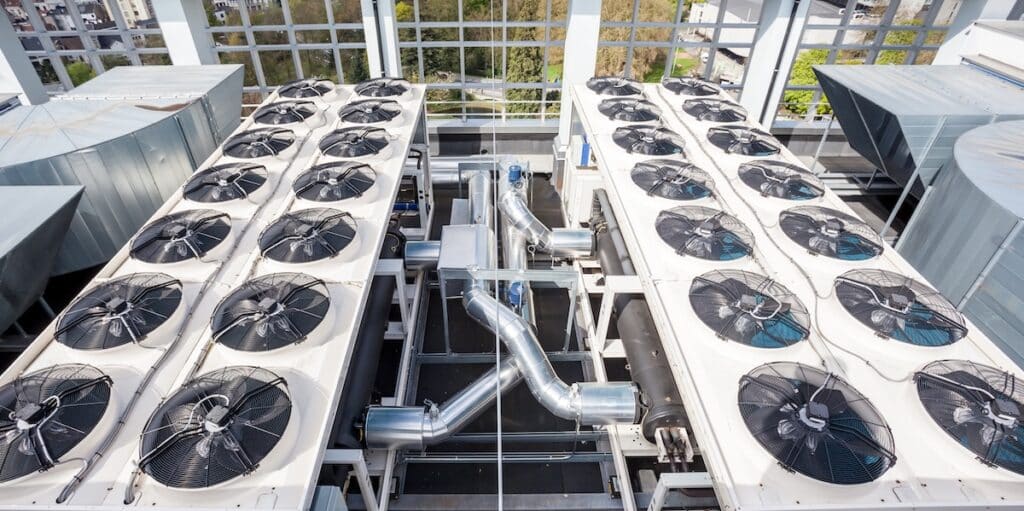
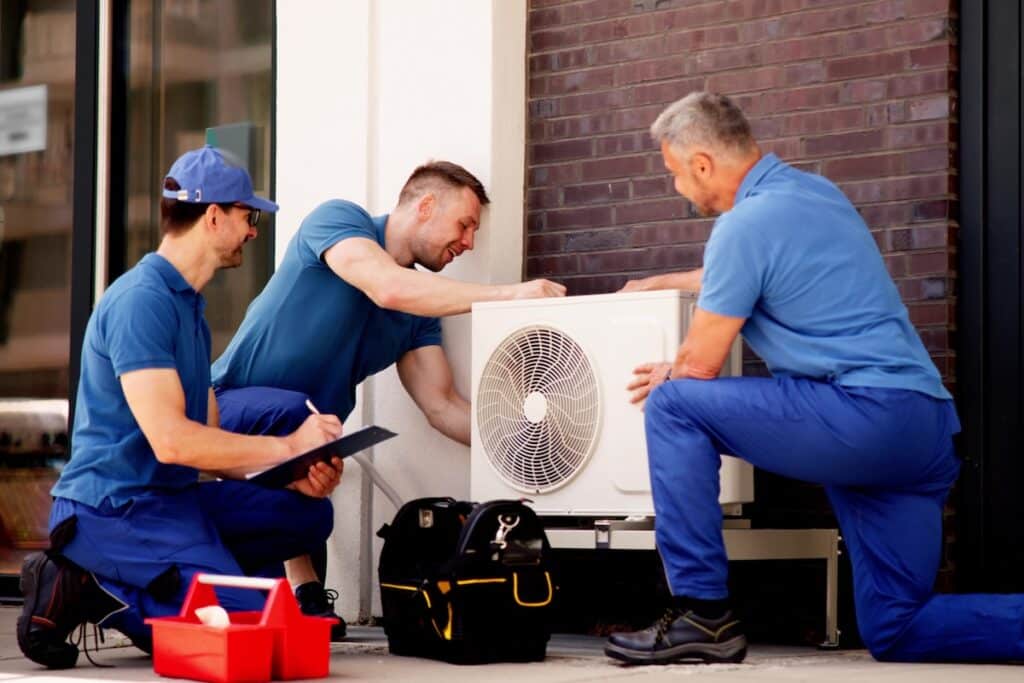
commercial hvac installation

Establishing a comprehensive maintenance plan immediately after installation protects your investment and ensures long-term system reliability. Proper maintenance prevents costly breakdowns, extends equipment life, and maintains energy efficiency.

Establish Preventive Maintenance Schedules

Preventive maintenance schedules should be based on manufacturer recommendations and system usage patterns. Regular tasks include filter changes, coil cleaning, belt inspections, and lubricating moving parts. Consistent maintenance prevents small issues from becoming major problems.

Service Agreements with Contractors

Service agreements with qualified contractors provide ongoing support and priority service. These agreements often include regular maintenance visits, emergency repairs, and preferential scheduling. Professional maintenance ensures your system gets expert care throughout its lifecycle.

Training for Facility Staff

Training facility staff helps maintain optimal operation between professional service visits. Basic training should cover filter changes, thermostat use, and recognizing potential issues. Well-trained staff can handle minor problems and support professional maintenance efforts.

Record Keeping and System Monitoring

Record keeping tracks system performance and maintenance history. Detailed records help identify trends, process warranty claims, and guide maintenance decisions. Modern building automation systems can log performance data automatically and alert staff to potential issues.

👉 Why Choose Thelen Mechanical for Your Commercial HVAC Installation

When it comes to commercial HVAC installation, you need a team you can trust to deliver quality, efficiency, and reliability. At Thelen Mechanical, we combine years of expertise, licensed technicians, and a commitment to minimizing business disruptions to ensure your system is installed and maintained to the highest standards. From tailored planning to 24/7 emergency support, we go above and beyond to protect your investment and keep your operations running smoothly.

Ready to partner with a team dedicated to your business’s comfort and success? Contact Thelen Mechanical today to schedule your free consultation. Let us help you create the ideal environment for your business to thrive.

How Long Do AC Units Last? (AC Types & Lifespan Guide)

When your air conditioning system starts making unusual noises or struggling to cool your home, you might wonder if it’s time for a replacement. Understanding how long do AC units last can help you plan for future expenses and recognize when repairs might be more costly than replacement.

Air conditioning systems typically last between 10-20 years, depending on the type of unit, maintenance habits, and environmental factors. However, this lifespan can vary significantly based on several key factors that we’ll explore in this comprehensive guide.

In this article, we’ll cover:

  • Different types of AC units and their expected lifespans
  • Key factors that affect how long your system will last
  • Signs that indicate it’s time for replacement
  • Tips to extend your AC unit’s life

🔎 Different Types of AC Units and Their Lifespans

Residential building air conditioning units

Not all air conditioning systems are created equal. The type of unit you have plays a major role in determining how long it will serve your home.
Central Air Conditioning Systems

Central air conditioning systems are the most common type found in homes across the Twin Cities. These systems typically cool entire homes and are built to handle this demanding workload. The outdoor condenser unit usually needs replacement first, while the indoor air handler may last longer. However, after about 15 years, many homeowners notice more frequent repairs and reduced energy efficiency.

  • Lifespan: 15-20 years with proper maintenance

Window Air Conditioners

Window units are more affordable upfront but have a shorter lifespan than central systems. Their compact design makes them more susceptible to mechanical failures, and constant exposure to weather elements can accelerate wear and tear. Despite this, lower replacement costs make them a practical choice for cooling individual rooms.

  • Lifespan: 8-12 years

Ductless Mini-Split Systems

Ductless mini-split systems are highly efficient and have fewer mechanical components, which contributes to their extended longevity. The outdoor unit often outlasts the indoor units, and many homeowners appreciate that individual indoor units can be replaced without affecting the entire system.

  • Lifespan: 15-20 years or more

Portable Air Conditioners

Portable AC units offer flexibility but have the shortest lifespan among all types. Frequent movement and setup can cause wear on components, and they work harder to cool spaces due to lack of permanent installation and proper insulation. They’re best for short-term or occasional use rather than continuous operation.

  • Lifespan: 5-10 years

👉 7 Factors That Affect AC Unit Lifespan

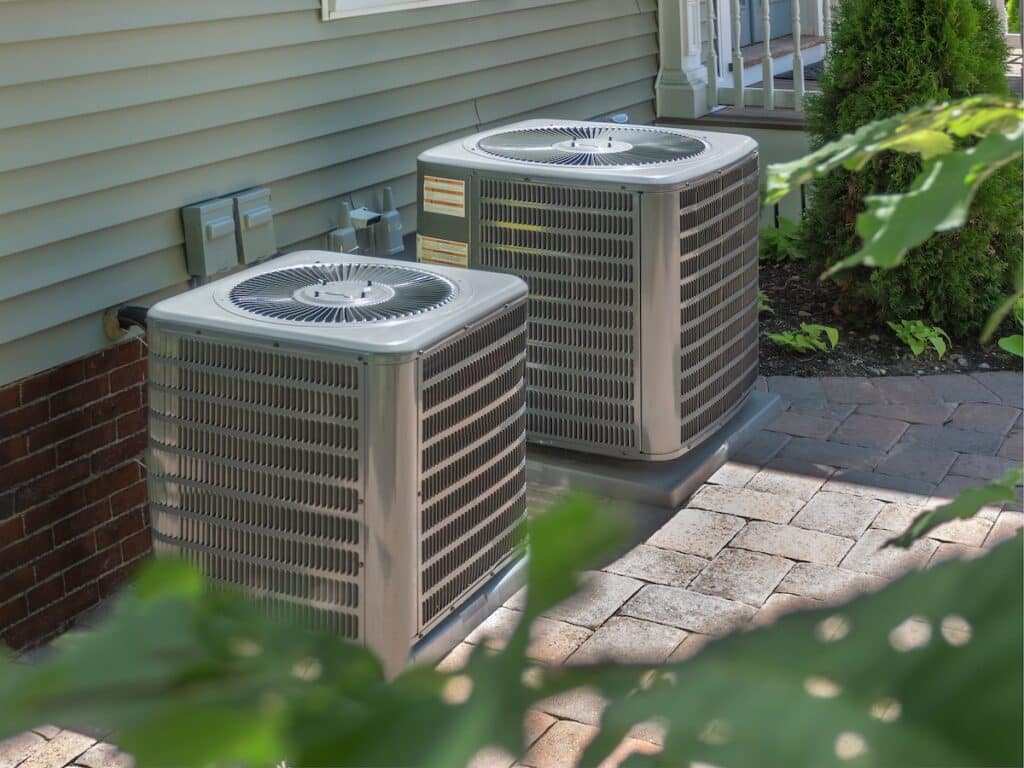
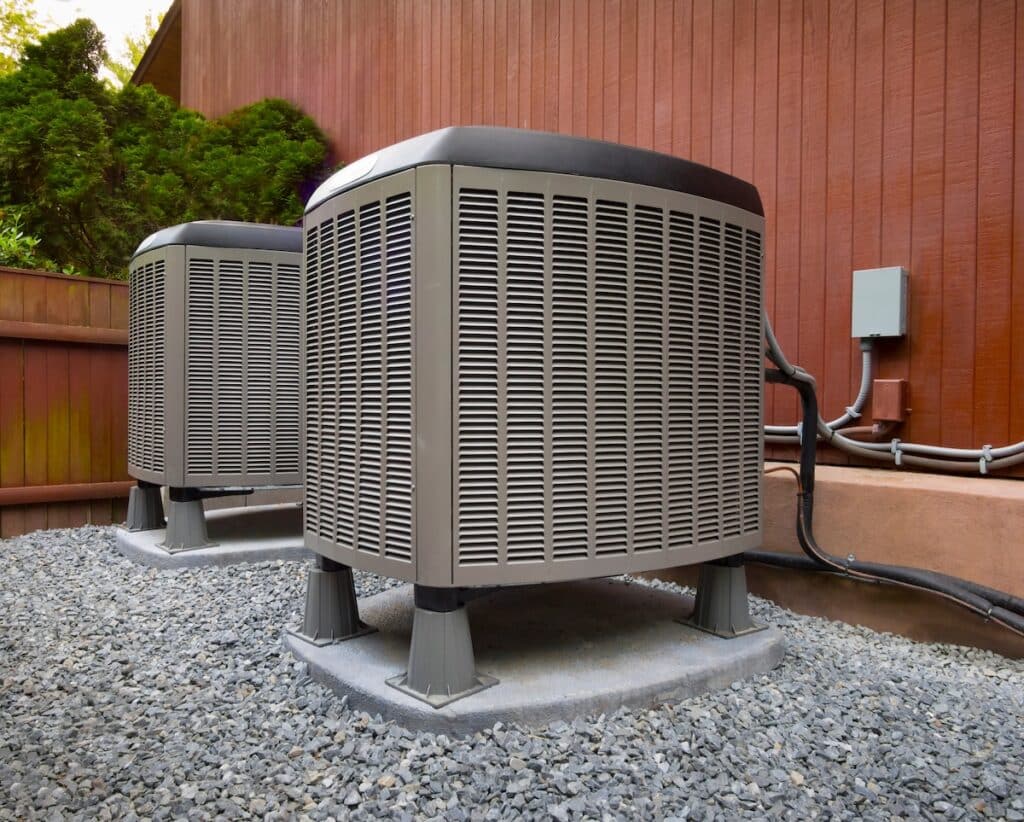
HVAC heating and air conditioning residential units or heat pumps

Several key factors determine how long your air conditioning system will last. Understanding these can help you maximize your unit’s life and performance.

1. Quality of Installation

Professional installation significantly impacts your AC unit’s lifespan. Improperly installed systems work harder to maintain comfortable temperatures, leading to premature wear. Incorrect refrigerant levels, poor ductwork connections, and inadequate electrical work can all shorten your system’s life.

A qualified HVAC technician ensures your system is sized correctly for your home and installed according to manufacturer specifications. This proper installation can add years to your unit’s life.

2. Regular Maintenance Schedule

Consistent maintenance is the most important factor in extending your AC unit’s lifespan. Systems that receive annual tune-ups typically last 3-5 years longer than neglected units.

Regular maintenance includes cleaning coils, checking refrigerant levels, inspecting electrical connections, and replacing filters. These preventive measures help your system run efficiently and catch potential problems before they become major repairs.

3. Filter Replacement Frequency

Air filters protect your AC system from dust, debris, and other contaminants. Clogged filters force your system to work harder, reducing efficiency and shortening its lifespan.

Most filters should be replaced every 1-3 months, depending on your home’s air quality and filter type. Homes with pets or family members with allergies may need more frequent filter changes.

4. Climate and Environmental Conditions

Minneapolis’s extreme temperature variations put extra stress on AC systems. Units that run continuously during hot summers or face harsh winter conditions may have shorter lifespans.

Environmental factors like salt air, industrial pollution, and excessive dust can also accelerate wear. Homes near construction sites or busy roads may need more frequent maintenance to combat these challenges.

5. Usage Patterns

How you use your AC system affects its longevity. Systems that run constantly at very low temperatures work harder and may fail sooner. Setting your thermostat to reasonable temperatures and using programmable settings can extend your unit’s life.

Frequently adjusting temperatures throughout the day causes more wear than maintaining consistent settings. Consider using ceiling fans to improve comfort while allowing higher thermostat settings.

6. Quality of the Unit

Higher-quality AC units with better components typically last longer than budget models. While premium units cost more upfront, they often provide better reliability and longer service life.

Look for units with good warranties, energy-efficient ratings, and positive reviews from other homeowners. Investing in quality can save money over time through fewer repairs and longer lifespan.

7. Ductwork Condition

The condition of your home’s ductwork significantly impacts your AC system’s performance and lifespan. Leaky or poorly insulated ducts force your system to work harder to maintain comfortable temperatures.

Damaged ductwork can reduce efficiency by 20-30%, causing your AC unit to cycle more frequently and wear out faster. Regular duct inspections and sealing can help extend your system’s life.

⚠️ Signs Your AC Unit Needs Replacement

HVAC heating and air conditioning units how long do ac units last

Recognizing when your AC unit is nearing the end of its life can help you plan for replacement before a complete breakdown occurs.

Frequent Repairs

If you’re calling for AC repairs multiple times per year, it may be more cost-effective to replace your system. The general rule is that if repair costs exceed 50% of a new unit’s cost, replacement is the better choice.

Keep track of repair expenses over the past few years. Systems requiring frequent repairs often have underlying issues that will continue to cause problems.

Rising Energy Bills

Older AC units lose efficiency over time, leading to higher energy bills. If your cooling costs have increased significantly without changes in usage patterns, your system may be working harder due to age and wear.

Compare your energy bills from the same months in previous years. A sudden spike in costs often indicates your AC system is struggling to maintain performance.

Inconsistent Cooling

If some rooms in your home are too hot while others are too cold, your AC system may be failing. This inconsistency often indicates problems with the blower motor, ductwork, or refrigerant levels.

Poor airflow or weak air coming from vents can also signal that your system is nearing replacement time. These issues often worsen over time and become more expensive to repair.

Strange Noises or Odors

Unusual sounds like grinding, squealing, or banging indicate mechanical problems that may require expensive repairs. Similarly, strange odors from your AC system can signal electrical issues or mold growth.

While some noises can be repaired, persistent or loud sounds often indicate major component failures that make replacement more economical.

💡 Tips to Extend Your AC Unit’s Life

Taking proactive steps can significantly extend your air conditioning system’s lifespan and improve its performance.

Schedule Annual Professional Maintenance

Professional tune-ups are essential for maximizing your AC unit’s life. HVAC technicians can identify potential problems, clean critical components, and ensure your system operates efficiently.

Annual maintenance typically includes refrigerant level checks, electrical connection inspections, and thorough cleaning of coils and components. This preventive care can prevent major breakdowns and extend your system’s life.

Change Filters Regularly

Replacing air filters is the simplest way to protect your AC system. Clean filters improve airflow, reduce strain on your system, and maintain better indoor air quality.

Set reminders to check filters monthly and replace them as needed. During peak cooling season, you may need to replace filters more frequently due to increased usage.

Keep the Outdoor Unit Clean

Your outdoor condenser unit needs adequate airflow to function properly. Remove debris, leaves, and vegetation from around the unit regularly. Maintain at least two feet of clearance on all sides.

Gently clean the outdoor coils with a garden hose to remove dirt and debris. Avoid using high-pressure water, which can damage the delicate fins.

Use Programmable Thermostats

Programmable thermostats reduce wear on your AC system by maintaining consistent temperatures and avoiding unnecessary cycling. Set temperatures higher when you’re away from home to reduce system runtime.

Smart thermostats can learn your schedule and adjust temperatures automatically, optimizing comfort while minimizing system wear.

Address Repairs Promptly

Small problems can become major issues if left unaddressed. Strange noises, reduced cooling, or unusual odors should be investigated by a professional promptly.

Early intervention can prevent minor repairs from becoming expensive replacements. Regular monitoring of your system’s performance helps catch problems early.

👨‍🔧 Trust Thelen Mechanical for Your AC Needs

At Thelen Plumbing, Heating, and Air, we know how important it is to get the most out of your AC unit’s lifespan while keeping your home comfortable year-round. With our experienced technicians, transparent pricing, and commitment to quality, we’re the team you can trust for all your HVAC needs.

From routine maintenance to repairs and system replacements, we’re here to provide reliable solutions tailored to your home and budget. Ready to keep your AC running at its best? Contact us today to schedule a maintenance appointment or system evaluation and let us help you stay cool and comfortable for years to come.

6 Benefits of a Garage Air Conditioner (+ Installation Tips)

Your garage doesn’t have to be a sweltering workspace or storage area that’s too hot to enter during summer months. A garage air conditioner can transform this space into a comfortable, functional area year-round. Whether you use your garage as a workshop, home gym, or simply need better climate control for stored items, proper cooling makes all the difference.

This comprehensive guide covers everything you need to know about garage air conditioning systems. We’ll explore the key benefits of installing a garage air conditioner, walk through different system types, and provide essential installation tips to help you make the best choice for your space. You’ll also discover maintenance requirements and cost considerations to ensure your investment pays off long-term. Here’s what we’ll cover:

  • Types of garage air conditioning systems
  • 6 reasons to install a garage air conditioner
  • Maintenance and care
  • Cost considerations

👉 Types of Garage Air Conditioning Systems

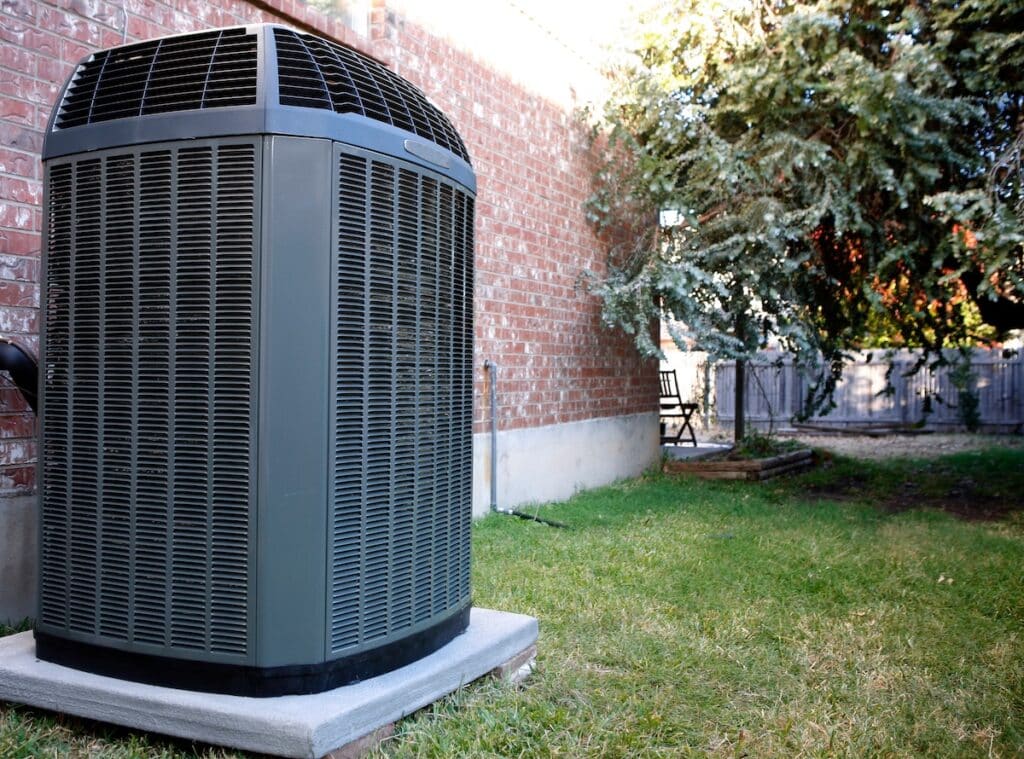
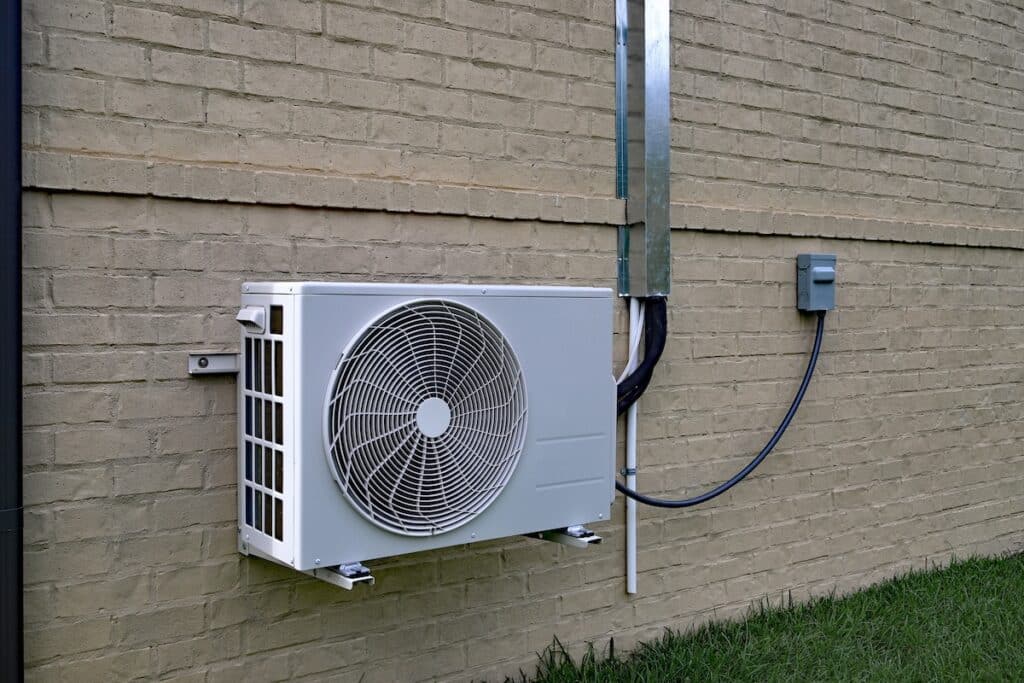
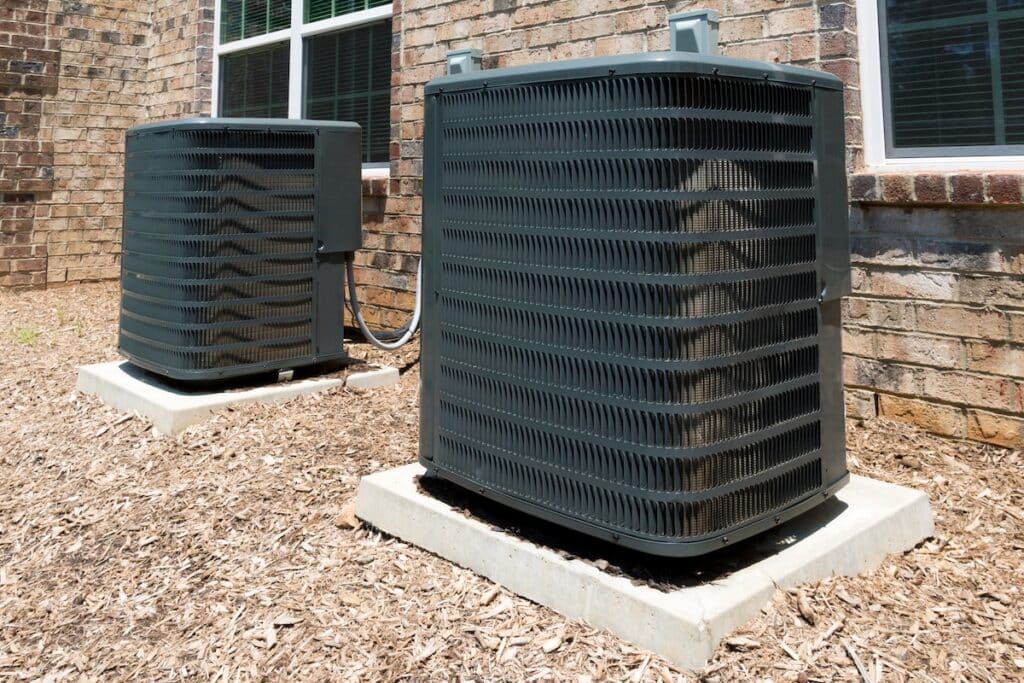
Outdoor air conditioning unit with brick wall background

Choosing the right garage air conditioner depends on your space size, budget, and specific needs. Each system type offers different advantages and installation requirements.

  • Window Units: Affordable and easy to install, window air conditioners are a budget-friendly choice for cooling smaller garages up to 500 square feet. They’re straightforward to set up and provide basic cooling, but they may struggle to keep up in larger spaces or garages with poor insulation. Regular maintenance, such as cleaning the filter, is essential for optimal performance.
  • Mini-Split Systems: Ductless mini-splits are efficient, quiet, and offer precise temperature control, making them ideal for maintaining a consistent climate in your garage. These systems can both heat and cool, providing year-round comfort. While they’re more expensive upfront, their energy efficiency and superior performance make them a worthwhile investment for homeowners seeking long-term solutions.
  • Portable Air Conditioners: Portable units are flexible, mobile, and easy to set up, requiring only an exhaust hose to vent warm air outside. They’re a great option for smaller garages or temporary cooling needs. While convenient, portable air conditioners are generally less efficient and may struggle to cool larger spaces effectively.
  • Central Air Extension: Extending your home’s central air system to the garage provides seamless cooling and eliminates the need for a separate unit. However, this option often requires professional installation, ductwork modifications, and a higher upfront cost. It’s best suited for those planning to fully integrate their garage into the home’s climate control system.

❗️ 6 Reasons to Install a Garage Air Conditioner

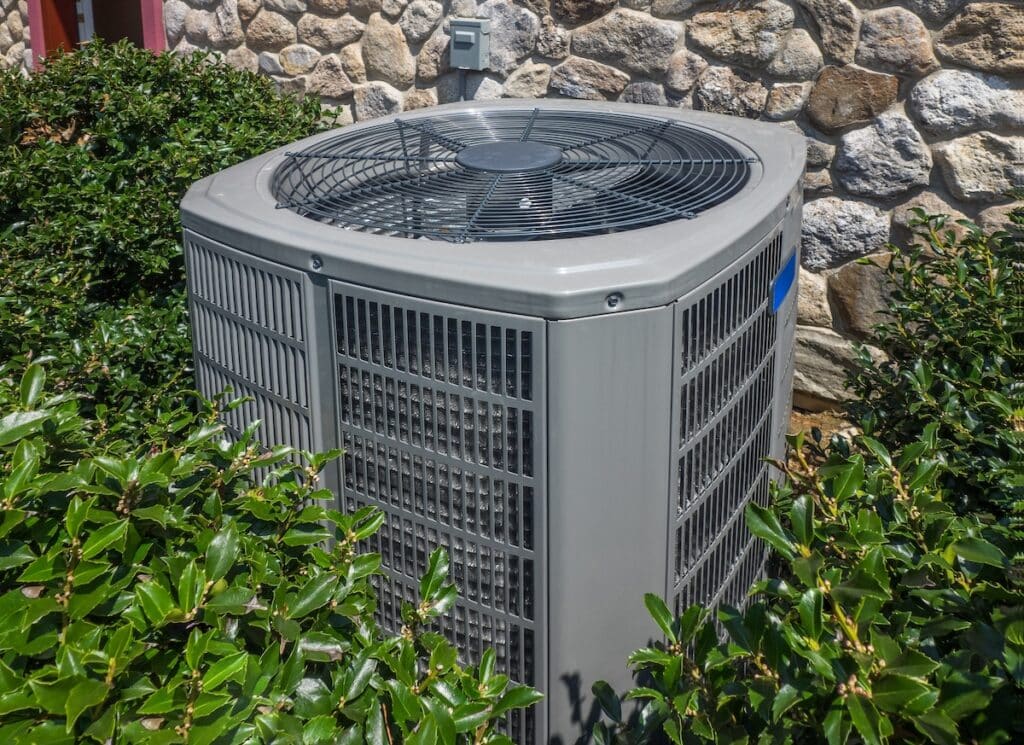
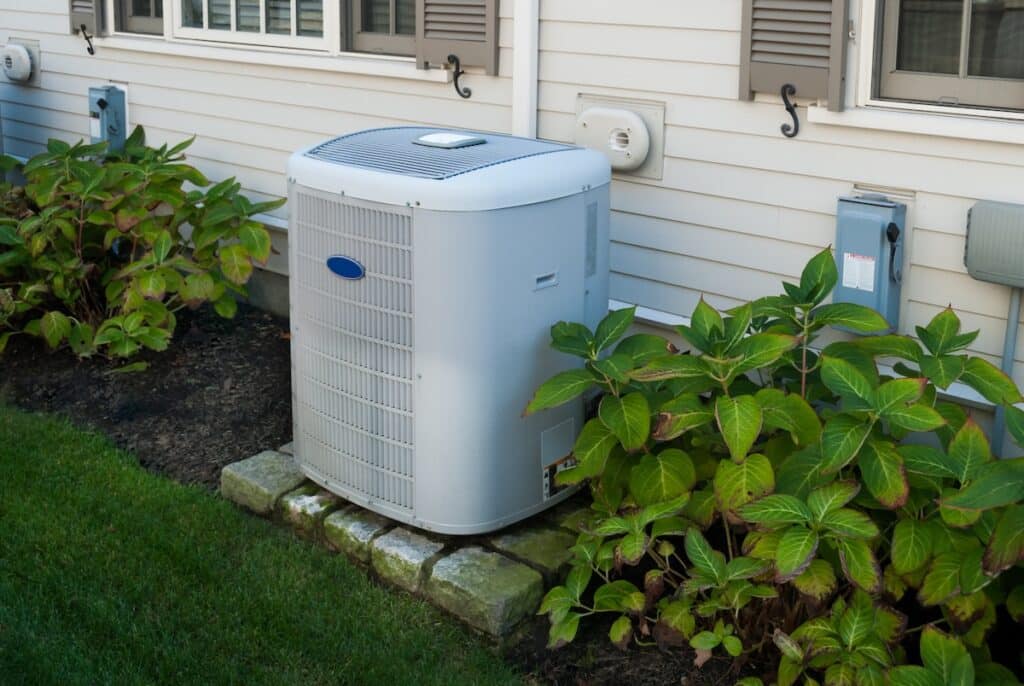
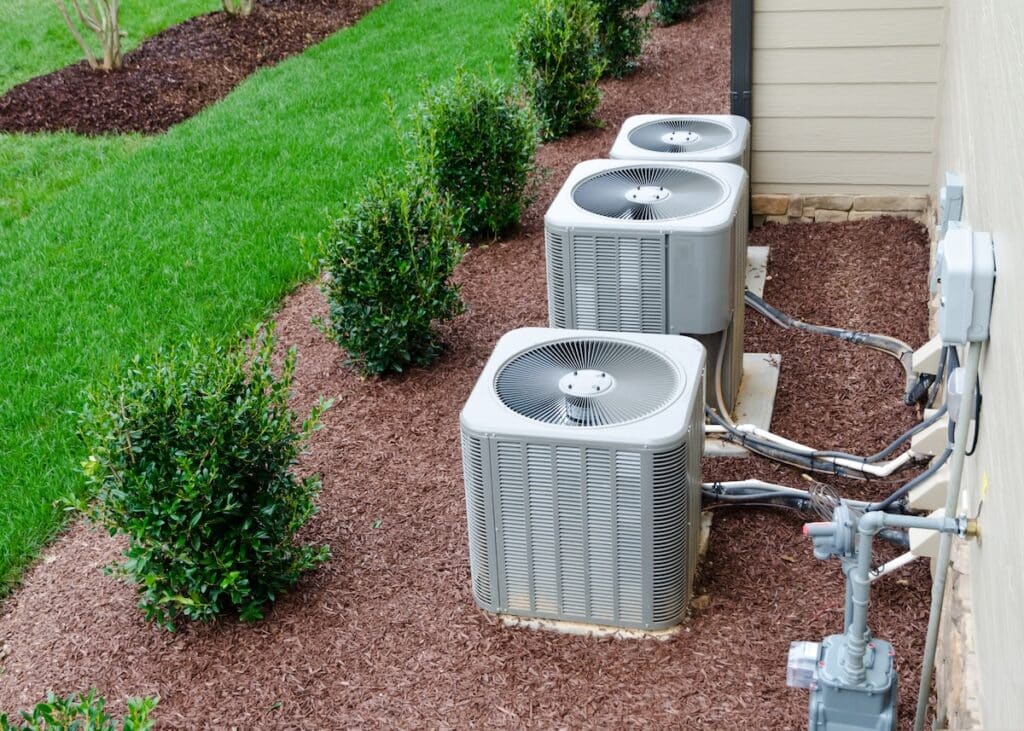
Air conditioning and heating unit for a residential house hidden by holly

Installing a garage air conditioner offers numerous advantages that extend far beyond basic comfort. These systems can completely transform how you use your garage space while protecting your belongings and improving your home’s overall functionality.

1. Enhanced Comfort for Work and Recreation

A climate-controlled garage becomes a truly usable space. You can work on projects, exercise, or pursue hobbies without dealing with extreme temperatures. This is especially valuable if you spend significant time in your garage during summer months.

2. Protection for Stored Items

Heat and humidity can damage stored belongings, from holiday decorations to important documents. A garage air conditioner helps maintain stable temperatures and humidity levels, protecting your valuables from heat-related deterioration.

3. Improved Air Quality

Proper ventilation and cooling help reduce dust, fumes, and stagnant air in your garage. This creates a healthier environment, particularly important if you work with chemicals, paints, or other materials that produce vapors.

4. Increased Home Value

A climate-controlled garage adds functional square footage to your home and can increase property value. Potential buyers often view this as a desirable feature, especially in areas with extreme climates.

5. Better Vehicle Protection

Extreme heat can damage your vehicle’s interior, battery, and other components. A cooler garage helps preserve your car’s condition and extends its lifespan.

6. Extended Usability

With proper cooling, your garage becomes a year-round space rather than one that’s unusable during hot weather. This maximizes your home’s potential and gives you more flexibility in how you use available space.

🛠️ Maintenance and Care

Regular maintenance keeps your garage air conditioner running efficiently and extends its lifespan. Simple maintenance tasks can prevent costly repairs and ensure optimal performance.

Regular Filter Changes

Clean or replace filters monthly during peak usage periods. Dirty filters reduce efficiency and can damage system components. Mark filter change dates on your calendar to maintain consistency.

Coil Cleaning

Both indoor and outdoor coils require regular cleaning to maintain efficiency. Dirt and debris on coils force the system to work harder, increasing energy costs and reducing cooling capacity.

Drainage Maintenance

Keep drainage systems clear of obstructions. Clogged drains can cause water damage and system malfunctions. Check and clean drainage components regularly.

Professional Servicing

Schedule annual professional maintenance to ensure optimal performance. Technicians can identify potential issues before they become major problems and perform maintenance tasks beyond typical homeowner capabilities.

💵 Cost Considerations

Modern residential HVAC air conditioner unit fan.

Understanding the total cost of garage air conditioning helps you make informed decisions and budget appropriately for both initial installation and ongoing operation.

Initial Investment

Window units typically cost $200-$800, while mini-split systems range from $1,500-$5,000 including installation. Central air extensions can cost $2,000-$6,000 depending on complexity and distance from existing systems.

Consider long-term value when evaluating options. Higher-efficiency systems cost more upfront but provide better performance and lower operating costs over time.

Operating Costs

Energy efficiency ratings directly impact operating costs. Look for units with high SEER ratings for cooling efficiency. Proper insulation and sealing also reduce energy consumption significantly.

Calculate estimated annual operating costs based on your local electricity rates and expected usage patterns. This helps determine which system provides the best long-term value.

Maintenance Expenses

Budget for regular maintenance costs including filter replacements, professional servicing, and potential repairs. Well-maintained systems last longer and operate more efficiently, reducing long-term costs.

👨‍🔧 Trust the Experts at Thelen Mechanical

Choosing the right team for your garage air conditioner installation is just as important as choosing the right system. At Thelen Plumbing, Heating, and Air, we bring years of experience, a deep understanding of garage climate control, and a commitment to delivering top-notch service. Our dedication to quality and customer satisfaction has made us a trusted name across Minneapolis, MN, and the Twin Cities Metro Area.

Whether it’s recommending the perfect system or ensuring a seamless installation, we’re here to exceed your expectations. Ready to turn your garage into a comfortable, functional space? Contact us today to schedule your free consultation and let us help you make the most of your garage year-round. depends on your space size, budget, and specific needs. Each system type offers different advantages and installation requirements.

AC Installation Cost: What to Expect from Your Contractor

Installing a new air conditioning system is a significant investment that requires careful planning and budgeting. Understanding the various factors that influence AC installation cost can help you make informed decisions and avoid unexpected expenses. Whether you’re replacing an aging unit or installing AC for the first time, knowing what to expect from your contractor will ensure a smooth process and fair pricing.

This comprehensive guide covers everything you need to know about AC installation costs, from the factors that affect pricing to what’s included in professional installation services. We’ll explore different system types, labor considerations, and additional expenses you might encounter during the installation process. Here’s what we’ll cover:

  • Average AC installation cost breakdown
  • 6 key factors that affect AC installation cost
  • Additional costs to consider
  • Maximizing your AC installation investment

💰 Average AC Installation Cost Breakdown

Young black man repairman checking an outside air conditioner unit close up

The cost of installing a new air conditioning system varies significantly based on several key factors. Most homeowners can expect to pay between $3,000 and $15,000 for a complete AC installation, with the average falling around $5,000 to $8,000 for a standard central air system.

Labor costs typically account for 30-50% of the total installation expense. Professional HVAC technicians charge between $75 and $150 per hour, depending on your location and the complexity of the installation. A standard installation usually takes 6-12 hours, though more complex projects can extend over multiple days.

Equipment costs make up the largest portion of your investment. Basic central air units start around $2,000, while high-efficiency systems with advanced features can exceed $10,000. The size of your home, desired efficiency rating, and brand selection all impact the final equipment price.

Types of AC Systems and Their Installation Costs

  • Central Air Conditioning Systems: Popular for whole-home cooling, central AC installation costs range from $3,500 to $12,000, depending on system size and efficiency. Homes without existing ductwork may need an additional $3,000 to $7,000 for new duct installation. Split systems are typically cheaper, but ductwork impacts overall costs.
  • Ductless Mini-Split Systems: Ideal for homes without ductwork, installation costs range from $2,000 to $5,000 for single-zone systems and $6,000 to $15,000+ for multi-zone setups. These systems require minimal structural changes, making them perfect for additions or older homes, with faster installation and lower labor costs.
  • Window and Portable Units: The most affordable option, with costs between $150 and $800. These units provide single-room cooling and are not suitable for whole-home use. Professional installation ensures proper mounting, electrical connections, and efficient operation.

⭐️ 6 Key Factors That Affect AC Installation Cost

A male air conditioner technician or air conditioning installation. technician is about to repair air conditioning in homes and buildings.

Understanding the key factors that affect AC installation costs helps you budget effectively and avoid unexpected expenses. It also ensures you make informed decisions when choosing the right system for your home or business.

1. System Size and Capacity

Proper sizing is crucial for efficient operation and cost-effective installation. HVAC professionals calculate the required capacity based on your home’s square footage, insulation quality, ceiling height, and local climate conditions. Oversized systems waste energy and money, while undersized units struggle to maintain comfortable temperatures.

2. Energy Efficiency Ratings

Higher efficiency systems cost more upfront but provide long-term savings through reduced energy consumption. SEER (Seasonal Energy Efficiency Ratio) ratings range from 13 to 25, with higher numbers indicating greater efficiency. Energy-efficient systems may qualify for rebates and tax incentives that offset initial costs.

3. Existing Infrastructure

Your home’s current electrical, plumbing, and ductwork systems significantly impact installation costs. Older homes may require electrical panel upgrades, new circuit installation, or extensive ductwork modifications. These improvements ensure safe operation and optimal system performance.

4. Installation Complexity

Straightforward installations in easily accessible locations cost less than complex projects requiring specialized equipment or extensive modifications. Factors such as roof pitch, crawl space accessibility, and structural obstacles can increase labor time and expenses.

5. Geographic Location

Regional differences in labor costs, building codes, and permit requirements affect installation pricing. Urban areas typically have higher labor rates, while rural locations may have limited contractor availability. Local climate conditions also influence system requirements and installation complexity.

6. Seasonal Demand

Installation costs fluctuate based on seasonal demand. Peak cooling season (late spring through early fall) often brings higher prices and longer wait times. Scheduling installation during off-peak periods can result in significant savings and faster service.

💵 Additional Costs to Consider

Beyond the basic installation, several additional expenses may arise during your AC installation project. Being aware of these potential costs helps you budget appropriately and avoid financial surprises.

Ductwork Modifications

Existing ductwork may require cleaning, sealing, or modifications to accommodate your new system. Duct repairs or replacements can add $1,000 to $5,000 to your project cost, depending on the extent of work required.

Electrical Upgrades

New AC systems may require electrical panel upgrades, new circuits, or specialized outlets. These electrical modifications typically cost between $500 and $2,000, depending on your home’s current electrical system.

Permits and Inspections

Building permits for AC installation range from $100 to $500, depending on your location and system type. Professional contractors typically include permit costs in their proposals, but it’s important to verify this information.

Removal and Disposal

Removing and disposing of old equipment adds to installation costs. Most contractors charge $100 to $500 for this service, depending on the size and complexity of the existing system.

🔎 How to Choose the Right AC Installation Contractor

Skilled HVAC technician ensures efficient air conditioning in commercial buildings by installing units, conducting maintenance and safety inspections. ac installation cost

Selecting the right contractor is crucial for ensuring quality installation and long-term system performance. Take time to research potential contractors, verify credentials, and compare proposals before making your decision.

Licensing and Insurance

Verify that contractors hold proper licensing for HVAC work in your area. Additionally, confirm they carry liability insurance and workers’ compensation coverage to protect you from potential accidents or damages during installation.

Experience and Reputation

Choose contractors with extensive experience installing the type of system you’re considering. Check online reviews, ask for references, and verify their standing with the Better Business Bureau to ensure you’re working with reputable professionals.

Detailed Proposals

Quality contractors provide detailed written proposals outlining all aspects of the installation, including equipment specifications, labor costs, materials, permits, and timeline. Avoid contractors who provide vague estimates or pressure you to make immediate decisions.

Warranty and Service Support

Inquire about equipment warranties, installation labor warranties, and ongoing service support. Contractors who stand behind their work provide comprehensive warranty coverage and responsive service when issues arise.

🛠️ Maximizing Your AC Installation Investment

Getting the most value from your AC installation investment requires careful planning and ongoing maintenance. Consider these strategies to optimize your system’s performance and longevity.

Regular Maintenance

Scheduled maintenance keeps your system running efficiently and prevents costly repairs. Annual tune-ups, filter changes, and system inspections ensure optimal performance and extend equipment life.

Energy-Efficient Upgrades

Consider complementary upgrades such as programmable thermostats, improved insulation, and ductwork sealing to maximize your system’s efficiency. These improvements enhance comfort while reducing operating costs.

Professional Service Support

Establish a relationship with a reliable service provider for ongoing maintenance and repairs. Regular professional attention keeps your system operating at peak efficiency and helps identify potential issues before they become major problems.

👉 Trust Thelen Plumbing, Heating, and Air for Your AC Installation

At Thelen Plumbing, Heating, and Air, we understand that AC installation is a major investment, and our goal is to make the process as smooth and stress-free as possible. With our experienced technicians, transparent pricing, and flexible financing options, we’re committed to delivering exceptional service every step of the way. Our 4.9-star rating reflects the trust we’ve earned from homeowners across Minneapolis and the Twin Cities Metro area.

When you choose us, you’re not just getting expert installation—you’re gaining a long-term partner who’s dedicated to your comfort and satisfaction. Ready to get started? Contact us today for a free consultation and see why we’re the team you can trust for all your HVAC needs.

How to Find AC Filter: 6 Tips to Inspect Your System

Your air conditioning system works tirelessly to keep your home comfortable, but when was the last time you checked on its most important component? The AC filter plays a crucial role in maintaining indoor air quality and ensuring your system runs efficiently. If you’re wondering how to find AC filter components in your system, you’re not alone—many homeowners struggle with this essential maintenance task.

Regular filter inspection and replacement can extend your system’s lifespan, improve air quality, and reduce energy costs. This guide will walk you through everything you need to know about locating, inspecting, and maintaining your AC filter system.

In this comprehensive guide, we’ll cover:

  • Common AC filter locations and how to access them
  • Step-by-step inspection techniques for different system types
  • Signs that indicate filter replacement is needed
  • Proper maintenance schedules to keep your system running smoothly

🏡 Understanding Your AC Filter System

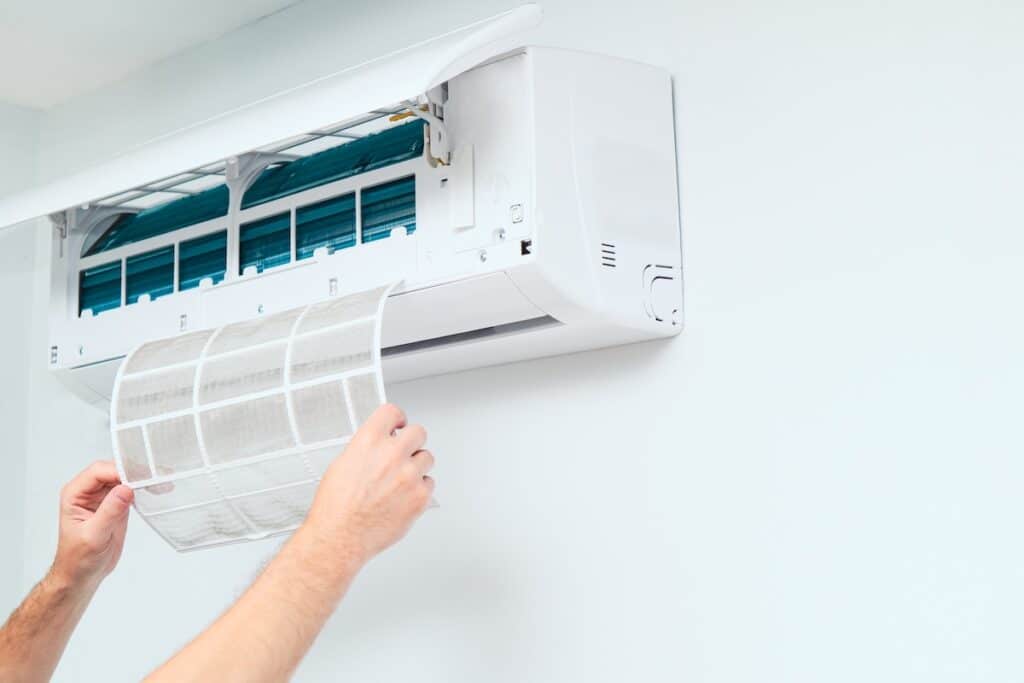
ac filter change

Before diving into inspection methods, it’s important to understand what you’re looking for. Your AC filter serves as the first line of defense against dust, pollen, pet dander, and other airborne particles. Most residential systems use disposable filters that need regular replacement, while some employ washable filters that require cleaning.

The filter’s primary job is protecting your HVAC equipment from debris while improving indoor air quality. A clean filter allows proper airflow, which helps your system maintain consistent temperatures without working overtime. When filters become clogged, your system strains to circulate air, leading to higher energy bills and potential equipment damage.

Different homes have different filter configurations. Single-family homes typically have filters located at the air handler or within return air vents. Apartments and condos might have filters in wall-mounted units or centralized systems. Understanding your specific setup is the first step in effective filter maintenance.

Common AC Filter Locations

  • Air Handler Units: AC filters are often found near the air handler unit, which houses the blower fan. Look for a rectangular filter slot along the side of the unit, typically secured with latches, screws, or clips. These units are usually located in basements, attics, closets, or utility rooms.
  • Return Air Vents: Some filters are behind return air vents (larger vents pulling air into the system), usually on walls or ceilings in central areas of the home. To access, remove the vent cover secured with screws or clips, or swing open hinged covers in newer homes.
  • Furnace Units: For combined heating and cooling systems, filters are often located in a slot between the return air duct and the furnace. Look for an accessible compartment on the lower front, side, or bottom of the furnace.

💡 6 Tips to Inspect Your AC Filter System

Air conditioner service indoors. Male Technician removing air filter of the air conditioner for cleaning. Air conditioner service and maintenance

Regularly inspecting your AC filter system is essential to maintain clean airflow and improve energy efficiency. A well-maintained filter can extend the life of your system and ensure healthier indoor air quality.

1. Safety First: Turn Off Your System

Before beginning any inspection, turn off your HVAC system at the thermostat and the main electrical panel. This prevents the system from running while you have access panels open and protects you from moving parts. Wait at least 10 minutes after shutdown to allow any residual electrical charge to dissipate.

Check that the system has completely stopped running by listening for the absence of fan noise and feeling for airflow at vents. This step is crucial for your safety and prevents damage to the system if you accidentally disturb components during inspection.

2. Locate All Filter Points

Start by identifying every filter location in your system. Many homes have multiple filters, especially in larger houses or homes with zoned HVAC systems. Check your air handler unit, return air vents, and any additional air processing equipment.

Document each location with photos or notes for future reference. Measure the filter slots to determine the correct filter sizes you’ll need for replacement. Common sizes include 16x20x1, 20x25x1, and 16x25x1 inches, but your system may require different dimensions.

3. Examine Filter Condition

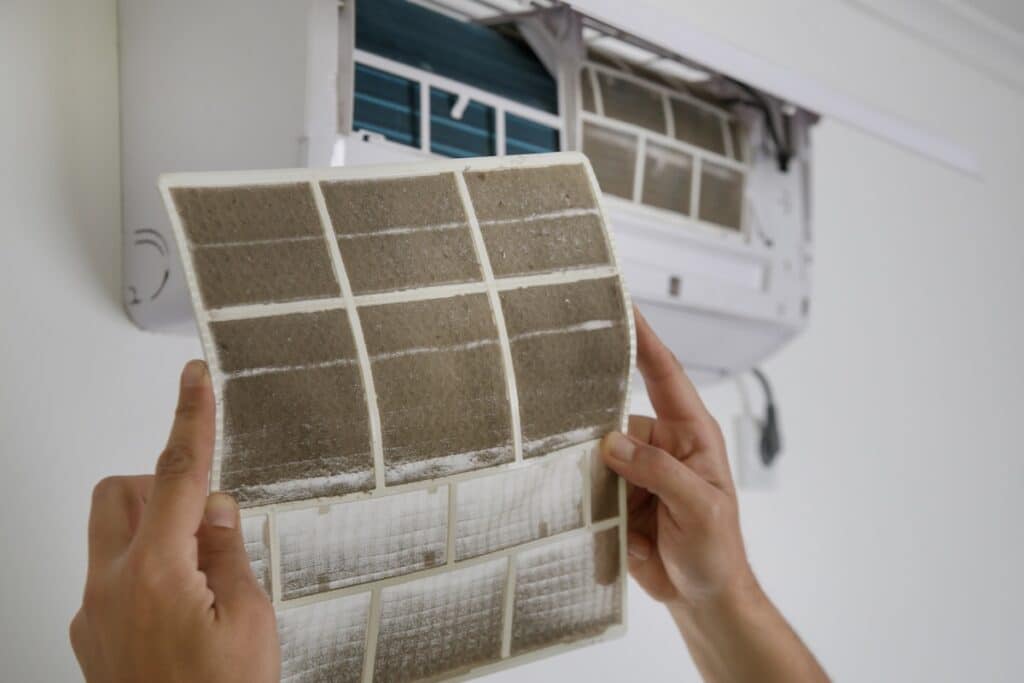
Remove each filter carefully and examine it in good lighting. A clean filter should appear relatively white or light-colored with clearly visible filtering material. Dirty filters will appear gray, brown, or black with accumulated debris.

Hold the filter up to a light source. If you can’t see light passing through easily, the filter needs replacement. Check for tears, bent frames, or gaps that might allow unfiltered air to bypass the filtration system. Damaged filters should be replaced immediately.

4. Check Airflow Direction

Filters are designed to work in one direction only. Look for arrows printed on the filter frame indicating airflow direction. These arrows should point toward the air handler or furnace unit, not toward the return air vent.

Installing a filter backward reduces its effectiveness and can damage your system. If you’re unsure about the correct direction, remember that air flows from the return vents (where air is pulled in) toward the air handler (where air is processed and distributed).

5. Inspect Filter Housing

While you have filters removed, examine the filter housing or tracks for damage, debris, or gaps. Clean any accumulated dust or debris from the housing using a vacuum or damp cloth. Check that the housing firmly secures the filter without gaps that allow air to bypass filtration.

Look for signs of moisture, which might indicate condensation problems or duct leaks. Any water damage or mold growth in filter areas requires immediate professional attention to prevent health hazards and system damage.

6. Test System Operation

After completing your inspection and replacing any necessary filters, restore power to your system and test normal operation. Listen for unusual noises that might indicate installation problems or other issues. Check that air flows normally from supply vents throughout your home.

Monitor your system for the first few hours after filter changes to ensure everything operates correctly. If you notice reduced airflow, strange noises, or other problems, turn off the system and double-check your filter installation.

⚠️ Signs Your Filters Need Immediate Attention

Several warning signs indicate your AC filters require immediate replacement or cleaning. Reduced airflow from vents is often the first noticeable symptom. If rooms aren’t cooling evenly or your system runs constantly without reaching set temperatures, dirty filters might be restricting airflow.

Increased dust accumulation on furniture and surfaces suggests your filters aren’t capturing particles effectively. Family members experiencing more allergies or respiratory issues might also indicate compromised filtration.

Higher than normal energy bills can result from your system working harder to move air through clogged filters. If your monthly costs have increased without changes in usage patterns, check your filters first before assuming equipment problems.

Visible dust or debris around air vents, unusual odors from your HVAC system, or the system short-cycling (turning on and off frequently) all point to filter issues requiring immediate attention.

🛠️ Maintenance Schedule and Best Practices

Man holding very dirty air conditioner filter how to find ac filter

A maintenance schedule ensures your equipment stays in top condition, reducing downtime and costly repairs. Following best practices extends the lifespan of assets and improves overall efficiency.

Monthly Inspections

Check your filters monthly, even if they don’t need replacement. This regular inspection helps you understand your system’s patterns and catch problems early. Some homes in dusty environments or with pets might need more frequent changes.

Set a monthly reminder on your phone or calendar to inspect filters. Many homeowners find it easiest to check filters when they pay monthly bills or perform other routine household tasks.

Seasonal Replacements

At minimum, replace disposable filters every three months or at the beginning of each season. However, actual replacement frequency depends on several factors including home size, number of occupants, pets, and local air quality.

During peak usage seasons (summer and winter), you might need more frequent replacements. Systems that run constantly put more debris through filters, requiring more frequent attention than systems with moderate usage.

Quality Filter Selection

Choose filters appropriate for your system and needs. Higher MERV (Minimum Efficiency Reporting Value) ratings capture smaller particles but can restrict airflow if your system isn’t designed for them. Most residential systems work well with MERV 8-11 filters.

Avoid cheap fiberglass filters that provide minimal filtration. Pleated filters offer better particle capture and longer service life. For homes with allergy sufferers, consider HEPA filters if your system can handle the increased airflow resistance.

👨‍🔧 Trust the Experts for Your HVAC Needs

Finding the right AC filter is key to maintaining your system’s efficiency and ensuring clean, healthy air for your home. At Thelen Plumbing, Heating, and Air, we pride ourselves on being the team you can trust for all your HVAC needs. With years of experience, personalized solutions, and a commitment to excellence, our skilled technicians are here to make your home as comfortable and efficient as possible.

Whether you need help choosing the right filter, scheduling routine maintenance, or tackling a larger HVAC issue, we’ve got you covered. Contact Thelen Plumbing, Heating, and Air today to schedule your appointment and experience the difference of working with a team that puts your comfort first.

AC Efficiency Rating Guide: What to Look for In a New Unit

Choosing the right air conditioning unit for your home means understanding more than just size and price. The AC efficiency rating is one of the most important factors that will impact your comfort, energy bills, and long-term satisfaction with your purchase. Whether you’re replacing an old system or installing your first central air unit, knowing how to read and compare efficiency ratings can save you thousands of dollars over the life of your system.

This comprehensive guide will walk you through everything you need to know about AC efficiency ratings, including:

  • Understanding SEER, EER, and HSPF ratings
  • Key factors that impact AC efficiency performance
  • What to look for when shopping for a new high-efficiency unit
  • Common mistakes to avoid when comparing efficiency ratings

🤔 Understanding AC Efficiency Ratings

High efficiency modern AC-heater unit, energy save solution

Air conditioning efficiency ratings measure how effectively your system converts electricity into cooling power. The higher the rating, the more efficient your unit operates, which translates to lower energy costs and reduced environmental impact.

The most common AC efficiency rating you’ll encounter is SEER (Seasonal Energy Efficiency Ratio). This rating measures the cooling output during a typical cooling season divided by the total electric energy input during the same period. Think of it like miles per gallon for your car – the higher the SEER rating, the more cooling you get for each dollar spent on electricity.

Factors That Impact AC Efficiency Performance

Understanding AC efficiency ratings is just the beginning. Several factors influence how efficiently your system actually operates in your home:

  • Proper Sizing and Installation: An incorrectly sized AC unit reduces efficiency and comfort. Oversized units cycle too often, while undersized ones struggle to cool your home. Professional load calculations and proper installation ensure optimal performance.
  • Ductwork Quality: Leaky or poorly insulated ducts can lower efficiency by 20-30%. Proper sealing and insulation are critical to achieving your system’s rated efficiency.
  • Regular Maintenance: Tasks like changing air filters monthly can boost efficiency by 5-15%. Professional annual maintenance helps keep your system running at peak performance.
  • Home Insulation and Air Sealing: Poor insulation and air leaks increase your AC’s workload, reducing efficiency. Addressing these issues ensures you get the most out of your system.

SEER vs. EER: What’s the Difference?

While SEER measures seasonal efficiency, EER (Energy Efficiency Ratio) measures efficiency at a specific outdoor temperature, typically 95°F. EER provides a snapshot of how your system performs during peak cooling conditions, which is particularly important if you live in an area with extremely hot summers.

For heat pumps, you’ll also see HSPF (Heating Seasonal Performance Factor), which measures heating efficiency during the winter months. A good HSPF rating is typically 8.0 or higher for modern heat pump systems.

🔎 7 Things to Look for in a New High-Efficiency AC Unit

Heating and air conditioning inverter used to climatize  a home

When shopping for a new air conditioning system, focus on these key features and specifications:

1. SEER Rating of 16 or Higher

Look for units with SEER ratings of 16 or higher for the best balance of efficiency and cost-effectiveness. While 20+ SEER units are available, the additional cost may not be justified unless you have specific circumstances like extremely high cooling loads or want maximum efficiency.

2. Variable Speed Technology

Variable speed compressors and fans adjust their operation based on cooling demand, providing better comfort and efficiency than single-speed systems. These systems run longer at lower speeds, removing more humidity and maintaining more consistent temperatures.

3. Two-Stage Cooling

Two-stage systems operate at different capacity levels, running at lower capacity during mild weather and full capacity during peak demand. This provides better efficiency and comfort compared to single-stage systems that only operate at full capacity.

4. Advanced Controls and Smart Features

Modern high-efficiency units often include smart thermostats and advanced controls that optimize performance based on your schedule and preferences. These features can improve efficiency by 10-15% compared to basic programmable thermostats.

5. Quality Construction and Warranty

Look for units with durable construction, including corrosion-resistant coils and quality components. A comprehensive warranty, particularly on the compressor, indicates manufacturer confidence in the product’s longevity and performance.

6. Proper Refrigerant Type

Newer systems use R-410A refrigerant, which is more environmentally friendly than older R-22 systems. Some manufacturers are transitioning to even newer refrigerants that offer better efficiency and lower environmental impact.

7. ENERGY STAR Certification

ENERGY STAR certified units meet strict efficiency guidelines and often qualify for rebates and tax incentives. This certification provides assurance that you’re purchasing a high-quality, efficient system.

⚠️ Common Mistakes to Avoid

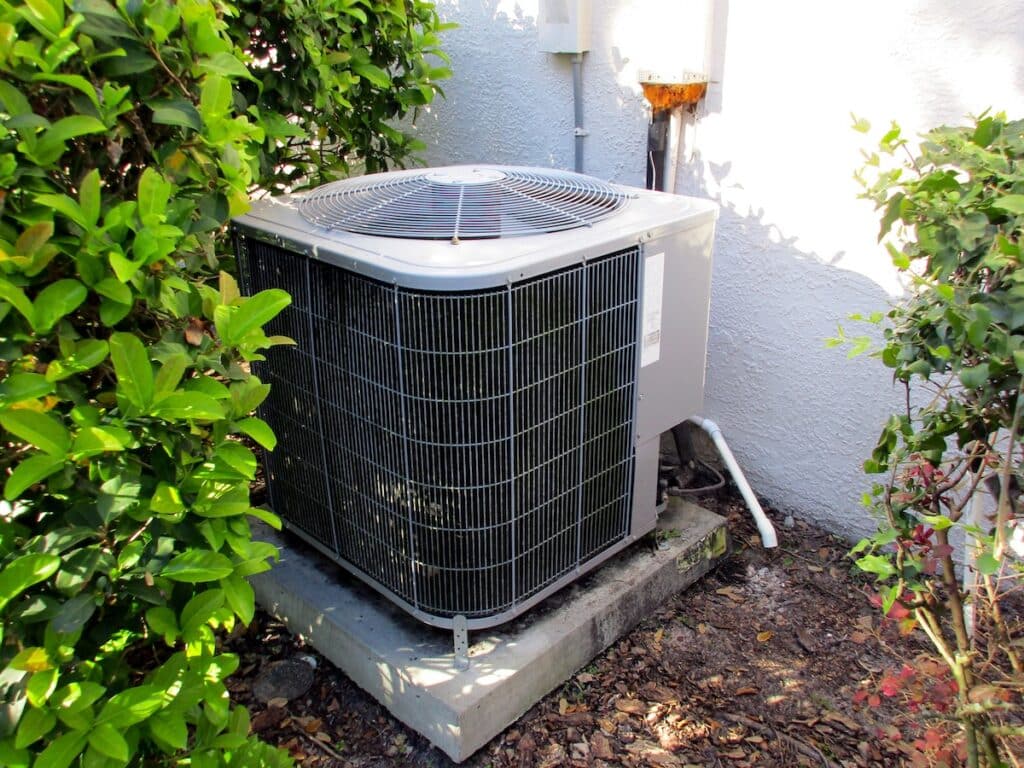
Air Conditioning Unit On Side of Florida House with Green Bushes

When evaluating AC efficiency ratings, avoid these common mistakes that can lead to poor performance and higher costs:

Don’t Focus Solely on SEER Ratings

While SEER ratings are important for efficiency, they don’t tell the full story. Consider your local climate and cooling needs, especially if you live in a humid area. A unit with a high SEER rating might struggle to manage humidity effectively, reducing overall comfort.

Avoid Cheap Units Without Research

Choosing the cheapest high-efficiency unit can backfire if the manufacturer has a poor reputation or offers limited warranty coverage. Look for well-built systems with strong service support to ensure reliability and long-term performance.

The Highest SEER Rating Isn’t Always Best

A high SEER rating doesn’t guarantee it’s the right fit. Factor in your budget, local weather conditions, and the system’s expected lifespan to find the most cost-effective and practical unit for your needs.

Never Skip Professional Load Calculations

Even the most efficient system will underperform if it’s the wrong size or poorly installed. Always rely on professional load calculations and expert installation to maximize efficiency and comfort.

👨‍🔧 Maximizing Your Investment in High-Efficiency Cooling

At Thelen Plumbing, Heating, and Air, we take pride in being the team you can trust for all your HVAC needs. With years of experience and a commitment to excellence, our certified technicians ensure your cooling system is not only energy-efficient but also perfectly tailored to your home and budget. From professional system selection and precise installation to ongoing maintenance, we’re here to provide reliable, cost-effective comfort year-round.

Ready to make the switch to a high-efficiency AC system? Contact us today to schedule your free consultation. Let us help you enjoy a cooler, more energy-efficient home this summer!

5 Top HVAC Companies in St. Michael, MN

When the temperature drops or the summer heat becomes unbearable, having an HVAC company you can rely onmakes all the difference. If you’re in St. Michael, MN, you’ll want the best heating, ventilation, and air conditioning (HVAC) services to keep your home comfortable year-round. From prompt repairs during emergencies to professional system installations, St. Michael is home to exceptional HVAC providers who ensure your comfort needs are met.

Here’s a quick look at what we’ll cover in this blog post to help guide you to the best HVAC solutions in St. Michael, MN:

  • What makes an HVAC company stand out
  • Top HVAC companies St. Michael relies on
  • Why Thelen Plumbing, Heating, and Air is the name you can trust

🤔 What Makes an HVAC Company Stand Out?

Hvac repair technician using a volt meter to test components on an air conditioner condenser.

When choosing an HVAC company, it’s essential to understand the qualities that set the best apart. Here are some of the key factors that indicate a reliable service provider:

  • Licensed Technicians: Choose companies with certified professionals for precise repairs, installations, and maintenance.
  • Customer-Focused Service: Prioritize clear communication, quick responses, and reliable help, especially in emergencies.
  • Comprehensive Services: Opt for providers that handle repairs, installations, maintenance, and more.
  • Upfront Pricing: Avoid hidden fees; trusted contractors offer clear, transparent estimates.
  • Strong Reputation: Read reviews and seek local recommendations to find dependable services.

👉 5 Top HVAC Companies in St. Michael, MN

Air Conditioning Repair Servicing Man

To make things easier, we’ve compiled a list of some of the top-rated HVAC companies St. Michael residents trust. Here’s what makes each one shine:

1. Thelen Plumbing, Heating, and Air

Thelen Plumbing, Heating, and Air is dedicated to prioritizing community comfort through their exceptional HVAC services. From repairs and new installations to seasonal tune-ups, Thelen ensures every system they service is functioning at peak performance. They also offer plumbing services, making them a one-stop solution for all home comfort needs. Known for their lightning-fast turnaround times and 24/7 emergency availability, Thelen emphasizes quality craftsmanship at affordable prices, delivering peace of mind to their loyal customers.

2. Twin Cities Mechanical

Twin Cities Mechanical has carved out a reputation for specializing in custom ductwork, energy-efficient HVAC systems, and tailored solutions for residential properties. Their expertise lies in helping homeowners create systems that not only fit their homes perfectly but also significantly reduce energy consumption and utility costs. By combining innovative energy-efficient technology with exceptional service, Twin Cities Mechanical ensures each customer receives a high-performing HVAC system built for long-term savings and comfort.

3. Northern Climate Mechanical

Northern Climate Mechanical offers a comprehensive range of HVAC services, from furnace replacements to air conditioning installations. Their team prides itself on providing transparent quotes, so customers always know what to expect without any hidden fees. With a strong focus on timely and efficient service, Northern Climate Mechanical has earned a reputation as a trusted partner for homeowners looking to upgrade their HVAC systems. They consistently deliver reliable solutions to ensure homes remain comfortable year-round.

4. Blue Line Heating and Air Conditioning

Blue Line Heating and Air Conditioning is renowned for their professionalism and expertise in tackling everything from routine maintenance to emergency HVAC repairs. Customers appreciate their commitment to addressing ongoing system needs with precision and care. Their dedication to customer satisfaction has earned them glowing reviews, as they consistently deliver prompt, reliable, and high-quality service. Whether it’s a sudden breakdown or regular system upkeep, Blue Line is a dependable partner for all heating and cooling needs.

5. Central Heating and Cooling Service

Central Heating and Cooling Service provides a broad range of HVAC solutions designed to enhance comfort and energy efficiency. From high-efficiency systems that improve energy performance to eco-friendly practices, this team brings years of experience and modern technology to every project. Central Heating and Cooling Service is committed to delivering practical and innovative solutions that help customers maintain a comfortable home while reducing environmental impact. Their expertise and dedication to sustainability make them a trusted name in the industry.

👨‍🔧 Why Thelen Plumbing, Heating, and Air Is Your Trusted Partner

Technician, clipboard or air conditioning inspection on rooftop for safety, power or maintenance. Electrician, black man or paperwork on hvac system, ac repair or quality assurance for sustainability. hvac companies St. Michael

When it comes to keeping homes comfortable, Thelen Plumbing, Heating, and Air stands out as the premier choice in St. Michael, MN. Here’s why we’re confident you’ll join our long list of satisfied customers:

Comprehensive Services

At Thelen, we provide a wide range of HVAC solutions to meet all your heating and cooling needs. From HVAC repairs and boiler installations to water heater replacements and energy-efficient cooling upgrades, we handle it all. Whether it’s fixing your furnace during the winter chill or modernizing your cooling system for maximum efficiency, we’ve got the expertise to keep your home comfortable year-round.

Unmatched Expertise

Our team of highly skilled technicians has years of hands-on experience, ensuring every job is done right the first time. We stay up-to-date with the latest industry advancements and technologies to deliver precise, professional results. No matter the size or complexity of your HVAC needs, you can trust us to tackle the job with unmatched attention to detail and care.

Around-the-Clock Support

HVAC emergencies can happen at any time, and we’re here to ensure you’re never left in the cold—or the heat. Our 24/7 emergency repair services mean that no matter when an issue arises, we’re just a phone call away. Day or night, weekends or holidays, you can count on us to respond quickly and get your system running smoothly again.

Affordable Pricing

We believe that high-quality HVAC services shouldn’t come with a high price tag. That’s why we offer competitive pricing and flexible financing options to make essential repairs, replacements, or upgrades accessible to all our customers. Enjoy peace of mind knowing you can get the service you need without breaking the bank.

Customer-Centric Experience

Your comfort and satisfaction are our top priorities. From the moment you contact us to the completion of your project, we focus on delivering a seamless experience. We provide detailed, transparent estimates and maintain open communication at every step. Our goal is to not only meet your expectations but to exceed them, ensuring you’re fully satisfied with the results. At Thelen, your home’s comfort is in trusted hands.

🏡 Bring Comfort Home Today

When your home’s comfort is on the line, don’t settle. Choosing the right HVAC company ensures your needs are met reliably and affordably.

Thelen Plumbing, Heating, and Air is more than just a service provider—we’re a trusted partner, dedicated to enhancing your home’s comfort every step of the way. With expert technicians, transparent pricing, and unmatched service, we’re confident we’re the team St. Michael trusts.

​​6 Key AC Unit Parts All Homeowners Should Know

Your AC unit is a marvel of engineering, quietly maintaining a comfortable temperature in your home year-round. But have you ever wondered what goes into making that possible? Understanding the key components of your air conditioning system can help you troubleshoot problems, prolong its lifespan, and save money on repairs.

This guide will cover:

  • How regular maintenance helps your AC system run efficiently.
  • The essential AC unit parts every homeowner should know, explained in a numbered list.
  • When to reach out to professionals to avoid costly mistakes.

🤔 Why Regular Maintenance of AC Unit Parts Matters 

Professional Middle Aged HVAC Technician in Red Uniform Repairing Modern Heat Pump Unit. House Heating and Cooling System Theme.

Taking care of your AC system is crucial to keeping it running smoothly and avoiding unnecessary expenses. When maintenance is neglected, your system can become less efficient, leading to higher energy bills and the potential for costly repairs. By addressing issues early and keeping all parts in good working condition, you can save yourself time, money, and frustration in the long run. Regular maintenance offers numerous benefits, including: 

  • Improved Energy Efficiency: A well-maintained system uses less energy, saving you money on utility bills. 
  • Prolonged System Lifespan: Routine maintenance minimizes wear and tear, extending the life of your AC unit. 
  • Enhanced Indoor Air Quality: Clean filters and components ensure healthier air in your home.

👉 6 Essential AC Unit Parts and Their Roles

young man electrician installer working on outdoor compressor unit air conditioner at a client's home

An air conditioning system is made up of several vital components, each with its own role in keeping your home cool. Let’s break it down:

1. Compressor 

The compressor is often referred to as the “heart” of your AC system because it plays a vital role in the cooling process. It pumps refrigerant through the system, moving it between the indoor and outdoor units. This process is essential for extracting heat from the air inside your home and releasing it outdoors. If the compressor is faulty or malfunctions, the entire cooling cycle can break down, leaving your home uncomfortable. Regular maintenance, such as checking for wear and ensuring proper lubrication, can help prevent costly repairs and keep your AC system running smoothly. 

2. Condenser Coil 

The condenser coil is located in the outdoor unit of your AC system and is responsible for releasing the heat that the AC unit removes from inside your home. As refrigerant flows through the condenser coil, it releases the heat it has absorbed, allowing the system to repeat the cooling process. However, because it’s outside, the condenser coil is exposed to dirt, debris, and even weather elements. A dirty or clogged condenser coil can significantly reduce your system’s efficiency, leading to higher energy bills and reduced cooling performance. Regularly cleaning the condenser coil and ensuring there’s no obstruction around the outdoor unit will help it operate at peak performance. 

3. Evaporator Coil 

The evaporator coil, located inside your air handler or furnace, is responsible for absorbing heat from the indoor air. As warm air from your home passes over the coil, the refrigerant inside absorbs the heat, leaving the air cooler. However, several issues can affect the evaporator coil’s performance. Over time, dirt and dust can accumulate on the coil, restricting airflow and reducing efficiency. Additionally, the coil can freeze if filters are clogged, refrigerant levels are low, or airflow is restricted. Regular inspections and cleaning of the evaporator coil, as well as proper maintenance of the entire system, can prevent these issues and ensure effective cooling. 

4. Refrigerant 

Refrigerant is the lifeblood of your air conditioning system, as it’s the substance responsible for absorbing and releasing heat to cool your home. The refrigerant cycles through the system, carrying heat from the indoor evaporator coil to the outdoor condenser coil, where it is released. However, refrigerant leaks can occur over time, leading to poor cooling performance, longer running cycles, and increased energy costs. Even small leaks can cause significant issues, such as reduced system efficiency and potential damage to the compressor. It’s important to have a professional inspect the system if you notice signs like warm air blowing or hissing sounds, as refrigerant management requires specialized expertise. 

5. Thermostat 

The thermostat is the brain of your AC system and controls how it operates. It allows you to set the desired temperature for your home and ensures the system runs accordingly to maintain that comfort level. However, a faulty thermostat can result in inconsistent temperatures, a system that won’t turn on or off, or an AC unit that cycles on and off too frequently. Modern thermostats, including smart models, can offer advanced features like remote temperature control, scheduling, and energy usage tracking. Regularly calibrating or upgrading your thermostat can improve system efficiency and provide a more comfortable home environment. 

6. Air Filter 

The air filter is one of the simplest yet most crucial components of your AC system. Its primary job is to trap dirt, dust, and other particles, ensuring that clean air circulates throughout your home. A clogged or dirty air filter can restrict airflow, forcing your system to work harder and reducing its efficiency. This can also lead to other problems such as frozen evaporator coils and increased energy usage. Replacing your air filter regularly—typically every 1-3 months depending on usage and environmental conditions—can improve your AC’s performance, extend its lifespan, and enhance the overall air quality in your home. Remember, a clean filter is key to a healthy and efficient cooling system.

👨‍🔧 When to Call a Professional

portrait of mid-adult male technician repairing air conditioner ac unit parts

While minor tasks like changing air filters can be handled by homeowners, some situations require a professional touch to avoid costly mistakes. Here’s when you should reach out to an HVAC specialist:

1. Frequent Breakdowns 

If your AC unit keeps breaking down, it’s more than just an inconvenience—it’s a red flag that something bigger might be wrong. Frequent repairs could point to worn-out components, improper maintenance, or even a system that’s nearing the end of its lifespan. Ignoring this issue can lead to more costly repairs or a complete system failure. A professional technician can thoroughly inspect your unit, identify the underlying cause, and recommend whether a repair or replacement is the best option for your situation.

2. Refrigerant Leaks 

Refrigerant leaks are a common problem that can severely impact your AC’s ability to cool your home efficiently. Without the proper amount of refrigerant, your air conditioner will struggle to maintain the desired temperature, leading to higher energy bills and unnecessary wear on the system. Beyond efficiency, refrigerant leaks can also harm the environment, as certain refrigerants contribute to ozone depletion. Licensed technicians have specialized tools to locate and repair leaks, ensuring your system operates safely and effectively while minimizing environmental impact.

3. Electrical Issues 

Electrical problems in your air conditioning system, such as flickering lights or a tripped circuit breaker every time it turns on, can pose serious risks. These issues may result from faulty wiring, a failing capacitor, or an overloaded circuit, all of which could lead to dangerous outcomes like electrical fires. Addressing these problems promptly is essential for your safety and the health of your AC unit. A qualified electrician or HVAC technician can diagnose the issue, repair any damaged components, and ensure your system runs smoothly without compromising your home’s electrical system.

❄️ The Key AC Unit Parts

At Thelen Plumbing, Heating, and Air, we understand how essential every part of your AC unit is to keeping your home comfortable and efficient. Whether it’s diagnosing an issue, replacing a part, or providing routine maintenance, our team of experienced HVAC professionals is here to ensure your system runs smoothly year-round.

With fast service, affordable solutions, and 24/7 availability, we’re the team you can trust for all your HVAC needs. Contact us today to schedule a service or consultation and experience the Thelen difference for yourself!

What Is BTU in AC? Why It Matters

Keeping your home at just the right temperature during summer can feel like a challenge. One term you might have encountered while exploring air conditioning units is “BTU.” But what is BTU in AC, and why does it matter for your cooling system? This guide breaks it all down for you.

You’ll learn:

  • What BTU means and how it relates to air conditioning
  • Why BTU is essential for efficient cooling
  • Tips for selecting the right BTU size for your space

🤔 What Does BTU Mean?

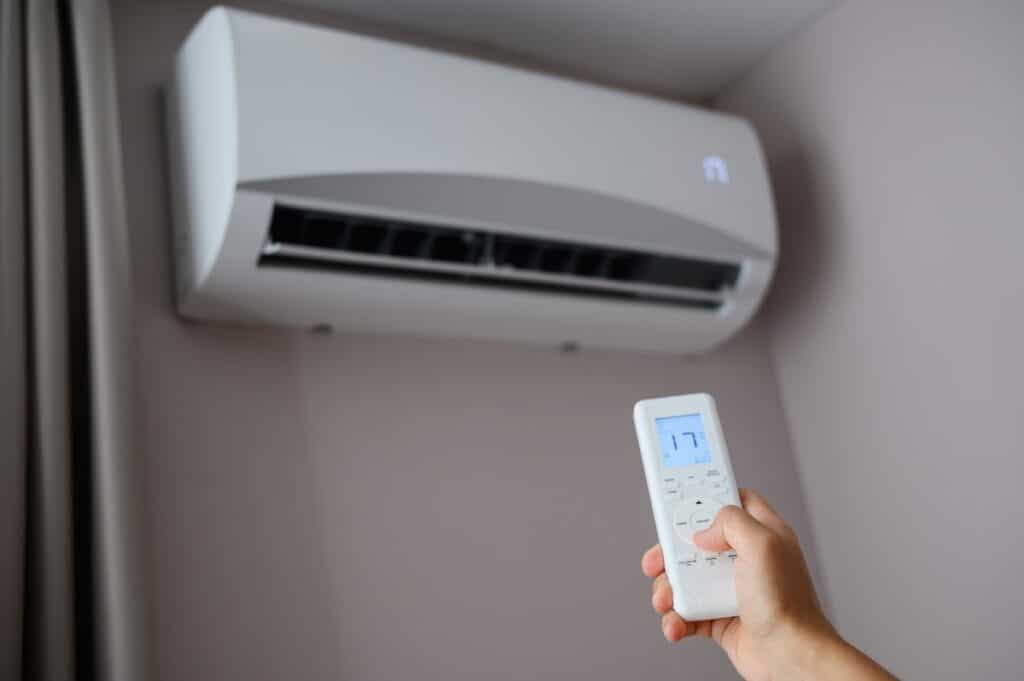
Young woman adjusts the temperature of the air conditioner using the remote control in room at home what is btu in ac

BTU stands for British Thermal Unit. It’s a standard measurement of energy, specifically the amount of energy needed to raise the temperature of one pound of water by one degree Fahrenheit.

When it comes to air conditioning, BTU measures the cooling capacity of your AC unit. The higher the BTU rating, the more cooling power your air conditioner has, allowing it to cool larger spaces efficiently.

How to Choose the Right BTU Size

Selecting an air conditioner with the proper BTU rating depends mostly on the size of your space and your local climate. Here’s how you can do it:

  • Measure your room to determine the square footage (e.g., length x width = total sq. ft) and match it with the appropriate BTU range:
    • 150-250 sq. ft: 6,000-8,000 BTUs
    • 250-350 sq. ft: 8,000-10,000 BTUs
    • 350-550 sq. ft: 10,000-12,000 BTUs
    • 550-800 sq. ft: 12,000-14,000 BTUs
  • Factor in ceiling height, as higher ceilings require more cooling power, and consider rooms with large windows or direct sunlight, which may need higher BTU ratings.
  • For kitchens or heat-producing spaces, opt for an AC unit with extra cooling capacity to offset the additional heat.

🔎 3 Reasons Why BTU Matters in Air Conditioning

AC units connected to the residential house what is btu in ac

Choosing the right BTU size for your AC system is crucial for both performance and efficiency. Here’s why:

1. Ensures Proper Cooling for Your Living Space

Choosing an air conditioning system with the correct BTU rating is essential for cooling your living space efficiently. A unit with too few BTUs will struggle to cool the area, leading to inconsistent temperatures and wasted energy. On the other hand, one with too many BTUs will cool the room too quickly, causing short cycling. Short cycling prevents proper dehumidification, resulting in uneven temperature distribution and discomfort. This inefficient process also increases how much energy your AC consumes, measured in kilowatt hours, driving up your energy bills. Using a BTU calculator can help you determine how many BTUs your square foot space requires, ensuring optimal cooling performance.

2. Impacts How Much Energy You Use

The size of your air conditioning system directly affects energy usage and costs. A system with too few BTUs will work harder, running longer and consuming excessive kilowatt hours to maintain a comfortable temperature. Conversely, an oversized unit with too many BTUs will frequently cycle on and off, wasting energy and increasing your bills. By accurately calculating how many BTUs your living space needs based on its square footage, you can reduce energy bills, optimize efficiency, and create a sustainable cooling solution. A BTU calculator is a helpful tool for determining the right size and avoiding unnecessary energy waste.

3. Extends the Lifespan of Your Air Conditioning System

Selecting the right air conditioning system size helps protect its components and extend its lifespan. A unit with too few BTUs will run continuously, causing excessive wear and tear, while one with too many BTUs will short cycle, leading to frequent repairs. Both scenarios shorten the system’s lifespan and increase maintenance costs. By using a BTU calculator to match the size of your AC to your living space’s square footage, you avoid unnecessary strain on the system, save energy, and keep your AC running efficiently for years. Proper sizing not only optimizes performance but also reduces long-term energy bills.

👉 Why Thelen Plumbing, Heating, and Air is the Trusted Team

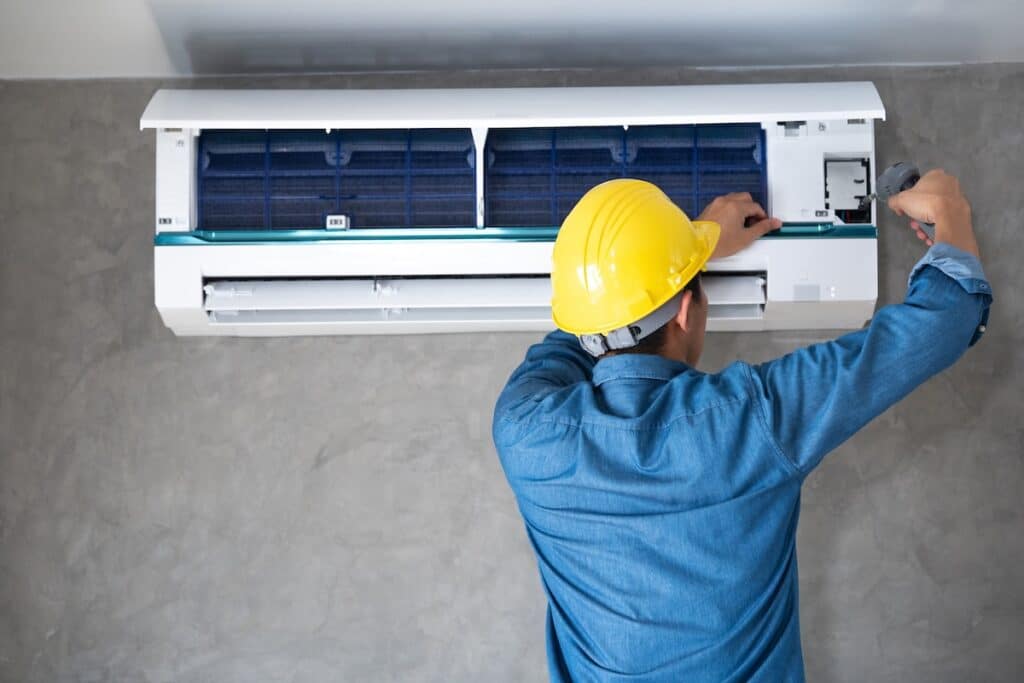
Technician man repairing ,cleaning and maintenance Air conditioner on the wall with screw driver in bedroom or office room.On site home service,Business ,Industrial concept.

Understanding and selecting the right BTU size for your home might seem daunting, but that’s where we come in. At Thelen Plumbing, Heating, and Air, we specialize in helping Twin Cities homeowners choose and install the perfect AC to meet their cooling needs.

Here’s what sets us apart:

Expertise You Can Count On

When it comes to your HVAC needs, you deserve professional service you can trust. Our certified technicians bring years of hands-on experience in sizing and installing energy-efficient HVAC systems. We take the time to assess your space, ensuring your AC unit is the perfect match for optimal performance and comfort. Every detail matters to us, from reducing your energy consumption to improving your indoor air quality, so you can enjoy a system designed to work seamlessly and save you money in the long run.

Lightning-Fast Turnaround

Don’t let a malfunctioning or outdated AC unit leave you sweating through the summer heat. Whether you’re upgrading an old system or installing a brand-new one, our team is committed to delivering prompt and reliable service. We work efficiently to minimize downtime while maintaining the highest standards of quality. With us, you’ll have a functional, high-performing system up and running in no time, so you can stay cool and comfortable without delay.

Budget-Friendly Solutions

Comfort and quality shouldn’t come with an overwhelming price tag. We believe everyone deserves access to energy-efficient and reliable HVAC systems without breaking the bank. That’s why we offer competitive pricing to ensure that premium service is affordable for all our customers. Plus, we provide transparent estimates with no hidden fees, so you can feel confident in choosing the best solution for your home or business.

🏠 BTU in AC Guide

Understanding BTUs is essential for choosing the right AC unit to keep your home comfortable and energy-efficient. At Thelen Plumbing, Heating, and Air, we take the guesswork out of the process with expert guidance tailored to your needs.

Whether you’re selecting the right BTU capacity, installing a new system, or maintaining your existing unit, our experienced team is here to provide dependable, professional service you can trust. Contact us today to schedule a consultation and let us help you create the perfect cooling solution for your home!

Split System HVAC: A Guide to Split Systems

When choosing the best HVAC system for your home, split systems often top the list for their efficiency and versatility. But what exactly is a split system HVAC, and how does it work? This guide unpacks everything you need to know about split systems, their components, benefits, and why they’re an excellent choice for many homes. What this guide covers:

  • What is a Split System HVAC?
  • Benefits of Split System HVACs
  • Choosing the Right Split System for Your Space

🤔 What is a Split System HVAC?

Man's hand holds air conditioner remote control and sets cooling temperature on split system to 17 degrees. Concept of air cooling in heat of room, climate control at home

A split system HVAC is one of the most common heating and cooling systems found in homes. True to its name, it is “split” into two main components. The indoor unit includes the air handler and evaporator coil, which are responsible for distributing cool or warm air inside.

The outdoor unit contains the compressor and condenser, which regulate and release heat outside. Split systems provide both heating and cooling, making them an excellent year-round solution for home comfort.

How Does a Split System Work?

Split system HVACs operate based on a heat exchange process. Here’s a step-by-step breakdown:

  • Cooling Mode: In summer, warm air is drawn from your home and passed through the evaporator coil. The refrigerant absorbs the heat and releases it outside via the outdoor unit, while cooled air circulates back inside.
  • Heating Mode: Modern split systems with heat pumps reverse the cooling process in winter, drawing heat from outside air and pumping it into your home for consistent warmth.

✅ 6 Benefits of Split System HVACs

Air Conditioner mini split system next to home with painted brick wall and space for text copy

Here’s why so many homeowners prefer split systems:

1. Cost-Effective Operation

Split systems are known for their energy efficiency, making them a cost-effective solution for heating and cooling your home. They use advanced technology to reduce energy consumption, which translates into significant savings on electricity bills when compared to older, less efficient HVAC systems. Additionally, split systems offer zoning capabilities, allowing you to control the temperature in individual rooms. This means you only use energy where it’s needed, avoiding waste and further reducing unnecessary energy use, making it both economical and eco-friendly.

2. Flexibility and Space-Saving Design

Split systems offer great flexibility thanks to their separated indoor and outdoor units, making them ideal for homes with limited space or unique layouts. The sleek indoor units are designed to fit seamlessly into any room, whether mounted on walls, ceilings, or floors. Because they don’t require extensive ductwork installations, split systems save valuable space and avoid disrupting the existing structure of your home. They are particularly suitable for apartments, small homes, or any property where space optimization is a priority.

3. Quiet Operation

No one wants a noisy HVAC system disrupting the peace and quiet of their home. Split systems are designed with noise reduction in mind, with the loudest components housed in the outdoor unit. This ensures that indoor spaces remain tranquil, creating a more comfortable and peaceful environment. Whether you’re working, relaxing, or sleeping, you’ll barely notice the operation of your split system, making it a great choice for those who value quiet living.

4. Customized Comfort with Zoning

One of the standout features of split systems is their ability to provide customized comfort through zoning. Unlike traditional HVAC systems, which cool or heat the entire house uniformly, split systems allow you to set different temperatures in different rooms or zones. This is especially beneficial for households where family members have varying comfort preferences. For example, you can keep the living room cool while maintaining a warmer temperature in the bedrooms, ensuring everyone is comfortable and happy.

5. Easy Installation

Installing a split system HVAC is far less invasive compared to ducted systems, making it an attractive option for many homeowners. Since these systems don’t rely on extensive ductwork, the installation is quicker, simpler, and more affordable. In most cases, the entire process can be completed within a single day. This makes split systems an ideal solution for retrofitting older homes, upgrading existing heating and cooling systems, or adding climate control to new areas without the need for major renovations.

6. Improved Air Quality

Split systems don’t just regulate the temperature—they also enhance indoor air quality. Equipped with advanced air filters, these systems help remove allergens, dust, bacteria, and other air pollutants from your indoor environment. This creates a healthier living space, particularly for households with individuals who suffer from allergies or respiratory conditions. By circulating clean, filtered air, split systems ensure your family breathes easier and stays healthier, all while keeping your home comfortable year-round.

👉 Choosing the Right Split System for Your Space

Air Conditioner And Heat Pump. Split HVAC System Unit

Not all split systems are created equal. Choosing the right system depends on a variety of factors:

Room Size

The size of the room plays a crucial role in determining the right air conditioning unit. Larger rooms require more powerful systems to maintain consistent temperatures throughout the space. Choosing an underpowered unit can lead to uneven cooling or heating, while an overpowered unit may waste energy and increase costs. Be sure to measure the room accurately and consider factors like ceiling height and insulation, as these can impact the system’s efficiency.

Energy Efficiency

Energy efficiency is key when selecting a system, as it directly affects your long-term running costs. Look for units with a high SEER (Seasonal Energy Efficiency Ratio) rating, which indicates better energy savings and reduced environmental impact. Higher efficiency systems may cost more upfront but can significantly lower your energy bills over time. Consider this an investment in both your comfort and your wallet.

Features

Modern air conditioning systems come with a variety of features designed to enhance comfort and usability. Look for options like smart connectivity, which allows you to control the unit via your phone or smart home system. Zoning capabilities are perfect for larger homes, letting you adjust temperatures for specific areas. Advanced filtration systems not only improve air quality but can also help reduce allergens, making these features essential for health-conscious buyers.

Climate

Your local climate is another critical factor to consider, especially if you’re choosing a system with a heat pump. Heat pumps in split systems can perform differently depending on the temperature range in your region. Some systems are designed to handle extreme cold or heat more efficiently, so it’s important to select one suited to your specific climate conditions. Be sure to research models that perform well in your area to ensure year-round comfort.

🏠 Split System HVAC

At Thelen Plumbing, Heating, and Air, we understand how important a reliable split system HVAC is for your home’s comfort. With our unmatched expertise, customer-focused solutions, and commitment to affordability, you can trust us to handle all your HVAC needs with care and precision.

Plus, with 24/7 emergency services, we’re always here when you need us most. Ready to upgrade your home’s heating and cooling system? Contact us today to schedule a consultation and experience the Thelen difference!

3 Reasons Your AC is Freezing Up & What To Do

An ac freezing up in the heat of summer is one of the most frustrating scenarios a homeowner can face. Beyond the discomfort of a warm home, it can lead to costly repairs if left unaddressed. But why does your AC freeze up, and more importantly, how can you fix it?

This blog will guide you through everything you need to know about an AC freezing up, including these key points below:

  • Signs your AC is about to freeze up
  • 3 common causes of an AC freezing up
  • Quick fixes to prevent AC freeze-ups

⚠️ Signs Your AC Is About to Freeze Up

asian woman turn on heater and feel warm in winter standing at home

Recognizing the early signs of an AC that’s about to freeze can save you time, money, and discomfort. Here are some common indicators to watch for:

  • Weak Airflow: If you notice reduced airflow from your vents, it could be a sign that something is obstructing the system, potentially leading to a freeze-up.
  • Unusual Noises: Strange hissing or bubbling sounds may indicate issues with refrigerant levels, which can contribute to ice buildup.
  • Warm Air Instead of Cold: If your AC starts blowing warm or lukewarm air, it may signal that the cooling process is being compromised by an impending freeze.
  • Visible Ice on Coils or Lines: Inspect your AC unit periodically—if you see frost or ice forming on the outdoor coils or refrigerant lines, freezing may already be occurring.
  • Higher Humidity Levels Indoors: A drop in the system’s cooling efficiency often leads to increased indoor humidity, which can hint at a pending freeze-up.

By catching these signs early, you can take action to address the issue before it escalates. Regular maintenance and prompt attention to potential problems can keep your AC running smoothly all season long.

👉 3 Common Causes of an AC Freezing Up

ac cooling air pipes covered by snow or frozen because of super performance of heavy duty central air conditioning system on the roof top in hot summer days

To tackle the issue, it’s essential to first understand the root causes. A frozen AC may look alarming, with an icy buildup on the unit, but it’s typically linked to one of these underlying problems:

1. Restricted Airflow

Blocked or reduced airflow is one of the most common reasons an air conditioner freezes up. When air cannot flow properly through the system, the evaporator coil can become too cold, leading to condensation that turns into ice. Restricted airflow can occur due to several factors:

  • Dirty air filters: Over time, air filters collect dust, debris, and other particles that block airflow. If the filter is clogged, the AC struggles to circulate air effectively, causing the coil temperature to drop below freezing.
  • Blocked vents or ducts: Furniture, curtains, or other objects obstructing vents can reduce airflow. Similarly, ducts clogged with dust or debris can disrupt the system, leading to uneven cooling and frozen components.
  • Fan issues: A malfunctioning fan may not circulate air properly, further contributing to restricted airflow.

Solution: Regular maintenance is key to preventing airflow problems. Check and replace air filters every 1–3 months, depending on usage and the environment (e.g., homes with pets might require more frequent changes). Inspect your vents and ensure they are open and unobstructed. If you suspect a fan issue, have it inspected and repaired by a professional technician.

2. Low Refrigerant Levels

Refrigerant is critical for the cooling process in air conditioners. It absorbs heat from the indoor air and releases it outside. However, low refrigerant levels can disrupt this process, causing the evaporator coil to become too cold and freeze over.

  • Refrigerant leaks: A common cause of low refrigerant is a leak in the system. Leaks can occur due to wear and tear, corrosion, or improper installation.
  • Signs of refrigerant issues: If your AC is struggling to cool your home, blowing warm air, or you hear a hissing or bubbling sound, there may be a refrigerant problem. Additionally, higher energy bills or uneven cooling can also point to a refrigerant issue.

Solution: Refrigerant problems should always be handled by a licensed HVAC professional. They will identify and repair any leaks, recharge the refrigerant to the proper levels, and ensure your system is working efficiently. Attempting to fix or add refrigerant yourself can be dangerous and may damage the AC unit further. Regular system inspections can help catch refrigerant issues early.

3. Thermostat Issues

The thermostat is the brain of your air conditioning system, controlling how often and how long it runs. If the thermostat malfunctions, it can lead to freezing problems by causing the AC to work harder than necessary.

  • Incorrect settings: Setting the thermostat too low can cause your system to overwork, leading to frozen coils. This is especially common in very humid conditions when frost can build up more quickly.
  • Malfunctioning thermostat: A thermostat that fails to shut off the AC at the right time can cause constant cooling, which overworks the system and allows freezing to occur. Older or outdated thermostats are more prone to such issues.
  • Inconsistent temperature readings: Some thermostats may not accurately read the indoor temperature, causing the AC to run longer than needed.

Solution: Regularly check your thermostat settings and ensure they align with your comfort needs without overburdening the AC. Consider upgrading to a programmable or smart thermostat, which allows you to set schedules and maintain more precise temperature control. If you suspect your thermostat is malfunctioning, have it inspected by a professional or replaced if necessary. A properly functioning thermostat will not only prevent freezing issues but also improve energy efficiency.

🛠️ Quick Fixes to Prevent AC Freeze-ups

close-up of Frozen or Ice in the air conditioning. Problems with home cooling systems are caused by leaks in heating pipes, hot and cool coils, air pressure, and chemicals.

Prevention is key to keeping your AC in optimal condition. Here are five easy steps you can follow to maintain a freeze-free system:

Keep Filters Clean

Air filters play a critical role in maintaining proper airflow and ensuring your HVAC system runs efficiently. Over time, filters can become clogged with dust, dirt, and debris, which restricts airflow and causes the system to work harder. Replace air filters every 1-3 months, depending on usage and the type of filter. This simple step not only improves efficiency but also enhances indoor air quality.

Schedule Routine Maintenance

Regular HVAC tune-ups are essential for keeping your system in top shape. Schedule biannual maintenance—once in the spring and once in the fall. During these tune-ups, a professional technician will inspect, clean, and optimize your system to ensure it operates at peak performance. Routine maintenance helps to identify and address potential issues early, saving you from costly repairs down the line.

Check Thermostat Settings

Your thermostat settings have a significant impact on energy efficiency and system performance. Set your thermostat to a reasonable temperature, such as 68°F in cooling mode or 72°F in heating mode, to prevent overloading the system. Consider using a programmable or smart thermostat to automate temperature adjustments based on your schedule, further improving efficiency and comfort.

Ensure Refrigerant Levels Are Adequate

Refrigerant is essential for your HVAC system to cool your home effectively. Low refrigerant levels can result in poor cooling performance and increased energy usage. Hire a certified technician to inspect refrigerant levels and check for leaks. Promptly addressing any refrigerant issues ensures optimal cooling and prevents damage to your system.

Inspect and Clean Coils

The coils in your HVAC system, both evaporator and condenser, can accumulate dirt and dust over time. Dirty coils reduce airflow and cooling efficiency, forcing the system to work harder to achieve the desired temperature. Schedule professional cleaning to keep the coils in good condition. Regular coil maintenance not only boosts efficiency but also extends the lifespan of your HVAC system.

❄️ Stay Cool and Problem-Free with Thelen

When your AC starts freezing up, it’s crucial to address the issue quickly to prevent further damage and discomfort. That’s where our team at Thelen Plumbing, Heating, and Air comes in. With years of experience, reliable service, and a commitment to your comfort, we’re the trusted professionals you can count on for all your HVAC needs.

From diagnosing the problem to providing efficient, long-lasting solutions, we’ll ensure your system is running smoothly in no time. Don’t let a frozen AC disrupt your summer—contact us today for a free inspection and let us keep your home cool and stress-free!

AC Compressor Replacement: How It Works

An AC compressor is a vital component of your air conditioning system. When it stops working, your AC unit can’t cool your home efficiently. To maintain a comfortable indoor environment, understanding the process of AC compressor replacement is essential. This guide outlines the key aspects of replacing an AC compressor, so you’re informed about every step of the process.

Here’s what we’ll cover:

  • What is an AC compressor and why does it fail?
  • Steps to replace an AC compressor
  • The importance of professional AC compressor replacement

🤔 What Is an AC Compressor and Why Does It Fail?

Electrical technician conditioning using manifold gauge measuring tool checking refrigerant pump filling home air conditioner and maintenance heat fix repair and clean outdoor air compressor unit.

The AC compressor acts as the heart of your air conditioning system. It compresses refrigerant gas and circulates it through the system to remove heat from your home. Unfortunately, wear and tear or other issues can cause the compressor to fail over time.

Signs You May Need an AC Compressor Replacement

Before considering a replacement, you’ll want to identify signs that indicate your compressor might be failing. Look out for the following:

  • Poor Cooling Performance: If your home isn’t cooling evenly, the compressor might not be maintaining proper pressure.
  • Loud Noises: Clanking, rumbling, or banging sounds can indicate a mechanical failure.
  • Warm Air from Vents: If your system blows warm air despite being set to cooling, it’s a red flag.
  • Frequent Tripping of Circuit Breaker: Faulty compressors often cause electrical issues.
  • Refrigerant Leaks: Puddles of refrigerant or frost build-up on components are telltale signs.

✅ 7 Steps to Replace an AC Compressor

Worker inspecting the outdoor unit

Replacing an AC compressor involves technical expertise. While it’s not a DIY-friendly task, understanding the process will help you feel confident hiring the right HVAC expert.

Here’s an overview of the steps involved:

1. Diagnosing the Problem

The first step in repairing an HVAC compressor is to identify the root cause of the issue. An experienced technician will thoroughly inspect the entire system, checking for signs of wear, damage, or malfunction. This may include testing electrical components, observing the compressor’s behavior, and listening for unusual noises. The goal is to confirm whether the compressor itself is the problem or if another part of the system is causing the failure. By accurately diagnosing the issue, the technician can determine the best course of action, whether it’s repairing, replacing, or addressing other related components.

2. Switching Off the System

Safety is a top priority during any HVAC repair. Before beginning work, the technician will turn off the power supply to the system to prevent electrical hazards. This step is crucial to avoid accidental shocks or injuries during the repair process. They will also verify that the system is completely powered down by checking electrical connections and ensuring there’s no residual current flowing through the unit. This precaution ensures a safe working environment for both the technician and the equipment.

3. Removing Refrigerant

HVAC compressors contain refrigerant, a substance essential for cooling but subject to strict environmental regulations. The technician will use specialized tools to safely remove and recover the refrigerant from the system, ensuring it is not released into the atmosphere. This step requires precision and adherence to legal guidelines to minimize environmental impact and avoid penalties. Proper containment of the refrigerant also ensures it can be reused or disposed of responsibly. Once the refrigerant is evacuated, the technician can proceed with disassembling the compressor.

4. Disconnecting the Old Compressor

Once the refrigerant has been removed, the technician will carefully disconnect the faulty compressor. This involves detaching the refrigerant lines, electrical wiring, and mounting brackets. Each connection is handled with care to prevent damage to surrounding components. The technician will also inspect the disconnected parts to ensure they are in good condition and compatible with the new compressor. This process can be time-consuming, as precision is required to avoid leaks, electrical faults, or other issues when the new compressor is installed.

5. Installing the New Compressor

With the old compressor removed, the new compressor is installed in its place. The technician will secure it to the mounting brackets, ensuring it is positioned correctly and firmly in place. Next, the refrigerant lines are reconnected, and electrical wiring is carefully attached according to the manufacturer’s specifications. Every connection is double-checked to ensure it is secure and functional. Proper installation is critical for the system to operate efficiently and safely. The technician will also inspect the surrounding components to ensure they are compatible and in optimal condition for use with the new compressor.

6. Refilling Refrigerant

After the new compressor is installed, the system must be refilled with refrigerant to restore its cooling capacity. The technician will use the correct type and amount of refrigerant as specified by the manufacturer. This step involves adding refrigerant slowly and precisely to ensure the system is balanced and operates at peak efficiency. Once the refrigerant is refilled, the technician will check for any leaks in the lines or connections. Proper refilling is essential to avoid overcharging or undercharging the system, both of which can affect performance and longevity.

7. Testing the System

The final step is to test the repaired HVAC system to ensure everything is functioning correctly. The technician will power up the system and closely monitor its operation, checking for proper cooling performance, noise levels, and overall efficiency. They will also verify that the refrigerant pressure is within the recommended range and that there are no leaks or electrical issues. This thorough testing process ensures that the system is ready for normal operation and will provide reliable performance moving forward. Once the tests are complete, the repair is finalized, and the system is ready to keep your space comfortable.

👨‍🔧 The Importance of Professional AC Compressor Replacement

Selective focus of Air conditioner compressor, Repairman washing dirty compartments air conditioner, Male technician cleaning air conditioner indoors ac compressor replacement

Replacing an AC compressor isn’t just about swapping out a part. It’s a complex process that requires specialized tools and expertise. Attempting it yourself can lead to further damage or safety hazards. Here’s why working with a professional matters:

Accurate Diagnosis

Certified technicians are trained to identify the root cause of system issues. They ensure the compressor is truly at fault before proceeding with a replacement, avoiding unnecessary repairs and saving you time and money. An accurate diagnosis prevents future complications and ensures the job is done right the first time.

Safety Measures

Replacing a compressor involves handling refrigerants, electrical components, and high-pressure systems—all of which require strict compliance with safety regulations. Professionals follow these guidelines to protect both you and your equipment, minimizing risks of accidents or damage during the process.

Warranty Compliance

Many manufacturers require compressor replacements to be performed by certified technicians to maintain warranty validity. Attempting repairs yourself or hiring unqualified personnel can void the warranty, leaving you without coverage for future issues. Certified professionals ensure your warranty stays intact.

Efficient Work

Time is valuable, and professional technicians understand the importance of getting your system back up and running quickly. Their expertise and tools allow them to complete the job efficiently, minimizing downtime and restoring your system without unnecessary delays.

🏡 AC Compressor Replacement

Choosing the right team for your AC compressor replacement is crucial to ensuring your system runs efficiently and reliably. At Thelen Plumbing, Heating, and Air, we’re committed to delivering exceptional service with expertise you can trust. Our licensed technicians, fast response times, and fair pricing make us the go-to choice for HVAC solutions in Minneapolis and the Twin Cities Metro.

Whether it’s a routine repair or an emergency fix, we’re here to keep your home comfortable year-round. Contact us today to schedule your service and experience the difference of working with a team that puts your needs first!

Schedule Service

"*" indicates required fields

This field is for validation purposes and should be left unchanged.