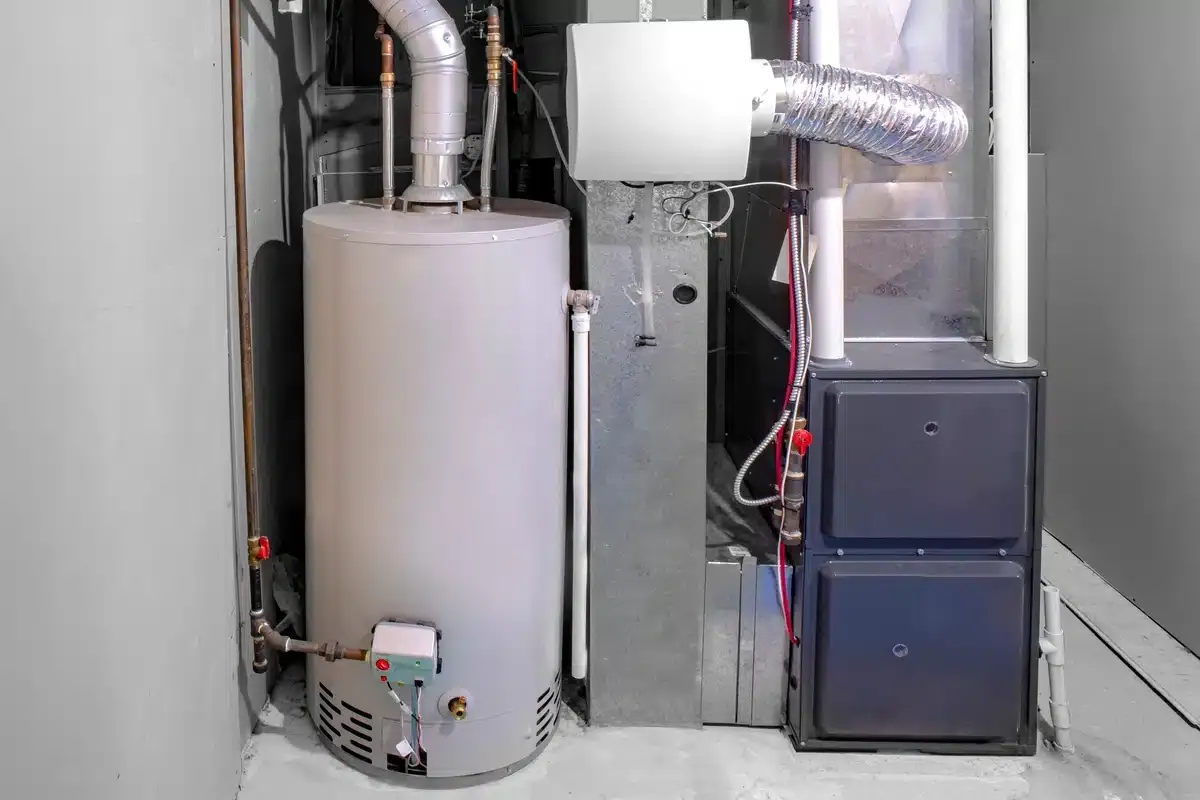
furnace installation-direct view of furnace system in basement furnace installation-direct view of furnace system in basement

Furnace Installation Process Explained In 7 Steps

A furnace is an essential part of any home, especially during those cold winter months. But the installation process can be complex, and making mistakes can lead to inefficiency or even safety hazards. Installing a new furnace in your home can seem like a daunting task, but it doesn’t have to be. Whether you’re a homeowner looking to upgrade your heating system or an HVAC professional seeking to refine your installation techniques, understanding the furnace installation process is crucial. In this guide, we’ll break down the furnace installation process into easy-to-understand steps, including:

  • Choosing the Right Furnace
  • Preparing for Installation
  • Removing the Old Furnace
  • Installing the New Furnace
  • Connecting the Furnace
  • Testing the System
  • Maintenance Tips

7 Steps to Installing a Furnace

furnace installation-furnace system on concrete floor

This comprehensive approach breaks down the task into seven manageable steps, allowing you to understand the process thoroughly and feel confident in the installation. By following these steps, you can effectively navigate the challenges of furnace installation while prioritizing safety and performance.

1. Choosing the Right Furnace 🤔

Selecting the right furnace is a crucial decision for ensuring optimal home comfort and energy efficiency. In this section, we’ll explore the key factors to consider when choosing a furnace, including types, efficiency ratings, and sizing requirements. Understanding these elements will help you make an informed choice that meets your heating needs.

  • Understanding Your Heating Needs: Before you even think about installing a furnace, it’s important to understand your heating needs.
    • Factors such as the size of your home, the local climate, and your budget all play a role in determining the best furnace for you. For instance, a larger home will require a furnace with a higher BTU rating to ensure even heating.
  • Types of Furnaces: There are various types of furnaces to choose from, including gas, electric, and oil furnaces.
    • Each type has its pros and cons: Gas furnaces are the most common and are known for their efficiency. Electric furnaces are easier to install but can be more expensive to operate. Oil furnaces are less common but can be a good option in areas without natural gas service.
  • Energy Efficiency Ratings: Energy efficiency is another crucial factor to consider. Look for furnaces with a high Annual Fuel Utilization Efficiency (AFUE) rating. The higher the AFUE, the more efficient the furnace.
    • An efficient furnace can save you money on energy bills and reduce your carbon footprint.

2. Preparing for Installation 👇

Before you begin the installation process, it’s essential to ensure all necessary preparations are in place. This section will guide you through the steps required to set up a smooth and efficient installation.

  • Gathering Necessary Tools and Materials: Before you begin the installation, make sure you have all the necessary tools and materials. This includes wrenches, screwdrivers, a tape measure, and safety equipment like gloves and goggles. Having everything ready beforehand can save you time and stress during the installation process.
  • Ensuring Proper Ventilation: Proper ventilation is crucial for the safe operation of a furnace. Ensure that the installation area has adequate ventilation to prevent the buildup of harmful gases like carbon monoxide. This may involve installing new venting systems or upgrading existing ones.
  • Checking Local Codes and Regulations: Different regions have different building codes and regulations for furnace installation. Make sure to check your local codes to ensure your installation complies with all safety and efficiency standards. This may involve obtaining permits or scheduling inspections.

3. Removing the Old Furnace 🗑️

Before installing a new heating system, it’s important to properly remove the old furnace. This section will guide you through the steps needed to safely and efficiently dismantle and dispose of your outdated unit.

  • Safely Disconnecting the Old Unit: The first step in removing the old furnace is to safely disconnect it from the power source. Turn off the gas and electricity supply to the furnace to prevent any accidents. Use wrenches to disconnect the gas line and remove any electrical connections.
  • Proper Disposal: Disposing of the old furnace properly is important for both environmental and legal reasons. Many local municipalities have specific guidelines for disposing of old heating equipment. Some HVAC companies offer removal services as part of their installation package, making this step easier for homeowners.
  • Cleaning the Installation Area: Once the old furnace is removed, take the time to clean the installation area thoroughly. Remove any debris, dust, or old ductwork to ensure a smooth installation for the new furnace. A clean workspace can also help identify any potential issues that may arise during installation.

4. Installing the New Furnace 🛠️

furnace installation-person's hand replacing a furnace filter

Installing a new furnace can significantly improve your home’s heating efficiency and comfort. This section will guide you through the key steps and considerations to ensure a successful installation. Let’s get started with everything you need to know!

  • Positioning the Furnace: Carefully position the new furnace in the designated installation area. Make sure it is level and secure to prevent any operational issues. Use shims if necessary to achieve a level position.
  • Securing the Unit: Once the furnace is in place, secure it to the floor or platform using bolts or screws. This will keep the furnace stable and reduce vibration during operation. A secured unit also minimizes the risk of damage or displacement.
  • Connecting the Ductwork: Connect the existing ductwork to the new furnace. Ensure that all connections are airtight to maximize efficiency and prevent leaks. Use metal tape or duct sealant to secure the connections and check for any loose or damaged sections of ductwork.

5. Connecting the Furnace 🔌

In this section, we’ll guide you through the process of connecting the furnace. It’s crucial to ensure all connections are secure and properly aligned to guarantee efficient operation. Follow these steps carefully to avoid any potential issues.

  • Electrical Connections: Reconnect the electrical supply to the new furnace. Follow the manufacturer’s instructions carefully to ensure all connections are made correctly. Double-check all wiring to prevent electrical faults or hazards.
  • Gas Line Connection: If you are installing a gas furnace, reconnect the gas line. Use a wrench to secure the connection and check for any gas leaks using a soapy water solution. If bubbles form, tighten the connection and recheck.
  • Thermostat Setup: Connect the furnace to the thermostat. This involves wiring the thermostat to the furnace’s control board. Follow the manufacturer’s instructions for the specific model of your thermostat to ensure proper setup.

6. Testing the System 👉

furnace installation-hand adjusting the dial of a thermostat

Ensuring your furnace system is functioning properly is crucial for maintaining a comfortable and safe home environment. In this section, we will guide you through the necessary steps to test and evaluate the efficiency and performance of your furnace. Regular testing can help identify potential issues early on, preventing costly repairs and ensuring optimal operation.

  • Initial Power-Up: Turn on the power supply and set the thermostat to a high temperature to initiate the furnace. Listen for any unusual noises and check all connections to ensure everything is operating smoothly.
  • Checking for Leaks: Check all gas and duct connections for leaks. Use a soapy water solution on gas lines and inspect ductwork for any air leaks. Address any issues immediately to ensure the system operates efficiently and safely.
  • Verifying Efficiency: Monitor the furnace’s performance for the first few hours of operation. Check the airflow, temperature, and overall efficiency. Make any necessary adjustments to optimize the system’s performance.

7. Maintenance Tips 💡

Maintaining your furnace is crucial for ensuring its longevity and efficiency. In this section, we’ll provide essential tips to keep your furnace running smoothly and safely. Proper maintenance can save you money on repairs and keep your home warm all winter long.

  • Regular Inspections: To keep your furnace running efficiently, schedule regular inspections. This includes checking filters, ductwork, and electrical connections. Regular maintenance can prevent costly repairs and extend the life of your furnace.
  • Filter Replacement: Change the furnace filter every 1-3 months, depending on the manufacturer’s recommendations. A clean filter improves airflow and efficiency, reducing the strain on your furnace.
  • Professional Maintenance: Consider scheduling annual maintenance with a professional HVAC technician. They can perform a thorough inspection, cleaning, and tune-up to ensure your furnace operates at peak performance.

🙌 Ensuring Home Comfort with Thelen Plumbing, Heating, and Air

Installing a furnace is a complex process, but understanding each step can make it more manageable. From choosing the right furnace to ensuring it operates efficiently, this guide covers everything you need to know. For homeowners, this means a warm and comfortable home, and for HVAC professionals, it means providing top-notch service to your clients.

At Thelen Plumbing, Heating, and Air, we pride ourselves on our expertise and customer-focused approach. Whether you’re installing a new furnace or maintaining an existing one, our team is here to help. Contact us today to learn more about our services and how we can assist with your home comfort needs.
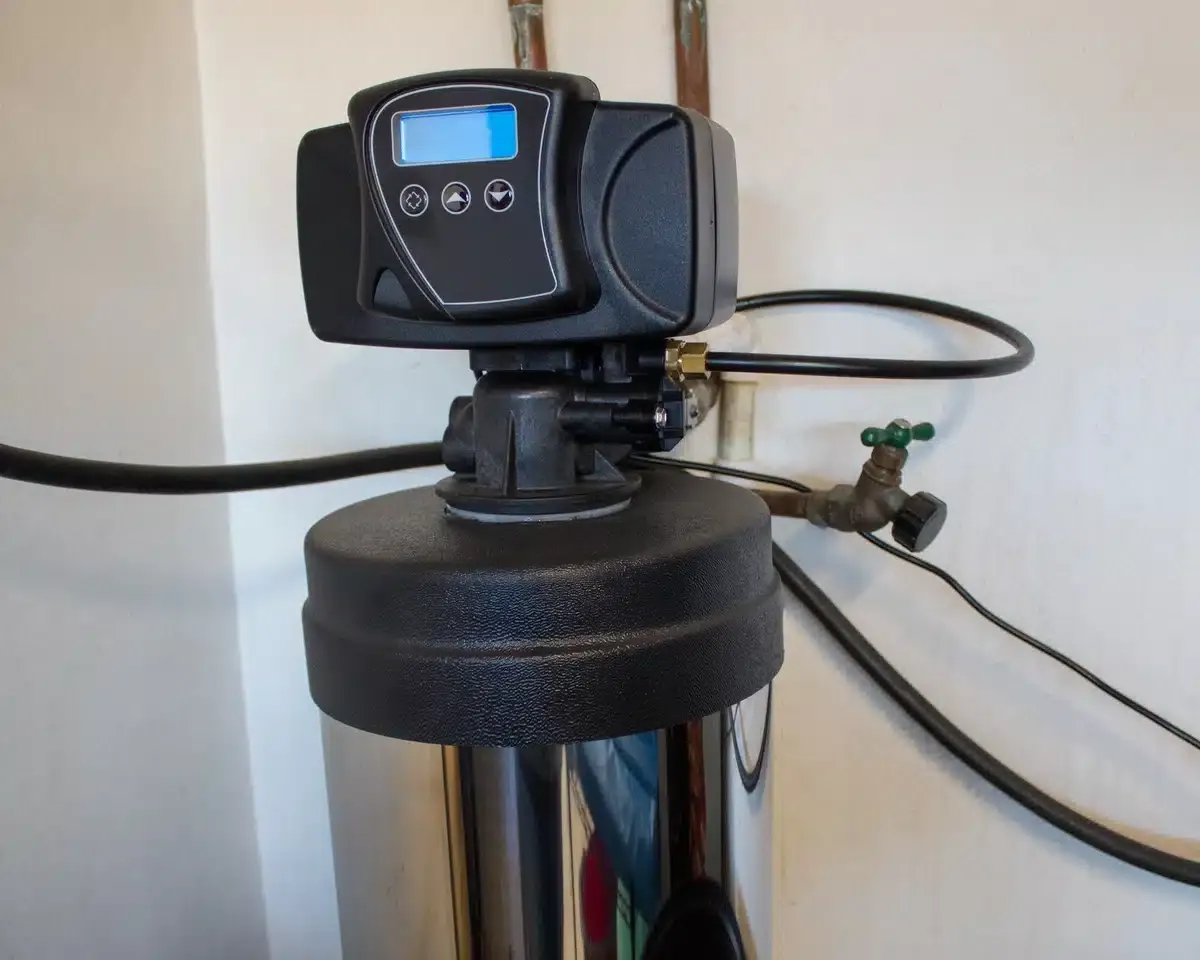
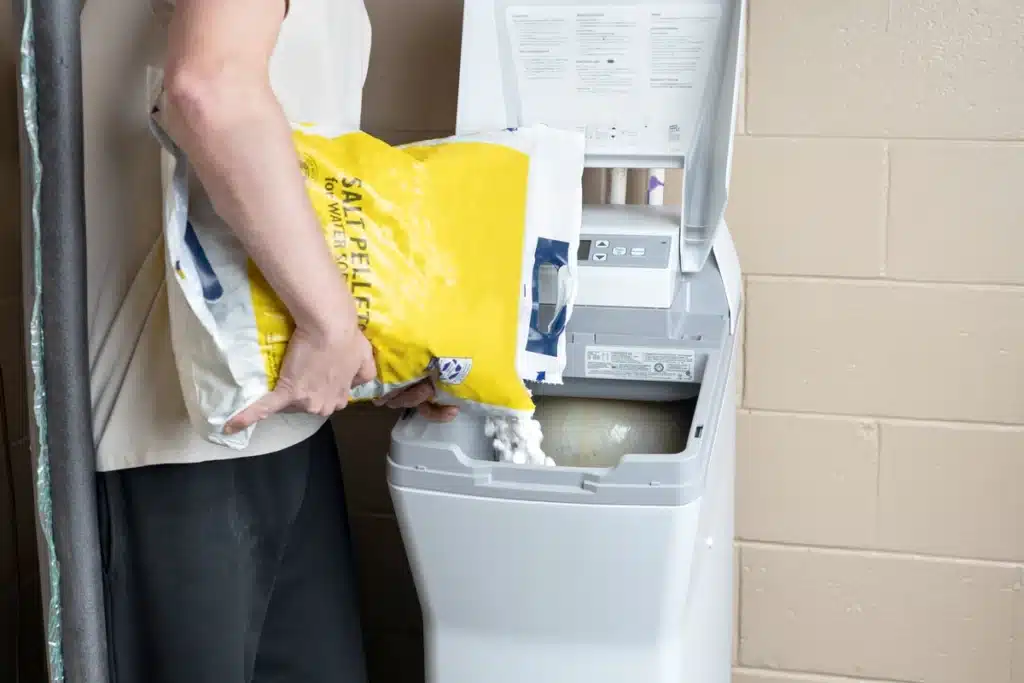
Fleck 5600SXT Water Softener Fleck 5600SXT Water Softener

10 Best Water Softener Systems (2024)

Water softener systems play a crucial role in ensuring the quality of water in homes, especially in areas with hard water. Hard water, which contains high levels of minerals like calcium and magnesium, can lead to various issues such as scale buildup in pipes, appliances, and even on skin and hair. To combat these problems, many homeowners turn to water softeners, devices designed to remove or reduce these minerals from the water supply.

In 2024, the market for water softener systems offers a variety of options, each catering to different needs and preferences. Choosing the right water softener system involves considering factors like water hardness levels, household size, budget, and installation requirements. To help you make an informed decision, we’ve compiled a list of some of the best water softener systems available this year, including:

  • Fleck 5600SXT Water Softener
  • Eddy Electronic Water Descaler
  • SpringWell FutureSoft Salt-Free Water Softener
  • Aquasana Whole House Water Filter and Salt-Free Softener
  • Pelican NaturSoft Salt-Free Water Softener
  • APEC Water Systems FUTURA-15 Salt-Free Water Conditioner
  • GE Appliances GXSH40V Water Softener
  • WaterBoss 220 Water Softener
  • Morton M30 Water Softener
  • Culligan High Efficiency Water Softener
GE Appliances GXSH40V Water Softener

💡 10 Of The Best Water Softener Systems in 2024

Selecting the ideal water softener system can be daunting with so many choices available. To help you make an informed decision, we have compiled a list of the top 10 water softener systems for 2024, each distinguished by its efficiency, features, and value for money.

1. Fleck 5600SXT Water Softener

The Fleck 5600SXT is a popular choice known for its reliability and efficiency. It uses ion exchange technology to remove hardness minerals from water effectively.

Key features:

  • Programmable system
  • Digital control panel for easy operation and monitoring
  • Suitable for medium to large households
  • Customizable settings to optimize water softening based on specific water conditions

2. Eddy Electronic Water Descaler

Unlike traditional salt-based water softeners, the Eddy Electronic Water Descaler operates without salt or chemicals. Instead, it uses electromagnetic waves to alter the structure of minerals in water, preventing them from causing scale buildup. This system is easy to install and requires no ongoing maintenance, making it a cost-effective and environmentally friendly option for those looking to avoid salt-based softeners.

3. SpringWell FutureSoft Salt-Free Water Softener

SpringWell’s FutureSoft system employs Template Assisted Crystallization (TAC) technology to neutralize hard minerals without using salt. It prevents scale formation and protects appliances and plumbing systems while preserving beneficial minerals in water. This system is ideal for those concerned about sodium intake or looking for a maintenance-free solution.

4. Aquasana Whole House Water Filter and Salt-Free Softener

Combining filtration and softening capabilities, the Aquasana Whole House Water Filter and Salt-Free Softener effectively removes contaminants and reduces scale buildup. It features a dual-tank design for optimal water treatment and is NSF certified to ensure water quality and safety. This system is suitable for households looking to improve both water softness and overall water quality.

5. Pelican NaturSoft Salt-Free Water Softener

The Pelican NaturSoft system utilizes a natural softening process that prevents scale buildup without the use of salt or chemicals. It employs a unique filtration media that transforms calcium ions into crystals, which are then flushed away harmlessly. This system is low-maintenance and eco-friendly, making it a great choice for environmentally conscious homeowners.

6. APEC Water Systems FUTURA-15 Salt-Free Water Conditioner

APEC’s FUTURA-15 Water Conditioner is designed to prevent scale formation and protect plumbing systems using salt-free technology. It’s compact, easy to install, and requires no electricity or drainage, making it suitable for smaller households or those with limited installation space. This conditioner is effective in reducing scale buildup and extending the lifespan of appliances.

7. GE Appliances GXSH40V Water Softener

Known for its reliability and performance, the GE Appliances GXSH40V Water Softener is designed to remove hardness minerals efficiently. It features customizable settings and a smart water softening system that adapts to household water usage patterns. This system also includes a recharge notification and low salt indicator for convenient maintenance.

8. WaterBoss 220 Water Softener

The WaterBoss 220 is a compact and efficient water softener suitable for smaller households. It uses a built-in self-cleaning filter and salt-saving technology to reduce maintenance and operating costs. This system is designed to handle high water hardness levels and provides softened water on demand without excessive salt usage.

9. Morton M30 Water Softener

Morton’s M30 Water Softener combines efficiency with user-friendly features. It utilizes demand-initiated regeneration to optimize salt and water usage based on household water consumption. This system is compact and can be installed in tight spaces, making it ideal for apartments or smaller homes where space is limited.

10. Culligan High Efficiency Water Softener

Culligan’s High Efficiency Water Softener is designed to deliver softened water efficiently while minimizing salt and water consumption. It features smart sensor technology that adjusts to water usage patterns, ensuring optimal performance and efficiency. This system is backed by Culligan’s reputation for quality and customer service, making it a reliable choice for homeowners.

best water softener systems-water softener salt

🙌 How to Choose the Best Water Softener System for Your Home: Expert Tips from Thelen Plumbing, Heating, and Air

Choosing the best water softener system for your home involves considering factors like water hardness levels, household size, budget, and preferences for salt-based or salt-free solutions. At Thelen Plumbing, Heating, and Air, we understand these complexities and offer a range of top-rated options for 2024, each with unique features to meet your specific water softening needs. Our expert team prioritizes efficiency, environmental impact, and low maintenance to ensure you get the best solution for your home. Trust Thelen Plumbing, Heating, and Air for your water filtration needs and experience enhanced water quality. Contact us today to find the perfect system for you!

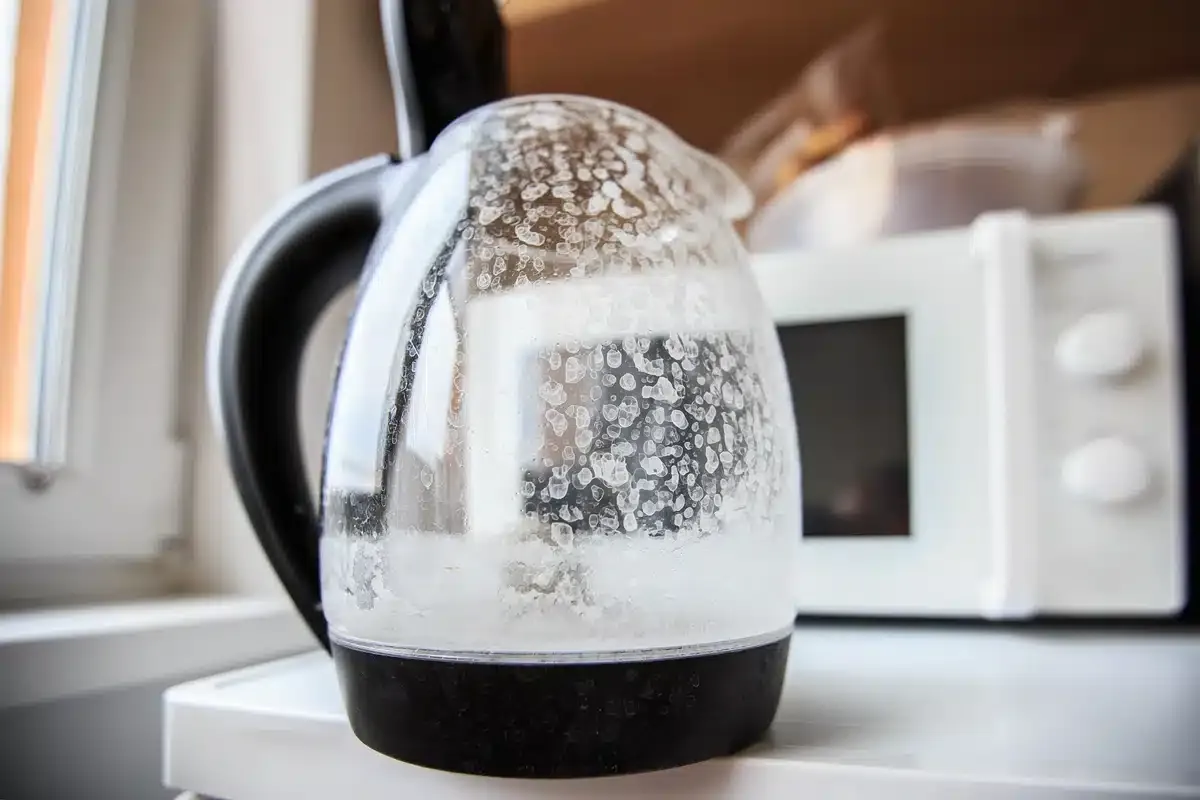
how-to-test-water-hardness-hard-water-deposits-on-kitchen-appliance how-to-test-water-hardness-hard-water-deposits-on-kitchen-appliance

How to Test Water Hardness (DIY Guide)

Water hardness is a common concern for many homeowners. Hard water contains high levels of dissolved minerals, particularly calcium and magnesium, which can cause a range of issues in your home, from soap scum buildup to scale deposits in pipes and appliances. Testing your water’s hardness is the first step toward addressing these issues. In this comprehensive DIY guide, we will explore how to test water hardness, explain the importance of understanding your water quality, and more, including:

  • Understanding water hardness
  • Why test for water hardness
  • 4 Methods to Test Water Hardness
  • 3 Steps For Managing Hard Water

🤔 Understanding Water Hardness

how to test water hardness-hard water stains on shower glass in the bathroom

Water hardness is typically measured in grains per gallon (GPG) or milligrams per liter (mg/L), which is equivalent to parts per million (ppm). Water is considered hard if it contains more than 60 mg/L (3.5 GPG) of calcium carbonate.

  • Soft Water: 0-60 mg/L (0-3.5 GPG)
  • Moderately Hard Water: 61-120 mg/L (3.6-7.0 GPG)
  • Hard Water: 121-180 mg/L (7.1-10.5 GPG)
  • Very Hard Water: Over 180 mg/L (10.6 GPG)

💡 Why Test for Water Hardness?

Knowing the hardness of your water can help you make informed decisions about water treatment and maintenance for your home. Hard water can:

  • Affect Appliance Efficiency: Scale buildup in water heaters, dishwashers, and washing machines can reduce their efficiency and lifespan.
  • Increase Energy Bills: Scale buildup in water heaters requires more energy to heat water, increasing energy consumption and bills.
  • Cause Plumbing Issues: Scale can clog pipes, reducing water flow and leading to costly plumbing repairs.
  • Impact Cleaning: Hard water makes it difficult to form a lather with soap, leading to soap scum and requiring more cleaning products.
  • Affect Skin and Hair: Hard water can leave skin feeling dry and hair looking dull.

💧 4 Methods to Test Water Hardness

There are several methods to test water hardness, ranging from simple DIY techniques to more accurate test kits. Here are the most common methods:

1. Soap Test

The soap test is a simple and cost-effective way to get an approximate idea of your water hardness.

Materials Needed:

  • A clear, empty bottle with a cap
  • Liquid dish soap (without additives like moisturizers or fragrances)
  • Tap water

Instructions:

  • Fill the bottle one-third full with tap water.
  • Add 10 drops of liquid dish soap.
  • Cap the bottle and shake vigorously for 10 seconds.
  • Observe the results:
    • Soft Water: If the water forms a lot of suds and the water beneath the suds is clear, your water is likely soft.
    • Hard Water: If there are few suds and the water appears cloudy or milky, your water is likely hard.

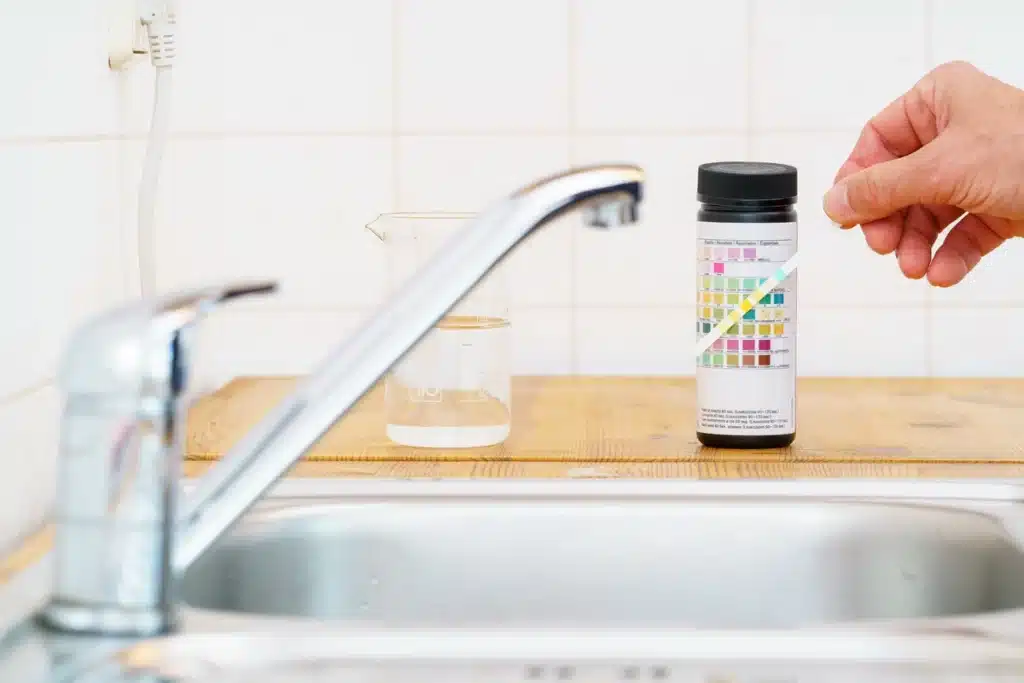
2. Hard Water Test Strips

Test strips are an easy and relatively accurate method to measure water hardness. These strips are available at most hardware stores or online.

Materials Needed:

  • Hard water test strips
  • Tap water
  • A glass or container

Instructions:

  • Fill a glass or container with tap water.
  • Dip a test strip into the water and remove it immediately.
  • Wait for the specified time (usually a few seconds) as indicated on the test strip packaging.
  • Compare the color of the test strip to the color chart provided with the strips to determine the hardness level.

3. Digital Water Hardness Meters

Digital water hardness meters provide a quick and accurate measurement of water hardness.

Materials Needed:

  • Digital water hardness meter
  • Tap water
  • A glass or container

Instructions:

  • Fill a glass or container with tap water.
  • Turn on the digital meter and immerse the sensor end into the water.
  • Wait for the meter to display the reading.
  • The meter will show the hardness level in ppm or GPG.

4. Titration Kits

Titration kits are a bit more involved but provide a highly accurate measurement of water hardness.

Materials Needed:

  • Water hardness titration kit (includes reagent, test container, and color chart)
  • Tap water

Instructions:

  • Fill the test container with a specified amount of tap water (usually indicated in the kit instructions).
  • Add a specified number of drops of the reagent to the water.
  • Swirl the container gently after each drop.
  • Count the number of drops until the water changes color (usually from red to blue).
  • The number of drops indicates the hardness level, usually in GPG or ppm.

👉 3 Steps For Managing Hard Water

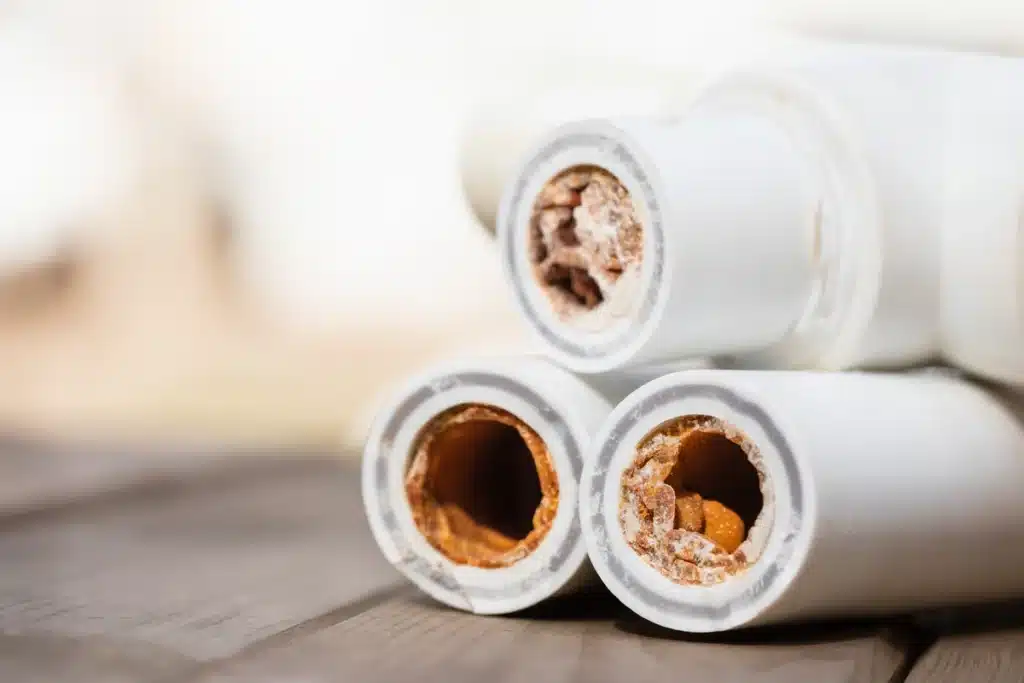
plumbing issue because of limescale

Once you’ve determined your water hardness level, you can take steps to manage and treat hard water in your home.

1. Water Softeners

Water softeners are the most effective way to treat hard water. They work by exchanging calcium and magnesium ions with sodium or potassium ions.

Types of Water Softeners:

  • Salt-Based Water Softeners: Use sodium chloride or potassium chloride to soften water. They require regular maintenance and replenishment of salt.
  • Salt-Free Water Softeners: Use a physical process called template-assisted crystallization to prevent scale buildup. They do not remove minerals but alter their form to prevent deposits.

Benefits:

  • Improved appliance efficiency and lifespan
  • Reduced energy bills
  • Softer skin and hair
  • Less soap scum and easier cleaning

2. Descaling Agents

Descaling agents can help remove existing scale buildup in appliances and plumbing.

Types of Descaling Agents:

  • Chemical Descalers: Use acids to dissolve scale. These are effective but require careful handling.
  • Electronic Descalers: Use electromagnetic waves to alter the properties of minerals, preventing scale buildup without removing minerals.

Benefits:

  • Prevents further scale buildup
  • Can extend the life of appliances
  • May reduce energy consumption

3. Regular Maintenance

Regular maintenance can help manage the effects of hard water.

Tips for Regular Maintenance:

  • Clean Appliances: Regularly clean appliances like dishwashers and washing machines to remove scale buildup.
  • Use Vinegar: Run a vinegar solution through coffee makers, kettles, and other small appliances to dissolve scale.
  • Install Faucet Aerators: Faucet aerators can help reduce water flow and prevent scale buildup.

🙌 Comprehensive Water Hardness Testing and Solutions by Thelen Plumbing, Heating, and Air

Testing your water hardness is crucial for maintaining your home’s efficiency, cutting down energy bills, and improving water quality. At Thelen Plumbing, Heating, and Air, our experienced team is dedicated to helping you with all your water filtration needs. We offer a range of services from simple soap tests to precise digital meters, ensuring you accurately determine your water’s hardness level.

Once we identify the hardness level, our experts provide tailored solutions to manage and treat hard water effectively. By partnering with us, you protect your plumbing system, extend the life of your appliances, and enjoy the benefits of softer water.

Whether you need a water softener installation, descaling agents, or regular maintenance, trust Thelen Plumbing, Heating, and Air to enhance your home’s comfort and efficiency. Contact us today for a consultation and take the first step towards a better home water experience!

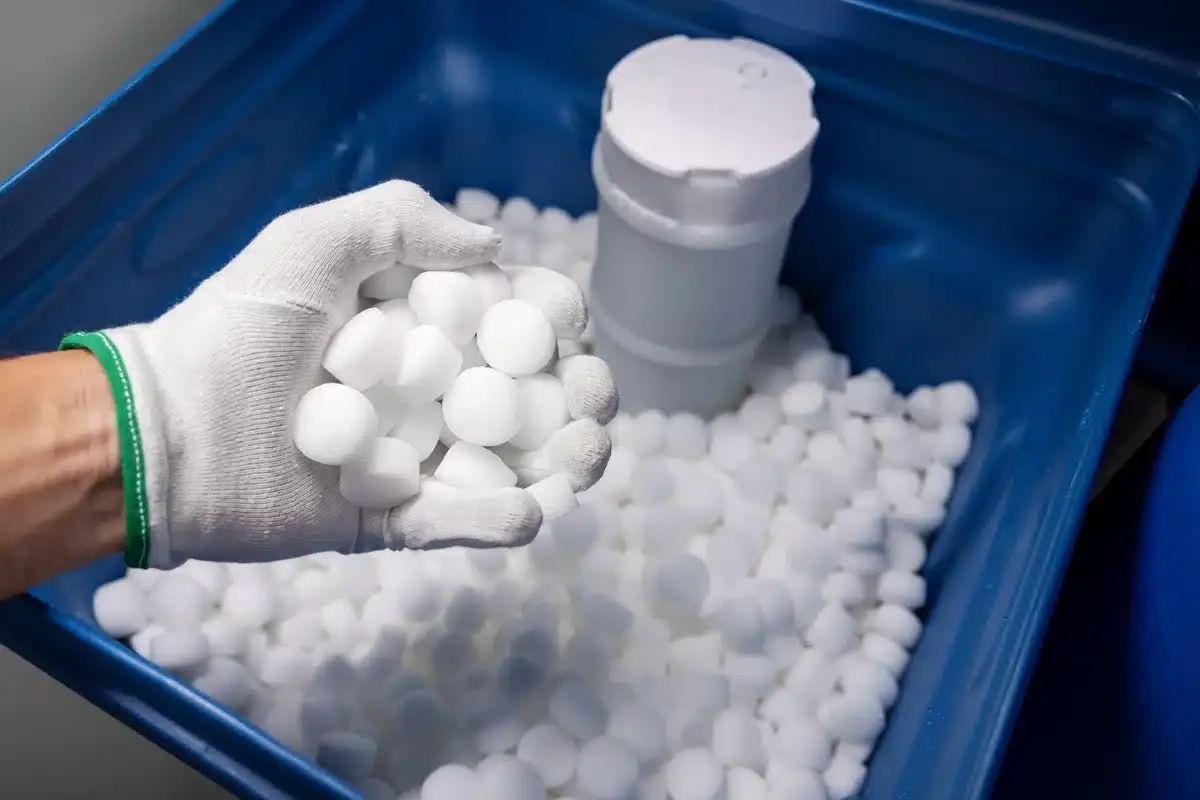
water softener system cost-gloved hand holding a handful of water softener tablets water softener system cost-gloved hand holding a handful of water softener tablets

Water Softener System Cost: What to Expect in 2024

Understanding the cost of installing and maintaining a water softener system is crucial for homeowners planning to address hard water issues. As we move into 2024, various factors like technology advancements, installation fees, and regular maintenance costs will influence your water softener system cost factors. Whether you’re dealing with limescale build-up or simply want softer water for your household, this comprehensive guide will help you navigate what to expect financially, including these sections:

  • Understanding water softener systems
  • 4 factors influencing water softener costs
  • 4 long-term savings with water softeners
  • DIY installation vs. professional installation
  • Water softener maintenance costs
  • Choosing the right water softener system for your home

🤔 Understanding Water Softener Systems

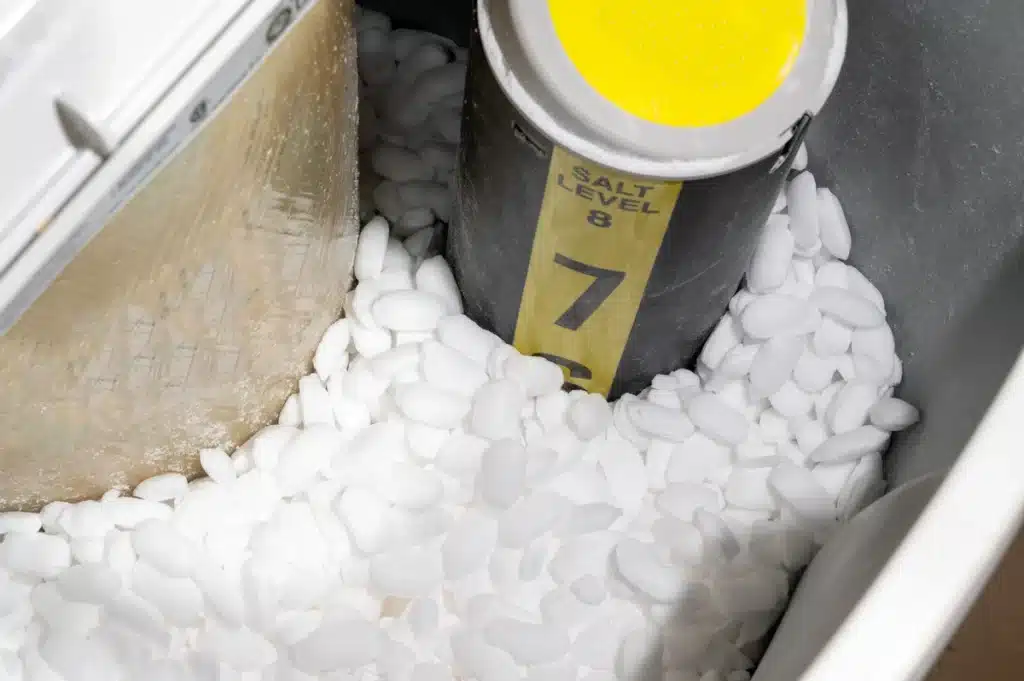
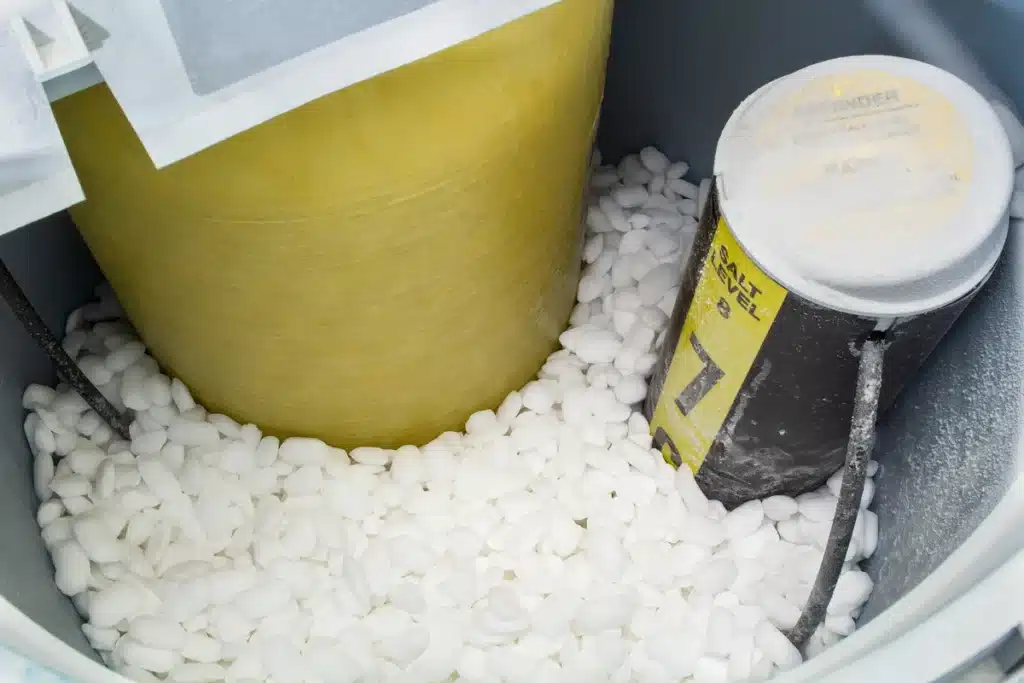
water softener system cost-water softener nearly full of salt tablets

Types of Water Softeners

There are several types of water softener systems, each with its own set of advantages and price points:

  • Salt-Based Ion Exchange Softeners: These are the most common systems. They replace calcium and magnesium ions with sodium ions to soften the water. They require periodic replenishment with salt, which adds to the ongoing maintenance costs.
  • Salt-Free Softeners: Using a process called Template Assisted Crystallization (TAC), these systems condition water without the need for salt. Although they generally cost more initially, they can be cheaper in the long run due to lower maintenance costs.
  • Dual-Tank Softeners: Especially useful in places with heavy water usage, dual-tank models offer uninterrupted soft water as one tank regenerates while the other is in use. These are more expensive but very effective.
  • Magnetic and Electronic Descalers: These systems use magnetic fields or electrical currents to reduce limescale deposits. While cheaper and easier to install, their effectiveness can be somewhat limited compared to traditional systems.

Cost Breakdown for Water Softeners

When budgeting for a water softener system in 2024, consider the following costs:

  • System Purchase: Depending on the type and brand, prices can range from $500 for a basic salt-based softener to upwards of $3,000 for high-end dual-tank systems.
  • Installation: Professional installation fees can range from $200 to $1,000 depending on the complexity of the job and local labor rates.
  • Maintenance: Regular maintenance, such as refilling salt or pre-filter replacement, can cost anywhere from $50 to $300 annually.
  • Operational Costs: Expect to spend about $50 to $100 per year on additional electricity and water, especially for salt-based systems that require regeneration cycles.

💰 4 Factors Influencing Water Softener Costs

When considering the purchase of a water softener, it’s important to understand the various factors that can influence its cost. Several elements such as system type, capacity, installation requirements, and additional features all play a role in determining your overall expenditure.

1. Water Softener Size and Capacity

The size and capacity of your water softener will directly affect the cost. A larger capacity system designed for a big household or high water usage will cost more than a smaller unit designed for a single person or apartment.

2. Quality of Water

The hardness level of your water will also influence both the initial and ongoing costs. Harder water requires more robust systems and more frequent maintenance.

3. Additional Features

Modern water softeners come with a plethora of additional features like WiFi connectivity, remote monitoring, and advanced regeneration cycles. While these features can improve efficiency and convenience, they also add to the upfront cost.

4. Local Water Quality Regulations

In some regions, there are stringent regulations regarding water quality. Ensuring compliance can add to the total cost, particularly if additional filtration systems or modifications are required.

💸 4 Long-term Savings with Water Softeners

Investing in a water softener system can lead to significant long-term savings for homeowners. By preventing scale buildup, a water softener helps extend the lifespan of your plumbing, appliances, and heating systems. This not only reduces costly repairs and replacements but also enhances overall energy efficiency, lowering your monthly utility bills.

1. Protecting Appliances and Plumbing

One of the primary benefits of installing a water softener is the protection it offers to your plumbing system and household appliances. Hard water can cause limescale build-up in pipes, reducing water flow and increasing the risk of corrosion. It can also impact the efficiency and longevity of washing machines, dishwashers, and water heaters. By reducing the hardness of the water, you can extend the lifespan of these appliances and avoid costly repairs or replacements.

2. Reducing Energy Bills

Water heaters have to work harder to heat water that is laden with minerals, which can lead to higher energy consumption and increased utility bills. A water softener mitigates this by preventing limescale build-up, thereby improving the efficiency of your water heater and potentially lowering your energy bills. Here are some additional benefits and points to consider:

  • Prolongs Appliance Lifespan: Hard water can cause scale build-up inside your water heater, reducing its lifespan. A water softener helps protect your appliance, ensuring it operates longer.
  • Improves Water Quality: Soft water is gentler on your skin and hair, and it can enhance the taste of your drinking water.
  • Reduces Maintenance Costs: By preventing scale build-up, a water softener reduces the need for frequent maintenance and repairs, saving you money over time.
  • Enhances Soap Efficiency: Soft water improves the effectiveness of soaps and detergents, allowing you to use less product and save money.
  • Environmental Benefits: Using less energy to heat water means reducing your carbon footprint, making a water softener an environmentally friendly choice.
  • Increases Property Value: Having a water softener installed can be an attractive feature for potential homebuyers, potentially increasing the value of your property.

3. Using Less Soap and Detergent

Soft water lathers more effectively than hard water, meaning you can use less soap and detergent for your cleaning needs. This means that when you wash your clothes, dishes, or even yourself, you’ll notice that a smaller amount of cleaning product creates more bubbles and cleans just as effectively, if not better. Over time, this can lead to significant savings on household cleaning products, as you won’t need to purchase them as frequently. Moreover, less soap and detergent usage also means less residue left behind on clothes and surfaces, leading to cleaner results and potentially extending the lifespan of your clothing and appliances. Additionally, the reduced use of cleaning agents contributes to a lower environmental impact, making soft water a more sustainable option for your household.

  • Less soap and detergent required
  • Significant savings on cleaning products
  • Reduced residue on clothes and surfaces
  • Extended lifespan of clothing and appliances
  • Lower environmental impact

4. Enhanced Skin and Hair Health

While not a direct financial saving, many people find that soft water is gentler on their skin and hair. This can result in fewer skin irritations and the need for expensive skincare products. Over time, the reduced need for these products can lead to significant cost savings, as individuals might spend less on specialized lotions, creams, and treatments designed to combat dryness and irritation caused by hard water. Additionally, soft water can enhance the longevity and effectiveness of everyday personal care items such as shampoos and soaps, requiring less product for the same level of cleanliness and comfort. The overall benefits extend beyond just financial savings, contributing to better skin health and a more pleasant bathing experience.

  • Gentler on skin and hair
  • Fewer skin irritations
  • Reduced need for expensive skincare products
  • Enhanced longevity of shampoos and soaps
  • Better overall skin health

👨‍🔧 DIY Installation vs. Professional Installation

DIY Installation

For those who are handy, installing a water softener system on your own can save on installation costs. Many systems come with detailed instructions and all the necessary parts. However, DIY installation can be complex and time-consuming. You also run the risk of incorrect installation, which could void warranties or lead to inefficiencies and additional costs down the line.

Professional Installation

Although it comes at a higher cost, professional installation ensures that your system is set up correctly and efficiently. Professional installers have the knowledge and tools to handle any challenges that may arise, ensuring optimal performance and longevity of your water softener system. Many companies also offer a warranty on their installation work, providing additional peace of mind.

🛠️ Water Softener Maintenance Costs

Regular Maintenance

  • Salt Refills: For salt-based systems, regularly adding salt is necessary to ensure proper function. Depending on your water usage, you might need to refill monthly, at a cost of about $5 to $15 per month.
  • Resin Bed Replacement: The resin bed in a salt-based system typically needs replacement every 10 years, costing between $200 and $400.
  • Filters and Pre-filters: Systems with additional filters may require periodic replacements, incurring additional costs. Pre-filters typically cost between $10 and $30 and need replacement every few months.
  • Service Visits: Annual service visits by professionals to check and clean the system can help maintain efficiency. These visits usually cost between $100 and $200.

Unexpected Repairs

Over time, parts of the water softener system may wear out or malfunction. Common issues include problems with the control valve, resin beads, or the brine tank. Repair costs can vary widely depending on the problem, ranging from $50 for minor fixes to over $500 for significant repairs.

👉 Choosing the Right Water Softener System for Your Home

Selecting the ideal water softener system is essential for treating hard water and enhancing the quality of water throughout your home. At Thelen Plumbing, Heating, and Air, we understand that every household has unique water treatment needs. Our experts are here to guide you through the process, ensuring you find the perfect solution for your specific requirements.
  • Assessing Your Needs: The first step in choosing a system is to assess your specific needs. Consider the hardness level of your water, your household size, and any specific features or budget constraints.
  • Researching Brands and Models: Do your research on different brands and models to find the best fit for your home. Consider factors like efficiency, maintenance requirements, and warranty options.
  • Seeking Professional Advice: If you are unsure about which system is right for you, seek advice from a professional. They can assess your water quality and provide recommendations based on their expertise and experience.

🙌 Investing in a Water Softener System With Thelen Plumbing, Heating, and Air

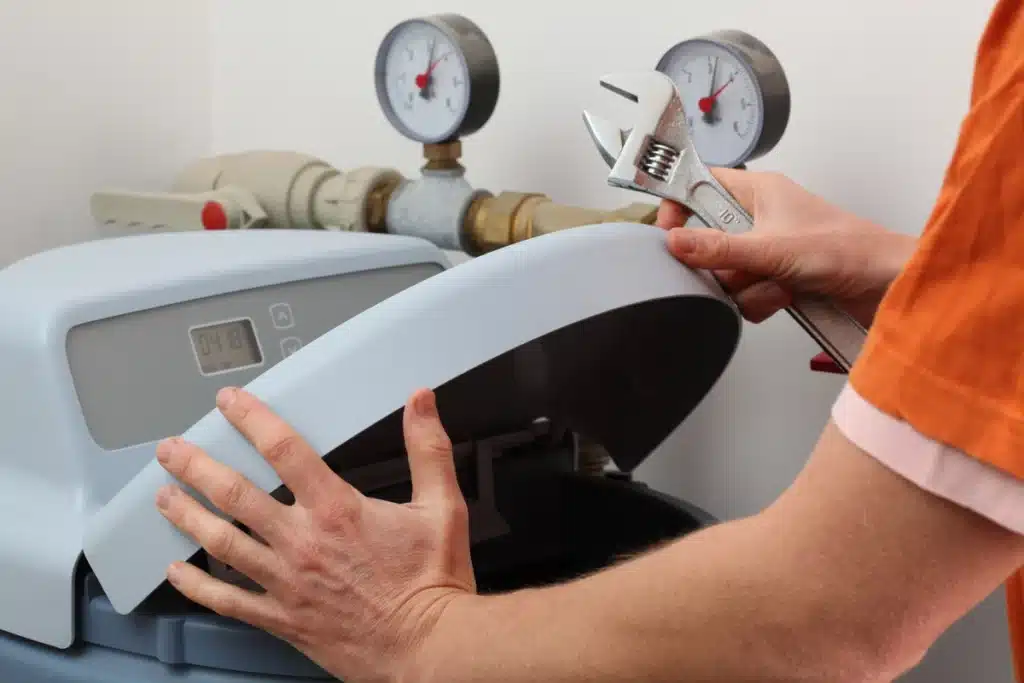
water softener system cost-man opening the lid to water softener system

At Thelen Plumbing, Heating, and Air, we pride ourselves on being the team you can trust for all your water filtration needs. Our experienced professionals provide personalized advice to help you find the perfect system for your home. We offer top-notch installation services and comprehensive maintenance plans to ensure your system runs efficiently for years. Our commitment to customer satisfaction and reliability sets us apart, making us your go-to choice for water softener solutions.

Choosing and maintaining a water softener system requires careful consideration and research. By understanding your needs, evaluating brands, seeking professional advice, and staying on top of maintenance, you can enjoy the benefits of soft water for years to come. Start researching and investing in a water softener system today—your wallet and your hair will thank you!

Contact Thelen Plumbing, Heating, and Air today to get started on your journey to better water quality and enhanced home comfort!

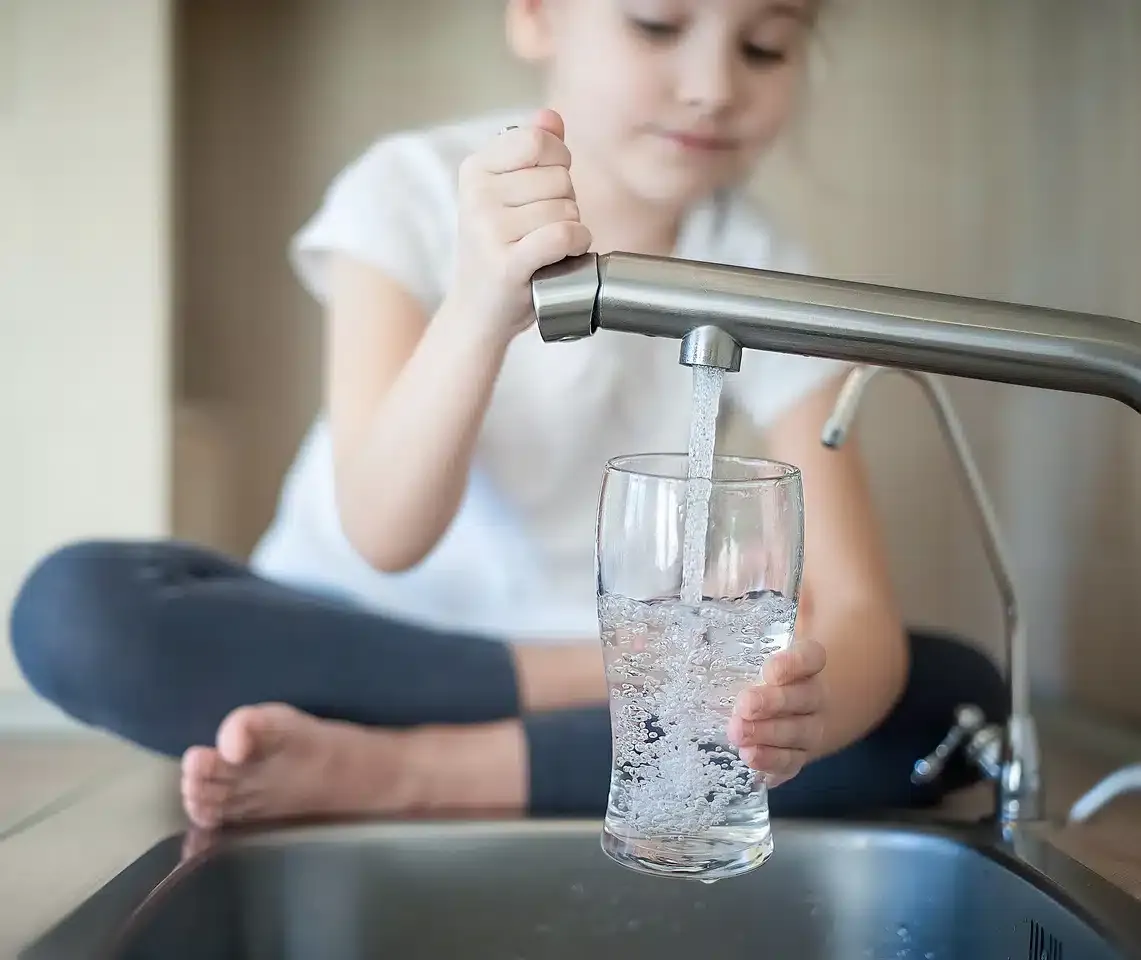
water test kit-child filling a glass with safe drinking water water test kit-child filling a glass with safe drinking water

20 Benefits to a Home Water Test Kit

In today’s world, where health and wellness are of utmost importance, ensuring the purity and safety of the water we consume is a critical concern. Many homeowners are becoming increasingly aware of the potential contaminants that can infiltrate their water supply, leading to various health issues and complications. One effective solution to this problem is the use of a home water test kit. In this article, we will explore the numerous benefits of using a home water test kit, including different themes of benefits like:

  • Health and Safety
  • Features and Benefits
  • Awareness and Education
  • Support and Compliance
  • Real Estate and Consumption

✅ 20 Benefits to a Home Water Test Kit

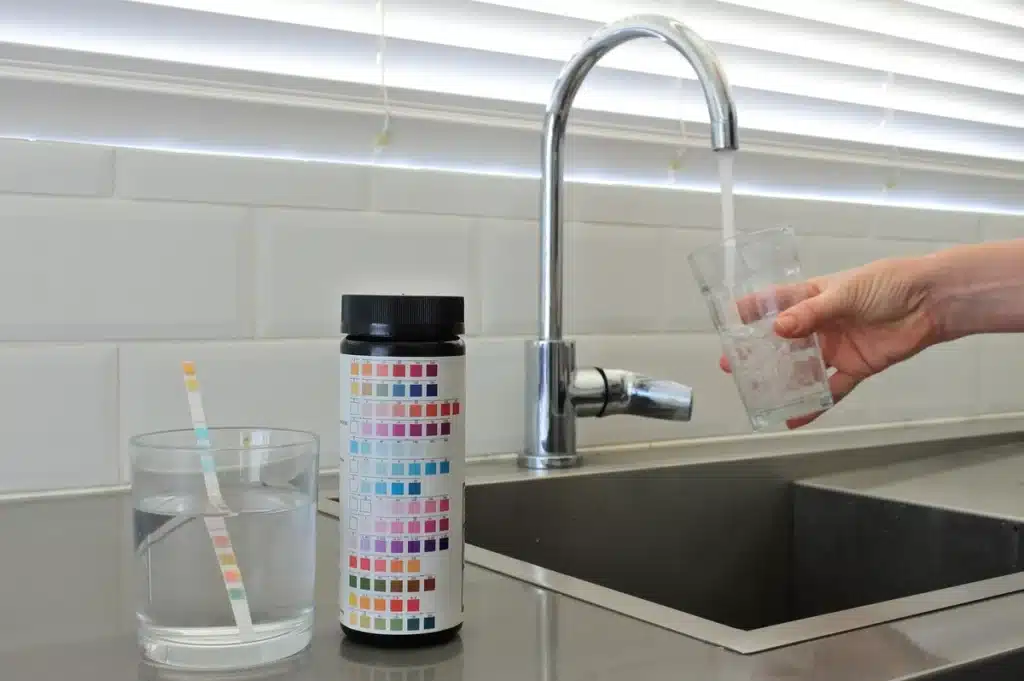
water test kit filling water from the tap

Investing in a home water test kit offers a multitude of benefits for ensuring the quality and safety of your drinking water. By regularly testing your water, you can identify potential contaminants early and take proactive steps to address them. Here are 20 key benefits of using a home water test kit to safeguard your water supply.

1. Ensuring Safe Drinking Water

The primary benefit of a home water test kit is that it ensures the water you and your family consume is safe. Municipal water supplies are generally treated and monitored, but contaminants can still seep in through old pipes, industrial pollution, or agricultural runoff. By regularly testing your water, you can:

  • Detect harmful substances like lead, arsenic, nitrates, and bacteria
  • Ensure that your drinking water meets safety standards
  • Provide peace of mind for you and your family

2. Protecting Your Health

Contaminated water can lead to various health problems, ranging from gastrointestinal issues to severe diseases. For instance, exposure to high levels of lead can cause developmental issues in children and kidney problems in adults. A home water test kit helps identify such contaminants, allowing you to take necessary actions to protect your health and that of your loved ones.

3. Early Detection of Water Quality Issues

One of the key advantages of using a home water test kit is the ability to detect water quality issues early. By identifying problems before they become severe, you can address them promptly, preventing potential health risks and costly repairs. Regular testing allows for continuous monitoring, giving you peace of mind knowing that your water quality is under control.

4. Cost-Effective Solution

Hiring professionals to test your water can be expensive, especially if you need frequent testing. A home water test kit offers a cost-effective alternative, allowing you to conduct multiple tests at a fraction of the cost. Once you have the kit, you can test your water as often as needed without incurring additional expenses, making it a financially savvy choice for homeowners.

5. Easy to Use

Home water test kits are designed to be user-friendly, requiring no special skills or technical knowledge. Most kits come with clear instructions and all the necessary tools to collect and analyze water samples. With a little guidance, anyone can perform water tests at home, making it a convenient option for monitoring water quality.

6. Comprehensive Testing

Modern home water test kits are equipped to test for a wide range of contaminants. These kits can detect various pollutants, including heavy metals, pesticides, bacteria, and chemicals. This comprehensive testing capability ensures that you get a complete picture of your water quality, enabling you to address any issues effectively.

7. Customizable Testing

Different households may face different water quality challenges based on their location and water source. Home water test kits often offer customizable testing options, allowing you to focus on specific contaminants that are more likely to be present in your area. This tailored approach ensures that your testing efforts are relevant and effective.

8. Enhancing Water Filtration Systems

If you already have a water filtration system in place, a home water test kit can help you assess its effectiveness. By testing your water before and after filtration, you can determine whether your system is removing contaminants as expected. This information is crucial for maintaining and optimizing your filtration system, ensuring that it continues to provide clean and safe water.

9. Environmental Awareness

Using a home water test kit can also promote environmental awareness and responsibility. By understanding the contaminants in your water, you can take steps to reduce pollution and protect natural water sources. Additionally, regular testing can help identify broader environmental issues that may require community or governmental intervention.

10. Peace of Mind

Perhaps one of the most significant benefits of a home water test kit is the peace of mind it provides. Knowing that you have control over your water quality and can detect any issues promptly alleviates worries about potential health risks. This assurance allows you to enjoy your water without fear, contributing to overall well-being and quality of life.

11. Educating and Empowering Homeowners

Home water test kits are educational tools that empower homeowners to take control of their water quality. By learning how to test and interpret the results, individuals become more knowledgeable about the factors affecting their water supply. This education fosters a proactive approach to water safety, encouraging homeowners to stay informed and vigilant.

12. Supporting Home Maintenance

Water quality can impact various aspects of home maintenance, from plumbing to appliances. Contaminants like hard minerals can cause scale buildup in pipes and reduce the efficiency of water heaters and other appliances. By regularly testing your water, you can identify issues that may affect your home’s infrastructure and take steps to mitigate them, ultimately extending the lifespan of your plumbing and appliances.

13. Compliance with Regulations

Certain regions have specific regulations and standards for water quality that homeowners must adhere to. A home water test kit helps ensure that your water meets these regulations, avoiding potential fines or legal issues. Compliance with local water quality standards is not only a legal requirement but also a crucial step in ensuring the safety and health of your household.

14. Real Estate Value

For those looking to buy or sell a home, water quality can be a significant factor in real estate transactions. Providing potential buyers with recent water test results can enhance the value of your property and instill confidence in its safety and quality. Conversely, prospective buyers can use home water test kits to assess the water quality of a property before making a purchase, ensuring that they are making an informed decision.

15. Versatility and Convenience

Home water test kits are versatile tools that can be used in various settings, including homes, offices, schools, and recreational properties. Their portability and ease of use make them convenient for testing water quality in different environments, ensuring that you have access to safe water wherever you are.

16. Reducing Bottled Water Consumption

Many people resort to bottled water due to concerns about tap water quality. However, this practice can be expensive and environmentally harmful due to plastic waste. By using a home water test kit, you can ensure that your tap water is safe to drink, reducing the need for bottled water and contributing to environmental sustainability.

17. Supporting Local Water Authorities

Homeowners who regularly test their water can provide valuable data to local water authorities, helping them monitor and address water quality issues in the community. This collaboration can lead to more effective water management and improvements in the overall quality of the public water supply.

18. Encouraging Healthy Habits

Awareness of water quality encourages healthier habits, such as drinking more water and using filtered water for cooking and bathing. By ensuring that your water is safe and clean, you can make better choices for your health and well-being, promoting a lifestyle that prioritizes hydration and hygiene.

19. Investment in Long-Term Health

Investing in a home water test kit is an investment in your long-term health. By proactively monitoring and addressing water quality issues, you can prevent potential health problems and enjoy the benefits of clean, safe water for years to come. This proactive approach to health and wellness is a valuable addition to any household.

20. Supporting Community Initiatives

Communities that prioritize water quality tend to have better overall health and well-being. By using a home water test kit and sharing your findings with neighbors and local organizations, you can support community initiatives aimed at improving water safety and quality. Collective efforts can lead to significant positive changes, benefiting everyone in the community.

🙌 Trust Thelen Plumbing, Heating, and Air for Your Water Filtration Needs

getting the water test done

In conclusion, you can trust our team at Thelen Plumbing, Heating, and Air for your water filtration needs. With our expertise, we ensure safe drinking water and protect your health while promoting environmental awareness and supporting community initiatives. By choosing Thelen Plumbing, Heating, and Air, you take a proactive step towards safeguarding your water quality and enhancing your overall well-being. Regular maintenance and testing through our services not only provide peace of mind but also empower you to make informed decisions about your water supply. Partner with us for a healthier and safer living environment. Contact us today to schedule your consultation!

water tastes weird-close up of a glass being filled with water from the tap faucet water tastes weird-close up of a glass being filled with water from the tap faucet

Water Tastes Weird – 7 Tastes & Possible Meanings

Water is essential to our lives. We rely on it for hydration, cooking, cleaning, and so much more. But what happens when the water tastes weird coming out of your tap? It’s an unsettling experience, and it can be hard to pinpoint the cause. Different tastes in water can indicate various issues, from harmless minerals to potentially harmful contaminants. In this article, we will explore seven common tastes in tap water and what they could mean for your health and home, including:

  • Metallic taste
  • Chlorine taste
  • Earthy or musty taste
  • Salty taste
  • Sulfur or rotten egg taste
  • Bitter or medicinal taste
  • Sweet taste

7 Tastes You Might Find In Tap Water

Man drinking water image

Tap water can exhibit a variety of tastes, each indicating different potential issues or elements present in the water. Understanding these tastes can help you identify and address any concerns with your water quality. Here, we explore seven common tastes you might encounter in your tap water and what they signify.

🔑 1. Metallic Taste

What It Tastes Like

A metallic taste in your water might remind you of pennies or a rusty nail. This taste is often sharp and unpleasant.

Possible Causes

  • Iron and Manganese: These minerals are naturally occurring in many water sources. While they are not harmful in small amounts, they can affect the taste and color of your water.
  • Galvanized Pipes: Older homes may have galvanized iron pipes, which can corrode over time, leaching iron into your water supply.
  • Copper Pipes: Newer homes might have copper plumbing, and if the water is slightly acidic, it can cause copper to dissolve into the water.

Potential Health Effects

While small amounts of iron, manganese, and copper are not harmful, high levels can cause health issues. Excessive iron can lead to gastrointestinal issues, while too much copper can cause nausea, vomiting, and abdominal pain.

Solutions

Consider installing a water filtration system that targets heavy metals. A whole-house filtration system or a point-of-use filter can effectively reduce these contaminants, improving both the taste and safety of your water.

🏊‍♂️ 2. Chlorine Taste

What It Tastes Like

Chlorine taste is often described as tasting like pool water. It’s a chemical taste that can be quite strong and off-putting.

Possible Causes

  • Municipal Water Treatment: Chlorine is commonly used in municipal water treatment facilities to disinfect water and kill harmful bacteria and viruses. While it’s effective at ensuring water safety, it can leave a noticeable taste.

Potential Health Effects

Chlorine in drinking water at regulated levels is not harmful and is necessary for disinfection. However, some people may be sensitive to chlorine, experiencing skin irritation or dryness.

Solutions

A carbon filter can effectively remove chlorine from your water. These filters are available for both point-of-use (like under-sink filters) and whole-house systems, ensuring that all the water in your home is chlorine-free.

🍄‍🟫 3. Earthy or Musty Taste

What It Tastes Like

Water with an earthy or musty taste might remind you of damp soil or decaying leaves. This taste is usually subtle but persistent.

Possible Causes

  • Algae and Bacteria: Certain types of algae and bacteria in the water source can produce compounds like geosmin and 2-MIB, which give water an earthy or musty taste.
  • Organic Matter: Decaying organic matter in the water source, such as leaves or plant material, can also contribute to this taste.

Potential Health Effects

These compounds are typically not harmful, but they can be unpleasant. However, the presence of certain bacteria might indicate a need for further investigation into the water quality.

Solutions

Activated carbon filters are effective at removing these compounds, improving the taste of your water. Regular maintenance and cleaning of your water system can also help prevent the buildup of organic matter.

🧂 4. Salty Taste

What It Tastes Like

A salty taste in water can be quite noticeable and unpleasant. It can make your water taste like it has been mixed with seawater.

Possible Causes

  • High Sodium Levels: Naturally occurring in some water sources, high sodium levels can cause a salty taste. This is more common in coastal areas.
  • Water Softener Malfunction: If you have a water softener, a malfunction could lead to an excess of sodium in your water.

Potential Health Effects

High sodium levels can be a concern for individuals with high blood pressure or those on a low-sodium diet. It’s important to monitor and manage sodium intake from all sources, including water.

Solutions

Testing your water for sodium levels can help determine the cause. If a water softener is the issue, it may need to be serviced or adjusted. Reverse osmosis systems are effective at removing sodium from water, providing a solution for both naturally occurring sodium and issues from water softeners.

🥚 5. Sulfur or Rotten Egg Taste

What It Tastes Like

Water with a sulfur or rotten egg taste is unmistakable and very unpleasant. This taste can also be accompanied by a distinct smell.

Possible Causes

  • Hydrogen Sulfide Gas: This gas can occur naturally in groundwater, particularly in areas with high sulfur content in the soil.
  • Bacterial Activity: Certain bacteria in the water can produce hydrogen sulfide as a byproduct.

Potential Health Effects

Hydrogen sulfide is typically not harmful at low levels, but high concentrations can be toxic and flammable. The taste and smell are usually the most concerning aspects.

Solutions

A water filtration system designed to remove hydrogen sulfide can effectively eliminate this issue. Options include activated carbon filters, oxidizing filters, and aeration systems.

💊 6. Bitter or Medicinal Taste

What It Tastes Like

A bitter or medicinal taste in water can be jarring and is often described as tasting like aspirin or medicine.

Possible Causes

  • Chloramines: These are a combination of chlorine and ammonia used in some water treatment processes. While effective for disinfection, they can leave a bitter taste.
  • Chemical Contaminants: Industrial chemicals or pharmaceuticals that have entered the water supply can also cause this taste.

Potential Health Effects

Chloramines at regulated levels are not harmful, but some people may be more sensitive to them. Chemical contaminants can pose serious health risks and should be addressed immediately.

Solutions

Activated carbon filters can remove chloramines and many other chemical contaminants. If you suspect industrial contamination, it’s important to report it to local authorities and seek professional water testing and treatment solutions.

🍭 7. Sweet Taste

What It Tastes Like

A sweet taste in water is unusual and can be a sign of various issues. This taste is often subtle and can be pleasant or concerning, depending on the cause.

Possible Causes

  • Certain Minerals: Some minerals, such as calcium and magnesium, can give water a slightly sweet taste.
  • Chlorinated Solvents: These industrial chemicals can enter the water supply and cause a sweet taste.

Potential Health Effects

While minerals like calcium and magnesium are not harmful and are often beneficial, chlorinated solvents can be dangerous and pose significant health risks.

Solutions

Testing your water can help determine the cause of the sweet taste. If minerals are the cause, a simple water softener or mineral filter can address the issue. If chlorinated solvents are detected, a more comprehensive filtration system, such as reverse osmosis, may be necessary.

🙌 Ensuring Clean and Great-Tasting Water with Thelen Plumbing, Heating, and Air

Close hand shot of glass filling water

Unusual tastes in your tap water can be disconcerting, but they often provide important clues about the quality of your water and potential contaminants. At Thelen Plumbing, Heating, and Air, our team excels at identifying these issues and provides tailored solutions to ensure your water is safe and pleasant to drink.

Investing in a high-quality water filtration system is a proactive step towards maintaining clean, great-tasting water in your home. Our experts at Thelen Plumbing, Heating, and Air offer top-notch filtration systems and services, ensuring regular testing and maintenance to identify and address issues before they become serious problems.

If you’re experiencing unusual tastes in your water and are unsure of the cause, trust Thelen Plumbing, Heating, and Air. Our water treatment professionals provide detailed testing and recommend the best filtration solutions for your specific needs.

Clean and safe water is essential for your health and well-being. Don’t ignore strange tastes in your water—let Thelen Plumbing, Heating, and Air ensure the highest quality water for you and your family. Contact us today for a consultation and take the first step towards pure, great-tasting water!

does tap water have chlorine-child filling a glass with water from a faucet does tap water have chlorine-child filling a glass with water from a faucet

Does Tap Water Have Chlorine? (2024 Guide)

As a leader in the water filtration industry, we’re dedicated to providing you with the knowledge you need to ensure the highest quality water in your home. Does tap water have chlorine? Find out in this article, which will help you better understand chlorine in drinking water, how to filter it out, and more, including:

  • Understanding chlorine in tap water
  • Health implications of chlorine in tap water
  • Benefits of our water filtration systems
  • 3 types of water filtration systems
  • Choosing the right filtration system for your home
  • FAQs

🤔 Understanding Chlorine in Tap Water

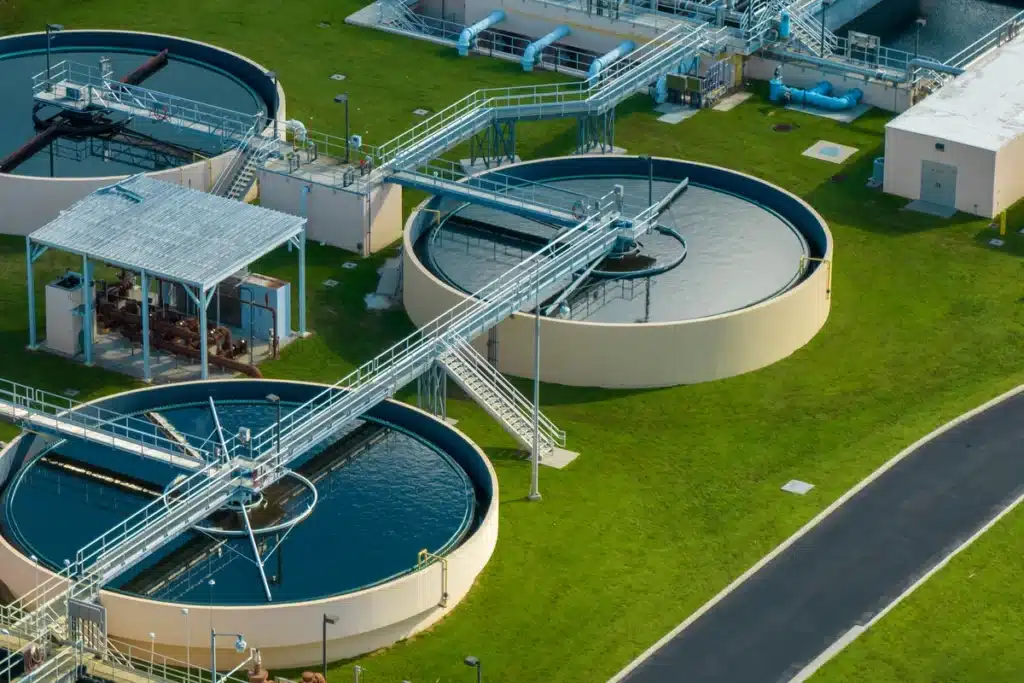
Chlorine city water filteration system

What is Chlorine and Why is it Used?

Chlorine is a chemical element widely used for disinfection purposes. It has been employed in water treatment processes for over a century due to its effectiveness in killing bacteria, viruses, and other pathogens. Municipal water treatment facilities add chlorine to tap water to ensure it is safe for consumption, effectively reducing the risk of waterborne diseases.

The Chlorination Process

The process of adding chlorine to tap water, known as chlorination, involves carefully regulated dosages to maintain safe levels. The primary forms of chlorine used in water treatment are:

  • Chlorine gas
  • Sodium hypochlorite
  • Calcium hypochlorite

These compounds dissolve in water to form hypochlorous acid, which acts as a potent disinfectant.

Chlorine Levels in Tap Water

The Environmental Protection Agency (EPA) regulates the amount of chlorine in drinking water to ensure safety. The maximum allowable level of chlorine in drinking water is set at 4 milligrams per liter (mg/L) or 4 parts per million (ppm). While this level is considered safe, it is important to note that some people are more sensitive to chlorine and may experience adverse effects even at lower concentrations.

😷 Health Implications of Chlorine in Tap Water

Potential Health Risks

While chlorine effectively eliminates harmful microorganisms, its presence in tap water can have unintended health consequences. Some of the potential health risks associated with chlorine in drinking water include:

  • Respiratory Issues: Chlorine can irritate the respiratory system, leading to symptoms such as coughing, wheezing, and throat irritation. This is especially concerning for individuals with asthma or other respiratory conditions.
  • Skin and Eye Irritation: Exposure to chlorinated water can cause skin dryness, itching, and redness. It can also lead to eye irritation, especially in sensitive individuals.
  • Byproducts of Chlorination: When chlorine reacts with organic matter in water, it forms disinfection byproducts (DBPs) such as trihalomethanes (THMs) and haloacetic acids (HAAs). Long-term exposure to high levels of DBPs has been linked to an increased risk of cancer and other health issues.

Chlorine Taste and Odor

One of the most noticeable effects of chlorine in tap water is its distinct taste and odor. Many people find the taste of chlorinated water unpleasant, which can discourage adequate water consumption. This is particularly concerning for families with young children, who need to stay hydrated for proper growth and development.

✅ Benefits of Our Water Filtration Systems

At Thelen Plumbing, Heating, and Air, we understand the importance of providing your family with safe, clean, and great-tasting water. Our advanced water filtration systems are designed to effectively remove chlorine and other contaminants, ensuring the highest quality water for your home.

  • Chlorine Removal: Our filtration systems use state-of-the-art technology to remove chlorine from your tap water. This eliminates the unpleasant taste and odor associated with chlorinated water, making it more enjoyable to drink.
  • Healthier Water: By removing chlorine and its byproducts, our systems reduce the potential health risks associated with chlorinated water. This is especially beneficial for individuals with respiratory conditions, sensitive skin, or those concerned about long-term health effects.
  • Improved Skin and Hair: Chlorine-free water is gentler on your skin and hair, reducing dryness and irritation. You’ll notice softer skin and shinier hair when you make the switch to filtered water.
  • Eco-Friendly Solution: Our water filtration systems provide an environmentally friendly alternative to bottled water. By reducing your reliance on single-use plastic bottles, you contribute to a greener planet.

💧 3 Types of Water Filtration Systems

There are a range of water filtration systems available to suit your specific needs. Here are some of the most popular options:

1. Activated Carbon Filters

Activated carbon filters are highly effective at removing chlorine and other organic contaminants from water. These filters work by adsorbing impurities onto the surface of the carbon particles, effectively trapping them and preventing them from passing through.

Benefits:

  • Excellent chlorine removal
  • Improved taste and odor
  • Affordable and easy to maintain

2. Reverse Osmosis Systems

Reverse osmosis (RO) systems use a semi-permeable membrane to remove a wide range of contaminants, including chlorine, heavy metals, and dissolved solids. RO systems provide a comprehensive solution for ensuring the purity of your tap water.

Benefits:

  • High level of filtration
  • Removes a broad spectrum of contaminants
  • Produces pure, clean water

3. Whole-House Filtration Systems

For those seeking comprehensive water treatment throughout their entire home, whole-house filtration systems are an excellent choice. These systems are installed at the point of entry, ensuring that all the water entering your home is filtered.

Benefits:

  • Provides filtered water to all faucets and appliances
  • Protects plumbing and appliances from scale and corrosion
  • Convenient and low-maintenance

🧐 Choosing the Right Filtration System for Your Home

Women drinking water

Selecting the right water filtration system depends on several factors, including your water quality, household size, and specific concerns. At Thelen Plumbing, Heating, and Air, our experts are here to help you make an informed decision. We’ll conduct a thorough assessment of your water quality and recommend the best solution to meet your needs.

Water Quality Testing

Before recommending a filtration system, we conduct a comprehensive water quality test to identify the specific contaminants present in your tap water. This allows us to tailor our recommendations to address your unique water quality issues.

Expert Installation and Maintenance

Our team of experienced technicians ensures that your water filtration system is installed correctly and operates at peak efficiency. We also offer regular maintenance services to keep your system in top condition, providing you with peace of mind and continuous access to clean water.

❓ Frequently Asked Questions About Chlorine in Tap Water

Q: Is chlorine in tap water safe to drink?

Yes, chlorine levels in tap water are regulated by the EPA and are considered safe for consumption. However, some individuals may be more sensitive to chlorine and prefer to remove it for health or taste reasons.

Q: How can I tell if my tap water has chlorine?

You can often detect chlorine in tap water by its distinct taste and odor. Additionally, water quality reports from your local water utility can provide information about chlorine levels in your area.

Q: Can boiling water remove chlorine?

Boiling water can remove chlorine, but it is not a practical solution for everyday use. Boiling water for an extended period can also concentrate other contaminants. Using a water filtration system is a more effective and convenient method for chlorine removal.

Q: Are there any natural ways to remove chlorine from water?

Some natural methods, such as letting water sit uncovered for 24 hours or using vitamin C tablets, can reduce chlorine levels. However, these methods are not as reliable or efficient as using a dedicated water filtration system.

Q: How often should I replace my water filtration system’s filters?

The frequency of filter replacement depends on the type of filtration system and your water usage. Generally, activated carbon filters should be replaced every 6-12 months, while RO membranes may last 2-3 years. Our team will provide you with specific recommendations based on your system and usage.

🙌 Exceptional Water Filtration Solutions by Thelen Plumbing, Heating, and Air

At Thelen Plumbing, Heating, and Air, our team is dedicated to providing exceptional water filtration solutions that you can trust. With years of experience and a commitment to quality craftsmanship, we ensure your water system is not only efficient but also reliable. Our expert technicians use top-of-the-line materials and stay updated with the latest industry standards to deliver results that exceed your expectations.

Investing in a high-quality water filtration system from Thelen Plumbing, Heating, and Air not only ensures the purity and safety of your water but also offers peace of mind. Trust our reliable and professional team to handle all your water filtration needs with precision and care.

Contact us today to learn more about our water filtration services and discover why Thelen Plumbing, Heating, and Air is the right choice for keeping your water clean and safe.

a clean water glass a clean water glass

How to Remove Chlorine From Water (10 Steps)

Chlorine is a commonly used disinfectant in municipal water supplies, ensuring that the water reaching our homes is free from harmful bacteria and pathogens. However, while chlorine is beneficial for public health, it can have negative effects on our skin, hair, and overall health when consumed in large amounts over time. Chlorine can affect the taste and odor of drinking water. For these reasons, many people seek to remove chlorine from their water supply. This comprehensive guide will walk you through how to remove chlorine from water coming from your taps in 10 steps, including:

  • Understanding chlorine in water
  • 10 steps to remove chlorine from water

🤔 Understanding Chlorine in Water

Before diving into the removal methods, it’s essential to understand why chlorine is used in water treatment and its potential effects:

  • Purpose of Chlorine: Chlorine is added to water to kill bacteria, viruses, and other microorganisms that can cause diseases. It’s a highly effective and economical disinfectant.
  • Health Implications: While low levels of chlorine in drinking water are generally safe, long-term exposure can lead to health issues such as dry skin, eye irritation, and potential respiratory problems. Some studies have suggested a link between chlorine byproducts and cancer.
  • Aesthetic Concerns: Chlorine can impart an unpleasant taste and odor to drinking water, making it less palatable.

💧 10 Steps To Remove Chlorine From Water

Properly removing chlorine from your water is crucial for ensuring its safety and improving its taste. Follow these straightforward steps to eliminate chlorine and enjoy clean, fresh water in your home.

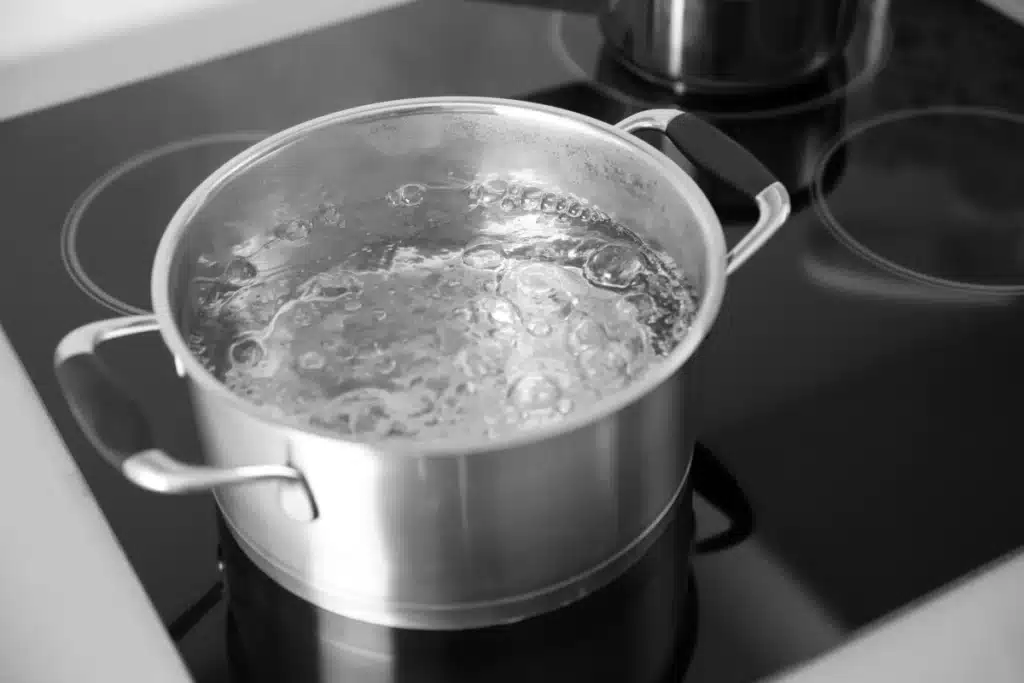
1. Boiling Water

Boiling water is one of the simplest methods to remove chlorine.

Materials Needed:

  • A pot or kettle
  • Heat source (stove, electric kettle, etc.)

Process:

  1. Fill a pot or kettle with tap water.
  2. Place the pot on a stove or heat source and bring the water to a rolling boil.
  3. Allow the water to boil for at least 15 minutes. Chlorine is volatile and will evaporate when heated.
  4. Let the water cool before using it for drinking or cooking.

Advantages:

  • Simple and cost-effective.
  • Requires no special equipment or filters.

Disadvantages:

  • Time-consuming.
  • Inefficient for large quantities of water.
  • Does not remove other contaminants.

2. Using Activated Carbon Filters

Activated carbon filters are highly effective at removing chlorine and its byproducts from water.

Materials Needed:

  • Activated carbon filter (pitcher, faucet attachment, under-sink system, etc.)

Process:

  1. Choose an activated carbon filter system that suits your needs (e.g., a water pitcher, faucet-mounted filter, or under-sink filter).
  2. Follow the manufacturer’s instructions to install the filter.
  3. Run tap water through the filter to remove chlorine.

Advantages:

  • Effective at removing chlorine and improving water taste and odor.
  • Easy to use and install.
  • Some models also remove other contaminants.

Disadvantages:

  • Requires periodic replacement of filter cartridges.
  • Initial cost of the filter system.

3. Chemical Neutralization

Chemical neutralization involves using chemicals that react with chlorine to neutralize it.

Materials Needed:

  • Vitamin C tablets (ascorbic acid) or sodium ascorbate
  • A container for mixing

Process:

  1. Dissolve one 1,000 mg vitamin C tablet (ascorbic acid) in a container of water (approx. 1 gallon) or use sodium ascorbate.
  2. Stir the water until the vitamin C is fully dissolved.
  3. Let the solution sit for a few minutes to allow the chlorine to be neutralized.
  4. Use the water for drinking or cooking.

Advantages:

  • Quick and effective.
  • Vitamin C is safe and non-toxic.
  • Does not affect the taste of water.

Disadvantages:

  • Requires purchasing vitamin C or sodium ascorbate.
  • Suitable for small to moderate quantities of water.

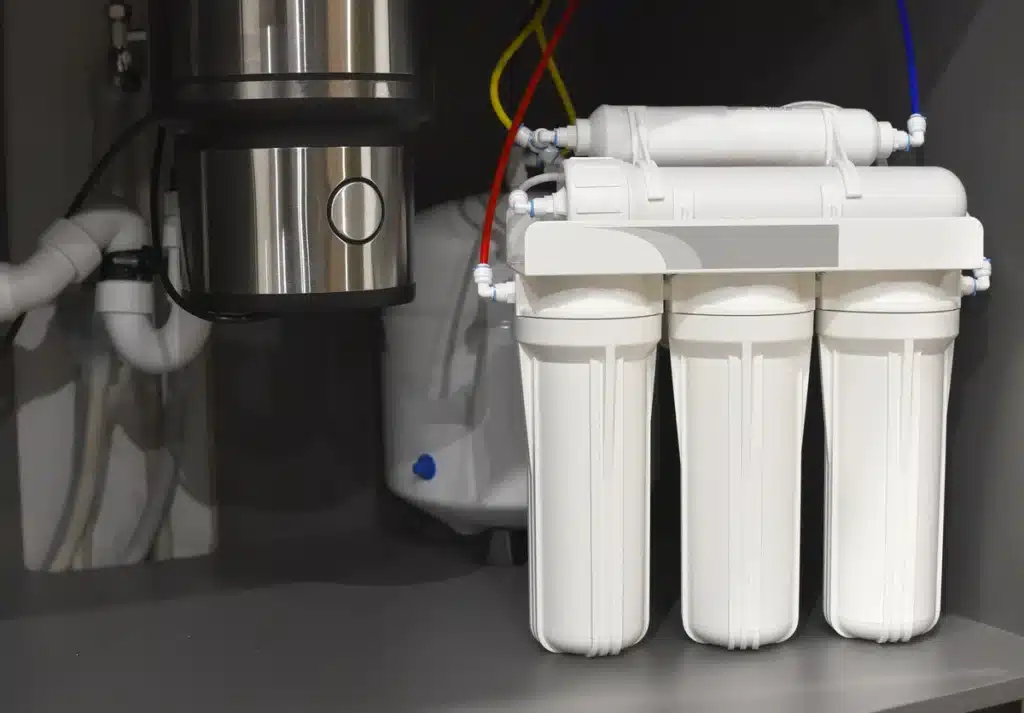
4. Using a Reverse Osmosis System

Reverse osmosis (RO) systems are highly effective at removing chlorine and a wide range of other contaminants.

Materials Needed:

  • Reverse osmosis system

Process:

  1. Purchase and install a reverse osmosis system according to the manufacturer’s instructions.
  2. The system typically involves pre-filters, a membrane, and post-filters that work together to remove contaminants.
  3. Run tap water through the RO system to obtain purified water.

Advantages:

  • Removes chlorine and many other contaminants (e.g., heavy metals, nitrates, and bacteria).
  • Produces high-quality drinking water.
  • Long-lasting system with proper maintenance.

Disadvantages:

  • Higher initial cost compared to other methods.
  • Requires regular maintenance and filter replacement.
  • Wastes some water during the filtration process.

5. Using Distillation

Distillation involves boiling water and collecting the steam, leaving contaminants behind.

Materials Needed:

  • Distillation unit or home distiller

Process:

  1. Fill the distillation unit with tap water.
  2. Turn on the unit to heat the water and produce steam.
  3. The steam rises and condenses into a separate container, leaving chlorine and other contaminants behind.
  4. Collect the distilled water for use.

Advantages:

  • Effective at removing chlorine and other impurities.
  • Produces very pure water.
  • Can be used for large quantities of water.

Disadvantages:

  • Time-consuming process.
  • High energy consumption.
  • Initial cost of the distillation unit.

6. Using UV Light Treatment

UV light treatment uses ultraviolet light to neutralize chlorine and other microorganisms.

Materials Needed:

  • UV water purifier

Process:

  1. Install the UV water purifier according to the manufacturer’s instructions.
  2. Pass tap water through the purifier, where it will be exposed to UV light.
  3. The UV light breaks down chlorine and kills bacteria and viruses.

Advantages:

  • Effective at neutralizing chlorine and disinfecting water.
  • Does not add any chemicals to the water.
  • Requires minimal maintenance.

Disadvantages:

  • Initial cost of the UV purifier.
  • Requires electricity to operate.
  • Does not remove other contaminants.

7. Letting Water Sit

Simply letting water sit for a while allows chlorine to evaporate naturally.

Materials Needed:

  • A large container or pitcher

Process:

  1. Fill a container or pitcher with tap water.
  2. Let the water sit uncovered for 24-48 hours.
  3. Chlorine will naturally evaporate over time.

Advantages:

  • Simple and cost-free.
  • Does not require any equipment or chemicals.

Disadvantages:

  • Time-consuming.
  • Not effective for chloramines (a related compound used in water treatment).
  • Limited to small quantities of water.

8. Using Catalytic Carbon Filters

Catalytic carbon filters are specialized filters that enhance the removal of chlorine and chloramines.

Materials Needed:

  • Catalytic carbon filter system

Process:

  1. Purchase and install a catalytic carbon filter system according to the manufacturer’s instructions.
  2. Run tap water through the filter to remove chlorine and chloramines.

Advantages:

  • Highly effective at removing both chlorine and chloramines.
  • Improves water taste and odor.

Disadvantages:

  • Higher cost compared to regular activated carbon filters.
  • Requires periodic filter replacement.

9. Whole House Filtration System

A whole house filtration system can remove chlorine from all water sources in your home.

Materials Needed:

  • Whole house filtration system

Process:

  • Purchase and install a whole house filtration system, typically involving a pre-filter, main filter, and post-filter.
  • Ensure the system is installed at the point where water enters your home’s plumbing system.
  • All water entering your home will be filtered, providing chlorine-free water from every tap.

Advantages:

  • Provides chlorine-free water for all household uses.
  • Improves water quality throughout the home.

Disadvantages:

  • Higher initial cost and installation complexity.
  • Requires regular maintenance and filter replacement.

10. Professional Water Treatment Services

For those who prefer a hands-off approach, professional water treatment services can provide customized solutions.

Materials Needed:

  • Contact a professional water treatment company

Process:

  1. Research and contact a reputable water treatment service provider.
  2. Schedule an appointment for a water quality assessment.
  3. The service provider will recommend and install a suitable water treatment system to remove chlorine.

Advantages:

  • Expert assessment and customized solutions.
  • Professional installation and maintenance.

Disadvantages:

  • Higher cost for professional services.
  • Ongoing maintenance fees.

🙌 Choose Thelen Plumbing, Heating, and Air for Your Roofing Needs

Choosing Thelen Plumbing, Heating, and Air for your roofing needs ensures top-notch quality, reliability, and professional service. Our experienced team excels in providing durable and efficient roofing solutions tailored to your specific requirements. With a commitment to excellence and customer satisfaction, we use the highest quality materials and state-of-the-art techniques to deliver outstanding results. Trust Thelen Plumbing, Heating, and Air to protect your home and enhance its value. Contact us today for a free consultation and experience the difference!

Forced Air vs Central Air (12 Pros & Cons)

When it comes to keeping our homes comfortable, the choice of HVAC system is an essential one. While both forced air and central air systems serve this purpose, their differences can significantly impact your home’s environmental control, energy usage, and, ultimately, your comfort. For homeowners, understanding the distinction between forced air vs. central air is vital in making an informed decision.

Inside this blog:

  • Understanding Forced Air and Central Air Systems
  • The Pros and Cons of Forced Air Systems
  • The Pros and Cons of Central Air Systems
  • Key Differences Between the Two Systems

This comprehensive comparison between forced air vs central air will guide you through the nuances of each system, detailing their respective benefits and drawbacks.

Understanding Forced Air and Central Air Systems

To choose the best system for your home, it’s essential to grasp the fundamentals of forced air and central air systems. Here’s a breakdown:

Forced Air Systems

A forced air system relies on a network of ducts to distribute air throughout your home via vents. It utilizes fans and air handlers to push air through these ducts, which can be used for heating and cooling, often with the same components. The heating source is typically a furnace, while the cooling is provided by an air conditioner or heat pump.

Central Air Systems

Central air conditioning systems follow a similar principle with one key difference. They also use a duct system to distribute cool air, but unlike forced air systems, they focus solely on air conditioning. They do not typically include heating components unless they are part of a central cooling and heating system.

To illustrate, the forced air system is like a two-in-one HVAC power couple, offering heating and cooling, while central air is a dedicated cooling system.

The Pros and Cons of Forced Air Systems

Each HVAC system comes with its unique set of advantages and disadvantages. Let’s break down what makes forced air systems stand out, and where they may fall short:

Advantages of Forced Air Systems

  1. Versatility: The ability to heat and cool makes forced air systems versatile and popular among homeowners who want a single solution.
  2. Rapid Adjustments: Forced air systems can warm up or cool down a home quickly, thanks to the fan’s immediate response to changes in temperature settings.
  3. Enhanced Air Quality: When equipped with high-quality filters, forced air systems can help improve air quality by trapping dust, allergens, and other pollutants.

Disadvantages of Forced Air Systems

  1. Air Distribution Inefficiencies: The ductwork can result in energy loss if not properly insulated, and it may also lead to uneven heating or cooling in different rooms.
  2. Noise Levels: The operation of fans and air handlers can sometimes be noisy, although newer models with noise-reduction features are available.
  3. Maintenance Complexity: With more components, forced air systems can be more complex to maintain, which might require more frequent service to keep them in top operating condition.

The Pros and Cons of Central Air Systems

While central air systems specialize in cooling, they have their share of advantages and disadvantages compared to forced air setups, such as:

Advantages of Central Air Systems

  1. Efficient Cooling: Central air systems are designed specifically for cooling and, therefore, are highly efficient at maintaining a consistent and comfortable temperature.
  2. Quiet Operation: Typically quieter than forced air systems, central air units have minimal internal noise emissions, contributing to a peaceful home environment.
  3. Ease of Use and Low Maintenance: With fewer components, these systems are often easier to operate and require less maintenance overall.

Disadvantages of Central Air Systems

  1. Limited Functionality: Unlike a forced air system that provides both cooling and heating, a central air conditioning system focuses solely on cooling, requiring a separate heating solution.
  2. Installation Costs: The initial cost of installing a central air system can be higher, particularly if your home does not already have the necessary ductwork in place.
  3. Air Quality Considerations: Air filtration is often a separate issue, considering that central air systems may not come with the same quality integral filters as forced air systems.
Air conditioning

Key Differences Between Forced Air vs Central Air

Digging deeper into the comparison, we uncover specific distinctions that can influence your choice between forced air and central air for your home.

Energy Efficiency

Central air systems can often be more energy efficient, as they are designed to do one job well — cool the home. Forced air systems that handle heating and cooling might see a slight decrease in overall efficiency due to the added responsibilities.

Installation and Retrofitting

If you’re considering new installation, the cost and complexity of retrofitting your home for central air can be significant. Forced air systems, especially when replacements or upgrades are concerned, may have a less invasive installation process.

Space and Aesthetic Considerations

Forced air systems can be bulkier because of their multiple functionalities, which can be a concern in homes with limited space. Central air systems, being more specialized, are often designed to take up less room and provide a cleaner look in your home.

Making an Informed Choice

The decision between forced air and central air systems should not be taken lightly, as it can have a long-term impact on your home’s comfort and energy bills. Several factors should weigh in on your choice, including:

Humidity Control

If you live in a particularly humid climate, a forced air system with a compatible air conditioning unit, especially a heat pump, can offer better humidity control features. Central air systems may require additional dehumidifiers in such cases.

Upfront Cost vs Long-Term Savings

Central air systems might require a larger initial investment, but their efficiency could lead to savings on your monthly energy bills over time. Forced air systems, on the other hand, offer the convenience of a one-size-fits-all solution.

Home Resale Value

The presence and quality of a central air system may significantly influence the resale value of your home. It’s important to consider the market in your area and the expectations of potential buyers when making your decision.

We Can Handle All of Your HVAC Needs

Forced air and central air systems each have their place in the realm of home climate control, and both offer unique benefits to homeowners. Ultimately, the best choice is one that aligns with your specific needs, practical considerations, and personal preferences.

For expert installation on the perfect HVAC solution for your home, look no further than Thelen Plumbing, Heating, and Air. Contact us for a thorough assessment tailored to your home and lifestyle. With our help, you can beat the heat or stay cozy in your living space, all year round.

3-Step AC Duct Cleaning for the Handy Homeowner

Indoor air quality is a crucial but often overlooked aspect of home health. As a homeowner, taking care of your air conditioning (AC) ducts can have a significant impact on the air you and your family breathe daily. Most of us are aware that regular AC maintenance is invaluable, yet the specifics can get murky, particularly when it comes to the ductwork.

Inside this blog:

  • Understanding Your AC Ducts
  • Signs Your AC Ducts Need Cleaning
  • DIY vs Professional Cleaning
  • Step-by-Step Guide to DIY AC Duct Cleaning
  • Tips for Maintenance and Prevention
  • Importance of Professional Inspection

In this insightful article, we’ll not only elucidate why AC duct cleaning is essential. Whether you’re a seasoned DIYer or just starting your homeowner journey, we’ve got you covered.

Understanding Your AC Ducts

Your AC ducts are the unsung heroes of your home’s heating, ventilation, and air conditioning (HVAC) system. They are the pathways through which treated air flows to reach the various rooms in your house. These ducts are usually airtight and extend throughout the structure, easily out of sight and, often, out of mind.

Yet, they are essential in two key aspects of indoor air quality. First, they are responsible for distributing air efficiently, preventing stale or polluted air from circulating. Second, they are designed to house essential components such as filters and diffusers, which trap and remove contaminants, allergens, and irritants from the circulating air.

Dirty ducts can undermine these capabilities, leading to poor air quality, increased energy consumption, and health issues. It’s important for homeowners to understand the role air ducts play and how cleaning them can contribute significantly to the well-being of their home environment.

Signs Your AC Ducts Need Cleaning

Dust particles dancing in the sunbeams shining through your windows might seem picturesque, but they are indicative of the air quality inside your house. The truth is, these dust particles are often accompanied by allergens, mold spores, and various other unwanted guests. That’s a clear sign that your AC ducts might need a cleanup.

Other telltale signs include:

  • Increased indoor allergies or respiratory issues
  • Uneven distribution of airflow
  • Musty or stale odors
  • Visible mold growth on or near the vents

Spotting these symptoms should spur you to action. Neglected ducts aren’t just health hazards, they can also lead to decreased system efficiency and lifespan.

DIY vs Professional Cleaning

Undertaking a duct cleaning project can be a point of personal satisfaction for the avid DIYer. However, it’s important to consider the scope of the job and weigh the trade-offs between doing it yourself and hiring a professional.

Pros and Cons of DIY Cleaning

Pros:

  • Saves money
  • You can work at your own pace
  • Acquaints you with the system, potentially leading to quicker problem diagnosis in the future

Cons:

  • Some areas may be difficult to reach without specialized equipment
  • Risk of damaging ducts or HVAC system if proper care isn’t taken
  • May not achieve the same level of cleanliness as professional-grade equipment

Determining whether to clean your ducts yourself depends on your comfort level with home maintenance and the extent of the job. For many, a hybrid approach—DIY cleaning with professional inspections at regular intervals—may be the most practical solution.

Step-by-Step Guide to DIY AC Duct Cleaning

If you’ve decided to roll up your sleeves and tackle AC duct cleaning yourself, it’s best to do it meticulously and thoughtfully. Here’s a breakdown of the process:

Getting Started and Preparing Your Tools

You’ll need a solid set of tools:

  • Screwdriver
  • HEPA vacuum cleaner
  • Nylon or soft-bristled brush
  • Dust masks and gloves
  • Rags and cleaning solution for stubborn dirt

First, turn off your HVAC system and cover the supply and return registers with a screen or paper towels to prevent dislodged debris from entering the living space.

The Cleaning Process

1. Access the Ducts

Remove the covers of the supply and return registers. If your ducts have a layer of insulation inside, be extra cautious not to damage it.

2. Clean the Registers and Ducts

One by one, clean the registers with the brush and vacuum. With the registers removed, you can access the ducts using the vacuum cleaner. If you find mold, it’s important to identify the cause and address it to prevent future growth.

3. Reassemble and Block Openings

Once cleaned, reassemble the registers and block the openings with the screen or paper towels.

Housekeeping After Cleaning

Don’t forget to clean up the work area. Here’s what you should do:

  • Vacuum the area where you were working.
  • Dispose of dust and debris properly.
  • Wash your hands and any tools you used

Observing the Aftermath

After turning your HVAC system back on, observe:

  • Any improvements in air quality and system efficiency.
  • The system’s operation over the next few days to ensure cleaning hasn’t caused new problems.

Remember, DIY duct cleaning is not a substitute for professional cleaning and inspection. It’s an excellent interim measure between professional cleanings.

a technician is inspecting HVAC filter

Tips for Maintenance and Prevention

Regular maintenance of your HVAC system is the most effective way to prevent the need for frequent duct cleaning. This includes changing your filters regularly and keeping your system clean.

Changing Your Filter

Your HVAC filter is your first line of defense against debris.

  • Check your filter every month and replace it if it’s dirty, especially during peak usage months.
  • Use high-efficiency filters to trap smaller particles and improve air quality.

Keeping the System Clean

  • Regularly clean the area around your air intake to prevent the system from sucking in dirt and debris.
  • Schedule annual professional maintenance checks to keep your system in top shape.

Importance of Professional Inspection

While DIY cleaning can be effective, it’s essential to understand the value of a professional touch. Certified duct cleaning services have the knowledge, tools, and procedures to thoroughly clean and sanitize your ducts, as well as identify and address any underlying issues that could lead to contamination.

Professional inspections are vital for:

  • Deeper cleaning that reaches areas inaccessible to the average homeowner.
  • Identifying and providing solutions for any HVAC system problems.
  • Ensuring that your ducts are thoroughly cleaned, not just superficially.

Call Us When You Need Air Duct Cleaning

Your home’s AC ducts are intricate mazes that, when left unattended, can become a breeding ground for allergens and mold. By regularly keeping your air ducts cleaned, you’re investing in the quality of the air you breathe and the longevity of your HVAC system.

Ready to take the first step toward cleaner air in your home? Contact Thelen Plumbing, Heating, and Air for your home improvement needs. We offer expert services for heating, cooling, water heaters, and more.

Cost to Install Central Air in 2024

There’s nothing quite like stepping into an oasis from a sweltering day. In modern homes, the luxury of a cool, conditioned climate is a necessity, making central air conditioning systems more sought after than ever. Understanding the cost associated with this home upgrade is not just about dollars and cents; it is about making the best investment in your family’s comfort and the environment you live in. For homeowners considering the transition to central air, 2024 is the year to make informed decisions regarding their HVAC system.

This extensive guide will explore the granular details of the cost to install central air, breaking down the numbers, and providing valuable insights for homeowners looking to take the plunge.

Inside This Blog:

  • The importance of central air conditioning
  • Dissecting the variables that dictate cost
  • Savvy tips for central air budgeting
  • Payment options to make central air affordable

Continue reading to learn more about the cost of installing a central air unit.

The Importance of Central Air Conditioning

In today’s fast-paced environment, many of us return from the daily grind to enjoy the tranquility of our homes. It’s the space where we recharge, renew, and… oh yes, relax. But there’s a catch – it’s hard to find tranquility in a home that’s warmer than your favorite latte.

Welcome to the world of central air conditioning, your ticket to year-round comfort. The benefits extend beyond mere temperature control – think humidity moderation, improved air quality, and acoustic insulation from the blaring commotion outside.

Unsurprisingly, these advantages come at a cost. In this post, we’ll explore the average cost of installing a central air conditioning system. But first, we must stress the importance of a well-tempered dwelling in promoting serenity and well-being, especially during the hot and sticky months. Now, without further ado, let’s plunge into the main event.

Dissecting the Variables That Dictate Cost

The cost of installing central air is as dynamic as the system itself. No two homes are the same, and therefore, the cost of AC system installation can vary significantly. Here are the principal factors that influence the price tag:

Home and System Size

The size of your home has a direct correlation with the size and power of the central air system required. It’s all about balance – too small a system, and you’re not cooling the entire space efficiently; too large, and you’re overpaying for unnecessary capacity.

The British Thermal Unit (BTU) output specifies the cooling capacity of a system. You can think of BTUs as the muscles of your AC unit. A professional will conduct a Manual J load calculation to determine the correct BTU size for your home, and this, in turn, dictates a large fraction of the overall cost.

Efficiency

Efficiency, measured by the Seasonal Energy Efficiency Ratio (SEER) rating, is like your system’s gas mileage. Higher SEER ratings signify greater efficiency, which means lower energy bills.

While more efficient units come with a higher upfront cost, the long-term savings on your energy bill might just make the initial investment worth it. Energy Star models are a surefire way to enjoy savings and contribute to a greener planet.

Ductwork

The condition and design of your home’s existing ductwork can be a significant cost factor. If your ducts are outdated, improperly installed, or simply not present, you may need to factor in duct repairs or installations, which can add several thousand dollars to the total bill.

Electrical Upgrades

Modern central air systems require a robust electrical system to function optimally. This may mean electrical panel upgrades and dedicated circuits, which are expenses that are critical and often overlooked.

Netting Out the Numbers

The average cost of installing central air can be daunting, but breaking it down can demystify the process. Here’s a rundown of the key components:

Equipment Costs

The most significant portion of the bill, equipment costs, covers the central air unit and, in some cases, a thermostat upgrade. The type and brand of the unit will significantly impact this cost.

Labor

A complex task such as central air installation demands skilled labor, and their time doesn’t come cheap. From system set-up to testing and commissioning, labor costs are a necessary part of the process.

Additional Expenses

There are always miscellaneous expenses that creep up. These can include permits, disposal of old equipment, and any unforeseen repair costs. Budgeting a few extra dollars for these ‘just in case’ is a prudent move.

Lifetime Value

While the initial costs can be somewhat hefty, one must consider the lifetime value of a central air conditioning system. With proper maintenance, a well-installed unit can last 15 years or more.

HVAC outdoor unit

Savvy Tips for Central Air Budgeting

No one wants to pay more than they have to, especially when it comes to a home improvement as critical as central air. Here are some tips to keep your wallet cool:

  • Opt for Off-Peak Season Installation: Demand is typically less during the cooler months, so many HVAC companies offer significant discounts for installations performed off-peak.
  • DIY Pre-Work: You can often reduce labor costs by preparing your home for the system installation. This can include clearing space, minor repairs, or even painting walls where your new unit will be placed.
  • Incentives and Rebates: Check for available incentives, tax credits, or rebates offered by federal, state, or local governments for energy-efficient upgrades. These can substantially reduce your upfront investment.

Payment Options To Make Central Air Affordable

The cost of a central air system doesn’t need to be an immediate out-of-pocket expense. Several financing options can make the cost more manageable:

Company Financing

Many HVAC companies offer financing to customers. They sometimes provide low-interest offers that can spread the cost over several years.

Personal Loan

For those without home equity, personal loans can offer an unsecured way to spread the cost. Interest rates and terms will vary, so it’s essential to shop around.

Need a New Central Air Conditioner?

Investing in central air isn’t just about living in comfort—it’s about creating an environment conducive to the life you want to live. While it may seem like a steep upfront cost, the long-term benefits can be significant. Plus, with the right financing and smart decisions, making the upgrade can be more affordable than you think.

If you’re ready to discuss installing a central air system, get in touch with Thelen Plumbing, Heating, and Air. We specialize in transforming houses into cool, comfortable homes!

Heat Pump vs Central Air (Which Is Better Long-Term?)

When it comes to keeping your home comfortable, the choices you make can have a major impact—not just on your level of coziness, but on your energy bills, your home’s value, and even the environment. One key decision many homeowners face is whether to install a heat pump or a central air system. Both systems are designed to regulate temperature, but each has its own set of advantages and considerations, especially when looking at the long-term benefits.

Inside this blog:

  • Understanding Heat Pumps and Central Air Systems
  • Initial Cost vs Long-Term Savings
  • Maintenance and Durability
  • Environmental Impact
  • Making the Right Decision for Your Home

In this article, we’ll help you under the differences between a heat pump vs central air, empowering you to make a decision that’s not just for today, but for many years.

Understanding Heat Pumps and Central Air Systems

To understand which solution is better for your home, it’s vital to comprehend how they function. A heat pump extracts heat from a cold space and transfers it elsewhere, usually from the outside air into your home. In the reverse, it takes heat from your home and releases it outside to cool the interior. Central air systems, often integrated with forced air furnaces, use ducts to move cooled or heated air throughout the home.

How Heat Pumps Work

  • An evaporator coil absorbs heat from the outside air, which turns the refrigerant in the coil to vapor.
  • The compressor increases the temperature and pressure of the vapor.
  • The vapor is sent to the condenser coil or the indoor coil, releasing the heat into the interior of the home, where it condenses into a liquid.
  • The cycle repeats.

Central Air Systems in Action

  • Central air systems use the same principles but distribute the conditioned air through a network of ducts.
  • A system that integrates both heating and cooling (a heat pump combined with a furnace) offers year-round comfort.

Initial Cost vs Long-Term Savings

Both heat pumps and central air systems can involve significant upfront costs. Homeowners considering these options must weigh the initial investment against long-term savings, with some shopping for used air conditioning units to keep costs down.

Breakdown of Installation Costs

  • Heat pumps generally cost more to install than central air systems because they can be more complex.
  • Central air units often have a lower upfront cost since they are simpler in design and don’t require as much ground space for outdoor units.
  • A hybrid system combining a heat pump with a forced air system can add another layer of complexity and cost, but may result in greater overall efficiency.

Quantifying Long-Term Savings

  • Heat pumps are typically more energy-efficient and can offer better long-term cost savings, especially in regions with moderate climates.
  • Central air systems tend to be less efficient but may provide more robust cooling, especially in regions with hot, arid climates.
  • Factors like insulation quality and home size also play a significant role in overall efficiency and, consequently, long-term savings potential.

Climate Suitability

The climate of your region is a major determinant in the performance and cost-effectiveness of the HVAC system you choose.

Heat Pumps in Moderate Climates

  • In areas with mild winters, a heat pump can be the primary source of heating, providing cost-effective warmth without the need for a separate heating system.
  • Heat pumps can operate at a high efficiency in temperatures down to freezing, but their effectiveness drops as the climate becomes colder.

Central Air in Warmer Climates

  • In hot climates, central air systems are the go-to choice for efficient and powerful cooling.
  • They often work alongside gas furnaces or other heating systems, providing versatility in year-round temperature management.
HVAC system outdoor unit

Maintenance and Durability

The lifetime costs of an HVAC system go far beyond the initial installation. Regular maintenance and the potential for repair costs can significantly impact your long-term budget.

Heat Pump Maintenance

  • Heat pumps require semi-annual maintenance checks, mainly due to their dual-functionality necessitating year-round use.
  • The outdoor unit should be kept clear of debris, and the refrigerant levels need monitoring.
  • On average, a well-maintained heat pump can last around 15 years.

Central Air Maintenance

  • Central air systems typically require less frequent maintenance than heat pumps due to their simplicity when used solely for cooling.
  • Yearly service calls to clean coils and check refrigerant levels are common.
  • Proper maintenance can extend the life of a central air unit to around 12-15 years.

Environmental Impact

For environmentally-conscious homeowners, understanding the environmental impact of their HVAC system is critical.

Refrigerants and the Greenhouse Effect

  • Both heat pumps and central air systems use refrigerants that can contribute to the greenhouse effect, if not handled properly.
  • Awareness of the type of refrigerant and its environmental impact, particularly its ozone depletion and global warming potentials, is important.
  • Heat pumps have the potential to use refrigerants that are less harmful to the environment compared to some older central air systems.

Making the Right Decision for Your Home

Reflecting on the discussion, your unique circumstances will ultimately guide your choice.

Considering All the Factors

  • Evaluate your specific climate, the layout and size of your home, and your personal preferences.
  • Get quotes and energy estimates for both options to understand the real long-term cost difference.
  • Think about the future resale value and sustainability of your choice.

Get the Most Out of Your Air Conditioner

The heat pump vs central air debate doesn’t have a one-size-fits-all answer. Your choice must consider numerous factors, from initial costs and energy efficiency to climate suitability. By taking the time to understand your needs and researching your options, you can ensure that the HVAC system you choose will provide comfort and reliability.

For those seeking professional installation, Thelen Plumbing, Heating, and Air is ready to assist you in making your home a haven of comfort, efficiency, and environmental responsibility. Get in touch with us to take the next step in your home improvement journey.

Schedule Service

"*" indicates required fields

This field is for validation purposes and should be left unchanged.