Author: Kevin

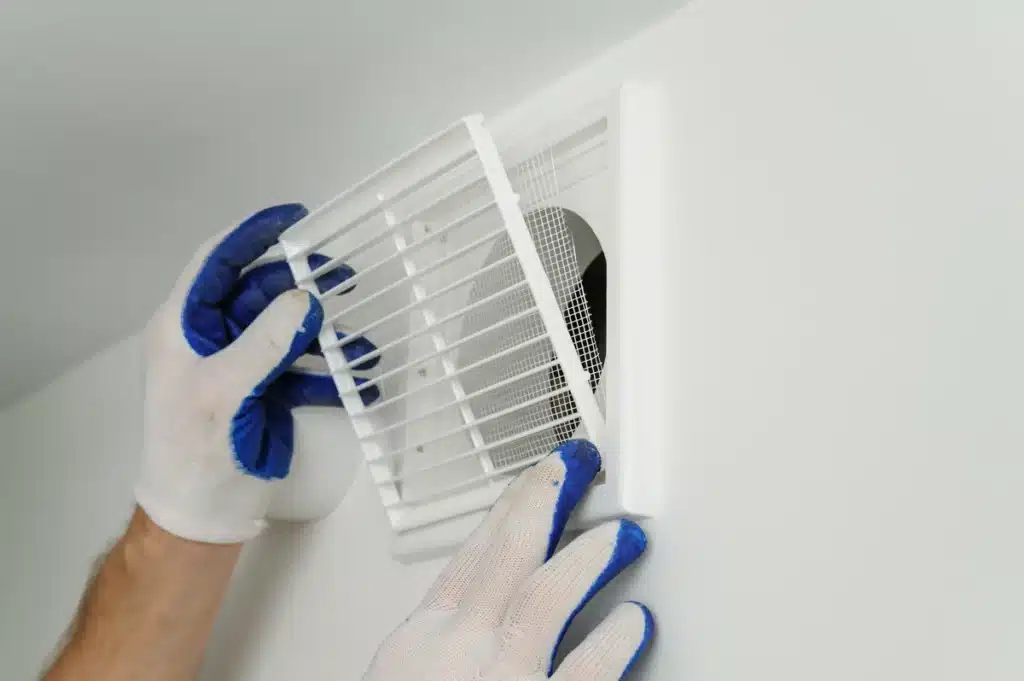
Heating vent-heat not working in house Heating vent-heat not working in house Heating vent-heat not working in house Heating vent-heat not working in house

Heat Not Working In House: 6 Common Issues (& Solutions)

Imagine a frigid winter morning, and you’re craving the warmth of your cozy home. But as you crank up the thermostat, you’re met with a dreaded realization—the heat not working in house.

It may be time to repair your HVAC system.

Before you panic or bundle up in layers, let’s embark on a journey to uncover the most common issues that might be keeping your home from feeling like a toasty haven and their DIY solutions.

What you’ll find in this blog:

Keep reading to become an empowered homeowner and learn how to take matters into your own hands–literally!–when it comes to fixing the heat in your home.

Why DIY Heat Repair Matters 🫡

Before we dive into troubleshooting, let’s take a moment to understand why taking matters into your own hands can be a real game-changer.

  • Immediate Relief: DIY solutions can often get your heat up and running faster than waiting for a professional technician (unless you need a major HVAC system repair or replacement done).
  • Cost Savings: A service call from a local HVAC technician can be expensive depending on what furnace maintenance you need done. By addressing minor issues yourself, you can save money.
  • Empowerment: Learning how to troubleshoot your heating system gives you more control over your home’s comfort and can be an essential skill in emergencies.

Now, let’s roll up our sleeves and tackle those furnace problems in 6 simple steps.

1. Check the Thermostat

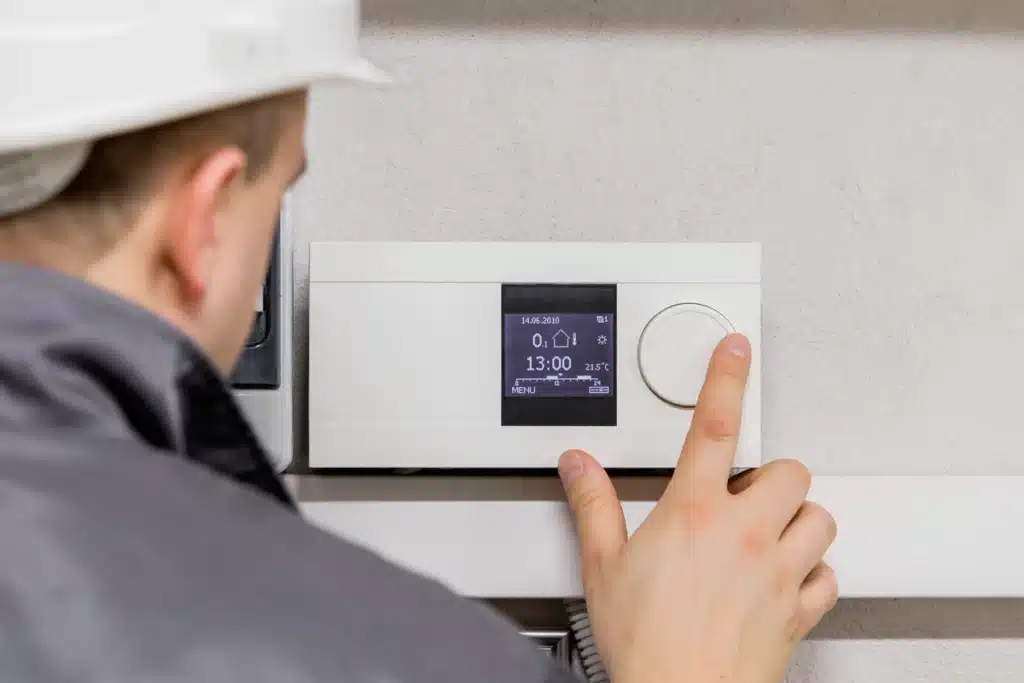
HVAC professional adjusts thermostat

First and foremost, it’s essential to check your thermostat settings to ensure they’re appropriately configured. Make sure that your thermostat is set to the “heat” mode and that the desired temperature is higher than the current room temperature. This ensures that your heating system is actively engaged and trying to reach the set temperature.

Additionally, if your thermostat relies on batteries for power, it’s crucial to perform a battery check. Replacing the batteries, if necessary, ensures that your thermostat is receiving a consistent power supply, allowing it to function effectively and communicate with your heating system accurately. These straightforward steps lay the foundation for troubleshooting your heating issues and getting your home comfortably warm once again.

2. Inspect the Air Filter

Inspecting the air filter is a vital part of ensuring your heating system’s optimal performance. A clogged or dirty air filter not only restricts airflow but can also lead to increased energy consumption and even potential damage to your system over time.

To maintain efficient heating, it’s essential not only to check the filter condition but also to replace it as needed. Regular filter replacement helps maintain proper airflow, improves heating efficiency, and ensures a healthier indoor environment for you and your family.

3. Ventilation Check

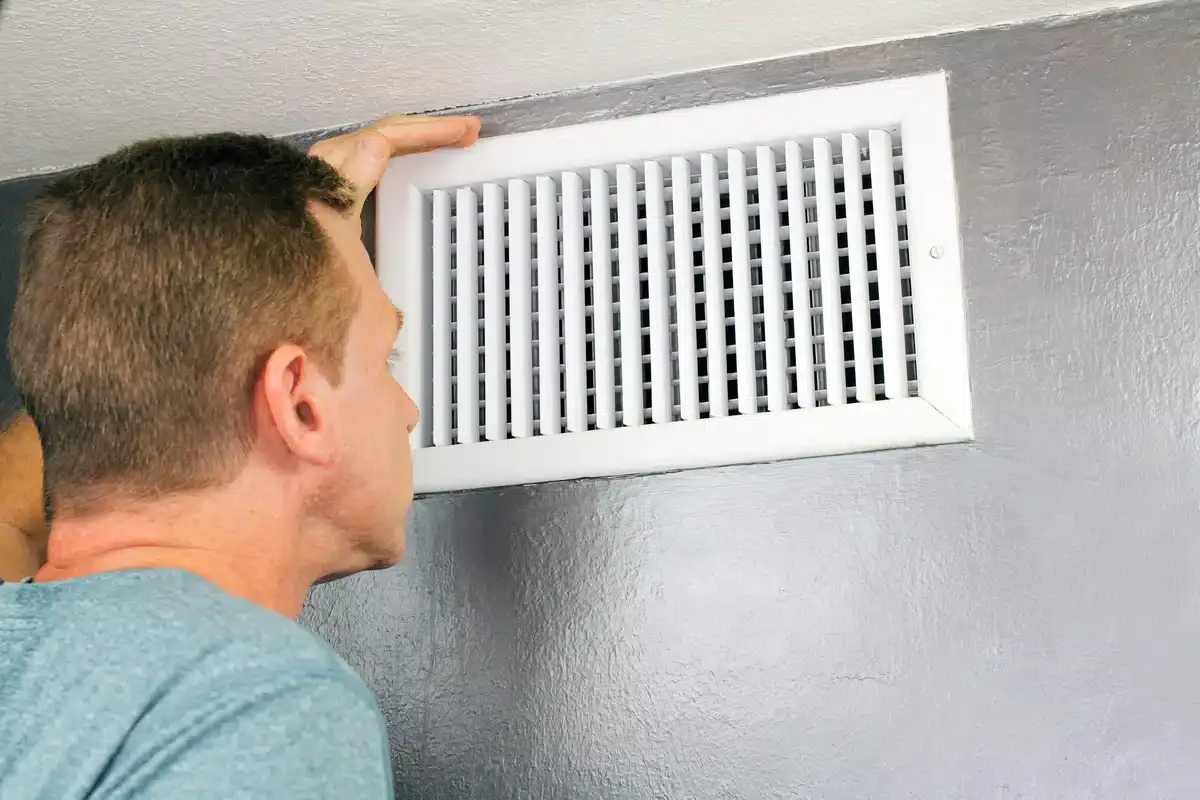
When conducting a ventilation check, it’s essential to pay close attention to your heating vents. In addition to ensuring they are open and unobstructed, take a moment to examine the surrounding area to prevent any objects, furniture, or debris from inadvertently blocking the vents.

This proactive approach ensures that warm air can flow freely throughout your home, maximizing the efficiency of your heating system and keeping you comfortably warm during the colder months.

4. Reset the Circuit Breaker

Resetting the circuit breaker is a straightforward yet crucial step in troubleshooting heating issues. If you find that the breaker has tripped, it’s important not only to reset it but also to investigate the potential causes behind the tripping to prevent future disruptions in your heating system. Identifying and addressing any underlying electrical issues ensures a more reliable and uninterrupted heat supply in your home.

5. Check the Gas Supply

Verifying the status of the gas supply valve is a vital step for gas-powered heating systems. After ensuring the valve is open, allow a few minutes for the gas to flow and reach your heating system before attempting to restart it. This brief waiting period ensures that the gas supply is fully restored, helping your heating system operate smoothly and efficiently once again.

6. Bleed Radiators (For Radiant Heating)

Bleeding the radiators in a radiant heating system is a crucial maintenance task that helps release any trapped air, allowing hot water to circulate freely and ensure efficient heating throughout your home. By regularly checking and addressing air pockets in your radiators, you can maintain consistent warmth and comfort during the colder months.

6 Common Heating Issues & How to Fix ‘Em đź”§

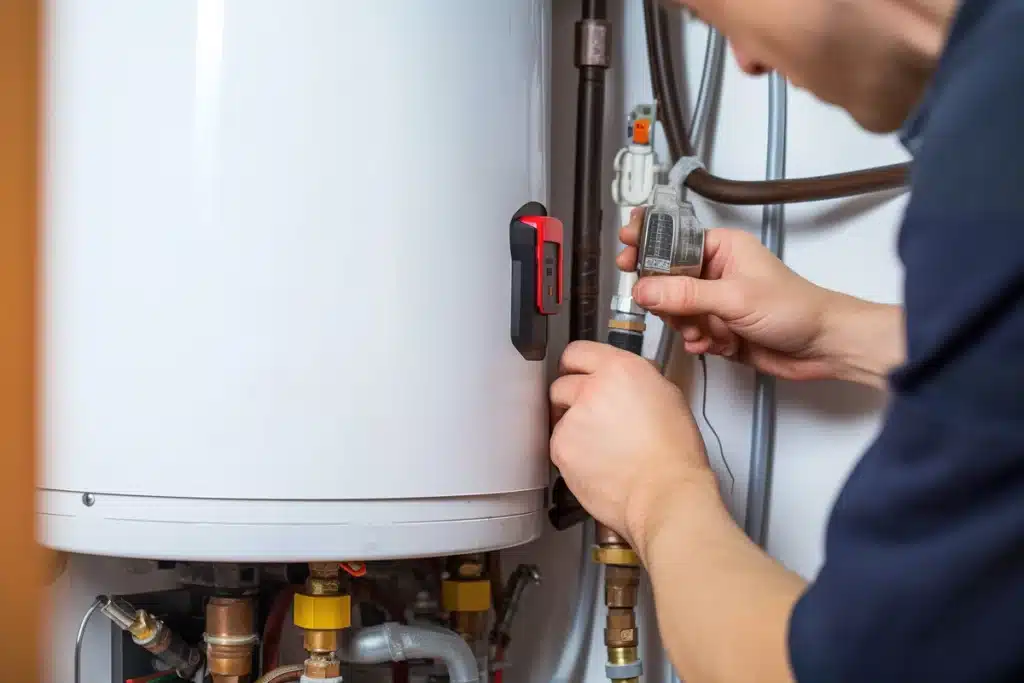
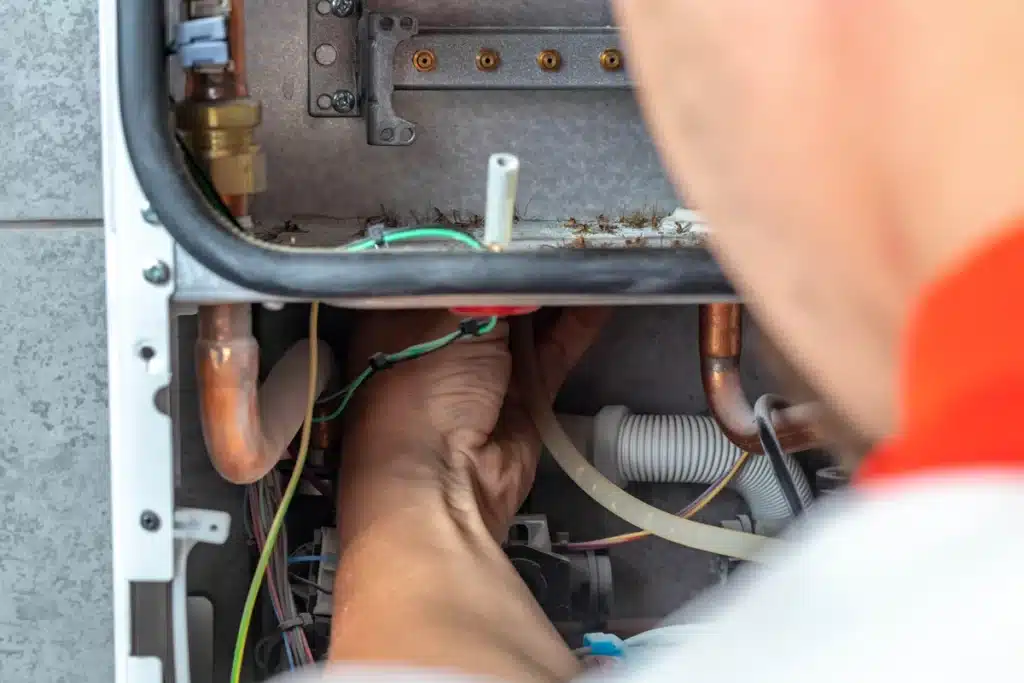
furnace repair

Below we’ll cover 6 typical heating problems and how you can fix them like a true champ!

1. No Heat at All

If your heating system isn’t producing any heat, check the thermostat settings, air filter, circuit breaker, and gas supply. If these are fine, it might be a faulty ignition system or a more complex issue that requires professional help. Ignoring this problem could lead to further complications, so it’s best to address it as soon as possible.

2. Insufficient Heat

If your home isn’t warming up as expected, a dirty air filter, blocked vents, or thermostat issues might be to blame. Check and address these issues before considering professional assistance. If left unchecked, these problems can cause your system to work harder, leading to increased energy costs. Frequent cycling can also cause unnecessary wear and tear on the system, reducing its lifespan.

3. Heater Keeps Turning On and Off

Frequent cycling could be due to a malfunctioning thermostat, a dirty filter, or improper airflow. Try replacing the thermostat batteries, cleaning the filter, or ensuring unobstructed vents. Frequent cycling can also cause unnecessary wear and tear on the system, reducing its lifespan.

4. Loud or Unusual Noises

Unusual sounds like banging, clanging, or rattling could indicate a problem with the blower motor or other components. Inspect and clean the blower or consult a professional if needed. Continuing to run the system with these noises could lead to more significant and costly repairs.

5. Uneven Heating

If some rooms in your home are warmer than others, it might be due to blocked vents, a malfunctioning damper, or an improperly sized heating system. Check and address these issues to balance the heating. Ensuring balanced airflow can also improve your overall comfort and energy efficiency.

6. Pilot Light Issues

If you have a gas furnace with a pilot light, ensure it’s lit. If it’s not, follow your furnace’s instructions to relight it. If the pilot light won’t stay lit, it could be a thermocouple issue that might require professional repair. Regularly checking and maintaining the pilot light can prevent future ignition issues.

A Warm & Cozy Home Awaits đź§Ł

While some heating problems may require professional assistance, these common DIY solutions can often get your heat back on track. Remember, safety comes first—always turn off the power before attempting any repairs. By troubleshooting and addressing minor issues, you can enjoy a warm and cozy home during those cold winter days and nights. Get in touch with our top-notch technicians at Thelen Plumbing, Heating, and Air today for all your HVAC & Plumbing needs. We’ll make sure your home stays in solid shape with the proper TLC it deserves!

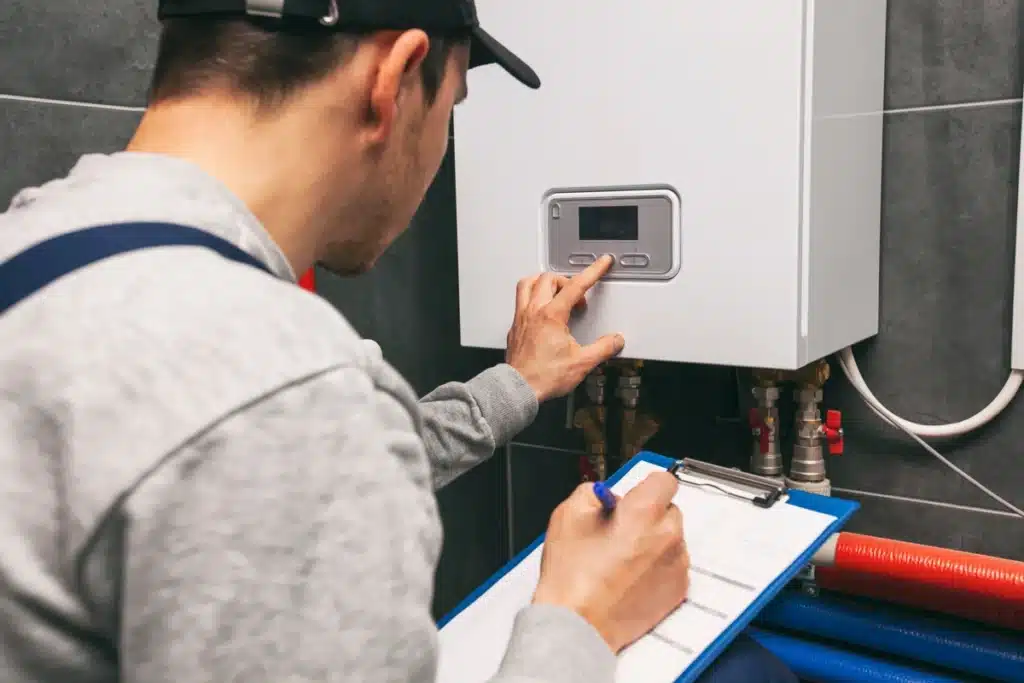
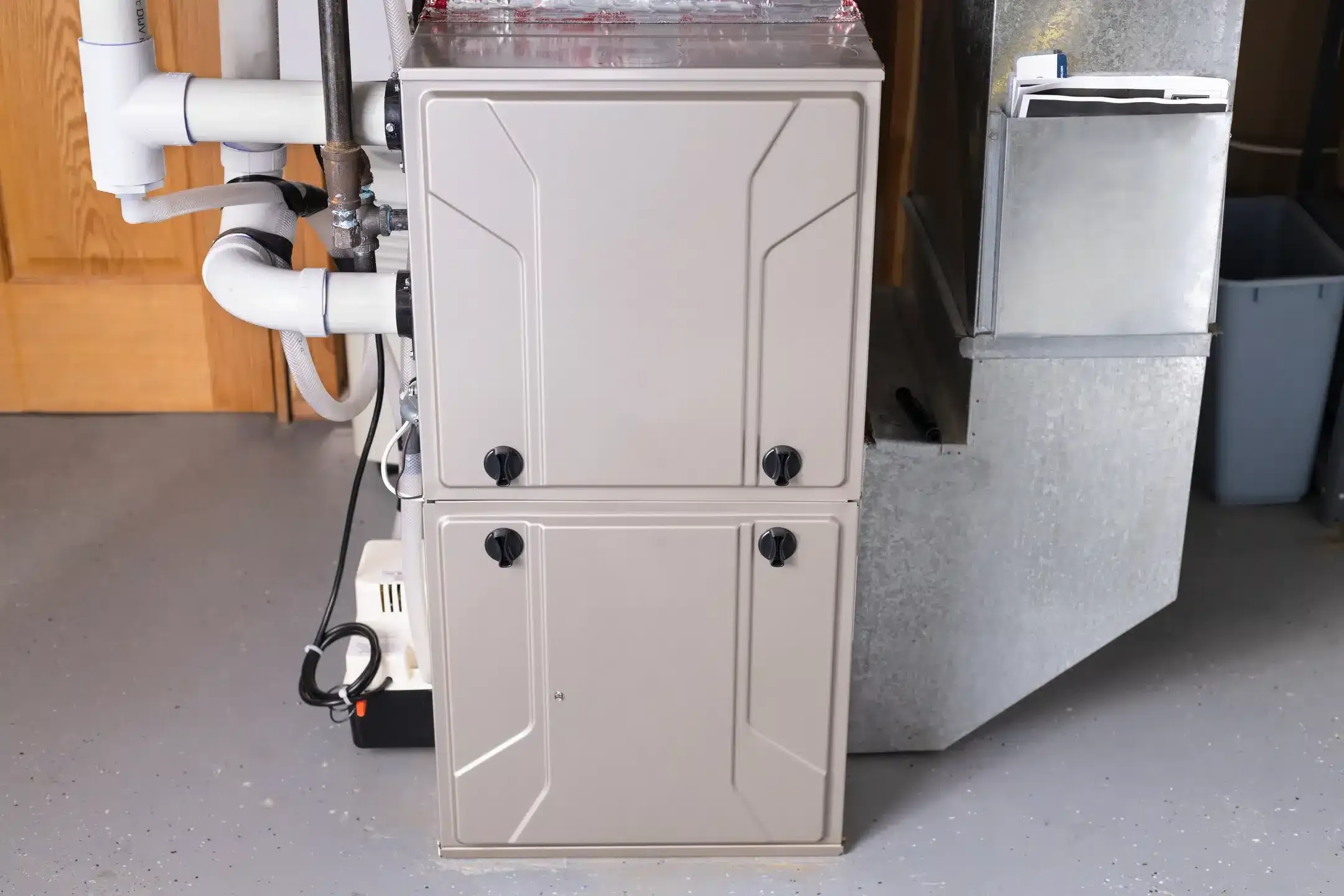
furnace in basement furnace in basement

11 Step Furnace Repair Guide (Homeowner’s Guide)

When the temperatures drop and you rely on your furnace for warmth, a malfunctioning heating system can leave you in the cold.

It may be time to repair or replace your furnace.

But before you reach for that emergency hotline with your icy-cold fingers, let’s explore an easy furnace repair guide that might just help you solve common issues with your heating system. Prepare to live in a warm home again!

What you’ll find in this article:

  • Benefits of a DIY furnace repair
  • 11 actionable steps to take to tackle furnace repair effectively
  • 5 common furnace problems + solutions
  • Common mistakes homeowners make

Read on to discover everything you need to know about how to DIY repair your faulty furnace like a real pro!

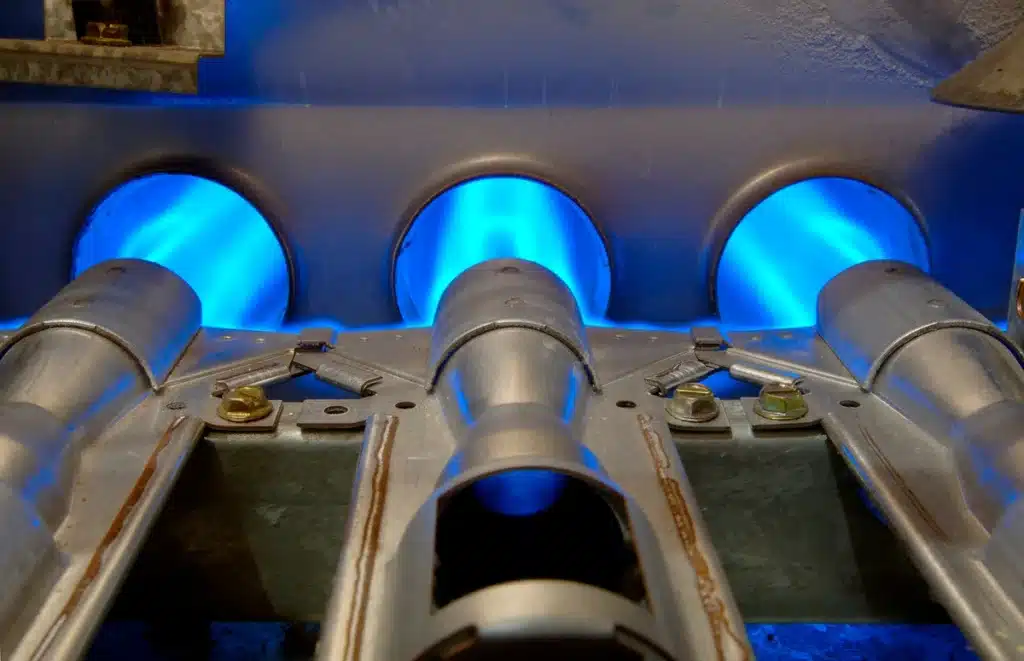
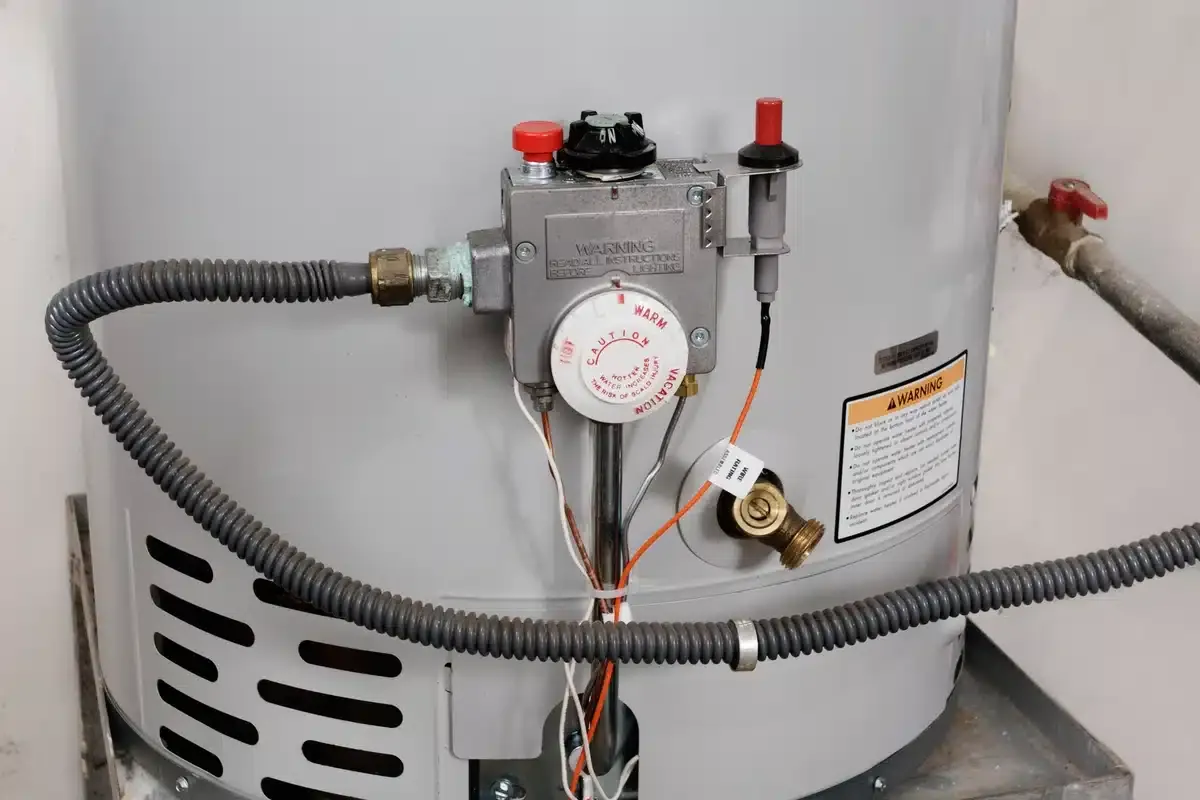
pilot light on a gas furnace

Why DIY Furnace Repair Matters

Before diving into the step-by-step fixes, let’s look at why learning basic furnace troubleshooting is a smart move—especially for Minnesota homeowners who rely on heat for survival, not just comfort.

đź’° Cost Savings

Professional HVAC service calls can run $100 to $300—before any actual repairs. Tackling small issues like a dirty filter or tripped breaker can save you money and prevent unnecessary technician visits.

⏱️ Faster Fixes

When your furnace stops working at 10 p.m. during a Minnesota cold snap, waiting for next-day service isn’t ideal. Knowing what to check first can restore heat in minutes, not hours.

đź§  Knowledge Is Power

Understanding how your system works gives you peace of mind and confidence in maintaining your home. Even if you end up calling a pro, you’ll speak their language—and avoid being upsold on things you don’t need.

🚨 Emergency Readiness

Blizzards, power outages, and subzero temps are part of Minnesota winters. If your furnace cuts out during a storm, basic troubleshooting can be the difference between a minor inconvenience and pipes freezing overnight. For more, check out this guide from the U.S. Department of Energy on home heating systems

🧊 Fun fact: Pipes can freeze in as little as 6 hours if indoor temps drop below 32°F. Knowing how to restart your furnace quickly could save thousands in water damage.

Now, let’s get down to the nitty-gritty of furnace repair with these 11 easy-to-follow steps.

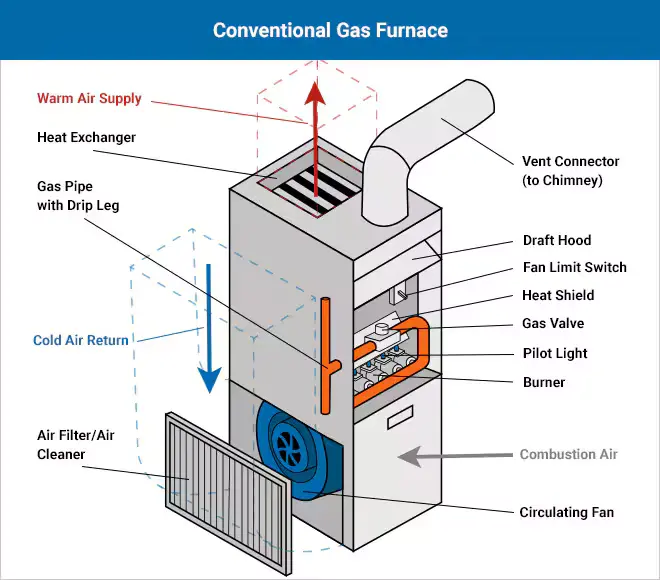
Where To Find Components of A Typical Gas Furnace

11 Step Furnace Repair Troubleshooting Checklist

1. Turn Off the Power First

Safety is top priority. Locate the power switch or circuit breaker for your furnace and turn it off before you begin any repairs.

2. Check the Thermostat

Ensure your thermostat is set to “heat” mode and the temperature is higher than the current room temperature. And, if your thermostat uses batteries, replace them to rule out a power issue.

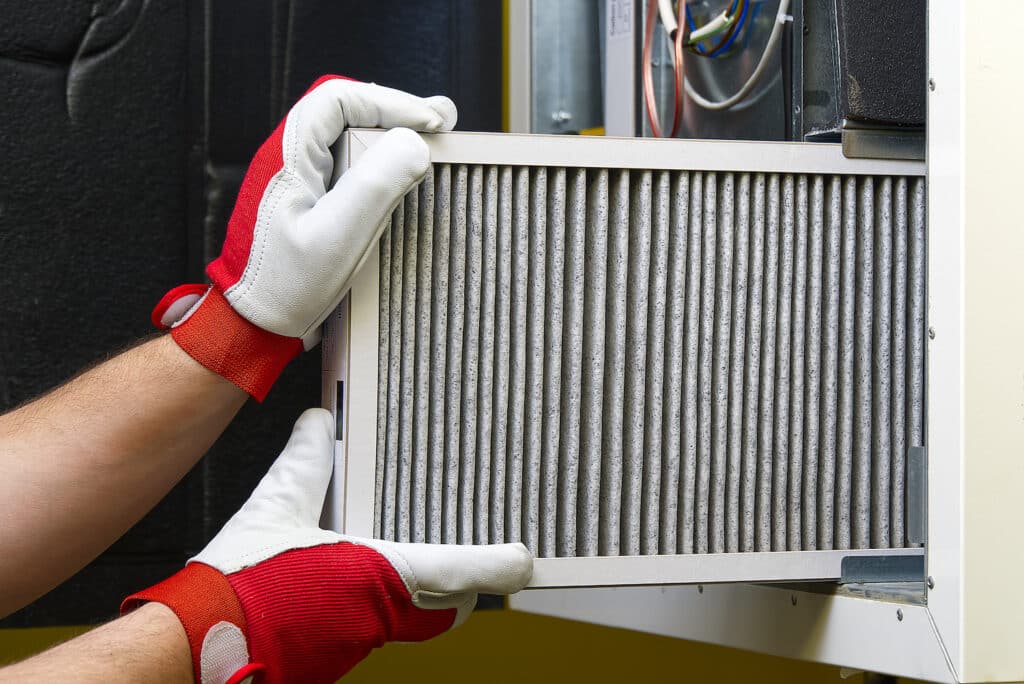
3. Inspect the Air Filter

A dirty or clogged air filter can restrict airflow and affect your furnace’s efficiency which is no fun. Replace the air filters if necessary to keep up with proper furnace maintenance.

checking the air filter in your furnace repair checklist

4. Reset the Circuit Breaker

If the furnace isn’t responding, check the circuit breaker to ensure it hasn’t tripped. Reset it if needed.

5. Look at the Gas Supply

Make sure the gas supply valve to the furnace is open. If it’s off, turn it on and wait a few minutes before trying again.

6. Check the Pilot Light

If you have a gas furnace with a pilot light, ensure it’s lit. If not, follow your furnace’s instructions to relight it.

7. Inspect the Blower Fan

Dust and debris can accumulate on the blower fan, reducing its efficiency. Clean it gently to improve airflow.

8. Vent and Duct Inspection

Check for any obstructions or blockages in the exhaust vent. Ensure it’s clear of snow, leaves, or debris. You should also examine your ductwork for any visible damage or disconnections.

9. Listen for Unusual Noises

Pay attention to any unusual sounds coming from your furnace. Different noises can indicate specific issues.

10. Check Thermostat Wiring

Ensure the thermostat wiring is intact and correctly connected. Loose or damaged wires can disrupt communication with the furnace.

11. Consult Your Furnace Manual

If you have your furnace manual, consult it for troubleshooting steps specific to your make and model. Remember, you can always lean on the expertise of a furnace repair technician if you’re worried about repairing your furnace correctly.

5 Common Furnace Problems + Solutions đź’ˇ

Below we’ll go over 5 typical problems that homeowners face with their furnace and how to effectively solve them.

1. No Heat

  • Possible Causes: Dead thermostat, tripped breaker, faulty igniter
  • Try This: Check thermostat settings and breaker; relight pilot

2. Insufficient Heat

  • Possible Causes: Clogged filter, blocked vents, blower motor issues
  • Try This: Replace the filter and clear vents; if no improvement, call for service

3. Short Cycling (On/Off Frequently)

  • Possible Causes: Dirty filter, oversized system, thermostat error
  • Try This: Replace the filter, and check thermostat placement

4. Loud Noises

  • Possible Causes: Loose parts, motor failure, burner issues
  • Try This: Tighten screws, clean burners. If noises persist, call a pro.

5. Noisy or Banging Ducts

  • Possible Causes: Expanding metal, debris in ductwork
  • Try This: Add insulation or consult a tech for duct adjustment or cleaning

Common Furnace Mistakes Homeowners Make

Forgetting to Change the Air Filter

Why it matters: A clogged filter restricts airflow, forces your system to work harder, and can cause overheating or short cycling.

How to avoid it:
Change your filter every 1–3 months, especially during peak winter months when your furnace is running daily. If you have pets or allergies, change it more frequently.

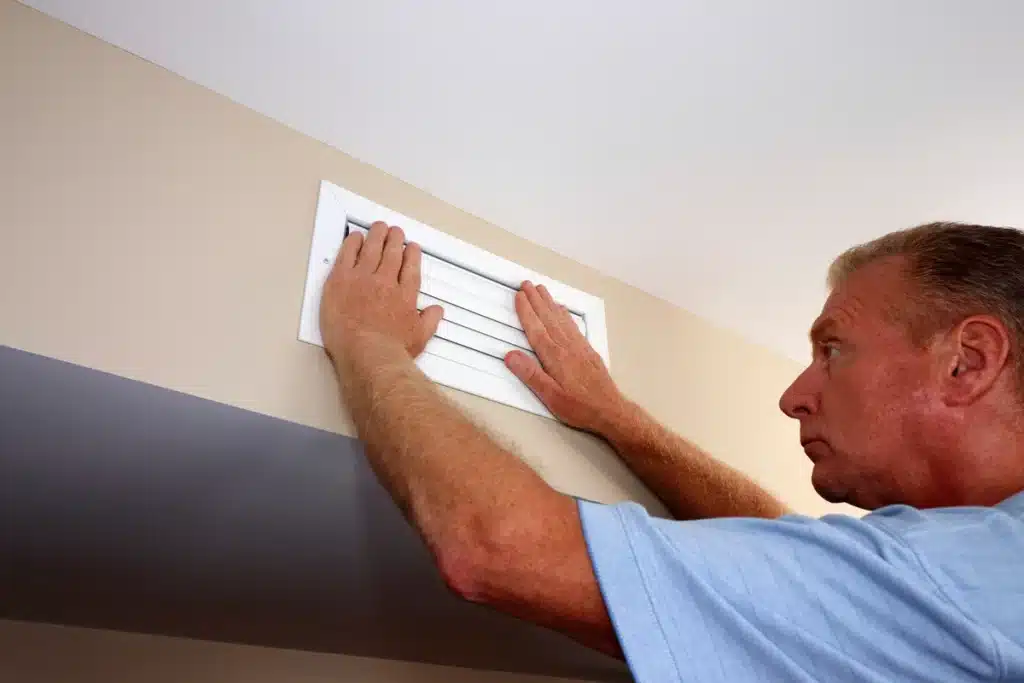
homeowner closing a vent in his home

Blocking or Closing Too Many Vents

Why it matters: Many homeowners think closing vents in unused rooms will save energy. In reality, it throws off the pressure balance and can damage your blower motor.

How to avoid it:
Keep at least 80% of your vents open at all times and ensure furniture or rugs aren’t covering supply or return vents.

Ignoring Strange Sounds or Smells

Why it matters: Banging, rattling, or burning smells are often early warning signs of mechanical issues. Waiting too long can turn a minor repair into a major one.

How to avoid it:
If you hear unusual noises or smell something off (especially rotten eggs or burning plastic), turn off your furnace and call a technician immediately.

🔥 Rotten egg smell? That could be a gas leak—evacuate and call 911 and your gas provider.

Skipping Annual Tune-Ups

Why it matters: Small problems like dirty burners, loose wiring, or low gas pressure are easily caught during regular inspections—but not during a cold snap at 2 a.m.

How to avoid it:
Schedule a professional tune-up every fall, before heating season kicks in. Many HVAC companies (like us!) offer maintenance plans that include annual inspections and priority service.

đź§° When to Call a Professional

DIY is great—but some problems need a licensed technician. Contact an expert if:

  • The furnace is leaking or smells like gas
  • There’s rust or water around the unit
  • You see error codes or flashing lights
  • You’ve done all the steps and it still doesn’t work

Rely On Thelen Plumbing, Heating, and Air For All Your Furnace Repair Needs

While some furnace issues may require professional attention, this 11-step furnace repair guide empowers you to tackle common problems and restore warmth to your home. Remember, safety comes first—always turn off the power before attempting any repairs or replacing. With a little knowledge and these DIY steps, you can keep your home cozy and comfortable even when your furnace decides to take a break.

Get in touch with our top-notch technicians at Thelen Plumbing, Heating, and Air today for all your HVAC & Plumbing needs. We’ll make sure your home stays in solid shape with the proper TLC it deserves!

FAQs

What’s the average cost of furnace repair in Minnesota?

Most furnace repairs in Minnesota range from $150 to $600, depending on the issue. Replacing a blower motor or igniter is more expensive than fixing a thermostat or changing a clogged filter.

How often should I schedule furnace maintenance?

You should schedule professional maintenance once a year, ideally in the fall before peak heating season. This can catch issues early and improve efficiency.

How long do furnace repairs usually take?

Most repairs can be completed in 1–2 hours after diagnosis. However, delays can happen if parts need to be ordered or if it’s a weekend or emergency call.

Can a furnace repair improve energy efficiency?

Yes. Fixing issues like dirty burners, leaky ducts, or malfunctioning thermostats can significantly reduce energy waste and lower your monthly heating bills.

Schedule Service

"*" indicates required fields

This field is for validation purposes and should be left unchanged.