Author: Kevin

What Is An AC Condenser And What Does It Do?

Air conditioning has become an essential aspect of modern living, especially during those scorching summer months. But have you ever wondered what makes your AC system work so efficiently? One of the critical components is the AC condenser. In this blog post, we’ll explore what an AC condenser is, its role in your air conditioning system, and why understanding it can help you maintain a cooler home. Here’s what we’ll cover:

  • Understanding an AC Condenser
  • Different Types of AC Condensers
  • Signs Your AC Condenser Needs Maintenance
  • Common AC Condenser Problems
  • Benefits of Regular AC Condenser Maintenance
  • Professional Maintenance vs. DIY
  • FAQs

🤔 Understanding an AC Condenser

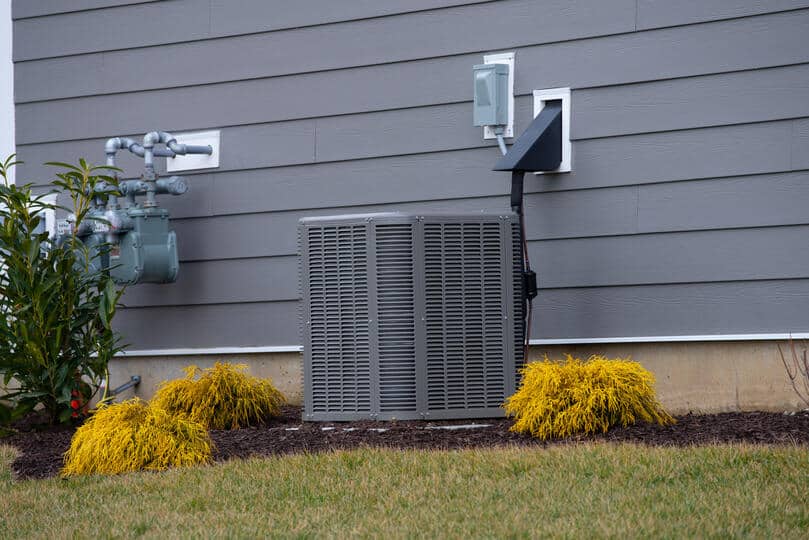
ac condenser-distant view of an ac unit next to a gray sided house

The AC condenser unit is a vital part of your air conditioning system. It plays a crucial role in converting refrigerant gas into a liquid, which helps in the cooling process. Typically located outside your home, the condenser is responsible for releasing the heat absorbed by the refrigerant inside your home.

While it may seem complex, the condenser’s operation is straightforward once you understand its components and function.

How an AC Condenser Works

Understanding how an AC condenser works is crucial for maintaining optimal cooling efficiency in air conditioning systems. This knowledge can help homeowners troubleshoot issues and ensure their units operate effectively, ultimately prolonging the lifespan of the system.

The Cooling Process

The primary role of an AC condenser is to release the heat that the refrigerant absorbs from inside your home. When the refrigerant gas reaches the condenser, it is compressed, causing it to become hot. This hot gas then flows through the condenser coils, dissipating the heat into the surrounding air.

Components of an AC Condenser

An AC condenser comprises several parts, including the compressor, condenser coils, fan, and refrigerant lines. Each component works together to ensure efficient heat release and cooling.

The Role of Refrigerant

Refrigerant is the lifeblood of your AC system, cycling between the evaporator and condenser. It absorbs heat from inside your home and releases it outside, keeping your indoor environment cool and comfortable.

Importance of the AC Condenser in Your AC System

The AC condenser plays a crucial role in your air conditioning system by dissipating heat from the refrigerant, allowing for efficient cooling. Without a properly functioning condenser, your AC system can struggle to maintain desired temperatures, leading to increased energy consumption and discomfort. Some key features of an AC condenser include:

  • Efficient Heat Transfer: The AC condenser is crucial for efficient heat transfer. Without it, your air conditioning system would struggle to release the heat absorbed from your home, leading to poor cooling performance.
  • Energy Efficiency: A well-maintained condenser ensures your AC system operates efficiently. This translates to lower energy bills and a reduced carbon footprint.
  • Longevity of Your AC System: Regular maintenance and proper functioning of the condenser can extend the lifespan of your air conditioning system, saving you money on costly replacements.

Different Types of AC Condensers

Air-Cooled Condensers

Air-cooled condensers are the most common type found in residential AC systems. They use a fan to blow air over the condenser coils, dissipating heat into the surrounding air.

Water-Cooled Condensers

Water-cooled condensers use water to absorb and dissipate heat. These are typically more efficient than air-cooled condensers but require a water source and additional maintenance.

Evaporative Condensers

Evaporative condensers combine elements of both air-cooled and water-cooled systems. They use a fan and a water spray to cool the refrigerant, making them highly efficient but more complex.

⚠️ Signs Your AC Condenser Needs Maintenance

Regular maintenance of your AC condenser is crucial to ensure optimal cooling performance and energy efficiency. Neglecting its upkeep can lead to costly repairs and reduced lifespan, making it essential to recognize the signs that indicate it needs attention.

  • Reduced Cooling Efficiency: If your AC system isn’t cooling as effectively as it used to, the condenser might be dirty or malfunctioning.
  • Strange Noises: Unusual noises from the condenser unit could indicate a problem with the fan, compressor, or other components.
  • Increased Energy Bills: A sudden spike in your energy bills could be a sign that your condenser is working harder than it should, often due to dirt or mechanical issues.
  • Leaking or Pooling Water: If you notice water pooling around your AC unit, it could indicate a refrigerant leak or a blocked drain line.
  • Frequent Cycling: If your AC turns on and off more often than normal, it may be a sign that the condenser is struggling to keep up.
  • Foul Odors: Unpleasant smells coming from the unit can indicate mold or mildew buildup, which requires immediate attention.
  • Poor Air Flow: If you’re experiencing weak airflow from the vents, it might point to issues with the condenser or ductwork.
  • Age of the Unit: If your AC condenser is older than 10-15 years, regular maintenance becomes crucial to ensure its efficiency and longevity.

Common AC Condenser Problems

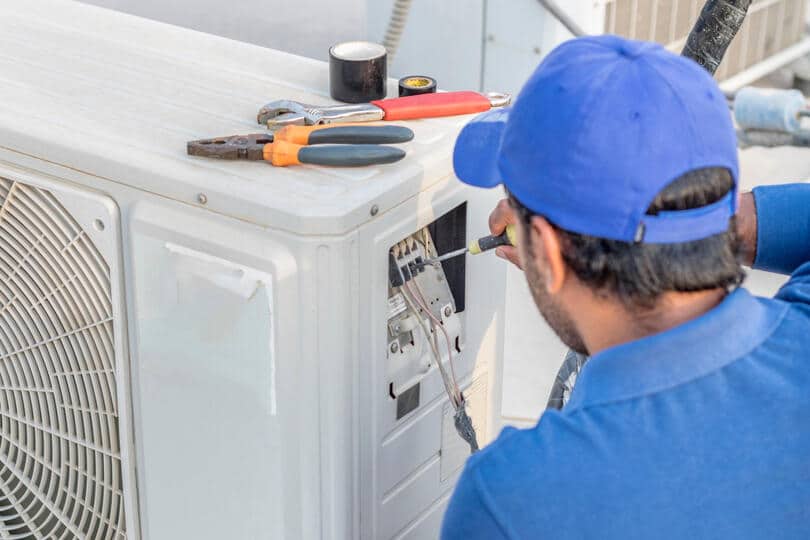
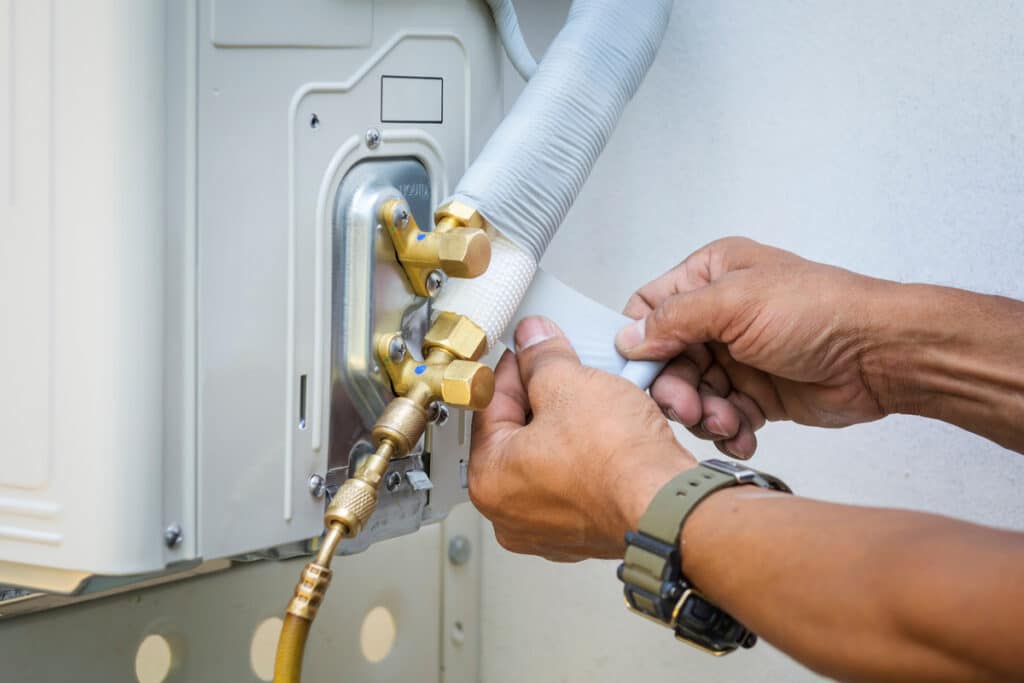
ac condenser-technician performing maintenance on an ac unit

Understanding common AC condenser problems is crucial for maintaining optimal cooling efficiency and prolonging the lifespan of your air conditioning system. By identifying and addressing these issues early, homeowners can avoid costly repairs and ensure a comfortable indoor environment.

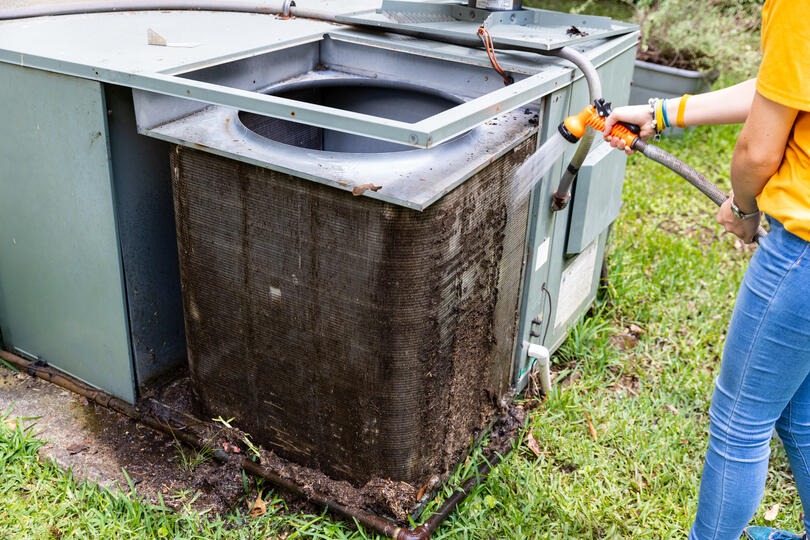
Dirty Coils: Dirty condenser coils can significantly reduce the efficiency of your AC system. Regular cleaning can prevent this issue.

Refrigerant Leaks: Leaks in the refrigerant lines can cause the system to lose its cooling capacity. It’s essential to address refrigerant leaks promptly to prevent damage.

Electrical Issues: Faulty wiring or electrical components can cause the condenser to malfunction. Regular inspections can help identify and fix these issues.

✅ Benefits of Regular AC Condenser Maintenance

Regular maintenance of your AC condenser is crucial for ensuring optimal performance and efficiency. It helps prevent breakdowns, extends the lifespan of the unit, and can lead to significant energy savings, keeping your home comfortable while reducing utility costs.

1. Improved Efficiency

Regular maintenance ensures your condenser operates at peak efficiency, providing better cooling and lower energy bills. This not only enhances comfort but also reduces overall energy consumption, making your system more eco-friendly.

2. Extended Lifespan

Routine maintenance can extend the lifespan of your AC system, preventing costly repairs and replacements. By addressing minor issues before they escalate, you can enjoy a longer-lasting unit that serves you well for years.

3. Enhanced Comfort

A well-maintained condenser ensures your home remains cool and comfortable, even during the hottest days. This consistent performance contributes to a more enjoyable living environment, allowing you to relax without worrying about temperature fluctuations.

4. Better Air Quality

Regular maintenance helps prevent dirt and debris buildup, promoting cleaner air and reducing allergens in your home. This is especially beneficial for those with allergies or respiratory issues, as it creates a healthier indoor atmosphere.

5. Fewer Breakdowns

Routine check-ups can identify potential issues early, reducing the likelihood of unexpected breakdowns. This proactive approach not only saves you from the inconvenience of sudden failures but also reduces repair costs over time.

6. Lower Environmental Impact

An efficient AC system consumes less energy, leading to a smaller carbon footprint and environmentally friendly performance. By investing in maintenance, you’re contributing to a sustainable future while enjoying comfortable indoor temperatures.

7. Warranty Protection

Keeping up with maintenance often ensures that your warranty remains valid, protecting your investment in the long run. This peace of mind means you can enjoy your AC system without worrying about voiding crucial coverage.

Professional Maintenance vs. DIY

Pros of Professional Maintenance

Professional technicians have the expertise and tools to perform thorough maintenance, ensuring all components are in good working condition.

Cons of DIY

While DIY maintenance can save money, it may not address all potential issues, leading to costly repairs down the line.

Deciding What’s Best for You

Consider your comfort level with DIY tasks and the complexity of the maintenance required. For critical issues, professional maintenance is often the best choice.

How to Clean Your AC Condenser

Cleaning your AC condenser is crucial for maintaining optimal efficiency and prolonging the lifespan of your air conditioning unit. A clean condenser ensures better airflow and heat exchange, which can lead to reduced energy costs and improved cooling performance.

Turn Off the Power

Before cleaning, always turn off the power to the condenser to ensure safety. This is a vital step to prevent any electrical accidents and to allow you to work on the unit without risk.

Remove Debris

Clear any debris, leaves, or dirt from around the condenser unit to ensure proper airflow. This involves checking not just the top but also the sides of the unit, as well as the surrounding area. Regularly removing debris helps maintain efficient air circulation and prevents overheating.

Clean the Coils

Use a coil cleaner or a mixture of water and mild detergent to clean the condenser coils. Gently spray or apply the cleaner and scrub if necessary, being cautious not to damage the fins. Rinse thoroughly and allow them to dry before turning the power back on. This step is important as dirty coils can significantly hinder the cooling efficiency of your AC unit.

❓ FAQs

ac condenser-two ac units next to each other next to a gray sided house

Q: How Often Should I Clean My AC Condenser?

It’s recommended to clean your condenser at least once a year, preferably before the cooling season begins.

Q: Can I Replace My AC Condenser Myself?

While some DIY enthusiasts may be able to handle condenser replacement, it’s generally best to hire a professional to ensure proper installation and avoid potential issues.

Q: What Are the Signs of a Failing AC Condenser?

Signs of a failing condenser include reduced cooling efficiency, strange noises, and increased energy bills. Regular maintenance can help prevent these issues.

🙌 Ensuring Optimal AC Condenser Performance for a Comfortable Home

Ensuring the optimal performance of your AC condenser is crucial for efficiency, longevity, and comfort in your home. At Thelen Plumbing, Heating, and Air, our dedicated team brings extensive expertise in HVAC systems, providing reliable maintenance and repair services tailored to your specific needs. We understand the importance of a well-functioning condenser and are committed to delivering top-notch service with a focus on quality and customer satisfaction. Don’t let AC issues linger—trust the professionals at Thelen Plumbing, Heating, and Air to keep your system running smoothly. Contact us today to schedule your maintenance appointment and ensure your home stays cool and comfortable all season long!

Is AC Coil Cleaner Worth It? (3 Best Brands To Use)

Maintaining your air conditioning system is crucial for its efficiency and longevity. One key aspect of maintenance is cleaning the AC coils, but this is often overlooked by homeowners. In this post, we’ll explore whether investing in an AC coil cleaner is worth it and look at the best brands to use. Here’s what we’ll cover:

  • Understanding AC Coils and Why They Need Cleaning
  • Types of AC Coil Cleaners
  • DIY vs. Professional Cleaning
  • Signs That Your AC Coils Need Cleaning
  • Safety Tips for Using AC Coil Cleaners
  • Step-by-Step Guide to Cleaning Your AC Coils
  • 3 Best AC Coil Cleaner Brands to Use
  • Common Mistakes to Avoid When Cleaning AC Coils
  • Frequently Asked Questions

🤔 Understanding AC Coils and Why They Need Cleaning

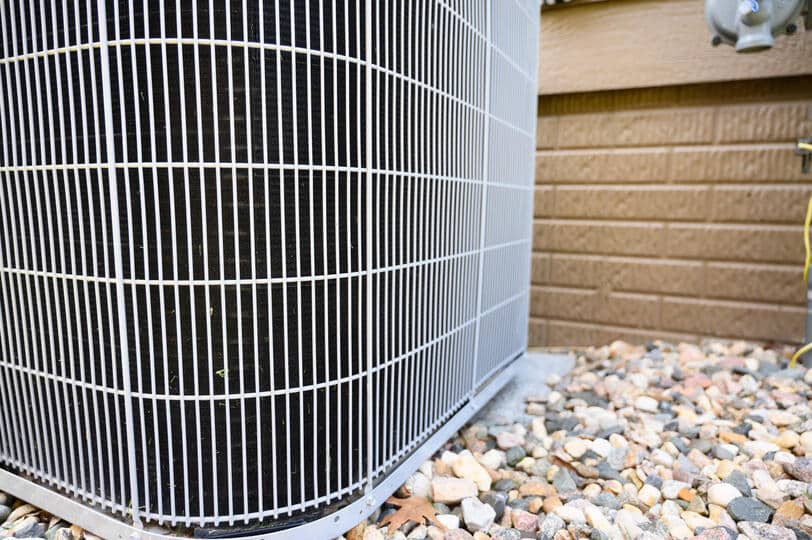
ac coil cleaner-close up of ac unit with debris-free coils

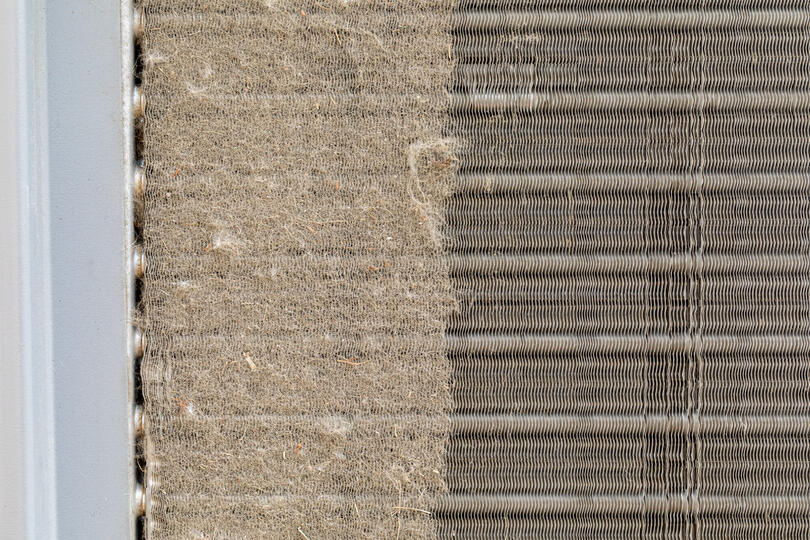
AC coils play a crucial role in your air conditioning system. They help transfer heat from inside your home to the outside, keeping your house cool. Over time, these coils can accumulate dirt, dust, and other debris, which can affect their efficiency. Dirty coils can lead to higher energy bills, reduced cooling performance, and even system breakdowns.

Cleaning your AC coils helps maintain optimal performance and prolongs the lifespan of your unit. It ensures that your system runs efficiently, providing you with consistent cooling and saving you money on energy costs.

Benefits of Using an AC Coil Cleaner

Using an AC coil cleaner provides several significant benefits.

First and foremost, clean coils enhance the efficiency of your air conditioning system. When the coils are free of dirt and debris, your AC unit can operate more effectively, which in turn reduces energy consumption and lowers your utility bills.

Regular cleaning of the coils contributes to an extended lifespan for your AC system. By preventing the buildup of grime that can lead to wear and tear, you ensure that your unit lasts longer and functions optimally.

Maintaining clean coils directly impacts the air quality in your home. By removing dust and debris from the coils, you help improve the overall air quality, creating a healthier living environment.

Keeping your coils clean can lead to reduced maintenance costs. Regular upkeep helps prevent costly repairs and system breakdowns, ultimately saving you money in the long run.

👉 Types of AC Coil Cleaners

There are several types of AC coil cleaners available, each designed to cater to specific needs:

Foam Cleaners:

  • Popular option due to ease of application
  • Highly effective at breaking down dirt and grime
  • Expands to cover the entire coil surface
  • Easily rinsed off with water after use

Liquid Cleaners:

  • Offer a more potent solution
  • Can be sprayed directly onto the coils for targeted application
  • Requires rinsing after application to remove residues

No-Rinse Cleaners:

  • Convenient choice that evaporates after breaking down dirt
  • Eliminates the need for rinsing altogether

Biodegradable Cleaners:

  • Eco-friendly options that are safe for the environment and your AC system
  • Provide a responsible way to maintain your equipment without harming nature

How to Choose the Right AC Coil Cleaner

Choosing the right AC coil cleaner involves considering several important factors. First, you should determine the type of coils in your AC system. It is essential to check whether your system is equipped with aluminum or copper coils, as some cleaners are specifically formulated for one type or the other.

Next, think about the ease of use of the cleaner. Consider how simple it is to apply and whether you have a preference for a foam, liquid, or no-rinse option. The convenience of the application can greatly influence your cleaning experience.

Effectiveness is a key aspect to keep in mind. Look for cleaners that have high ratings for their cleaning power and efficiency, as this will ensure that you achieve the best results.

Safety is paramount. Make sure the cleaner you choose is safe for use with your AC system and does not contain harsh chemicals that could potentially damage the coils. By considering these factors, you can select the right AC coil cleaner for your needs.

👨‍🔧 DIY vs. Professional Cleaning

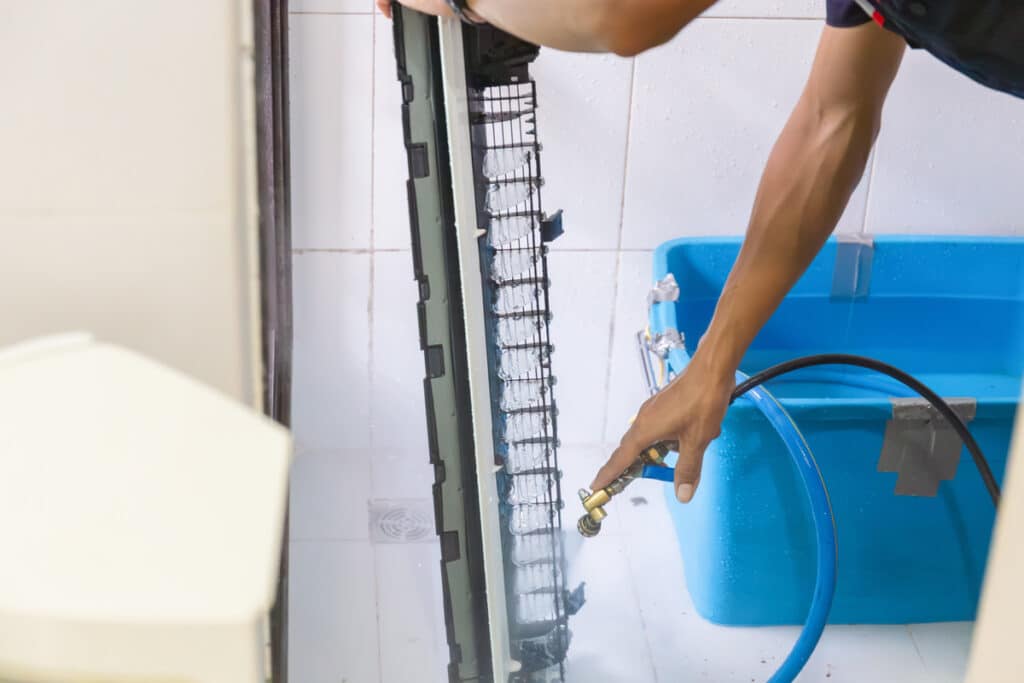
ac coil cleaner-person rinsing dirty ac coils with a hose

While DIY cleaning can be effective, there are times when professional cleaning is necessary:

Benefits of DIY Cleaning

First, one of the key benefits is cost-effectiveness. By opting for this approach, individuals can save money that would otherwise be spent on professional services.

Additionally, convenience plays a significant role. This method allows you to work on your own schedule, making it easier to fit into your busy life.

Finally, there is a sense of satisfaction that comes from completing the task yourself. This accomplishment can boost confidence and provide a rewarding experience.

When to Call a Professional

Severe buildup can occur if the coils are heavily soiled or covered in mold. This accumulation not only affects the efficiency of the system but can also lead to more significant issues down the line.

Another factor to consider is the lack of proper tools. Professional cleaners possess specialized equipment designed for thorough cleaning, ensuring that every part of your AC system is addressed effectively.

Finally, having a maintenance plan is crucial. Regular professional maintenance can significantly prolong the lifespan of your AC system, keeping it running smoothly and efficiently for years to come.

⚠️ Signs That Your AC Coils Need Cleaning

It is important to look out for signs that indicate your AC coils need cleaning. One of the main signs is reduced cooling efficiency. If you notice that your air conditioning unit isn’t cooling as effectively as it used to, dirty coils may be the underlying cause.

Another indication that your coils need attention is a rise in your energy bills. Increased energy consumption can occur when coils are dirty, leading to higher costs.

It’s crucial to inspect your coils regularly for any visible dirt and debris. If you notice a buildup, it is essential to clean them to ensure optimal performance. Keeping your AC coils clean will help maintain efficiency and prolong the life of your air conditioning system.

Maintaining Your AC System Year-Round

To ensure your air conditioning system operates smoothly, it’s important to follow a few essential maintenance tips.

Conduct regular inspections of your AC system to look for any signs of wear and tear. This proactive approach can help you catch potential issues early.

Make it a habit to replace the filters every one to three months. This practice is vital for maintaining optimal airflow and enhancing the overall efficiency of your system.

Don’t forget to schedule professional maintenance. Having your air conditioning system inspected and serviced by a professional at least once a year can significantly extend its lifespan and performance. By following these guidelines, you can keep your AC system in top condition.

🦺 Safety Tips for Using AC Coil Cleaners

When using AC coil cleaners, safety is of utmost importance. To ensure a safe cleaning process, there are several key tips to keep in mind.

First, it is essential to wear protective gear. Using gloves and safety goggles will help protect your skin and eyes from any harmful chemicals that may be present in the cleaners.

Make sure to ensure proper ventilation while cleaning. It is best to clean your coils in a well-ventilated area to avoid inhaling any potentially harmful fumes.

Always follow the manufacturer’s instructions for application and safety precautions. Adhering to these guidelines will help ensure effective and safe use of the product.

Remember to keep cleaning products away from children and pets. Storing cleaners out of reach can prevent accidental ingestion or contact, further ensuring a safe cleaning environment.

🧼 Step-by-Step Guide to Cleaning Your AC Coils

ac coil cleaner-close up image showing the difference between dirty and cleaned coils

Cleaning your AC coils is a straightforward process that can significantly improve your system’s efficiency. Follow these detailed steps for the best results:

Turn Off the Power

Before starting any maintenance work, safety should be your top priority. Locate the power switch for your AC unit and turn it off completely. If your unit is connected to a circuit breaker, switch that off as well. This step is crucial to prevent any risk of electric shock or injury while you’re working on the unit.

Access the Coils

To effectively clean your AC coils, you need to gain access to them. Start by removing the outer casing of your AC unit. This may involve unscrewing several screws or clips, so having the right tools on hand is essential. If you’re unsure how to proceed, refer to your unit’s manual for specific instructions, as different models may have different assembly designs. Take care not to damage any components during this process.

Apply the Cleaner

Once you have access to the coils, it’s time to apply the cleaner. Choose a high-quality AC coil cleaner that is suitable for your unit. Spray the cleaner evenly over the coils, ensuring that you cover all surfaces thoroughly. If you’re using a foam cleaner, apply it generously and allow it to expand, as this will help penetrate and loosen dirt and grime that has built up over time. Let the cleaner sit for the recommended amount of time indicated on the product label to achieve optimal results.

Rinse the Coils

After the cleaner has had time to work, it’s important to rinse the coils to remove any residue and loosened dirt. If your cleaner requires rinsing, use a hose or a spray bottle filled with water to gently spray the coils. Be thorough in this step, as leftover cleaner can lead to buildup and affect your AC’s performance. Make sure you rinse until the water runs clear and all traces of the cleaner are gone.

Reassemble the Unit

Once the coils are clean and completely dry, it’s time to put your AC unit back together. Carefully reattach the outer casing, ensuring all screws or clips are securely fastened. Before you turn the power back on, double-check that everything is in place and that there are no loose parts. Once you’re confident that the unit is reassembled correctly, restore the power and turn the AC back on. Monitor your system for a few minutes to ensure it’s running smoothly.

💡 3 Best AC Coil Cleaner Brands to Use

Choosing the right AC coil cleaner is crucial for maintaining the efficiency and longevity of your air conditioning system. The best brands offer effective solutions that remove dirt and debris, ensuring optimal performance and improved indoor air quality. Here are our top picks for AC coil cleaner brands:

1. Frost King ACF19 Foam Coil Cleaner

The product is highly effective at breaking down dirt and grime, making it an excellent choice for cleaning. Additionally, it is easy to apply and rinse off, providing a hassle-free user experience. Safety is also a priority, as it is safe for all types of coils, ensuring that users can clean with confidence.

2. Nu-Calgon 4171-75 Evap Foam No Rinse

The product boasts remarkable effectiveness, offering powerful cleaning action without the need for rinsing. This no-rinse formula provides unparalleled convenience, saving both time and effort in your cleaning routine. Additionally, it is eco-friendly, being biodegradable and safe for the environment, ensuring that you can clean without compromising on sustainability.

3. ComStar Coil Safe

The product offers impressive effectiveness, showcasing strong cleaning power for both aluminum and copper coils. Its versatility allows it to be suitable for various types of air conditioning systems, making it a practical choice for different needs. Additionally, safety is a key feature, as it contains no harsh chemicals, ensuring it is safe for regular use.

🚫 Common Mistakes to Avoid When Cleaning AC Coils

To ensure effective cleaning, it’s important to avoid some common mistakes. First, using harsh chemicals can be detrimental. It’s best to stick to cleaners specifically designed for AC coils, as harsher substances can cause damage.

Another mistake is improper rinsing. It’s crucial to make sure that all cleaner residue is thoroughly removed to prevent any buildup that could affect performance.

Lastly, never neglect safety gear. Always wear protective equipment to prevent injuries while cleaning. By being mindful of these points, you can achieve better cleaning results and maintain your equipment effectively.

❓ Frequently Asked Questions

Q: How Often Should I Clean My AC Coils?

It’s recommended to clean your AC coils at least once a year. However, if you live in a dusty environment or use your AC heavily, more frequent cleaning may be necessary.

Q: Can I Use Household Cleaners on My AC Coils?

It’s best to use products specifically designed for AC coils. Household cleaners may contain chemicals that can damage the coils or leave residues that affect performance.

Q: Do I Need to Rinse No-Rinse Cleaners?

No, no-rinse cleaners are designed to evaporate and don’t require rinsing. However, ensure you’re following the product instructions for best results.

🙌 AC Maintenance for Better Home Comfort

Keeping your AC coils clean is essential for maintaining the efficiency and longevity of your air conditioning system. By using the right AC coil cleaner and following proper cleaning techniques, you can enjoy consistent cooling and lower energy bills.

At Thelen Plumbing, Heating, and Air, we’re committed to helping you maintain a comfortable home environment. Our team of experts provides top-notch HVAC and plumbing services, ensuring your systems run smoothly year-round. Trust us for all your home comfort needs. Ready to experience the difference? Contact Thelen Plumbing, Heating, and Air today and discover why we’re the trusted name in home comfort.

How Does AC Work? A General Overview

Are you curious about how your air conditioning (AC) system keeps your home cool during the scorching summer months? Understanding how AC works can help homeowners make informed decisions about maintenance and upgrades. In this blog post, we’ll walk you through the essentials of air conditioning, helping you better understand just how does AC work in your home and why proper care is vital, including:

  • An overview of the basic principles of air conditioning
  • An explanation of the main components of an AC unit
  • Insights into the different types of air conditioning systems
  • Common issues and how to troubleshoot them
  • Tips for maintaining your AC for optimal performance

👉 The Basic Principles of Air Conditioning

how does ac work-image of an ac unit outside a home

How Does AC Work?

Air conditioning systems operate on fundamental principles of physics, primarily focusing on heat transfer and the refrigeration cycle. At its core, an AC unit removes heat from the indoor air, expelling it outside and circulating cool air back into the living spaces.

Key Points:

  • AC units remove heat from indoor air.
  • They expel warm air outside while circulating cool air indoors.
  • Understanding the refrigeration cycle enhances appreciation for AC efficiency.

The Refrigeration Cycle

The refrigeration cycle is the heart of how AC works. This cycle involves four main stages—evaporation, compression, condensation, and expansion—each critical in cooling your home. Understanding this cycle can help you appreciate the complexity and efficiency of modern AC systems.

Heat Transfer and Phase Change

An essential component of air conditioning is the phase change of the refrigerant. When the refrigerant evaporates, it absorbs heat, and when it condenses, it releases heat. This continuous process ensures that warm air inside your home is replaced with cooler air.

❄️ 5 Main Components of an AC Unit

The average AC unit comprises several key parts that work together seamlessly to cool your home. Here are the main components and their importance:

1. Evaporator Coil

The evaporator coil is crucial as it absorbs heat from the indoor air. When warm air passes over the coil, the refrigerant inside evaporates, effectively cooling the air. This process not only lowers the temperature but also removes humidity, creating a more comfortable environment. A well-functioning evaporator coil is essential for efficient cooling and maintaining air quality.

2. Compressor

Acting as the heart of the AC system, the compressor pressurizes the refrigerant and circulates it through the system. This pressurization increases the refrigerant’s temperature, allowing it to release heat effectively when it reaches the condenser coil. A reliable compressor ensures that the cooling process runs smoothly and efficiently, making it a vital component for overall system performance.

3. Condenser Coil

The condenser coil plays a key role in releasing the absorbed heat from the refrigerant to the outside environment. As the high-pressure refrigerant travels through the coil, it cools down and transforms back into a liquid state. This process is critical for the AC unit to function effectively, as it allows the cycle to continue. Proper maintenance of the condenser coil is important to prevent overheating and ensure optimal efficiency.

4. Expansion Valve

The expansion valve controls the flow of refrigerant into the evaporator coil, allowing it to expand and decrease in pressure before entering the coil. This regulation is vital for maintaining the right amount of refrigerant in the evaporator, ensuring efficient heat absorption. A malfunctioning expansion valve can disrupt the cooling cycle, leading to poor performance and increased energy consumption.

5. Air Handler

The air handler is responsible for distributing the cooled air throughout the home. It contains a fan that pushes the conditioned air through the ductwork, ensuring even temperature distribution in each room. The efficiency of the air handler affects the overall comfort level in your home. Regular maintenance, including filter changes, is essential to keep the air handler operating smoothly and to maintain good indoor air quality.

👇 Different Types of Air Conditioning Systems

how does ac work-family sitting on a couch enjoying the air conditioning

Understanding the different types of air conditioning systems is crucial for making informed decisions about comfort and energy efficiency in your space. Choosing the right system can lead to improved cooling performance, lower energy bills, and enhanced indoor air quality.

Central Air Conditioning

Central air conditioning systems are common in larger homes and buildings. They use a network of ducts to distribute cooled air throughout the entire space. Central AC systems are efficient and can be controlled via a central thermostat.

Ductless Mini-Split Systems

Ductless mini-split systems are ideal for homes without existing ductwork. These systems consist of an outdoor unit and one or more indoor units, providing targeted cooling to specific areas. They are energy-efficient and flexible in installation.

Window Units and Portable ACs

Window units and portable ACs are more suited for smaller spaces or temporary cooling needs. These systems are easy to install and offer a cost-effective solution for cooling individual rooms.

🚫 Common AC Problems and Troubleshooting

Understanding common AC problems and troubleshooting techniques is essential for homeowners to maintain comfort during hot weather. Timely identification and resolution of issues can prevent costly repairs and extend the lifespan of the system.

  • No Cool Air: If your AC unit is running but not cooling, there could be several issues at play. Check for a dirty air filter, blocked ducts, or low refrigerant levels. Regular maintenance can help prevent these problems.
  • Strange Noises: Unusual noises coming from your AC unit can indicate mechanical issues. Loose parts, a failing motor, or debris in the system can cause such sounds. Prompt inspection and repair are essential to avoid further damage.
  • Frequent Cycling: AC units that cycle on and off frequently may have a thermostat issue or an oversized system. Ensuring your unit is appropriately sized for your home and checking thermostat settings can help resolve this problem.
  • Foul Odors: If you notice unpleasant smells coming from your AC, it may indicate mold or mildew growth in the system. Check and replace the air filter if necessary, and inspect the drain line for clogs. A professional cleaning of the ductwork may also be required to eliminate odors.

💡 Maintaining Your AC for Optimal Performance

Regular maintenance of your AC is crucial for ensuring optimal performance and efficiency. It helps prevent breakdowns, extends the lifespan of the unit, and improves indoor air quality, keeping your home comfortable and energy costs down.

Regular Cleaning

Keeping your AC unit clean is crucial for maintaining efficiency and prolonging its lifespan. Regularly cleaning or replacing air filters every one to three months not only improves air quality but also enhances airflow. Additionally, ensuring that the evaporator and condenser coils are free from dirt and debris allows the system to operate more effectively and reduces energy consumption.

Professional Inspections

Scheduling regular professional inspections is essential for the longevity of your AC unit. These expert evaluations can help identify and resolve potential issues before they escalate into significant problems. Professionals can assess refrigerant levels, inspect all components for wear and tear, and perform necessary adjustments to ensure your system runs smoothly and efficiently throughout the season.

Seasonal Maintenance

Before the start of the cooling season, conducting a thorough check of your AC system is vital. This includes cleaning all components, testing the thermostat for accurate readings, and ensuring there are no leaks or obstructions in the ducts. Taking these steps not only prepares your system for operation but also helps to prevent unexpected breakdowns during peak usage.

Check the Drain Line

Regularly inspecting the condensate drain line is important to prevent blockages. A clogged drain can lead to water damage within your home and increase humidity levels, creating an uncomfortable living environment. Clearing any obstructions ensures that moisture is properly removed, helping to maintain a dry and healthy indoor atmosphere.

Adjust the Thermostat

Investing in a programmable thermostat can be a game-changer for energy efficiency. This device allows you to set temperatures according to your daily schedule, ensuring that your home remains comfortable without wasting energy when you’re away. By optimizing temperature settings, you can reduce wear on your AC unit and lower your energy bills while maintaining a pleasant living environment.

how does ac work-woman adjusting her thermostat

🙌 Elevate Your Home Comfort

Understanding how AC works can help homeowners make informed decisions about maintaining and upgrading their systems. Proper care and regular maintenance ensure your AC unit runs efficiently, providing comfort all year round.

At Thelen Plumbing, Heating, and Air, we take pride in offering top-notch HVAC services tailored to your needs. Our team of experts is dedicated to ensuring your AC system operates at peak performance, keeping your home cool and comfortable. Ready to experience the best in HVAC services? Contact us today and discover why Thelen Plumbing, Heating, and Air is the team you trust for all your heating and cooling needs.

How Much Does A New AC Unit Cost? 7 Factors

Ensuring your home is cool and comfortable during the sweltering summer months often means relying on a dependable air conditioning system. However, if your current AC unit is failing or you’re simply looking to upgrade, you might be wondering about the cost of a new system. Understanding the factors that influence the cost of a new AC unit can help you make an informed decision. In this blog, we’ll explore 7 AC unit cost factors, including:

  • Type of AC Unit
  • Unit Size and Capacity
  • Efficiency Rating (SEER)
  • Brand and Model
  • Installation Complexity
  • Additional Features
  • Geographic Location

💵 7 Cost Factors for a New AC Unit

outdoor unit of the air conditioner cooling appliance
outdoor unit of the air conditioner

Understanding the cost factors for a new AC unit is crucial for making informed purchasing decisions. It helps homeowners budget effectively and ensures they invest in a system that meets their needs without overspending.

1. Type of AC Unit

When deciding on a new AC unit, the first consideration is the type of system you want for your home. Different types of units come with varying price tags.

Central Air Conditioning

Central air conditioning systems are among the most common and efficient types of cooling systems. They are designed to cool your entire home by distributing cool air through a network of ducts. While they offer uniform cooling, the cost can be higher due to the need for ductwork installation.

Ductless Mini-Split Systems

Ductless mini-split systems are gaining popularity, especially in homes without existing ductwork. These systems consist of an outdoor compressor and indoor air handlers. They are ideal for zoning, allowing you to cool specific areas of your home. However, the initial cost per unit can be higher compared to central air systems.

Window Units and Portable ACs

Window units and portable ACs are budget-friendly options for cooling individual rooms. They are easy to install and remove, making them great for renters. However, they are not as energy-efficient as other systems and may not provide sufficient cooling for larger areas.

2. Unit Size and Capacity

The size and capacity of the AC unit are crucial factors that influence both the cost and efficiency of the system.

Calculating BTUs

The capacity of an AC unit is measured in British Thermal Units (BTUs). The higher the BTUs, the more powerful the unit. To determine the right size for your home, you need to consider the square footage of the area you want to cool. An undersized unit will struggle to cool your home, while an oversized unit will cycle on and off frequently, leading to inefficiency.

Professional Assessment

It’s advisable to have a professional HVAC technician assess your home to determine the appropriate unit size. Factors such as ceiling height, insulation, and the number of windows can affect the cooling requirements of your home.

Cost Implications

Larger units with higher BTU ratings will generally cost more than smaller units. However, investing in the right size unit can save you money in the long run by ensuring efficient cooling and reducing energy consumption.

3. Efficiency Rating (SEER)

The Seasonal Energy Efficiency Ratio (SEER) rating indicates the energy efficiency of an AC unit. Higher SEER ratings mean better energy efficiency, but they also come with a higher price tag.

Understanding SEER Ratings

SEER ratings range from around 13 to 25. A unit with a SEER rating of 20, for example, will be more energy-efficient than one with a rating of 14. Choosing a unit with a higher SEER rating can significantly reduce your energy bills over time.

Cost vs. Savings

While high-SEER units are more expensive initially, they can lead to substantial savings on your energy bills. It’s important to balance the upfront cost with potential long-term savings to determine the best option for your budget.

Rebates and Incentives

In some areas, utility companies offer rebates and incentives for purchasing high-efficiency units. Be sure to check if there are any available programs in your region that can help offset the initial cost.

4. Brand and Model

The brand and model of the AC unit can greatly impact the cost. Well-established brands often come with a higher price due to their reputation for reliability and performance.

Popular Brands

Some of the most reputable brands in the HVAC industry include Carrier, Trane, Lennox, and Goodman. These brands are known for their quality, durability, and advanced features. However, they tend to be more expensive compared to lesser-known brands.

Model Features

Different models within a brand can also vary in price. Models with advanced features such as smart thermostats, variable-speed compressors, and enhanced filtration systems will typically cost more. It’s essential to consider which features are important for your needs and budget.

Warranty and Support

Investing in a reputable brand often means better warranty coverage and customer support. A good warranty can provide peace of mind and protect you from unexpected repair costs down the line.

5. Installation Complexity

ac unit cost-technician installing a new AC unit

The complexity of the installation process can significantly affect the overall cost of your new AC unit. Proper installation is crucial for the system’s performance and longevity.

Existing Ductwork

If your home already has ductwork in place, the installation process will be simpler and less expensive. However, if ductwork needs to be installed or replaced, it can add to the overall cost. The condition and layout of your existing ductwork can also impact the installation price.

Structural Modifications

In some cases, structural modifications may be necessary to accommodate the new AC unit. This could include reinforcing walls, adding electrical wiring, or creating space for the outdoor compressor. These modifications can increase the overall installation cost.

Labor Costs

Labor costs can vary depending on the complexity of the installation and the rates charged by HVAC professionals in your area. It’s essential to get multiple quotes from reputable contractors to ensure you’re getting a fair price for the installation.

6. Additional Features

Modern AC units come with a variety of additional features that can enhance comfort and convenience but also increase the overall cost.

Smart Thermostats

Smart thermostats allow you to control your AC unit remotely using your smartphone. They can also learn your preferences and adjust the temperature automatically for optimal comfort and energy efficiency. While they add to the initial cost, they can lead to long-term savings on your energy bills.

Variable-Speed Compressors

Variable-speed compressors adjust the cooling output based on the temperature needs of your home. This results in more precise temperature control, reduced energy consumption, and quieter operation. However, units with variable-speed compressors tend to be more expensive.

Enhanced Filtration Systems

Enhanced filtration systems can improve indoor air quality by removing allergens, dust, and pollutants. These systems are especially beneficial for individuals with allergies or respiratory conditions. Adding advanced filtration features can increase the cost of the AC unit.

7. Geographic Location

Modern HVAC air conditioner unit on concrete slab outside of house

Your geographic location can also influence the cost of a new AC unit due to variations in climate, local regulations, and labor rates.

Climate Considerations

In regions with hot and humid climates, the demand for air conditioning is higher, which can drive up the cost of units and installation. Conversely, in milder climates, the cost may be lower due to reduced demand.

Local Regulations

Local building codes and regulations can impact the cost of installing a new AC unit. Some areas may have stricter requirements for energy efficiency, refrigerant types, and installation practices. Ensuring compliance with these regulations can add to the overall cost.

Labor Rates

Labor rates for HVAC professionals can vary significantly depending on your location. Urban areas with a higher cost of living may have higher labor rates compared to rural areas. It’s important to factor in these regional differences when budgeting for your new AC unit.

🙌 Your Guide to Comfort with Thelen Plumbing, Heating, and Air

Investing in a new AC unit involves considering various factors that can affect the overall cost. By understanding the type of unit, size and capacity, efficiency rating, brand and model, installation complexity, additional features, and geographic location, you can make an informed decision that meets your cooling needs and budget.

At Thelen Plumbing, Heating, and Air, we pride ourselves on being your trusted partner for all your HVAC needs. Our team of experts is dedicated to providing high-quality service, from helping you choose the right AC unit to ensuring a seamless installation process. With our commitment to customer satisfaction, you can rest assured that your home will stay comfortable all year round. Ready to upgrade your cooling system? Contact Thelen Plumbing, Heating, and Air today and experience the difference our expertise can make.

What To Do When Your AC Is Leaking Water

Your air conditioner leaking water can be alarming, especially during the hot summer months when you rely on it the most. If you’ve noticed a puddle forming under your AC unit, it’s crucial to address the issue promptly. This blog post will guide you through understanding why you might find your AC leaking water and offer practical steps to resolve the problem, including:

  • Common Reasons Why Your AC Might Be Leaking Water
  • How to Fix a Leaking AC
  • 5 Things to Do When Your AC is Leaking Water
  • Preventing Future AC Leaks

🤔 Common Reasons Why Your AC Might Be Leaking Water

Understanding why your AC might be leaking water is crucial for maintaining its efficiency and preventing potential damage to your home. Addressing these issues promptly can help avoid costly repairs and ensure a comfortable indoor environment.

Common Causes of AC Leaks:

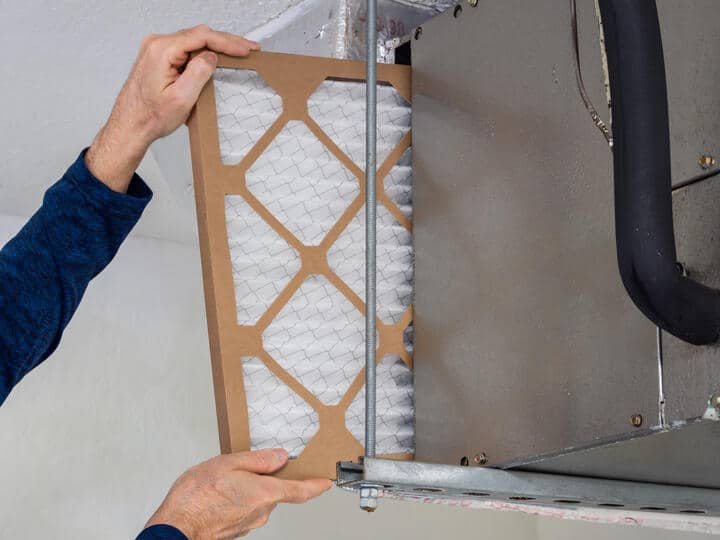
ac leaking water-cleaning filter
  • Condensation Drain Blockage: A clogged condensation drain can cause water to pool around your unit. Debris, dirt, and algae can block the drain, preventing water from flowing out. Regular cleaning, such as using a wet/dry vacuum, can help prevent this issue.
  • Frozen Evaporator Coils: When evaporator coils freeze, they can’t absorb heat properly, leading to water dripping and pooling. Low refrigerant levels or restricted airflow can cause freezing. If you notice ice on the coils, turn off your AC and allow the ice to melt before further inspection.
  • Dirty Air Filters: A dirty air filter restrict airflow, which can cause the evaporator coils to freeze. When the ice melts, it may result in leaks. Regularly replacing or cleaning your air filters ensures proper airflow and prevents freezing. Make it a habit to check your filters monthly and replace them as needed.

The Impact of an AC Leak on Your Home

An AC leak can lead to increased energy bills, reduced efficiency, and potential damage to your home from moisture. Addressing leaks promptly is crucial to maintain a comfortable living environment and prevent costly repairs.

Water Damage

An AC leak can cause significant water damage to your home. Pooled water can seep into your floors, walls, and ceilings, leading to costly repairs. Addressing the leak promptly can prevent extensive damage. Ensure you dry the affected area thoroughly to avoid mold and mildew growth. Consider using a dehumidifier to control moisture levels in your home.

Electrical Issues

Water and electricity don’t mix. A leaking AC can cause electrical problems, posing a risk to your home’s safety. If you suspect electrical issues, it’s best to turn off your AC and consult a professional. They can safely inspect and repair any damage. Regular maintenance can help prevent such issues, ensuring your AC operates safely.

Reduced Efficiency

A leaking AC is often a sign of underlying issues that can reduce its efficiency. When your system isn’t working optimally, it uses more energy, increasing your utility bills. Fixing the leak and addressing any related problems can restore your AC’s efficiency. This not only saves you money but also extends the lifespan of your unit.

🛠️ How to Fix a Leaking AC

ac leaking water-making repairs on ac unit parts

Fixing a leaking AC is crucial to maintaining a comfortable indoor environment and preventing water damage to your home. Addressing leaks promptly can also enhance the efficiency of your cooling system, ultimately saving you on energy costs.

  • Turn Off Your AC: The first step is to turn off your AC to prevent further damage. This allows you to inspect the unit safely. Ensure you turn off the power at the breaker as well. This eliminates any risk of electrical shock. Once the unit is off, you can proceed with the inspection.
  • Inspect the Condensation Drain: Check the condensation drain for any blockages. Use a flashlight to look for debris, dirt, or algae buildup. If you find a blockage, use a wet/dry vacuum to remove it. Alternatively, a mixture of bleach and water can be used to clear the drain. Regular cleaning of the condensation drain prevents future blockages and leaks.
  • Check the Air Filters: Inspect the air filters and replace them if they’re dirty. Clean filters ensure proper airflow, preventing frozen coils and leaks. Use filters recommended by your AC manufacturer for optimal performance. Regularly check and replace them to keep your system running smoothly.

💡 5 Things to Do When Your AC is Leaking Water

Addressing a leaking AC unit is crucial because it can lead to water damage in your home and potentially damage the air conditioning system itself. Taking prompt action helps maintain a comfortable environment and prevents costly repairs down the line.

1. Turn Off the Unit

Turning off the unit is crucial when your AC is leaking water to prevent further damage to the system and your home. Water leakage can indicate a malfunction, and continuing to run the unit may lead to electrical issues or mold growth. By shutting it off promptly, you can minimize potential repairs and ensure a safer environment while you address the problem.

2. Check the Condensation Drain

Checking the condensation drain is crucial when your AC is leaking water because a clogged drain can lead to water buildup and potential damage to your unit. Regularly inspecting and clearing the drain ensures proper airflow and efficiency, helping to prevent mold growth and costly repairs. If you notice water pooling around your AC, addressing the condensation drain should be one of your first steps to resolve the issue.

3. Inspect the Air Filters

Inspecting the air filters is crucial when your AC is leaking water because clogged filters can restrict airflow, causing the system to freeze and subsequently melt, leading to excess water leakage. Clean or replace the filters regularly to ensure proper airflow and maintain the efficiency of your AC unit. This simple step can help prevent further issues and extend the lifespan of your air conditioning system.

4. Look for Ice on the Coils

Looking for ice on the coils is crucial when your AC is leaking water because it indicates a potential refrigerant issue or airflow blockage. Ice formation can prevent the system from operating efficiently, leading to further leaks as melting ice drips water. Addressing this issue promptly can help avoid more extensive damage and ensure your AC runs smoothly.

5. Consult a Professional

Consulting a professional is crucial when your AC is leaking water because they have the expertise to diagnose and fix the underlying issues safely. Ignoring a leak can lead to more significant problems, including water damage and mold growth. Professionals can ensure that the repair is done correctly, preventing future leaks and maintaining the efficiency of your cooling system.

🛑 Preventing Future AC Leaks

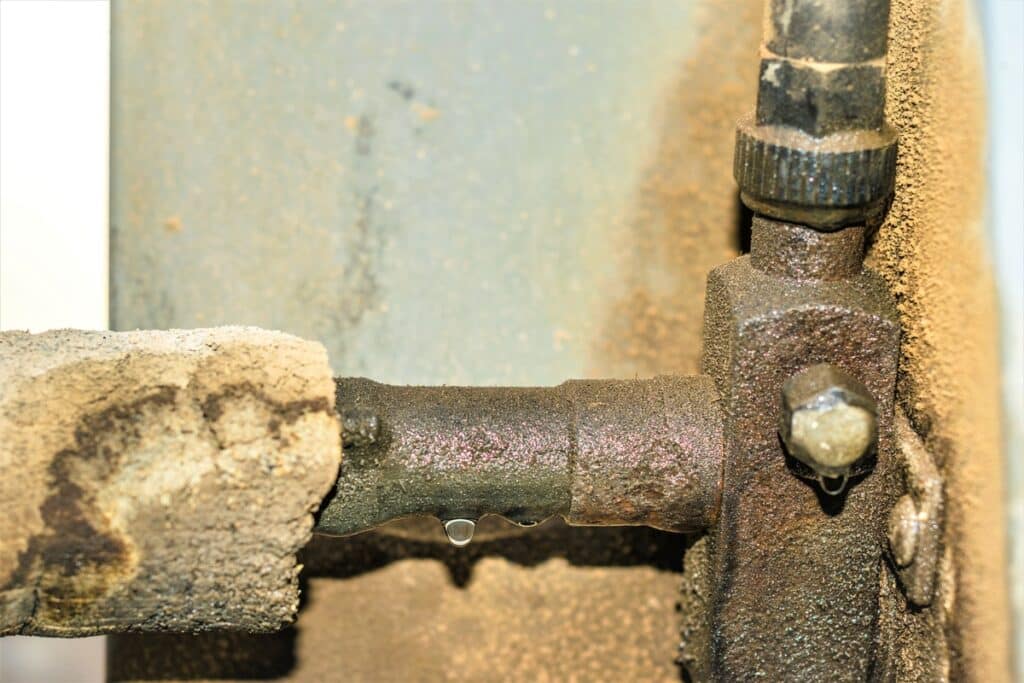
ac leaking water-rusty and cracked pipes

Preventing future AC leaks is essential to maintain energy efficiency and reduce operating costs. Additionally, it helps ensure the longevity of the air conditioning system and maintains indoor air quality.

Regular Maintenance

Regular maintenance is key to preventing AC leaks. Schedule annual inspections with a professional to keep your system in top shape. Clean the condensation drain, replace air filters, and check refrigerant levels regularly. These simple steps can prevent most common issues that cause leaks. Investing in a maintenance plan can save you time, money, and hassle in the long run.

Proper Installation

Ensure your AC is installed correctly. Poor installation can lead to various issues, including leaks. Hire a reputable HVAC company to install your unit. They can ensure it’s set up correctly and provide advice on maintaining it. Proper installation sets the foundation for a well-functioning AC system.

Monitor and Address Issues Promptly

Keep an eye on your AC and address any issues as soon as they arise. Prompt attention can prevent minor problems from becoming major ones. Listen for unusual noises, check for water leaks, and monitor your energy bills. Changes in these areas can indicate underlying issues. Being proactive ensures your AC runs efficiently and reliably.

🙌 Safeguard Your Home with Thelen Plumbing, Heating, and Air

Addressing a leaking AC promptly is crucial to prevent further damage and maintain your home’s efficiency. At Thelen Plumbing, Heating, and Air, we understand the importance of a reliable and effective HVAC system. With our experienced team, you can trust that your roofing and HVAC needs are in capable hands. We are committed to providing top-notch service and ensuring your home remains comfortable year-round. Don’t let a leaking AC disrupt your peace of mind—contact us today for a consultation, and let us help you safeguard your home!

parts of a furnace-filter parts of a furnace-filter

11 Main Parts Of A Furnace All Homeowners Should Know

Owning a home comes with the responsibility of maintaining various systems to ensure your comfort and safety. One such crucial system is your furnace. Understanding the main parts of a furnace can help you troubleshoot issues, schedule timely maintenance, and make informed decisions about repairs and replacements. In this blog post, we’ll explore the essential components of a furnace, ensuring you have the knowledge needed to keep your home warm and cozy. including:

  • Furnace Blower
  • Heat Exchanger
  • Burners
  • Ignition System
  • Flame Sensor
  • Thermostat
  • Limit Switches
  • Ductwork
  • Filters
  • Flue Pipe
  • Gas Valve

💡 11 Part of a Furnace You Should Know About

Understanding the various parts of a furnace is crucial for maintaining its efficiency and longevity. In this section, we’ll explore 11 essential components that every homeowner should be familiar with to ensure their heating system runs smoothly. Let’s dive in and get acquainted with these key parts.

1. Furnace Blower

The furnace blower is an essential component in any heating system. It ensures the efficient circulation of warm air throughout your home, maintaining a comfortable temperature during colder months. Understanding its function and maintenance is crucial for optimal performance.

  • The Heart of Air Circulation: The furnace blower motor is often referred to as the heart of the air circulation system. It is responsible for pushing the warm air generated by the furnace through the ductwork and into the various rooms of your home. Without a functioning blower, the heated air would not reach your living spaces efficiently.
  • Why It’s Important: A faulty blower means that even if your furnace is producing heat, you won’t feel the warmth. Regular maintenance can prevent issues like dust buildup, which can impede the blower’s performance. Ensuring that the blower motor is in good working condition can extend the life of your furnace and improve its efficiency.
  • Identifying Blower Issues: Common signs of blower problems include unusual noises, weak airflow, and uneven heating. If you notice any of these symptoms, it’s essential to call a professional to assess and fix the problem before it leads to more significant issues.

2. Heat Exchanger

parts of a furnace-heat exchange system

A furnace heat exchanger is a crucial component in heating systems, responsible for transferring heat from the combustion process to the air that circulates through your home. By efficiently transferring heat, it ensures optimal performance and energy efficiency. Understanding the function and maintenance of a heat exchanger can help prolong the life of your furnace and improve overall heating efficiency.

  • Core of Heat Production: The heat exchanger is where the magic happens. This component is designed to transfer heat from the burning gas to the air that will be circulated through your home. It is a vital part of the furnace and plays a crucial role in the overall heating process.
  • Safety and Efficiency: A well-maintained heat exchanger ensures that your furnace operates safely and efficiently. Cracks or damages in the heat exchanger can lead to dangerous carbon monoxide leaks. Regular inspections are crucial to detect any potential issues early.
  • Maintenance Tips: To keep your heat exchanger in top condition, schedule annual furnace tune-ups with a qualified technician. They can check for any signs of wear and tear and perform necessary repairs to ensure your furnace is operating safely.

3. Burners

Burners are critical components of furnaces, responsible for initiating and sustaining the combustion process. They ensure efficient fuel usage and optimal heat production, making them essential for the furnace’s overall performance. Proper maintenance and selection of burners can significantly impact energy efficiency and operational costs.

  • Igniting the Heat: Burners are the components that mix air with fuel to create a flame. This flame is what produces the heat needed to warm your home. Properly functioning burners are essential for efficient and effective heating.
  • Types of Burners: There are different types of burners, including single-stage, two-stage, and modulating burners. Each type offers varying levels of efficiency and control over the heating process. Understanding the type of burner your furnace has can help you better manage your heating system.
  • Signs of Burner Issues: If you notice a yellow or flickering flame, it could indicate a problem with the burners. Regular cleaning and maintenance can prevent issues like clogs and ensure that the burners operate correctly.

4. Ignition System

The ignition system is a crucial component of any furnace, responsible for starting the combustion process that produces heat. In this section, we will explore the different types of ignition systems, how they function, and their importance in maintaining efficient furnace operation. Understanding these systems can help in troubleshooting and ensuring your furnace runs smoothly.

  • Sparking the Flame: The ignition system is responsible for lighting the burners. There are two main types of ignition systems: pilot light and electronic ignition. Electronic ignition systems are more common in modern furnaces and are known for their efficiency and reliability.
  • Importance of a Reliable Ignition System: Without a functioning ignition system, your furnace cannot produce heat. Regular inspections can ensure that the ignition system is working correctly and can prevent unexpected breakdowns.
  • Troubleshooting Tips: If your furnace isn’t igniting, it might be due to a faulty ignition system. Check for simple issues like loose connections or dirty sensors. If the problem persists, it’s best to contact a professional for a thorough inspection.

5. Flame Sensor

Flame sensors are crucial components in modern furnaces, ensuring safety and efficient operation. They detect the presence of a flame, preventing gas leaks and potential hazards.

  • Ensuring Safe Operation: The flame sensor is a safety device that ensures the burners are lit. It detects the presence of a flame and shuts off the gas supply if no flame is detected, preventing dangerous gas build-ups.
  • Common Issues: Over time, the flame sensor can become dirty or corroded, leading to false readings. Regular cleaning can keep the sensor functioning correctly. If you experience frequent furnace shut-offs, it could be due to a faulty flame sensor.
  • Maintenance Advice: Inspect and clean the flame sensor annually as part of your furnace maintenance routine. This simple step can prevent many common furnace issues and ensure safe operation.

6. Thermostat

parts of a furnace-thermostat

The thermostat is a crucial component of your furnace system, regulating the temperature to ensure your home stays comfortable. Understanding how it works and how to properly maintain it can significantly impact both energy efficiency and overall system performance. In this section, we’ll explore the key features and functions of furnace thermostats.

  • Controlling the Heat: The thermostat is the control center of your furnace. It regulates the temperature by signaling the furnace to turn on or off based on your set preferences. A properly functioning thermostat ensures that your home remains at a comfortable temperature.
  • Types of Thermostats: There are various types of thermostats, including programmable, smart, and manual thermostats. Smart thermostats offer advanced features like remote control and energy usage reports, making them a popular choice for modern homes.
  • Troubleshooting Thermostat Issues: If your furnace isn’t responding to temperature changes, it could be due to a faulty thermostat. Ensure that the thermostat is placed in an optimal location, away from direct sunlight or drafts, and replace batteries regularly.

7. Limit Switches

Limit switches are crucial safety components in furnaces, designed to prevent overheating and potential damage. They monitor the temperature inside the furnace and shut it down if it exceeds safe levels. Understanding how limit switches function can help ensure the longevity and safety of your heating system.

  • Protecting Your Furnace: Limit switches are safety devices that prevent the furnace from overheating. They monitor the temperature inside the furnace and shut it down if it gets too hot, protecting both the furnace and your home.
  • Common Problems: A malfunctioning limit switch can cause the furnace to shut down prematurely or fail to turn off, leading to overheating. Regular inspections can identify and fix any issues with the limit switches.
  • Importance of Professional Maintenance: While some maintenance tasks can be done by homeowners, limit switches should be inspected by a professional to ensure they are functioning correctly and safely.

8. Ductwork

Ductwork is a critical component of any furnace system, responsible for distributing heated air throughout your home. Proper installation and maintenance of ductwork ensure efficient and effective heating, improving overall comfort and energy efficiency. Understanding the basics of furnace ductwork can help you maintain a well-functioning heating system.

  • Distributing Warm Air: Ductwork is the network of air ducts that distribute warm air from the furnace to the various rooms in your home. Properly sealed and insulated ductwork ensures efficient heating and reduces energy loss.
  • Identifying Duct Issues: Common ductwork problems include leaks, blockages, and poor insulation. If you notice uneven heating or higher energy bills, it might be due to issues with your ductwork.
  • Maintenance Tips: Regularly inspect your ductwork for any visible damage or leaks. Seal any gaps with duct tape or mastic sealant, and consider professional duct cleaning to remove any blockages.

9. Filters

Filters play a crucial role in maintaining the efficiency and longevity of your furnace. They trap dust, debris, and other particles, ensuring clean air circulation throughout your home. Regularly checking and replacing these filters can significantly improve indoor air quality and system performance.

  • Keeping Air Clean: The air filter plays a crucial role in maintaining indoor air quality by trapping dust, pollen, and other airborne particles. Clean filters ensure that the air circulating in your home is free from contaminants.
  • Types of Filters: There are various types of filters, including fiberglass, pleated, and HEPA filters. Each type offers different levels of filtration, with HEPA filters providing the highest level of air purification.
  • Changing Filters: Regularly changing your filters is essential for maintaining furnace efficiency and indoor air quality. Depending on the type of filter, it should be replaced every 1-3 months.

10. Flue Pipe

parts of a furnace-flue pipe

Flue pipes play a critical role in the operation of furnaces, serving as the primary conduit for venting exhaust gases safely outside the home. Understanding their function and maintenance is essential for ensuring both the efficiency and safety of your heating system.

  • Venting Exhaust Gases: The flue pipe is responsible for venting the exhaust gases produced by the furnace out of your home. Proper venting is crucial for the safe operation of your furnace and prevents the build-up of dangerous gases like carbon monoxide.
  • Inspecting the Flue Pipe: Regular inspections can identify any cracks or blockages in the flue pipe. A blocked flue pipe can lead to the accumulation of dangerous gases inside your home.
  • Maintenance Tips: Ensure that the flue pipe is properly sealed and free from any obstructions. If you notice any signs of wear or damage, contact a professional to inspect and repair the flue pipe.

11. Gas Valve

Gas furnace valves are crucial components of furnaces, responsible for regulating the flow of natural gas to the burner. Proper functioning of the gas valve ensures efficient and safe operation of the heating system.

  • Regulating Gas Flow: The gas valve controls the flow of gas to the burners. It is a crucial component for the safe and efficient operation of your furnace. A malfunctioning gas valve can lead to issues like no heat or unsafe gas leaks.
  • Common Issues: Gas valves can become stuck or develop leaks over time. Regular inspections can identify any issues with the gas valve and ensure that it is functioning correctly.
  • Safety Precautions: If you suspect a gas leak, turn off the furnace immediately and contact a professional. Never attempt to repair a gas valve on your own.

🙌 Ensuring Efficient and Safe Heating: Thelen Plumbing, Heating, and Air’s Expertise

Understanding the main parts of a furnace can empower homeowners to take better care of their heating systems. Regular maintenance and timely repairs can ensure that your furnace operates efficiently and safely, keeping your home warm and comfortable.

At Thelen Plumbing, Heating, and Air, we pride ourselves on being the team you trust for all your home comfort needs. Our expert technicians are here to help with everything from routine maintenance to emergency repairs. Contact us today to schedule a service and experience the Thelen Plumbing, Heating, and Air difference.

5 Main Functions Of An AC Drip Pan

Air conditioning is a modern marvel that keeps our homes cool and comfortable, especially during those sweltering summer months. But while most homeowners focus on the more prominent parts of their AC systems, such as the compressor or evaporator coil, there’s one small component that plays a crucial role in maintaining the efficiency and safety of your unit—the AC drip pan. In this post, we’ll cover everything you need to know about the AC drip pan, including:

  • What is an AC Drip Pan?
  • 5 Main Functions of an AC Drip Pan
  • How to Check Your AC Drip Pan
  • Benefits of a Properly Functioning AC Drip Pan
  • DIY vs. Professional Maintenance
  • When to Replace Your AC Drip Pan

🤔 What is an AC Drip Pan?

An AC drip pan, also known as a condensate tray, is a shallow container located beneath the indoor air handling unit (AHU) of your air conditioning system. Its primary function is to collect the condensation that forms on the evaporator coil, preventing water damage to your home.

The AC drip pan serves several important functions:

  • Water collection: It captures the water that drips off the evaporator coil during operation, preventing leaks into your home.
  • Damage prevention: By containing the water, it helps protect your floors, walls, and ceilings from potential water damage.
  • Humidity control: The collected water aids in maintaining proper humidity levels, contributing to a more comfortable indoor environment.

Overall, the AC drip pan is an essential component of your air conditioning system, ensuring both efficiency and protection for your living space.

Importance of Regular Maintenance

Regular maintenance of the AC drip pan is essential for several reasons. First and foremost, keeping the drip pan clean and free of debris prevents overflow, which can lead to significant water damage in your home.

Additionally, neglecting the drip pan can result in standing water, creating an ideal environment for mold and mildew to thrive. This not only affects indoor air quality but can also pose serious health risks to you and your family.

Lastly, a clean and properly functioning drip pan contributes to the overall efficiency of your air conditioning system. By ensuring that this component is well-maintained, you can enhance the performance of your AC and potentially lower your energy bills.

💡 5 Main Functions of an AC Drip Pan

ac drip pan-water pooling on the floor

The AC drip pan plays a crucial role in preventing water damage by collecting condensation that drips from the air conditioning unit. It helps maintain the efficiency of the system and protects surrounding structures from potential leaks and mold growth.

1. Water Collection

The primary function of an AC drip pan is to collect condensation that forms during the cooling process. As warm air passes over the evaporator coil, moisture condenses and drips into the pan, preventing water from accumulating inside the unit.

2. Preventing Water Damage

By containing the water that collects, the drip pan prevents overflow, which can lead to water damage both within the AC unit and in the surrounding areas, such as ceilings or floors.

3. Maintaining Indoor Air Quality

A properly functioning drip pan reduces the likelihood of mold and mildew growth. By effectively managing water drainage, it helps maintain better indoor air quality, promoting a healthier living environment.

4. Supporting System Efficiency

The drip pan plays a crucial role in ensuring the air conditioning system operates efficiently. By managing excess moisture and preventing blockages, it allows the unit to maintain optimal performance and reduce energy consumption.

5. Enabling Easy Maintenance

Access to the drip pan allows for routine inspections and cleanings. This eases the maintenance process and ensures that any issues can be promptly identified and addressed, contributing to the longevity of the AC system.

🔎 How to Check Your AC Drip Pan

Checking your AC drip pan is a straightforward process that you can easily follow.

  • Always turn off the power to your air conditioning unit before performing maintenance for safety.
  • Locate the drip pan, usually found beneath the indoor unit; you may need to remove an access panel to reach it.
  • Inspect the drip pan for standing water, debris, or signs of mold.
  • If any issues are found during your inspection, consider a thorough cleaning or professional maintenance to ensure efficient operation.

Common Issues with AC Drip Pans

Understanding the common problems associated with AC drip pans can help you address them promptly. One major issue is a clogged drain line. When the drain line becomes blocked, water can back up and overflow the drip pan, leading to potential damage.

Another concern is the development of cracks or leaks over time. As the drip pan ages, it may develop imperfections that can result in water leakage, ultimately causing water damage to your property.

Additionally, standing water in the drip pan can create an environment conducive to mold and algae growth. This not only poses health risks but can also lead to unpleasant odors and further complications. Being aware of these issues can help you maintain your AC system effectively.

How to Fix AC Drip Pan Problems

If you encounter issues with your AC drip pan, there are several steps you can take to address the problem.

Clean the drip pan:

  • Remove any accumulated debris.
  • Use a mixture of water and mild detergent for thorough cleaning.

Unclog the drain line:

  • Use a wet/dry vacuum to efficiently clear any blockages.

Repair minor cracks in the drip pan:

  • Use epoxy or a waterproof sealant for temporary repairs.
  • Consider replacement if the damage is significant.

✅ Benefits of a Properly Functioning AC Drip Pan

ac drip pan-family enjoying better air quality from properly functioning ac unit

A well-maintained AC drip pan provides numerous benefits that can enhance your overall cooling experience:

  • Improved System Efficiency: Proper drainage prevents interference with the performance of the air conditioning unit, ensuring optimal operation.
  • Extended Lifespan: Regular maintenance and timely replacements of the drip pan can significantly extend the life of your air conditioning system, helping you avoid costly repairs and premature failures.
  • Better Indoor Air Quality: A well-maintained drip pan prevents the growth of mold and mildew, keeping the air circulating within your home clean and healthy.

Overall, investing time in maintaining your AC drip pan can lead to a more efficient, longer-lasting, and healthier air conditioning experience.

AC Drip Pan and Energy Efficiency

Your AC drip pan plays a surprisingly important role in energy efficiency. First, it helps reduce strain on the system. Efficient drainage prevents water buildup, which alleviates pressure on the evaporator coil and enhances the overall efficiency of the air conditioning unit.

A properly functioning drip pan prevents freezing. When drainage is adequate, the evaporator coil is less likely to freeze over, ensuring that the system operates effectively and does not increase energy consumption unnecessarily.

Maintaining the drip pan in good condition is crucial for optimal performance. A well-kept drip pan contributes to the overall efficiency and functionality of your AC unit, ensuring that it runs smoothly and effectively for years to come.

👨‍🔧 DIY vs. Professional Maintenance

Some homeowners may prefer a DIY approach to maintenance; however, professional maintenance offers several significant advantages.

Professionals possess expert knowledge. They have the experience and tools necessary to accurately identify and address any issues that may arise.

Comprehensive service is a key benefit of hiring professionals. Regular professional maintenance includes thorough checks and tune-ups that go beyond just inspecting the drip pan, ensuring the overall health of the entire system.

Professional maintenance provides peace of mind. Knowing that your air conditioning system is in the hands of experts not only alleviates anxiety but also helps prevent potential surprises down the line.

👉 When to Replace Your AC Drip Pan

Knowing when to replace your AC drip pan is crucial for preventing more extensive issues.

If the pan continues to leak even after repairs, it indicates that replacement is necessary. Persistent leaks can lead to further damage and complications if not addressed promptly.

Severe damage to the drip pan, such as significant cracks or corrosion, compromises its integrity. In such cases, a replacement is warranted to ensure the system functions properly and efficiently.

Consider the age of your AC unit. If it is older, replacing the drip pan as part of an overall system upgrade can enhance efficiency and prolong the life of your cooling system. Taking these factors into account will help maintain your air conditioning system in optimal condition.

🙌 Trust Thelen Plumbing, Heating, and Air for Your AC Needs

Maintaining your AC drip pan is essential for ensuring the efficiency and longevity of your air conditioning system. By understanding its primary functions—preventing water damage, promoting better air quality, and enhancing energy efficiency—you can take proactive steps to address any issues that arise. At Thelen Plumbing, Heating, and Air, we pride ourselves on delivering expert HVAC solutions, backed by a team of skilled professionals who are dedicated to keeping your systems running smoothly. Trust us to handle your air conditioning needs with precision and care, ensuring a comfortable home environment for you and your family. Reach out to us today for a consultation or service—your comfort is our top priority!

furnace problems-woman on the phone in a hat and winter coat near a broken furnace furnace problems-woman on the phone in a hat and winter coat near a broken furnace

10 Commonly Occurring Furnace Problems & Solutions

Furnaces are the heart of your home’s heating system, working tirelessly to keep you warm during the frigid months. However, like any other mechanical device, furnaces can experience issues that hinder their performance. Knowing how to identify and troubleshoot these problems can save you time, money, and discomfort. In this blog post, we’ll explore some of the most common furnace problems homeowners face and provide practical solutions to address them. Here’s what we’ll cover:

  • Furnace Not Heating
  • Strange Noises
  • Frequent Cycling
  • Pilot Light Problems
  • Blower Issues
  • Dirty Filters
  • Thermostat Malfunctions
  • Gas Leaks
  • Ignition Problems
  • Limit Switch Issues
  • Furnace Maintenance Tips

💡 10 Common Furnace Problems (and Solutions)

furnace problems-furnace room

When it comes to home heating, furnaces can encounter a variety of issues that disrupt their performance. Understanding these common problems and their solutions can help you maintain a warm and efficient home. Here are 10 frequent furnace issues and how to resolve them.

1. Furnace Not Heating

One common issue homeowners face is a furnace that isn’t heating properly. This problem can be caused by various factors, ranging from simple thermostat malfunctions to more complex mechanical failures. Understanding the potential causes can help in troubleshooting and resolving the issue efficiently.

  • Check Your Thermostat: The first step in diagnosing a furnace that’s not heating is to check the thermostat. Ensure it’s set to “heat” and the temperature setting is above the current room temperature. If the thermostat is battery-operated, replace the batteries.
  • Inspect the Power Supply: Sometimes, the solution is as simple as ensuring the furnace is receiving power. Check your circuit breaker or fuse box for any tripped breakers or blown fuses. If resetting the breaker doesn’t solve the problem, there might be an electrical issue that requires professional attention.
  • Examine the Pilot Light: For older furnaces with a pilot light, confirm that it is lit. If it’s out, follow the manufacturer’s instructions to relight it. For newer models, inspect the electronic ignition system for any faults.

2. Strange Noises

If you notice strange noises coming from your furnace, it could be a sign that something is wrong. These sounds can range from rattling and banging to whistling and squealing, each indicating a different potential issue. Addressing these noises promptly can prevent further damage and ensure your furnace operates efficiently.

  • Identify the Type of Noise: Furnaces can make various noises, each indicating a different issue. Common sounds include banging, squealing, and rattling. Understanding the type of noise can help pinpoint the problem.
  • Loose Components: Banging or rattling noises often stem from loose components within the furnace. Tighten any loose screws or panels and check the blower motor and fan for secure fitting.
  • Belt Issues: A high-pitched squealing sound usually indicates a worn or misaligned blower belt. Inspect the belt for any signs of wear and tear and adjust or replace it as needed.

3. Frequent Cycling

Frequent cycling of your furnace can indicate underlying issues that need attention. This section will explore the common causes and potential solutions to prevent your furnace from cycling too often, ensuring efficient and reliable operation.

  • Check the Filter: A clogged air filter can restrict airflow, causing the furnace to overheat and cycle on and off frequently. Replace the air filter every 1-3 months, depending on usage.
  • Thermostat Location: If your thermostat is located near a heat source, it can cause the furnace to cycle frequently. Relocate the thermostat to a more central location in your home.
  • Inspect the Blower Motor: A malfunctioning blower motor can also lead to frequent cycling. Check the motor for any signs of damage or wear and have it repaired or replaced if necessary.

4. Pilot Light Problems

furnace problems-heat exchange system

Pilot light problems are common issues in furnaces that can affect their performance and efficiency. A malfunctioning pilot light may result in the furnace failing to ignite or producing insufficient heat. Understanding the causes and solutions for pilot light issues can help maintain a well-functioning heating system.

  • Pilot Light Color: A healthy pilot light should be blue. If it’s yellow or flickering, it could indicate a problem with the gas supply or a dirty pilot tube. Clean the pilot tube and ensure it’s free of debris.
  • Thermocouple Issues: The thermocouple is a safety device that shuts off the gas supply if the pilot light goes out. If the pilot light won’t stay lit, the thermocouple might be faulty. Have it inspected and replaced by a professional if needed.
  • Gas Supply: Ensure that the gas valve is fully open. If you suspect a gas supply issue, contact your gas company immediately.

5. Blower Issues

Blower issues are a common problem with furnaces that can impact their efficiency and performance. These issues can range from strange noises to complete blower failure, often requiring professional diagnosis and repair. Understanding the symptoms and potential causes can help in addressing them promptly.

  • Blower Not Running: If the blower isn’t running, check the thermostat settings and ensure it’s set to “auto” or “on.” Also, inspect the blower motor for any signs of damage or wear.
  • Blower Running Continuously: A blower that runs continuously might indicate a problem with the limit switch. This switch prevents the furnace from overheating by turning off the blower when the furnace reaches a certain temperature. Have it inspected and replaced if necessary.
  • Lubrication: Ensure that the blower motor and other moving parts are properly lubricated to prevent friction and wear. Refer to your furnace’s manual for lubrication instructions.

6. Dirty Filters

Dirty filters in furnaces can significantly reduce efficiency and air quality in your home. Over time, these clogged filters can lead to higher energy costs and even damage the furnace. It’s crucial to regularly check and replace filters to maintain optimal performance.

  • Importance of Clean Filters: Dirty filters can restrict airflow, reduce efficiency, and cause various furnace problems. Replace or clean the filters regularly to maintain optimal performance.
  • Types of Filters: There are several types of filters, including fiberglass, pleated, and electrostatic. Choose a filter that suits your furnace and your home’s air quality needs.
  • Replacement Schedule: Check the filter manufacturer’s recommendations for replacement schedules. Typically, filters should be replaced every 1-3 months.

7. Thermostat Malfunctions

Thermostat malfunctions can significantly impact the performance of your furnace, leading to inconsistent temperatures and inefficient heating. Understanding common issues and knowing how to troubleshoot them can help maintain a comfortable and energy-efficient home. 

  • Calibration: Sometimes, thermostats can lose calibration, leading to inaccurate temperature readings. Refer to your thermostat’s manual for calibration instructions or contact a professional for assistance.
  • Wiring Issues: Inspect the thermostat wiring for any signs of damage or loose connections. Turn off the power before handling any wires.
  • Upgrade: If your thermostat is old or malfunctioning, consider upgrading to a programmable or smart thermostat for better control and efficiency.

8. Gas Leaks

Gas leaks are a serious concern when it comes to furnaces. They can pose significant health and safety risks, including the potential for explosions and exposure to harmful gases. It’s crucial to regularly inspect and maintain your furnace to detect and prevent any leaks.

  • Smell of Gas: If you smell gas, it’s crucial to act immediately. Evacuate your home and contact your gas company or emergency services. Do not operate any electrical switches or appliances.
  • Inspection: Regularly inspect your furnace and gas lines for any signs of leaks or damage. Have a professional perform a thorough inspection at least once a year.
  • Safety Measures: Install carbon monoxide detectors in your home to alert you to any dangerous gas leaks. Test the detectors regularly and replace the batteries as needed.

9. Ignition Problems

Ignition problems in furnaces can be frustrating and often indicate underlying issues that need attention. Whether it’s a faulty ignition switch or a malfunctioning pilot light, these problems can disrupt the heating process and require timely intervention to ensure your furnace operates efficiently. In this section, we’ll explore common ignition problems and how to address them effectively.

  • Electronic Ignition: Modern furnaces use electronic ignitions instead of pilot lights. If the furnace fails to ignite, check the ignition system for any issues. Refer to the manufacturer’s manual for troubleshooting steps.
  • Flame Sensor: The flame sensor ensures that the furnace burner is functioning correctly. If it’s dirty or faulty, the furnace may not ignite. Clean the flame sensor with a fine abrasive pad or have it replaced by a professional.
  • Control Board: The control board manages the furnace’s operations. If it’s malfunctioning, the furnace may not ignite. Have a professional diagnose and repair any control board issues.

10. Limit Switch Issues

Limit switches play a crucial role in ensuring the safe operation of a furnace. When these switches malfunction, it can lead to overheating or the furnace failing to start. Understanding and addressing limit switch issues is essential for maintaining efficient and safe furnace performance.

  • Function of the Limit Switch: The limit switch prevents the furnace from overheating by monitoring the temperature and shutting off the burner if it gets too hot. A faulty limit switch can cause the furnace to overheat or fail to turn on.
  • Testing the Limit Switch: Turn off the power to the furnace and remove the limit switch for testing. Use a multimeter to check for continuity. Replace the switch if it’s faulty.
  • Professional Assistance: Limit switch issues should be addressed by a professional to ensure safety and proper functioning of the furnace.

💡 Furnace Maintenance Tips

furnace problems-woman near her furnace calling a repair tech

Proper furnace maintenance is crucial for ensuring efficient operation and extending the lifespan of your heating system. In this section, we’ll provide you with essential tips to keep your furnace in top condition. These simple practices can help you avoid costly repairs and maintain a comfortable home environment.

Regular Inspections

Schedule annual furnace inspections with a licensed HVAC technician to ensure your system is functioning correctly and efficiently.

  • An annual check-up can help identify potential issues before they become major problems.
  • Technicians can clean and adjust components to improve performance.
  • Regular inspections can extend the lifespan of your furnace.

Cleaning

Keep your furnace and its components clean to prevent dust and debris buildup. Clean the blower, motor, and other parts as needed.

  • Change or clean the air filter every 1-3 months.
  • Clean the blower assembly, belts, and pulleys to ensure smooth operation.
  • Remove any dust and debris from the motor to prevent overheating.

Ductwork

Inspect your ductwork for any leaks or damage. Seal any gaps or cracks to ensure efficient airflow and heating.

  • Use mastic sealant or metal tape to seal leaks in ducts.
  • Insulate ducts in unheated areas to prevent heat loss.
  • Regularly check for and remove obstructions that could impede airflow.

🙌 Ensure Your Home’s Comfort: Furnace Maintenance and Repair with Thelen Plumbing, Heating, and Air

Understanding and addressing common furnace problems can save you time, money, and discomfort. However, some issues require professional attention to ensure safety and proper functioning.

At Thelen Plumbing, Heating, and Air, we specialize in providing top-notch HVAC services to keep your home comfortable year-round. Our team of experienced technicians is ready to assist you with all your furnace needs, from routine maintenance to complex repairs.

Don’t wait until it’s too late—schedule your furnace inspection with Thelen Plumbing, Heating, and Air today and experience the peace of mind that comes with knowing your home is in good hands. Contact us now to book an appointment and keep your home warm and cozy all winter long.

how often to change furnace filter-close up of very dirty furnace filter how often to change furnace filter-close up of very dirty furnace filter

How Often Should You Change A Furnace Filter?

Keeping your home comfortable and energy-efficient is essential, and one of the easiest ways to achieve this is by regularly changing your furnace filter. Homeowners often overlook this simple task, but it plays a crucial role in maintaining your HVAC system’s performance and indoor air quality. In this blog post, we’ll explore how often to change furnace filter materials, factors that influence the frequency, and practical tips to ensure your furnace runs smoothly all year round, including:

  • The importance of changing your furnace filter
  • Factors affecting filter-changing frequency
  • Signs that your filter needs changing
  • Types of furnace filters
  • Benefits of regular filter changes
  • How often to change your furnace filter
  • 5 steps to change your furnace filter
  • Common mistakes to avoid
  • Tips for extending filter life
  • How to choose the right filter
  • The role of professional maintenance

❗️ The Importance of Changing Your Furnace Filter

how often to change furnace filter-hands holding a very dirty furnace filter

Changing your furnace filter is crucial for maintaining optimal airflow and energy efficiency in your home. Regularly replacing the filter not only improves indoor air quality but also extends the lifespan of your furnace. Let’s explore why this simple maintenance task is so important.

  • Maintain good indoor air quality: Over time, dust, pollen, and other particles accumulate in the filter, reducing its effectiveness. A dirty filter can cause these contaminants to circulate throughout your home, affecting your family’s health.
  • Enhance energy efficiency: A clogged filter forces your furnace to work harder to push air through, increasing energy consumption and utility bills. Regularly changing the filter ensures your system operates efficiently, saving you money in the long run.
  • Prolong HVAC system life: A clean filter prevents dust and debris from entering the system, reducing wear and tear on components and minimizing the risk of costly repairs.

⏳ Factors Affecting Filter-Changing Frequency

Several factors influence how often you should change your furnace filter. One of the most significant is the type of filter you use. Different filters have varying lifespans, so it’s essential to follow the manufacturer’s recommendations.

Household size and occupancy also play a role. Larger households or homes with multiple occupants generate more dust and debris, necessitating more frequent filter changes. Additionally, if you have pets, their fur and dander can quickly clog the filter.

Finally, consider your home’s air quality. If you live in an area with high pollution levels or have indoor air quality concerns, you may need to change your filter more frequently to maintain a healthy environment.

⚠️ Signs That Your Filter Needs Changing

Knowing when to change your furnace filter can be tricky, but several signs indicate it’s time for a replacement:

  • Noticeable drop in HVAC system performance: If your home isn’t heating or cooling as efficiently as before, a clogged filter might be to blame.
  • Increased dust accumulation around your home: More dust on surfaces or in the air could mean your filter isn’t effectively trapping particles.
  • Unusual noises from your furnace: Rattling or humming sounds can indicate a dirty filter restricting airflow.
  • Higher energy bills: A spike in utility costs without a clear reason might signal it’s time to check and change your furnace filter.

👇 Types of Furnace Filters

There are various types of furnace filters, each with its benefits and drawbacks. Understanding these differences can help you choose the best option for your home.

  • Fiberglass Filters: These are the most basic and affordable filters. They provide minimal filtration and need to be replaced frequently, typically every 30 days.
  • Pleated Filters: Pleated filters offer better filtration than fiberglass filters and can last up to 90 days. They capture smaller particles and are a popular choice for many homeowners.
  • Electrostatic Filters: Electrostatic filters use an electric charge to attract and trap particles. They are highly efficient and can last up to six months, making them a cost-effective option in the long run.
  • HEPA Filters: High-Efficiency Particulate Air (HEPA) filters provide the best air filtration, capturing up to 99.97% of particles. However, they may not be compatible with all HVAC systems and can be more expensive.
  • Washable Filters: These filters can be cleaned and reused, reducing waste and saving money over time. However, they require regular maintenance to ensure optimal performance.

✅ Benefits of Regular Filter Changes

how often to change furnace filter-gloved hand cleaning vent of dust

Regularly changing your furnace filter offers numerous benefits:

  • Improved Indoor Air Quality: Clean filters trap dust, pollen, and other allergens, creating a healthier environment for you and your family.
  • Energy Efficiency: A clean filter allows your HVAC system to operate at peak performance, reducing energy consumption and lowering utility bills.
  • Extended HVAC System Life: By preventing dust and debris from entering the system, you reduce wear and tear on components, minimizing the risk of breakdowns and costly repairs.

📆 How Often to Change Your Furnace Filter

The frequency of changing your furnace filter depends on several factors, including the type of filter and your home’s specific needs. However, general guidelines can help you determine the optimal schedule.

Monthly Checks

Inspect your filter every month, especially during peak usage seasons like winter and summer. Regular monthly inspections help ensure that the filter is functioning correctly and efficiently. This habit allows you to catch any potential issues early on, such as clogs or damage, which can otherwise lead to poor air quality and higher energy costs. Maintaining this routine helps in keeping your HVAC system running smoothly and ensures that the indoor air remains clean and healthy for you and your family.

Standard Replacement Intervals

  • Fiberglass Filters: These filters should be replaced every 30 days. They are the most basic type of filter and are inexpensive, but they need frequent changing to maintain effectiveness.
  • Pleated Filters: These filters typically last up to 90 days. They are more efficient than fiberglass filters and can capture smaller particles, making them a better choice for improved air quality.
  • Electrostatic Filters: These can last up to six months. They use self-charging electrostatic cotton or paper fibers to attract particles, offering a good balance between cost and efficiency.
  • HEPA Filters: Depending on usage, HEPA filters may need replacement every six to twelve months. They are highly efficient and can capture 99.97% of airborne particles, making them ideal for people with allergies or respiratory issues.

Adjust Based on Conditions

If you have pets, allergies, or live in a high-pollution area, consider changing your filter more frequently. Pets shed hair and dander, which can quickly clog filters. Allergens can accumulate and reduce air quality, exacerbating symptoms for those with allergies. High-pollution areas can cause filters to become dirty faster. Regular inspections will help you identify the best replacement schedule tailored to your home’s specific needs, ensuring optimal air quality and system performance.

🛠️ 5 Steps to Change Your Furnace Filter

Changing your furnace filter is a simple task that can significantly impact your HVAC system’s performance. Follow these steps to ensure a smooth replacement process.

1. Turn Off the Furnace

Before you begin any maintenance on your furnace, it’s essential to turn it off. This preventative step ensures that dust and debris do not circulate through your home while you’re working. Additionally, it prevents any accidental injury from the furnace starting up unexpectedly. Locate the power switch or circuit breaker for your furnace and make sure it is completely turned off.

2. Locate the Filter Compartment

Finding the filter compartment is the next step. Typically, the furnace filter is located near the air return duct or the blower compartment. These are often found near the base of the furnace. To be sure, refer to your furnace’s manual, which will provide specific guidance on the exact location of the filter compartment in your model. Knowing the exact location will save you time and effort.

3. Remove the Old Filter

Carefully slide out the old filter from its compartment. Pay close attention to the size of the filter and how it is oriented within the compartment. Filters usually come with specific dimensions and directional indicators, which are crucial for choosing the correct replacement and installing it properly. Taking a picture or making a note of these details can be helpful for future reference.

4. Install the New Filter

With the old filter removed, take your new filter and insert it into the compartment. Ensure that the new filter fits snugly into place and that it follows the correct orientation. Most filters have arrows marked on their frames to indicate the proper direction of airflow. Align these arrows with the airflow direction of your furnace to optimize efficiency and performance.

5. Turn On the Furnace

Once the new filter is securely in place, it’s time to turn your furnace back on. Return to the power switch or circuit breaker and activate the furnace. With the new filter installed, you should notice an improvement in air quality and energy efficiency. Regularly changing your furnace filter is a simple yet effective way to maintain the health of your HVAC system and ensure a comfortable living environment.

🚫 Common Mistakes to Avoid

While changing your furnace filter is straightforward, several common mistakes can hinder your efforts. Avoid these pitfalls to ensure optimal performance.

  • Neglecting Regular Inspections: Skipping monthly filter checks can lead to poor air quality and increased energy consumption. Make it a habit to inspect your filter regularly.
  • Using the Wrong Filter Size: Using an incorrect filter size can reduce efficiency and allow dust and debris to bypass the filter. Always check your furnace’s specifications and purchase the right size.
  • Ignoring Filter Orientation: Installing the filter in the wrong direction can restrict airflow and strain your HVAC system. Follow the arrows on the filter to ensure proper installation.

💡 Tips for Extending Filter Life

how often to change furnace filter-gloved hands replace furnace filter

Maximizing your filter’s lifespan can save you money and reduce waste. Here are some tips to help you get the most out of your furnace filter.

  • Keep Your Home Clean: Regularly dusting and vacuuming can reduce the amount of debris in your home, allowing your filter to last longer.
  • Maintain Proper Humidity Levels: High humidity can cause dust and mold growth, clogging your filter faster. Use a dehumidifier to maintain optimal humidity levels and prolong filter life.
  • Schedule Regular HVAC Maintenance: Professional HVAC maintenance can identify and address issues before they become significant problems. Regular tune-ups can help your system run efficiently and extend your filter’s life.

🤔 How to Choose the Right Filter

Selecting the right furnace filter is crucial for maintaining good air quality and system performance. Consider these factors when choosing a filter.

  • Filtration Efficiency: Higher MERV (Minimum Efficiency Reporting Value) ratings indicate better filtration. Choose a filter with a MERV rating that balances air quality and airflow for your specific needs.
  • Filter Material: Different materials offer varying levels of filtration and durability. Consider your home’s air quality needs and budget when selecting a filter material.
  • Compatibility: Ensure the filter you choose is compatible with your HVAC system. Consult your furnace’s manual or a professional technician if you’re unsure.

👨‍🔧 The Role of Professional Maintenance

While changing your furnace filter is essential, professional maintenance plays a crucial role in keeping your HVAC system running smoothly. Regular tune-ups can identify potential issues, improve efficiency, and extend the life of your system.

Our team at Thelen Plumbing, Heating, and Air is dedicated to ensuring your home comfort needs are met with top-notch service and expertise. From routine maintenance to emergency repairs, you can trust us to keep your HVAC system in peak condition.

🙌 Optimize Your Home’s Comfort and Efficiency with Thelen Plumbing, Heating, and Air

Regularly changing your furnace filter is a simple yet impactful task that can significantly improve your home’s comfort, energy efficiency, and air quality. By understanding the factors that influence filter-changing frequency and following best practices, you can ensure your HVAC system runs smoothly all year round.

At Thelen Plumbing, Heating, and Air, we’re committed to helping homeowners like you maintain a comfortable and efficient home. If you have any questions or need professional assistance, don’t hesitate to reach out to our expert team. We’re here to help you every step of the way.

Ready to optimize your home’s comfort and efficiency? Contact Thelen Plumbing, Heating, and Air today and discover the difference our professional service can make.

emergency furnace repair-woman looking at furnace emergency furnace repair-woman looking at furnace

Emergency Furnace Repair Guide (2024 Update)

When the temperatures drop, a functioning furnace isn’t just a convenience—it’s essential. Whether you’re a homeowner, property manager, or HVAC professional, understanding how to tackle emergency furnace repairs can save time, money, and stress. This guide will walk you through the critical steps of emergency furnace repair, ensuring your home stays warm and safe, including:

  • Recognizing Furnace Problems Early
  • Safety Precautions for Emergency Repairs
  • Basic Furnace Troubleshooting Steps
  • Common Furnace Problems and Solutions
  • Tools and Materials Needed for Repairs
  • DIY vs. Professional Repairs
  • 5 Steps for Making Emergency Furnace Repairs
  • Preventing Future Furnace Issues
  • When to Call a Professional
  • Maintenance Tips for Longevity
  • Why Choose Thelen Plumbing, Heating, and Air for Your Furnace Needs

🔥 Recognizing Furnace Problems Early

emergency furnace repair-technician using hand tools to repair furnace

Identifying furnace problems early can save you from costly repairs and uncomfortable downtime. By understanding common warning signs, you can address issues before they escalate. Let’s talk about how to spot these problems early and keep your heating system running smoothly.

  • Unusual Noises: Furnaces should run quietly. If you hear banging, rattling, or screeching sounds, it’s a sign something is wrong. These noises could indicate a loose component or a motor issue. Addressing these problems early can prevent more serious damage.
  • Inconsistent Temperatures: If some rooms are warmer than others, your furnace may not be distributing heat evenly. This can be due to issues with your ductwork or thermostat. Identifying and fixing these inconsistencies can improve your home’s comfort.
  • Increased Energy Bills: A sudden spike in your energy bills often signals that your furnace is working harder than it should. This increased workload can be due to a variety of issues, including dirty filters, worn-out parts, or inefficient operation. Keeping an eye on your energy costs can help you catch problems early.

🦺 Safety Precautions for Emergency Repairs

When dealing with emergency furnace repairs, safety should always be the top priority. Proper precautions can prevent accidents and ensure the repair process goes smoothly. Here are some essential safety measures to keep in mind during furnace repairs.

  • Turn Off the Power: Before starting any repairs, always turn off the power to your furnace. This will prevent accidental shocks and protect you from potential hazards.
  • Ventilate the Area: If you suspect a gas leak, ventilate the area immediately by opening windows and doors. Do not attempt to fix the leak yourself—call a professional right away.
  • Wear Protective Gear: Wear gloves, goggles, and a dust mask to protect yourself from debris and harmful particles. Safety first ensures that you tackle the repair without compromising your health.

❗️ Basic Furnace Troubleshooting Steps

When your furnace isn’t working properly, it can be frustrating and inconvenient. Before calling a professional, there are some basic troubleshooting steps you can follow to identify and possibly resolve the issue. This section will guide you through these initial checks.

  • Check the Thermostat: Ensure your thermostat is set to “heat” and that the temperature setting is higher than the current room temperature. Sometimes, the problem is as simple as incorrect thermostat settings.
  • Inspect the Air Filter: A clogged air filter can restrict airflow, causing your furnace to overheat and shut down. Check and replace your air filter regularly to maintain optimal furnace performance.
  • Reset the Circuit Breaker: If your furnace isn’t turning on, check the circuit breaker. A tripped breaker can interrupt power to your furnace. Simply reset it and see if that resolves the issue.

👇 Common Furnace Problems and Solutions

Dealing with furnace issues can be daunting, but understanding common problems and their solutions can make the process much easier. This section will guide you through typical furnace troubles and offer practical solutions to keep your heating system running smoothly. Whether it’s a malfunctioning thermostat or ignition problems, we’ve got you covered.

  • Pilot Light Issues: If your furnace’s pilot light is out, it won’t be able to ignite the burners. Relight the pilot according to your furnace’s manual instructions. If it doesn’t stay lit, you may need a new thermocouple.
  • Blower Motor Failure: A malfunctioning blower motor can prevent warm air from circulating throughout your home. Listen for any unusual noises and check if the motor is running. If not, it might need lubrication or replacement.
  • Ignition Problems: Modern furnaces use electronic ignitions. If the ignition system fails, the furnace won’t light. This can often be fixed by replacing the ignition sensor or control module.

🧰 Tools and Materials Needed for Repairs

emergency furnace repair-close up of technician using utility knife while repairing furnace

Here are the essential tools and materials required for emergency furnace repairs. Having the right equipment on hand can make all the difference in quickly resolving issues and restoring your furnace’s functionality. Let’s dive into the must-have items for any urgent repair situation.

  • Basic Toolkit: Ensure you have a basic toolkit with screwdrivers, pliers, a wrench set, and a multimeter for electrical testing. These tools will help you perform most minor repairs.
  • Replacement Parts: Keep common replacement parts like air filters, belts, and pilot light assemblies on hand. Being prepared can reduce downtime during an emergency.
  • Safety Equipment: Safety goggles, gloves, and a dust mask are essential for protecting yourself while performing repairs. Always prioritize safety to prevent accidents.

👨‍🔧 DIY vs. Professional Repairs

When your furnace breaks down, deciding between DIY repairs and hiring a professional can be challenging. DIY repairs might save you money, but they come with risks and complexities. On the other hand, professional repairs ensure expertise and safety, often providing a more reliable solution.

  • Simple Fixes You Can Do Yourself: Tasks like replacing air filters, relighting pilot lights, and resetting circuit breakers can typically be done by homeowners. These simple fixes require minimal tools and expertise.
  • When to Call a Professional: For complex issues involving gas lines, electrical components, or significant mechanical failures, it’s best to call a professional. Attempting to fix these problems without proper training can be dangerous.
  • Cost Considerations: While DIY repairs can save money, they may end up costing more if not done correctly. Evaluate the risks and benefits before deciding to tackle a repair on your own.

🛠️ 5 Steps for Making Emergency Furnace Repairs

When your furnace breaks down unexpectedly, quick action is essential to restore warmth and comfort in your home. This section will guide you through the necessary steps for performing emergency furnace repairs, ensuring you can address common issues effectively and safely.

1. Identify the Problem

Determine what’s wrong with your furnace. Start by listening for unusual noises such as banging, rattling, or hissing, which can indicate different issues. Check the thermostat to ensure it’s set correctly and functioning. Inspect the unit for obvious signs of damage, such as frayed wires, leaks, or broken components. Take note of any error codes displayed on the unit’s control panel, as these can provide clues about the problem.

2. Gather Your Tools

Make sure you have all necessary tools and replacement parts on hand. Common tools include a screwdriver set, wrench, multimeter, and flashlight. You may also need replacement parts such as filters, fuses, or belts. Having everything you need will help you work efficiently and avoid unnecessary trips to the store. Before starting, review the furnace manual to ensure you have the correct parts and understand the repair process.

3. Follow Safety Protocols

Turn off the power to the furnace to prevent electrical shocks. This can usually be done by switching off the breaker or unplugging the unit. Ventilate the area by opening windows or using fans to disperse any gas or fumes. Wear protective gear such as gloves, safety goggles, and a dust mask to protect yourself from injuries and inhaling harmful particles. Ensure you have a fire extinguisher nearby in case of an emergency. Safety should always be your top priority.

4. Make the Repair

Follow the appropriate steps to fix the identified issue. If the pilot light is out, relight it according to the furnace manual, ensuring you follow the manufacturer’s instructions precisely. For issues like clogged filters, replace them with new ones to ensure proper airflow. If you encounter more complex problems like a faulty blower motor or a damaged heat exchanger, it may be best to call a professional technician. Always double-check your work to ensure everything is reassembled correctly.

5. Test the Furnace

Once the repair is complete, turn the power back on and test the furnace to ensure it’s working correctly. Adjust the thermostat and listen for the furnace to kick on. Monitor it closely for any signs of recurring issues, such as strange noises or inconsistent heating. Check for proper airflow and consistent temperature throughout your home. If the problem persists, it may indicate a more serious issue that requires professional assistance.

✋ Preventing Future Furnace Issues

To ensure your furnace runs smoothly and efficiently, it’s crucial to take proactive steps in preventing potential issues. This section will provide valuable tips and maintenance strategies to keep your furnace in top condition and avoid costly repairs.

  • Regular Maintenance: Schedule annual maintenance checks with a professional HVAC technician. Regular inspections can identify potential problems before they become emergencies.
  • Clean and Replace Filters: Keep your air filters clean and replace them every 1-3 months. This simple task can significantly improve your furnace’s efficiency and longevity.
  • Monitor Performance: Keep an eye on your furnace’s performance throughout the year. If you notice any changes in efficiency, noise levels, or heating consistency, address them promptly.

👨‍🔧 When to Call a Professional

Knowing when to call a professional for emergency home furnace repairs is crucial to maintaining your home’s safety and comfort. If you experience unusual noises, persistent heating issues, or a complete system shutdown, it’s time to seek expert help immediately.

  • Persistent Problems: If you’ve tried troubleshooting and the problem persists, it’s time to call a professional. Ongoing issues can indicate a deeper problem that requires expert attention.
  • Safety Concerns: For any issues involving gas leaks, electrical problems, or significant mechanical failures, always call a professional. These situations can be dangerous and require specialized knowledge.
  • Warranty Considerations: If your furnace is still under warranty, attempting DIY repairs can void it. Check your warranty terms and call a professional to handle repairs covered by the warranty.

💡 Maintenance Tips for Longevity

emergency furnace repair-replacing furnace filter

Proper maintenance is key to extending the lifespan of your home furnace. Regularly inspecting and cleaning the components can prevent costly repairs and ensure efficient operation. Here are some essential tips to keep your furnace in top shape.

  • Annual Inspections: Have your furnace inspected yearly by a certified HVAC technician. They can clean components, check for wear and tear, and ensure everything is functioning properly.
  • Seasonal Preparations: Before winter arrives, perform a thorough check of your furnace. Make sure it’s in good working condition to handle the upcoming cold months.
  • Upgrade When Necessary: Older furnaces are less efficient and more prone to breakdowns. If your furnace is over 15 years old, consider upgrading to a newer, more efficient model.

💪 Why Choose Thelen Plumbing, Heating, and Air for Your Furnace Needs

At Thelen Plumbing, Heating, and Air, we pride ourselves on delivering top-quality service and unmatched expertise. Our team of certified HVAC professionals is dedicated to keeping your home comfortable and safe. We offer:

  • 24/7 Emergency Services to ensure you’re never left in the cold.
  • Expert Technicians with years of experience in furnace repair and maintenance.

  • Customer Satisfaction guaranteed with every service call.

Don’t wait until it’s too late—experience the peace of mind that comes with knowing your home’s heating needs are in trusted hands. [Get in touch with us today] to schedule your service or learn more about our offerings.

🙌 Ensuring a Warm Home: Your Guide to Emergency Furnace Repairs with Thelen Plumbing, Heating, and Air

Emergency furnace repairs don’t have to be daunting. By recognizing problems early, following safety protocols, and knowing when to call a professional, you can keep your home warm and comfortable all winter long. Trust Thelen Plumbing, Heating, and Air for all your furnace repair and maintenance needs, and enjoy the security of a well-heated home.Take the next step—contact our team at Thelen Plumbing, Heating, and Air and ensure your home stays cozy, no matter the weather.

heat not working in house-technician using hand tools on furnace system heat not working in house-technician using hand tools on furnace system

Heat Not Working In House? 10 Common Causes

Having a comfortable, warm home during the colder months is essential. But what happens when your heating system fails you? If you’re finding yourself bundled up in blankets and your heat not working in house, it’s time to get to the bottom of it. A malfunctioning heating system can quickly turn from an inconvenience into a serious problem. This blog post will guide homeowners and local residents through the common causes of heating issues and provide practical solutions to restore warmth to your home, including:

  • The importance of checking your thermostat
  • Ensuring your furnace has power
  • How to identify and replace a dirty air filter
  • Recognizing and resolving pilot light issues
  • Inspecting and fixing ductwork
  • Understanding the impact of insufficient insulation
  • Addressing blocked or closed vents
  • The role of a malfunctioning blower motor
  • Identifying issues with the heat exchanger
  • The significance of regular maintenance

💡 10 Common Causes (and Solutions) For The Heat Not Working in Your House

In this section, we will explore the ten common causes of heating issues in residential settings and provide effective solutions for each problem. Understanding these factors is crucial for homeowners seeking to maintain a comfortable living environment, especially during colder months. Our goal is to equip you with reliable insights that empower you to address and resolve heating concerns swiftly and efficiently.

1. Check Your Thermostat First 👀

heat not working in house-technician repairing thermostat

Before diving into more complex solutions, it’s always a good idea to start by checking your thermostat. This simple step can often resolve many common issues with your heating or cooling system. Let’s take a closer look at why this should be your first move.

  • Is It Set Correctly?: The first step is to ensure that your thermostat is set to the correct temperature. Sometimes, the simplest solutions can be overlooked. Make sure the thermostat is set to “heat” mode and the temperature is set higher than the current room temperature.
  • Is the Thermostat Functioning?: If the settings are correct, but there’s still no hot air, the thermostat itself might be faulty. Check its display to ensure it’s functioning properly. Replace batteries if necessary or consult the user manual for troubleshooting tips.
  • Consider Smart Thermostats: Upgrading to a smart thermostat can provide better control over your home’s temperature. These devices allow you to monitor and adjust settings remotely, ensuring your home is always at a comfortable temperature.

2. Ensure Your Furnace Has Power 🔌

Before troubleshooting any potential issues with your furnace, it’s crucial to first ensure it has power. A lack of power could be the primary reason your furnace isn’t operating. Start by checking the circuit breaker and ensuring all switches are in the appropriate positions.

  • Check the Power Switch: Your furnace needs power to operate. Locate the power switch, usually found near the furnace, and ensure it’s turned on. Sometimes, this switch can be accidentally turned off.
  • Inspect the Circuit Breaker: A tripped circuit breaker is another common issue. Head to your home’s electrical panel and check if the breaker for the furnace has tripped. If it has, reset it by flipping it off and then on again.
  • Look for Blown Fuses: If resetting the breaker doesn’t solve the issue, a blown fuse might be the culprit. Replace any blown fuses and see if the furnace powers up.

3. Identify and Replace a Dirty Air Filter 🗑️

heat not working in house-dirty filters

Keeping your air filter clean is essential for optimal performance and air quality. In this section, we’ll guide you through the process of identifying a dirty air filter and provide steps for replacing it efficiently. Regular maintenance can extend the life of your system and ensure it runs smoothly.

  • Importance of Clean Filters: Air filters play a crucial role in maintaining efficient airflow. A dirty air filter can restrict airflow and cause your heating system to work harder, leading to potential breakdowns.
  • Locating the Filter: Find the air filter in your furnace. It’s usually located in the return air duct or blower compartment. Check the condition of the filter and replace it if it’s covered in dust and debris.
  • Regular Replacement: Make it a habit to change the air filter every 1-3 months, especially during peak usage seasons. This simple maintenance task can prolong the life of your heating system and improve indoor air quality.

4. Pilot Light Issues 🔥

Pilot light problems are a common issue with home heating systems that can affect their efficiency and reliability. Understanding the symptoms and causes of these issues can help homeowners troubleshoot and resolve them more effectively.

  • Is the Pilot Light On?: If you have a gas furnace, check if the pilot light is on. A pilot light that’s out will prevent your furnace from producing heat.
  • Relighting the Pilot Light: Follow the manufacturer’s instructions to relight the pilot light. If you’re uncomfortable doing this, it’s best to call a professional to avoid any hazards.
  • Common Pilot Light Problems: Issues like a faulty thermocouple or gas supply problems can cause the pilot light to go out. These issues often require professional repair to ensure safe and effective operation.

5. Ductwork Inspection 🔎

Proper ductwork inspection is crucial for maintaining an efficient and healthy home heating system. Regular checks can identify leaks, blockages, and other issues that may reduce energy efficiency or compromise air quality. Ensuring your ductwork is in good condition helps in delivering optimal heating performance and comfort.

  • Visible Damage: Inspect the ductwork visible in your home for any signs of damage, such as holes, gaps, or disconnected sections. Damaged ductwork can lead to significant heat loss.
  • Sealing Leaks: Use duct tape or mastic sealant to seal any leaks you find. Properly sealed ducts ensure that warm air reaches all areas of your home efficiently.
  • Professional Inspection: For hard-to-reach areas or a thorough evaluation, consider hiring a professional to inspect and repair your ductwork. This can improve heating efficiency and reduce energy costs.

6. Insufficient Insulation 👇

Insufficient insulation in home heating systems can lead to significant energy loss and increased utility bills. Proper insulation is crucial for maintaining a comfortable indoor temperature and ensuring energy efficiency.

  • Checking Insulation Levels: Poor insulation can cause your home to lose heat quickly. Check the insulation in your attic, walls, and floors to ensure they meet recommended levels.
  • Adding More Insulation: If the insulation is insufficient, consider adding more. This can significantly improve your home’s heat retention, keeping it warmer during the winter months.
  • Benefits of Proper Insulation: Investing in good insulation not only keeps your home warm but also reduces energy bills and enhances overall comfort.

7. Blocked or Closed Vents 👉

Blocked or closed vents in home heating systems can lead to inefficient heating and increased energy costs. These obstructions prevent proper airflow, causing your system to work harder than necessary. Ensuring vents are open and clear is crucial for optimal performance and comfort.

  • Ensure Vents Are Open: Check all the vents in your home to ensure they’re open and unobstructed. Blocked vents can restrict airflow, making it difficult for heat to circulate.
  • Clearing Obstructions: Remove any furniture, rugs, or other items blocking the vents. Clear pathways ensure that warm air can flow freely throughout your home.
  • Balancing Airflow: Adjust the vents to balance airflow across different rooms. This helps maintain an even temperature and improves overall heating efficiency.

8. Malfunctioning Blower Motor 🛠️

A malfunctioning blower motor in your home heating system can lead to inefficient heating and increased energy costs. Recognizing the signs of a faulty blower motor early can help prevent more severe issues down the line.

  • Signs of a Faulty Blower: A blower motor that’s not working properly can prevent your furnace from circulating warm air. Listen for unusual noises or check if there’s no airflow coming from the vents.
  • Troubleshooting the Blower: Turn off the power to the furnace and inspect the blower motor. Look for any visible signs of damage or wear. Sometimes, a simple cleaning can resolve minor issues.
  • When to Call a Professional: If troubleshooting doesn’t fix the problem, it’s best to call a professional. A malfunctioning blower motor often requires expert repair or replacement.

9. Issues with the Heat Exchanger 🚫

heat not working in house-gas heat from furnace

The following section addresses the current issues with the heat exchanger. We will examine the root causes, impacts on system performance, and potential solutions. Understanding these challenges is crucial for maintaining optimal operation.

  • What Is a Heat Exchanger?: The heat exchanger is a critical component that transfers heat from the combustion chamber to the air that circulates through your home. A cracked or damaged heat exchanger can lead to serious issues.
  • Recognizing Heat Exchanger Problems: Signs of a faulty heat exchanger include unusual smells, soot buildup, or visible cracks. If you suspect an issue, turn off the furnace immediately and seek professional help.
  • Importance of Regular Maintenance: Regular maintenance checks can help identify heat exchanger problems early. Schedule annual inspections to ensure your heating system operates safely and efficiently.

10. Regular Maintenance is Key 💡

Regular maintenance of your heating system is crucial for ensuring efficient performance and longevity. By scheduling routine check-ups and addressing minor issues promptly, you can prevent costly repairs and improve overall energy efficiency. Let’s delve into the importance and benefits of maintaining your heating system regularly.

  • Preventative Maintenance: Regular maintenance is crucial for keeping your heating system in top condition. Schedule annual check-ups with a professional to catch potential issues before they become major problems.
  • DIY Maintenance: Simple tasks like changing air filters, checking thermostat settings, and ensuring vents are clear can be done by homeowners. These small steps can make a big difference in your system’s performance.

  • Benefits of Professional Maintenance: Professional maintenance services include thorough inspections, cleaning, and tuning up your system. This ensures optimal performance, extends the lifespan of your equipment, and improves energy efficiency.

🙌 Ensuring Your Home Stays Warm with Thelen Plumbing, Heating, and Air

When your heat is not working in house, there are several potential causes to explore. From checking your thermostat and ensuring your furnace has power to inspecting ductwork and addressing insulation issues, there are many steps you can take to diagnose and resolve the problem.

For homeowners in need of reliable heating solutions, our team at Thelen Plumbing, Heating, and Air is here to help. With years of experience and a commitment to customer satisfaction, we are the trusted choice for all your home comfort needs. Don’t wait for the cold to take over—contact Thelen Plumbing, Heating, and Air today and ensure your home stays warm and cozy all winter long.

forced air heating-technician performing maintenance of furnace forced air heating-technician performing maintenance of furnace

What Is Forced Air Heating? (Pros & Cons)

With the chilly season upon us, homeowners are often on the hunt for the most effective way to keep their homes warm and comfortable. If you’re exploring heating options, you might have come across “forced air heating.” But what exactly is it, and is it the right choice for your home? In this post, we’ll go through:

  • What forced air heating is
  • Energy efficiency
  • Installation and maintenance
  • Health considerations
  • Cost factors
  • Common issues and how to address them
  • 6 pros and cons of forced air heating

🤔 What Is Forced Air Heating?

forced air heating-forced air thermostat on a wall

Forced air heating is a common method used in many homes and buildings to distribute warm air. It involves heating air in a furnace and then using a system of ducts and vents to circulate it throughout the space.

Types of Forced Air Systems

There are two main types of forced air heating systems:

  • Furnaces: These use a fuel source to generate heat, which is then distributed through ductwork.
  • Heat Pumps: These systems transfer heat from one place to another and can both heat and cool your home, making them a year-round solution.

Components of a Forced Air System

Forced air heating systems rely on a furnace or heat pump, ductwork, vents, and a thermostat. The furnace can be powered by various fuel sources like natural gas, oil, or electricity. Ductwork distributes the heated air throughout your home, while vents allow the warm air to flow into each room. The thermostat controls the temperature.

How Forced Air Heating Works

When the thermostat detects a drop in temperature, it signals the furnace to begin heating. The furnace heats the air, and a fan or blower pushes this warm air through the ductwork. Vents or registers release the warm air into your living spaces. Once the desired temperature is reached, the system shuts off until the thermostat detects another temperature drop.
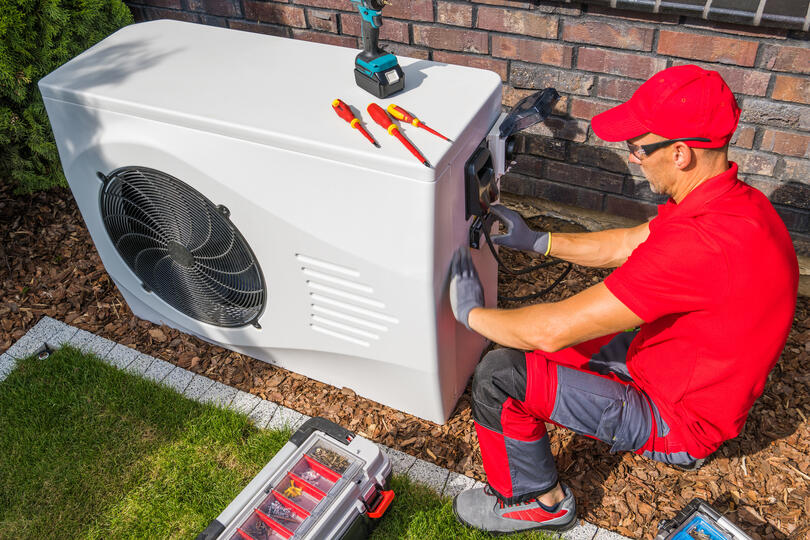
⚡️ Energy Efficiency of Forced Air Heating

Forced air heating systems are a common choice for maintaining comfortable indoor temperatures, but understanding their energy efficiency is crucial. This section delves into the factors that influence the efficiency of these systems, offering tips on how to optimize performance while minimizing energy consumption.

  • Key Efficiency Metrics: One of the main concerns for homeowners is energy efficiency. Forced air heating systems are rated by their Annual Fuel Utilization Efficiency (AFUE). The higher the AFUE rating, the more efficient the system.
  • Comparing Energy Efficiency: Modern forced air systems can achieve AFUE ratings of up to 98%. This means that 98% of the energy consumed goes directly into heating your home, with only 2% lost during the process. Older systems may have much lower efficiency ratings, often below 70%, making them more costly to operate.
  • Saving on Energy Bills: To maximize energy efficiency, regular maintenance is crucial. This includes changing air filters, cleaning ducts, and ensuring the system runs smoothly. Investing in a programmable thermostat can also help regulate the temperature more efficiently, saving you money on energy bills.

🛠️ Installation and Maintenance

This section covers the essential steps for the installation and maintenance of forced air heating systems. Proper installation ensures efficient operation, while regular maintenance prolongs the system’s lifespan and keeps it running smoothly. Follow these guidelines to optimize performance and avoid potential issues.

Installation Process

Installing a forced air heating system involves setting up the furnace or heat pump, connecting the ductwork, and installing vents and a thermostat. It’s advisable to have a certified professional handle the installation to ensure safety and efficiency.

Regular Maintenance

Regular maintenance is vital for keeping your forced air system running efficiently. This includes:

  • Changing air filters every 1-3 months.
  • Scheduling annual inspections.
  • Cleaning ductwork periodically.

Troubleshooting

Common issues, such as strange noises or uneven heating, can often be resolved with simple troubleshooting. However, persistent problems should be addressed by a professional to prevent more serious damage and ensure the longevity of your system.

😷 Health Considerations

forced air heating-technician inspecting ductwork on forced air system

When evaluating forced air heating systems, it’s important to consider their impact on health. These systems can circulate dust, allergens, and other pollutants, affecting indoor air quality. Understanding these factors and implementing proper maintenance can help mitigate potential health risks.

Air Quality Improvement

Forced air heating can improve indoor air quality when combined with high-quality air filters and humidifiers. These additional components can help remove allergens, dust, and pollutants from the air.

Potential Drawbacks

However, if not properly maintained, forced air systems can circulate dust and other allergens. Regular maintenance and using HEPA filters can mitigate these risks and keep your indoor air clean and healthy.

Best Practices

To maintain optimal indoor air quality:

  • Use high-efficiency filters.
  • Clean ducts regularly.
  • Incorporate air purifiers and humidifiers as needed.

💵 Cost Factors

When evaluating forced air heating, several cost factors come into play. These include the initial installation expenses, ongoing energy consumption, and potential maintenance or repair needs. Understanding these elements can help you make an informed decision about your heating system investment.

  • Initial Investment: The initial cost of a forced air heating system can vary widely depending on the type of system, its efficiency rating, and the size of your home. On average, homeowners can expect to spend between $2,500 and $7,500 for a new system, including installation.
  • Operating Costs: Operating costs are influenced by the efficiency of your system and the cost of your fuel source. Natural gas is often more affordable than electricity or oil, but availability can vary by region.
  • Long-term Savings: Investing in a high-efficiency system can result in significant long-term savings on your energy bills. Additionally, regular maintenance helps prevent costly repairs and extends the life of your system.

❗️ Common Issues and Solutions

In this section, we will explore common issues encountered with forced air heating systems and provide practical solutions to address them. Understanding these challenges and how to resolve them can help maintain optimal performance and extend the lifespan of your heating system. 

  • Uneven Heating: If you notice that some rooms are warmer than others, this can usually be addressed by balancing the system’s ductwork or adjusting the dampers.
  • Strange Noises: Unusual noises can indicate issues such as loose parts, debris in the ducts, or a failing motor. Identifying and resolving these issues early can prevent more extensive damage.
  • Poor Airflow: Poor airflow may be caused by clogged filters, blocked vents, or issues with the blower fan. Regular maintenance can help identify and resolve these problems before they become severe.

⚖️ 6 Pros and Cons of Forced Air Heating

Forced air heating systems are a popular choice for many homeowners, offering both advantages and disadvantages. In this section, we’ll explore the key pros and cons to help you determine if it’s the right heating solution for your home.

1. Efficiency ✅

Modern heating and cooling systems are designed to be highly efficient, significantly reducing energy consumption and subsequently lowering energy bills. This efficiency is achieved through advanced technology, including variable speed motors and improved heat exchangers, which optimize performance and energy use.

2. Versatility ✅

These systems are incredibly versatile and can be seamlessly integrated with air conditioning units to provide year-round comfort. This means that regardless of the season, you can maintain a comfortable indoor environment by efficiently managing both heating in winter and cooling in summer.

3. Air Quality ✅

When properly maintained, modern HVAC systems can significantly improve indoor air quality. This is achieved through the use of advanced filtration systems that remove dust, pollen, and other airborne contaminants, ensuring a cleaner and healthier living environment for occupants.

4. Maintenance 🚫

To function optimally, these systems require regular maintenance, including filter changes, duct cleaning, and occasional professional inspections. Neglecting maintenance can lead to decreased efficiency, higher energy bills, and potential system failures, making it essential to stay on top of upkeep.

5. Initial Cost 🚫

One of the drawbacks of modern HVAC systems is the higher upfront cost compared to some other heating options. The investment includes not only the purchase of the system but also installation fees, which can be substantial. However, the long-term energy savings and improved comfort often justify this initial expenditure.

6. Airflow Issues 🚫

forced air heating-dusty and clogged air ducts

If not properly maintained, HVAC systems can distribute allergens and other airborne particles throughout the home. This is particularly concerning for individuals with allergies or respiratory conditions. Regular cleaning and maintenance are crucial to prevent these issues and ensure the system operates efficiently and effectively.

🙌 Choosing the Right Heating System with Thelen Plumbing, Heating, and Air

Forced air heating is a popular choice for many homeowners due to its efficiency, versatility, and potential to improve indoor air quality. Regular maintenance, proper installation, and choosing the right system for your home can help you enjoy these benefits to the fullest.

At Thelen Plumbing, Heating, and Air, we’re committed to helping you find the perfect heating solution for your home. Our team of experienced professionals is dedicated to ensuring your comfort and satisfaction. Get in touch with us today to learn more about how we can help you stay cozy all winter long.

Is it time to upgrade your home’s heating system? Contact Thelen Plumbing, Heating, and Air and discover why we’re the trusted choice for homeowners.

Schedule Service

"*" indicates required fields

This field is for validation purposes and should be left unchanged.