Author: Kevin

Best Air Purifier for HVAC System (Homeowners Guide)

Imagine breathing cleaner, fresher air every time you walk into your home. A high-quality air purifier integrated with your HVAC system doesn’t just enhance comfort; it promotes healthier living by filtering out allergens, dust, and pollutants. If you’re a homeowner considering the best air purifier for your HVAC system, you’re in the right place. What we’ll cover in this guide:

  • Why you need an air purifier for your HVAC system
  • Top recommendations for the best air purifier for HVAC systems
  • How to choose the best air purifier for your system

🤔 Why You Need an Air Purifier for Your HVAC System

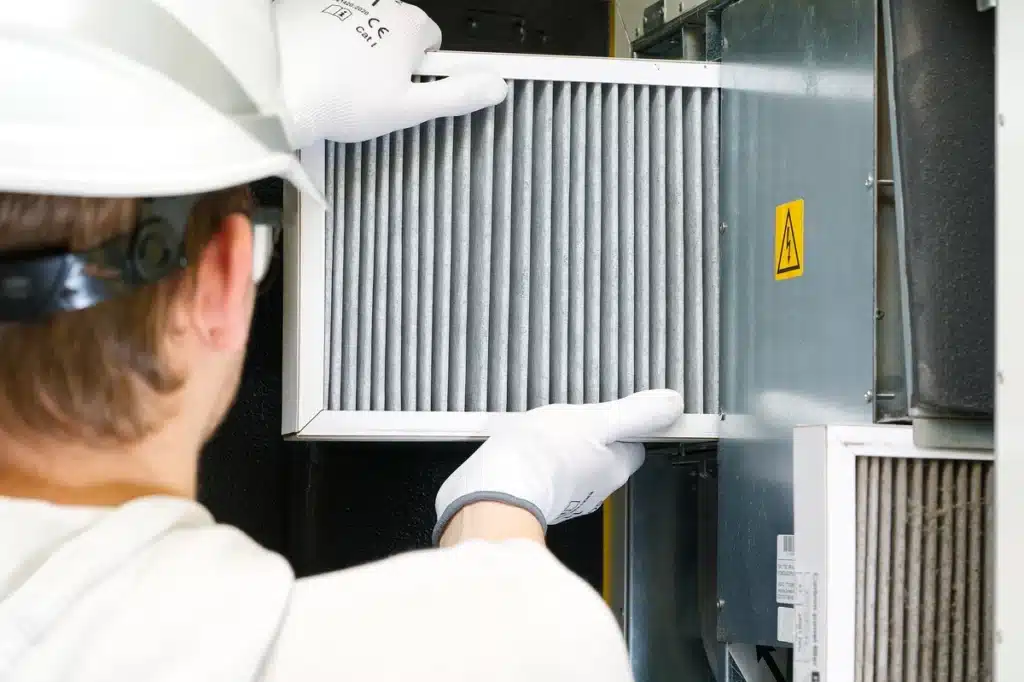
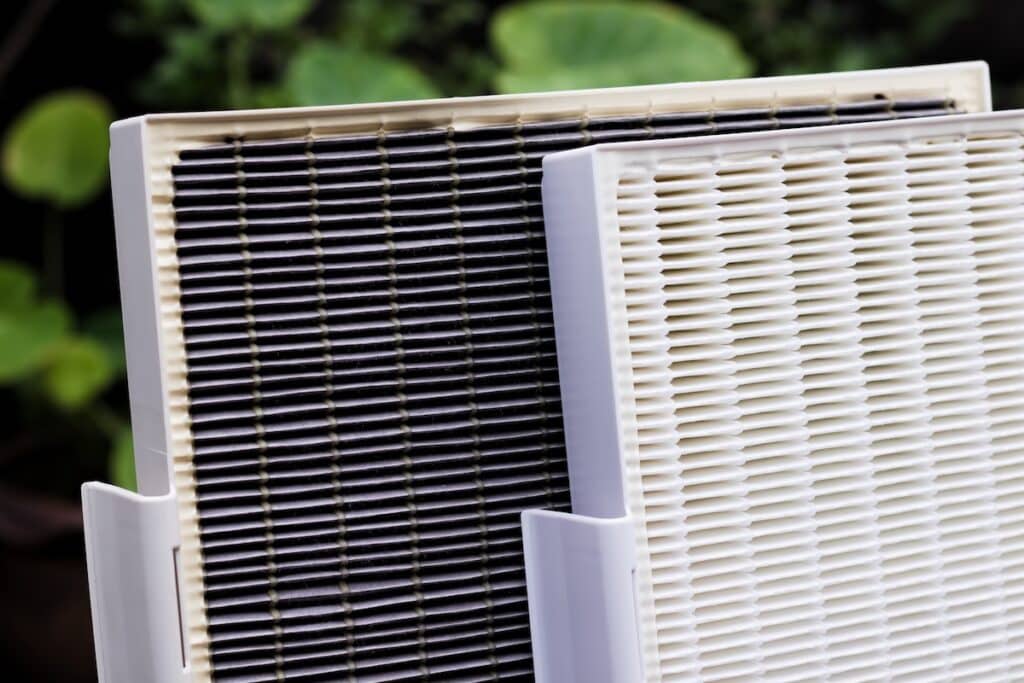
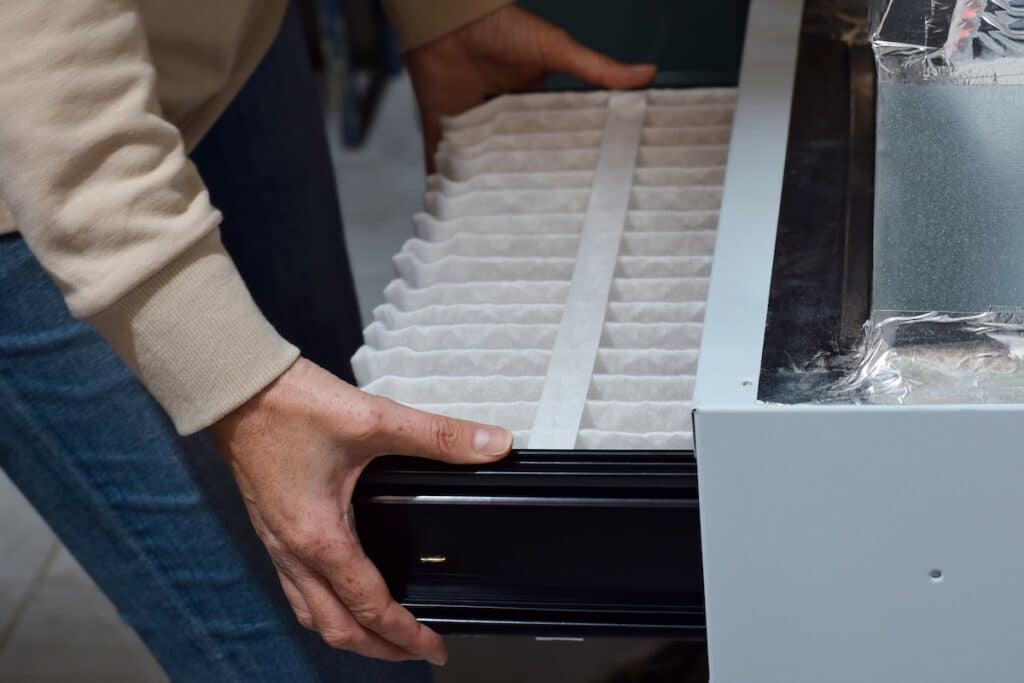
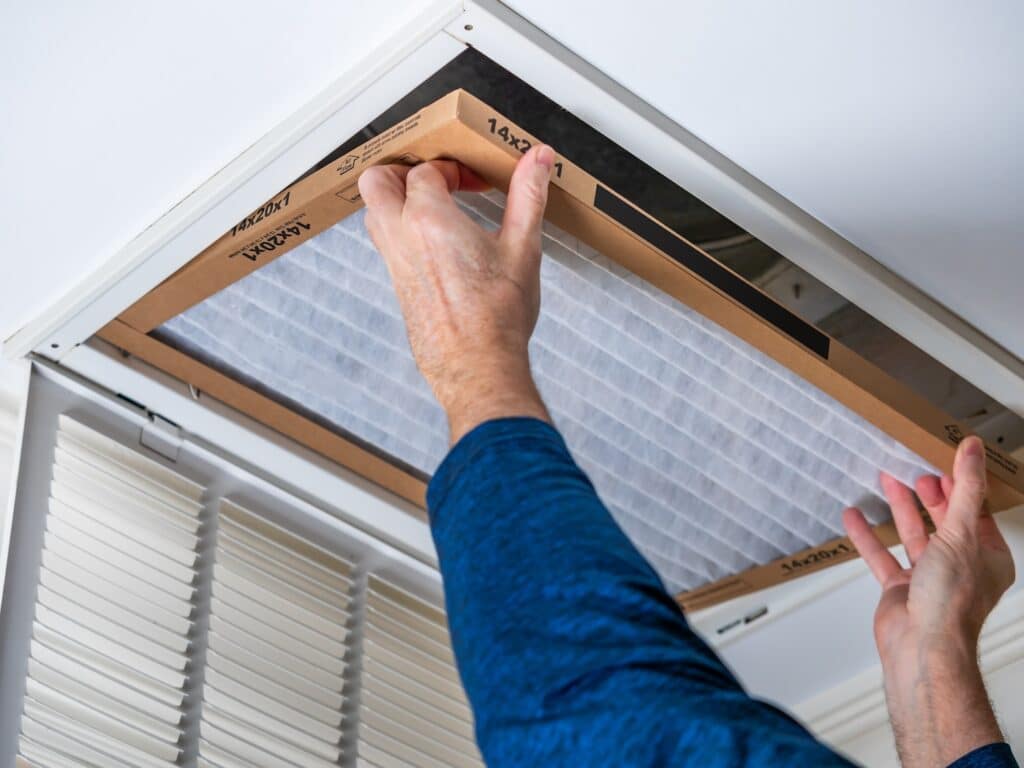
closeup air filter

The air inside your home might not be as clean as you think. Everyday activities like cooking, cleaning, and even pet dander can release pollutants into the air. Outdoor elements like pollen and exhaust fumes can also seep into your home, and your HVAC system can unintentionally circulate dust, mold spores, and other contaminants throughout your living spaces. All of this can negatively affect the air you breathe daily.

Installing an HVAC-compatible whole house air purifier is a powerful solution to combat these issues. These systems work to filter out harmful particles, allergens, and pollutants, leaving your home with fresher, cleaner air. This is especially important for people who suffer from allergies or asthma, as poor air quality can trigger symptoms and make breathing more difficult. Even for those without specific respiratory conditions, reducing exposure to airborne pollutants is key to maintaining overall health and well-being.

Benefits of an HVAC Air Purifier

  • Cleaner indoor air quality: Air purifiers filter out allergens, dust, pet dander, and pollen for a healthier indoor environment.
  • Reduces allergies and irritants: Removes irritants from the air, benefiting those with allergies or respiratory issues.
  • Prolongs HVAC lifespan: Reduces particle buildup, improving system efficiency and minimizing wear and tear.
  • Combats odors: Eliminates cooking smells, smoke, and pet odors effectively.
  • Boosts energy efficiency: Keeps filters and air ducts cleaner, enhancing HVAC efficiency.

👉 6 Best Air Purifiers for HVAC Systems

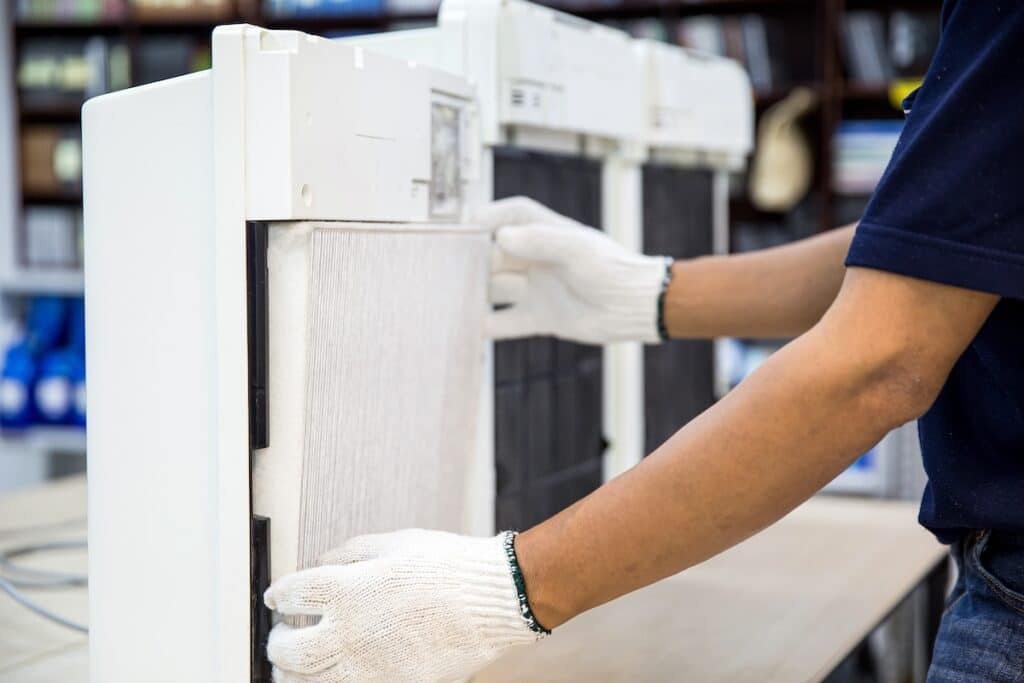
woman replacing air filter

Here’s our list of top recommendations for air purifiers:

1. Aprilaire 5000

The Aprilaire 5000 is a top choice for those seeking whole-home air purification. Known for its HEPA-grade efficiency, this unit can remove up to 98% of allergens, including pollen, dust, and pet dander. It works seamlessly with your home’s HVAC system, ensuring consistent air quality throughout your living space. Ideal for allergy sufferers or anyone looking to breathe cleaner air, the Aprilaire 5000 delivers impressive performance without increasing energy costs. Its easy maintenance and long-lasting filters make it a convenient and reliable option for healthier indoor air.

2. Honeywell F300E1019

The Honeywell F300E1019 is a powerful electronic air cleaner designed to tackle microscopic particles in your indoor air. Using advanced filtration and ionization technology, this model can trap dust, smoke, and even some bacteria, leaving your home with a fresher, cleaner atmosphere. It’s a low-maintenance system, requiring only occasional washing of its permanent filter, and it’s energy-efficient, making it easy to integrate into your home. Perfect for families or anyone living in urban areas with high pollution levels, the Honeywell F300E1019 ensures a healthier and more comfortable environment.

3. Lennox PureAir S

The Lennox PureAir S goes beyond traditional air purifiers by combining UV light technology, activated carbon filters, and a MERV 16 filter to provide comprehensive air cleaning. This system not only removes airborne particulates like dust and allergens but also kills bacteria, mold spores, and viruses. Additionally, the activated carbon filters are highly effective at eliminating chemical odors, such as those from cleaning products or cooking. The PureAir S is designed for maximum efficiency and works with Lennox smart thermostats, allowing you to monitor and control your home’s air quality easily.

4. Trane CleanEffects Air Cleaner

The Trane CleanEffects Air Cleaner is engineered to deliver exceptionally clean air, removing up to 99.98% of airborne particles, including ultra-fine particles as small as 0.1 microns. This makes it an excellent choice for households with severe allergy or asthma concerns. The system uses patented technology to trap more allergens and pollutants than standard filters, ensuring that your home’s air is as clean as possible. It is also energy-efficient and operates quietly, providing a stress-free solution for maintaining a healthier home environment. With easy-to-clean reusable filters, the Trane CleanEffects is both effective and cost-efficient.

5. Carrier Infinity Air Purifier

The Carrier Infinity Air Purifier is a cutting-edge system that uses an advanced filtration process to trap and kill harmful airborne pathogens, including bacteria, viruses, and mold. Its Captures & Kills™ technology ensures that your indoor air is not only cleaner but also safer for your family. The system also removes allergens and reduces odors, creating a fresher and healthier living space. Designed to integrate seamlessly with Carrier HVAC systems, the Infinity Air Purifier is perfect for anyone looking to improve air quality and protect against harmful contaminants, especially during flu or allergy seasons.

6. AtmosAir Solutions

AtmosAir Solutions offers a unique and environmentally friendly approach to air purification. Unlike conventional systems, AtmosAir uses active ionization technology to neutralize contaminants in the air, including allergens, mold spores, and even airborne viruses. This green technology doesn’t just filter the air; it actively improves it, ensuring your home or office is healthier and more sustainable. Ideal for eco-conscious consumers, AtmosAir is used in residential, commercial, and even healthcare settings to deliver high-quality air without relying on heavy energy use or disposable filters. It’s a smart choice for those prioritizing both clean air and environmental responsibility.

⚖️ How to Choose the Best Air Purifier for Your HVAC System

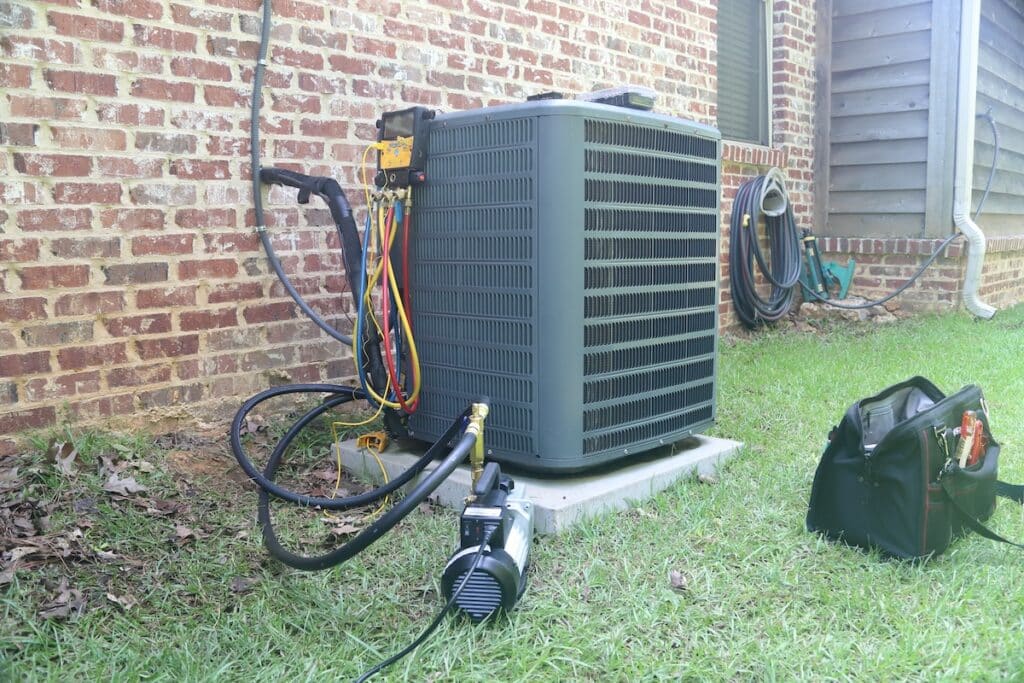
technician hvac system air purifier

Not all air purifiers are created equal. Make sure to look for the following factors:

Compatibility

Before purchasing an air purifier, make sure it is compatible with your HVAC system. Not all purifiers are designed to work seamlessly with every type of system. Check the specifications carefully to ensure it matches your model and won’t cause inefficiencies or damage to your HVAC setup. Compatibility ensures optimal performance and avoids unnecessary costs down the line.

Filtration System

The type of filtration system is crucial for effective air purification. HEPA filters are excellent for capturing small particles like dust, pollen, and pet dander, making them a must for allergy sufferers. Activated carbon filters are highly effective at removing odors and harmful gases, while UV-C light technology helps eliminate bacteria, viruses, and mold spores. A purifier with a combination of these technologies will provide the best overall air quality improvement.

Maintenance Requirements

Air purifiers vary in their maintenance needs, so it’s important to choose one with convenient upkeep. Look for models with easy-to-replace filters that don’t require tools or complex steps. Consider how often filters need to be replaced and the associated cost. Minimal maintenance reduces hassle and ensures the purifier continues to function efficiently over time.

Coverage

The size of the space the purifier can handle is a critical factor. Check the product’s specifications to ensure it can cover the square footage of your home or the specific room where it will be used. Using a purifier in a space larger than its capacity can reduce its effectiveness, while selecting one with adequate coverage ensures optimal air cleaning performance.

Certified Air Quality Standards

For peace of mind, choose a purifier that meets recognized industry standards. Certifications like MERV (Minimum Efficiency Reporting Value) ratings indicate the purifier’s efficiency in trapping particles. Other certifications, such as Energy Star, can also signal energy-efficient operation. These standards guarantee the purifier’s reliability and performance, helping you make an informed decision.

💨 HVAC Air Purifiers

At Thelen Plumbing, Heating, and Air, we understand that choosing the best air purifier for your HVAC system is an important step toward creating a healthier, more comfortable home. With our expert technicians, personalized recommendations, transparent pricing, and commitment to customer satisfaction, you can trust us to help you find the perfect solution for your needs.

Ready to improve your home’s air quality? Contact Thelen Plumbing, Heating, and Air today for a consultation and take the first step toward breathing cleaner, fresher air!

How To Tell If Your AC Compressor Is Bad? (Key Signs & Solutions)

When the summer heat is relentless, your AC’s performance can make all the difference between comfort and discomfort. One of the most critical components of your air conditioning system is the compressor. If it isn’t functioning properly, your entire cooling system could fail, leaving you scrambling for a solution.

This post will explore how to tell if your AC compressor is bad and provide steps for addressing the issue. We’ll also explain why Thelen Plumbing, Heating, and Air is the trusted team for HVAC diagnosis and repair, ensuring your home stays comfortable year-round. Here’s what we’ll cover:

  • What is an AC compressor and why is it important?
  • Signs that your AC compressor is bad
  • What you should do if your compressor fails

🤔 What Is an AC Compressor and Why Is It Important?

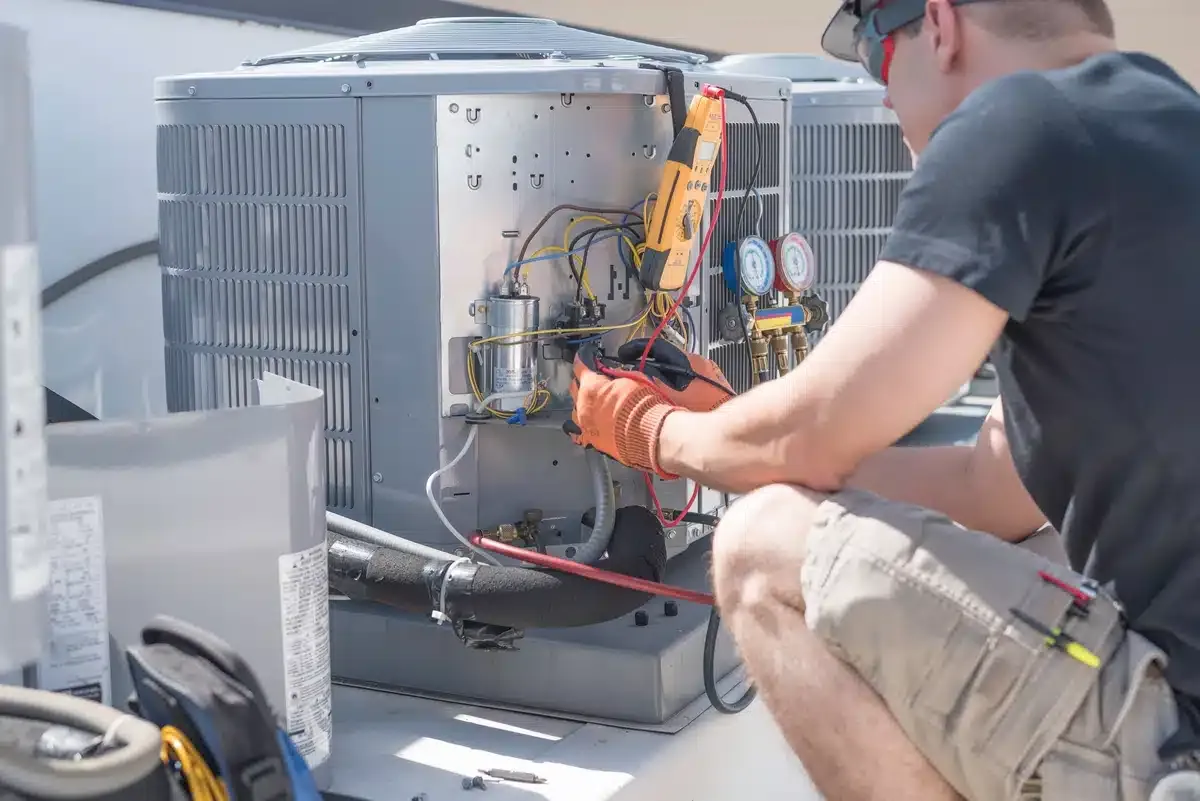
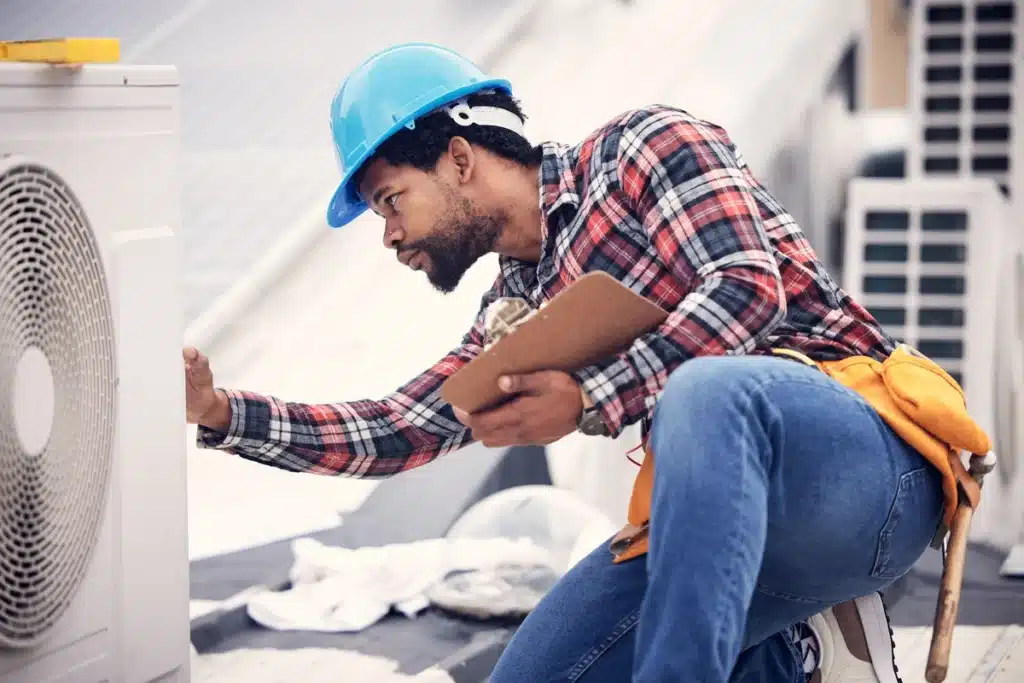
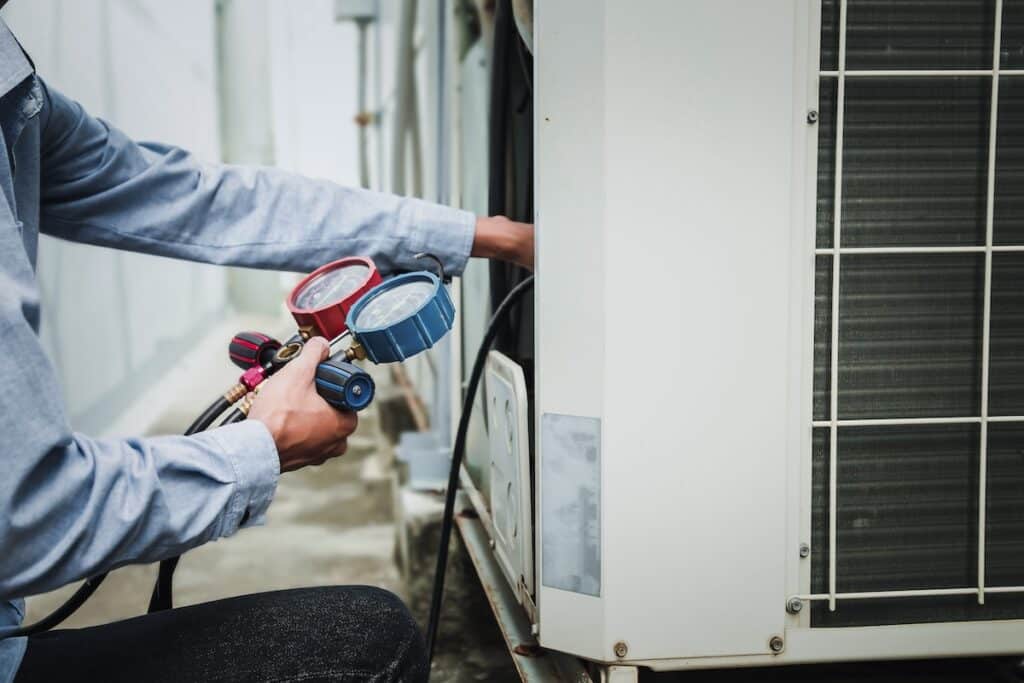
air conditioner technician

The AC compressor is often referred to as the heart of your air conditioning system, and for good reason. It plays a critical role in ensuring your home stays cool and comfortable, especially during those hot summer months. The compressor works by compressing the refrigerant—a chemical compound that helps absorb and release heat—and circulating it through the system. This process allows your air conditioning unit to pull heat out of the indoor air and release cooled air back into your home. Without the compressor, the entire cooling process would come to a halt, and your AC system wouldn’t be able to function effectively.

A malfunctioning or damaged compressor can have serious consequences for your cooling system. A bad compressor can reduce the efficiency of your AC, causing it to work harder and use more energy to achieve limited results. In some cases, a faulty compressor can render the entire AC unit useless. This can lead to uncomfortably high indoor temperatures, especially when you need cooling the most, and result in skyrocketing energy bills as the system struggles to compensate for the inefficiency. Replacing or repairing a compressor can be an expensive process, so keeping it in good working condition is essential for maintaining both comfort and cost-efficiency in your home. Understanding the importance of the AC compressor can help you stay proactive in its maintenance and avoid unexpected breakdowns.

What Causes an AC Compressor to Go Bad?

Several factors can lead to compressor failure:

  • Refrigerant issues: Overcharging, undercharging, or leaks can damage the compressor.
  • Poor maintenance: Dirt, debris, and wear from skipped maintenance can impact performance.
  • Electrical problems: Damaged wiring can strain or completely fail the compressor.
  • Unit age: Compressors in systems over 10-15 years old may simply wear out.
  • Blockages or contaminants: Obstructions or contaminants in refrigerant lines can reduce efficiency.

🔎 Signs That Your AC Compressor Is Bad

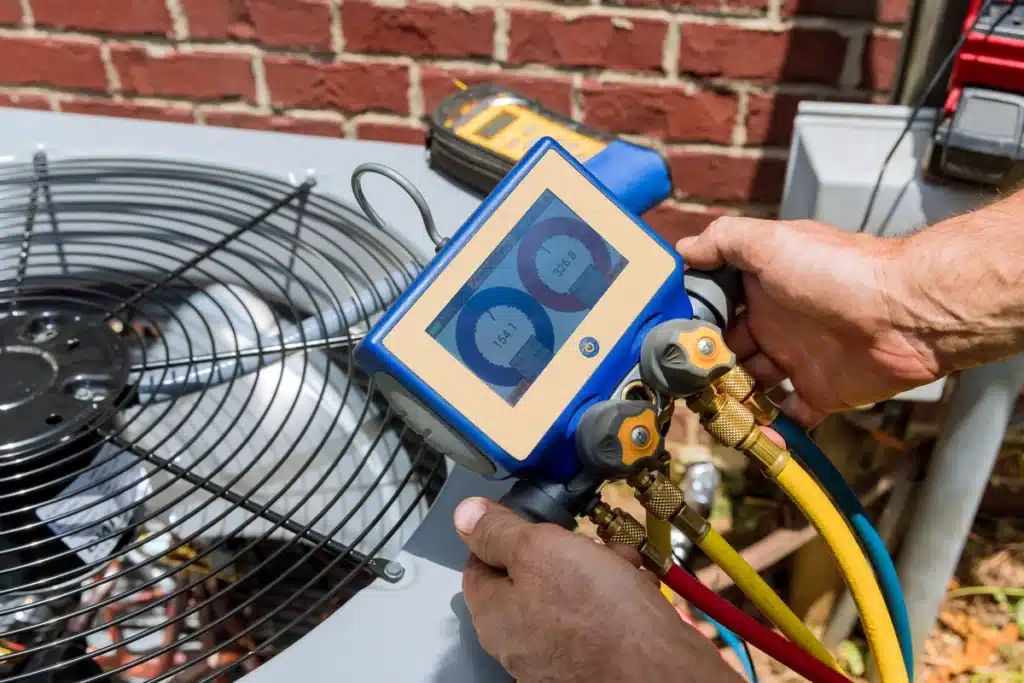
closeup old ac compressor

Wondering if your AC compressor is failing? Below are clear indicators to watch out for. Spotting these warning signs early can save you costly repairs or replacements.

1. Your AC System Blows Warm Air

If your air conditioner is blowing warm air instead of cold, there’s a good chance the compressor isn’t functioning properly. The compressor plays a critical role in pressurizing and circulating the refrigerant needed to cool the air. Without this essential step, the entire cooling process breaks down, leaving you with an AC system that can’t regulate indoor temperatures. This can make your space uncomfortable, especially during hot weather, and may require immediate attention from a professional technician to prevent further damage to your system.

2. Unusual Noises from the AC Unit

Hearing strange noises like rattling, clunking, or hissing when your AC is running? These sounds could point to serious issues within the compressor. Rattling might indicate loose or broken components, while clunking noises could suggest a more severe mechanical issue. Hissing, on the other hand, is often a sign of a refrigerant leak. These unusual noises are typically warnings that your compressor is experiencing wear or internal damage, and ignoring them could lead to complete system failure. It’s best to have these noises investigated by a professional before they worsen.

3. High Energy Bills

A malfunctioning compressor can cause your AC system to work much harder than it should. When the compressor struggles to maintain efficiency, it often compensates by running for longer periods, consuming excessive amounts of energy in the process. This leads to noticeably higher energy bills, even if your usage habits haven’t changed. If you notice an unexpected spike in your utility costs, your compressor could be the culprit. Addressing the issue promptly will not only reduce your bills but also prevent additional wear on your AC system.

4. Reduced Airflow

Weak airflow coming from your vents, even when the AC is running, is another sign of compressor trouble. The compressor is responsible for keeping the refrigerant moving, and when it fails, the system can’t deliver the strong, consistent airflow needed to cool your space. Reduced airflow can make your AC ineffective and place extra strain on other components, potentially causing further damage. If this issue persists, it’s a clear indication that your compressor needs to be inspected and possibly replaced.

5. Tripped Circuit Breaker

Does your AC frequently trip the circuit breaker? This can be a sign of a struggling compressor. When a compressor is failing, it often draws more power than usual as it tries to function properly. This power surge can overwhelm your electrical system, causing the breaker to trip repeatedly for safety reasons. If this happens, it’s important to investigate the underlying cause rather than simply resetting the breaker. A faulty compressor may not only harm your AC system but also pose a risk to your home’s electrical system if left unchecked.

6. AC Unit Won’t Turn On

If your air conditioner refuses to turn on or fails to cool your space, the compressor could be completely inoperable. The compressor is the heart of your AC system, and when it stops working, the entire cooling process grinds to a halt. Without a functioning compressor, the refrigerant can’t circulate, and your AC won’t be able to produce cold air. This is a serious issue that requires immediate attention, as the compressor is one of the most essential—and costly—components of your system.

7. Ice on Components

Ice forming on the refrigerant lines or outdoor unit is a clear sign that something is wrong with your AC system. This often occurs when the refrigerant isn’t circulating properly, which is commonly linked to compressor inefficiencies. Ice buildup can restrict airflow and further damage your system, making it less effective at cooling your space. If you notice ice on your AC components, it’s crucial to address the issue quickly to prevent more extensive damage and costly repairs.

⚠️ What You Should Do if Your Compressor Fails

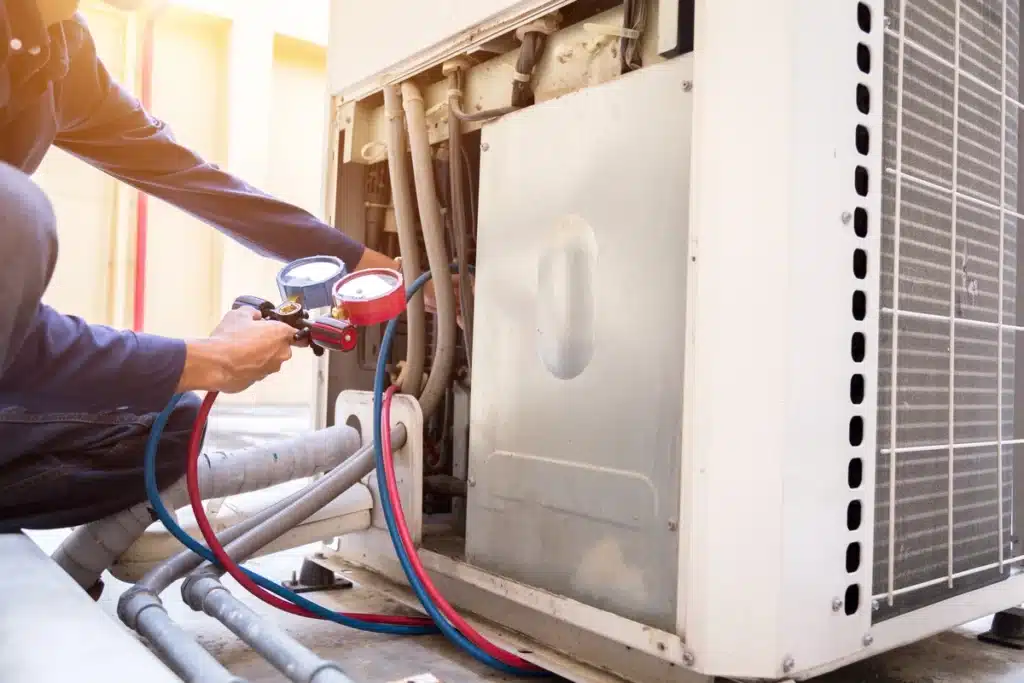
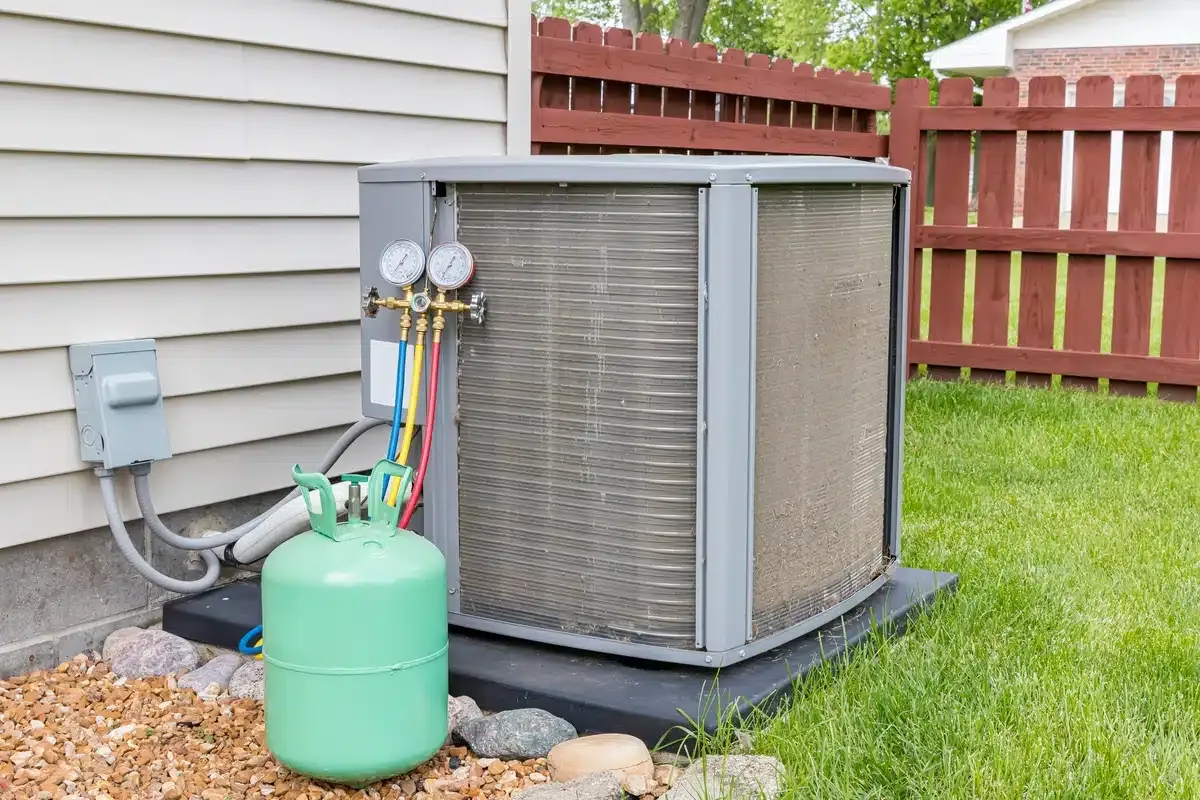
air conditioner maintenance

If you suspect a bad compressor, here are the steps to take:

Turn Off Your AC

If your AC compressor is failing, the first step is to turn off the system immediately. Continuing to run the air conditioner could cause further damage to the compressor or other components, leading to more extensive and costly repairs down the line. Turning off the unit can help prevent additional strain on the system and avoid making the problem worse.

Schedule an Inspection

Contact a professional HVAC technician as soon as possible to inspect and diagnose the issue. A trained technician has the tools and expertise to accurately identify the problem with your compressor. Avoid attempting DIY repairs, as incorrect fixes could exacerbate the issue and potentially void any existing warranties on your system.

Budget for Repairs or Replacement

Once the inspection is complete, you’ll need to plan for the recommended repairs or replacement. If the compressor is repairable, this could be a more affordable option. However, if the unit is old or the repair costs are significant, replacing the entire AC system might be more cost-effective in the long run. A new unit could also offer improved energy efficiency and lower utility bills.

Consider Regular Maintenance Plans

To avoid similar issues in the future, think about enrolling in an HVAC maintenance program. Regular maintenance will help ensure your system runs smoothly, catch potential problems early, and extend the lifespan of your unit. This proactive approach can save you money and reduce the risk of unexpected breakdowns.

🛠️ AC Compressor Issues

When it comes to diagnosing and fixing a bad AC compressor, you want a team you can trust to get the job done right. At Thelen Plumbing, Heating, and Air, we combine years of experience, expert technicians, and a commitment to your comfort to deliver reliable cooling solutions. From quick repairs to full system replacements, we’re here to ensure your home stays cool and comfortable year-round.

If you’re experiencing AC issues, don’t wait—contact us today to schedule an appointment or take advantage of our 24/7 emergency service. Let us bring you the peace of mind you deserve!
How Does a Tankless Water Heater Work? 7 Things Homeowners Should Know

Have you been hearing about tankless water heaters and wondering how they work? If you’re a homeowner looking to save space and improve energy efficiency, a tankless water heater might be the perfect upgrade for your home. These modern water heaters offer on-demand hot water without the need for a bulky storage tank. This guide will cover everything you need to know about tankless water heaters, including:

  • How does a tankless water heater work
  • The benefits of using a tankless system
  • Important things to know before installing one

🔎 What Is a Tankless Water Heater?

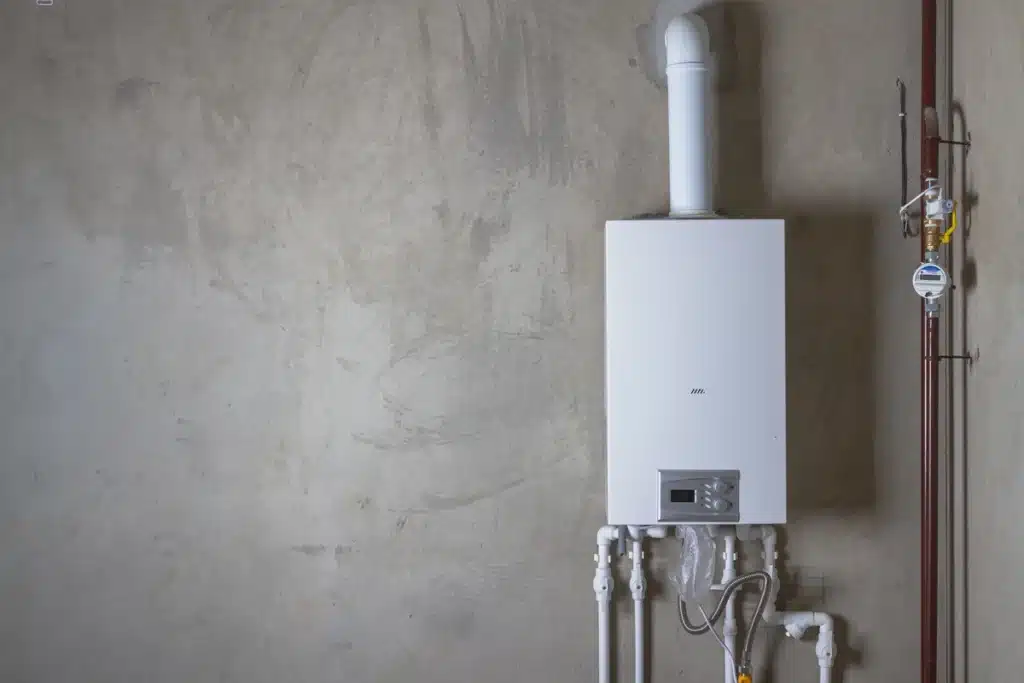
tankless water heater residential house

A tankless water heater, also referred to as an on-demand water heater, is a modern solution to providing hot water efficiently and only when you need it. Unlike traditional water heaters that store heated water in a large tank and maintain its temperature until it’s used, tankless systems heat water directly as it flows through the unit. This means that when you turn on a hot water tap, cold water travels through the system, gets heated by either gas or electric elements, and is delivered to you instantly.

One of the key benefits of a tankless water heater is the elimination of standby energy loss. Traditional water heaters consume energy continuously to keep a tank full of water hot 24/7, even when you’re not using it—like during the night or when you’re away from home. Tankless water heaters, on the other hand, only operate when hot water is required, making them more energy-efficient and cost-effective in the long run.

How Does a Tankless Water Heater Work?

At its core, a tankless water heater operates using advanced heating technology designed to deliver hot water instantly. Here’s how it works step by step:

  • Cold Water Intake: When you turn on a hot water tap, cold water enters the tankless water heater through the intake valve.
  • Flow Sensor Activation: A flow sensor detects water movement and signals the heater to activate.
  • Instant Heating: A heating element or gas burner quickly heats the water to the set temperature as it flows through the unit.
  • Hot Water Output: The heated water is delivered directly to your faucet, shower, or appliance, providing hot water on-demand without any waiting or waste.

🤔 7 Things to Know About Tankless Water Heaters

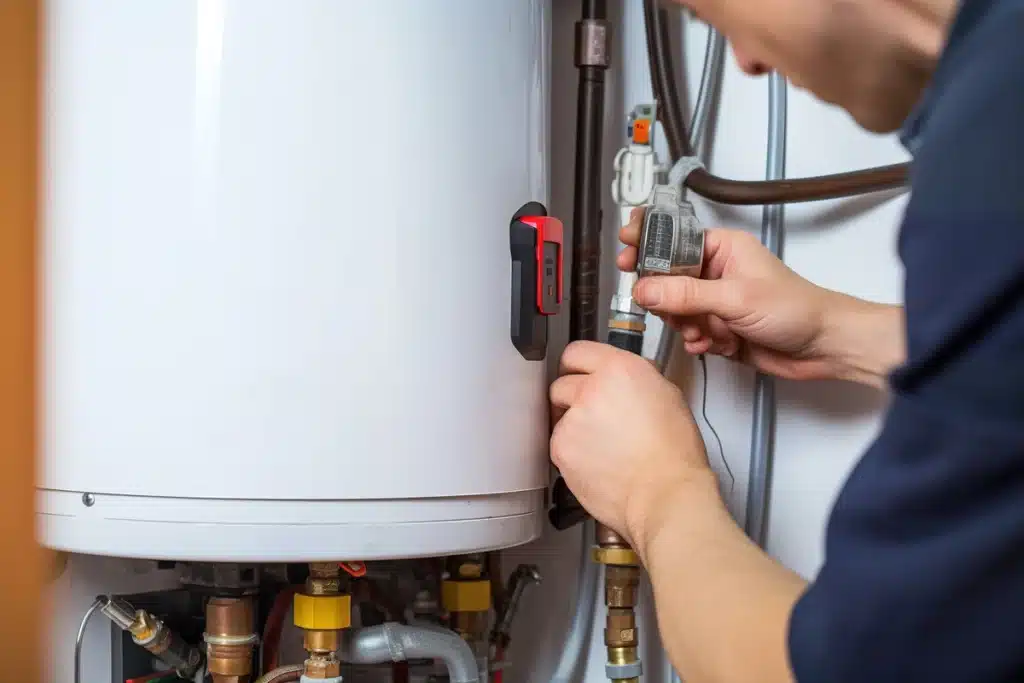
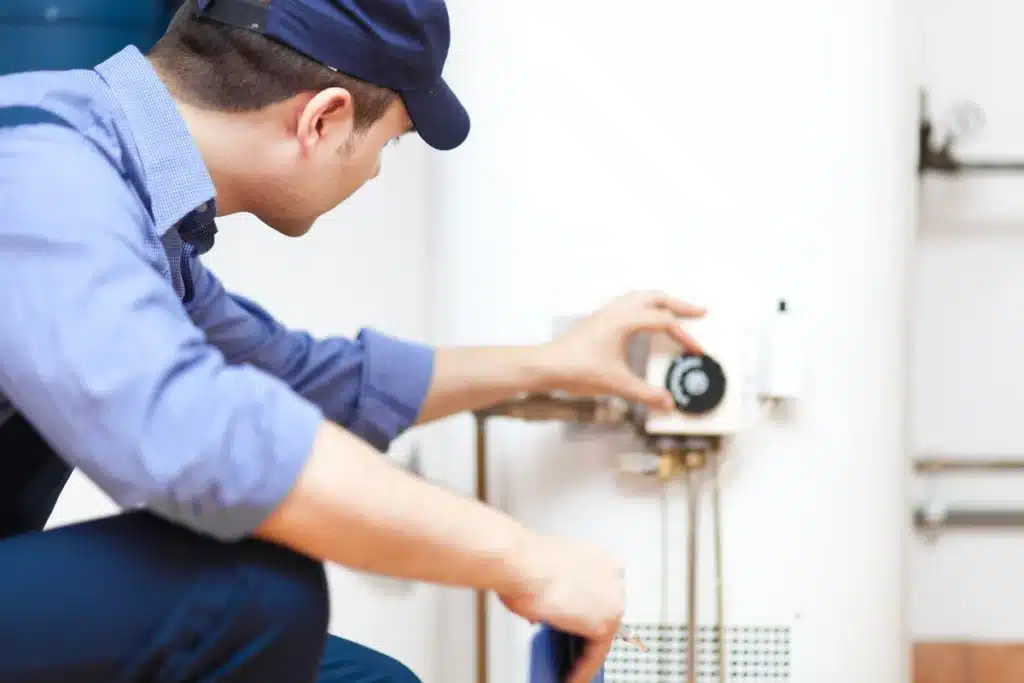
man working on tankless water heater

Before you install a tankless water heater, here are seven important things to keep in mind:

1. Upfront Costs Can Be Higher

Tankless water heaters come with a higher upfront cost compared to traditional storage tank systems, which can deter some homeowners from making the switch. This higher cost includes both the price of the unit itself, which is often significantly more expensive than storage tanks, and the installation, which requires professional expertise and can add to the expense. However, while the initial investment may seem steep, tankless systems often offer long-term savings due to their energy efficiency. Unlike traditional systems that continuously heat water in a storage tank, tankless models only heat water on demand, reducing energy consumption and lowering utility bills over time. For those willing to invest upfront, the savings can make this option worthwhile in the long run.

2. Proper Sizing Is Essential

Choosing the right-sized tankless water heater for your home is critical to ensuring it meets your household’s hot water needs. Tankless systems heat water on demand, so their efficiency is tied directly to the unit’s capacity and your home’s water usage. For homes with multiple bathrooms or high water demands—such as running a shower, dishwasher, and washing machine simultaneously—a higher-capacity unit may be required. In some cases, homeowners may need to install multiple systems to meet the demand. Improper sizing can lead to issues like fluctuating water temperatures or reduced water flow, which can be frustrating for users. Consulting a professional to determine the correct size and capacity for your home is a key step in choosing a tankless system.

3. Requires Professional Installation

Installing a tankless water heater is a complex process that typically requires professional expertise. Unlike traditional systems, which are more straightforward to set up, tankless units often require adjustments to your home’s plumbing, electrical, or gas lines to ensure they function properly. Incorrect installation can lead to inefficiencies, safety concerns, or even damage to the unit. Professional technicians are trained to comply with local building codes and optimize the installation for maximum efficiency and safety. While professional installation adds to the overall cost, it ensures the system is installed correctly and operates as intended, giving homeowners peace of mind.

4. May Need Electrical or Gas Line Upgrades

Tankless systems demand more power than traditional storage tank heaters, which may require upgrades to your home’s infrastructure. For electric tankless water heaters, this could mean rewiring your electrical system or increasing your home’s amperage to handle the higher load. For gas-powered models, you might need to upgrade gas lines or install special ventilation systems. These upgrades can add to the cost of installation but are necessary to ensure the system operates safely and efficiently. It’s essential to factor these potential costs into your decision-making process when considering a tankless system. A professional installer can assess your home’s current setup and provide an estimate of any additional work needed.

5. Regular Maintenance Is Required

While tankless water heaters are known for their longevity and reliability, they still require routine maintenance to perform at their best. Mineral buildup, especially in areas with hard water, can reduce efficiency and damage internal components over time. Regular cleaning and descaling, typically once a year, can prevent these issues and extend the unit’s lifespan. Some manufacturers recommend installing a water softener to further reduce the effects of hard water. Additionally, filters and other components may need periodic checks and replacements. While maintenance is relatively simple, neglecting it can lead to decreased performance and costly repairs down the line. Investing time in routine care ensures your tankless system remains energy-efficient and lasts for many years.

6. May Struggle with High Demand

One of the potential downsides of tankless water heaters is their capacity to handle high water demand. Because they don’t store heated water, they rely on heating water as it’s needed, which can be challenging in homes with multiple simultaneous users. For example, running several showers, a dishwasher, and a washing machine at the same time may exceed the unit’s capacity, leading to inconsistent water temperatures or reduced flow rates. In such cases, homeowners may need a larger-capacity unit or even multiple tankless systems installed in different areas of the home. Proper planning and consultation with a professional can help address these challenges and ensure your system meets your household’s needs.

7. Potential Tax Incentives

One of the advantages of investing in a tankless water heater is the potential cost savings through tax credits or rebates. Many energy-efficient models qualify for government or utility incentives aimed at encouraging eco-friendly upgrades. These programs can significantly reduce the upfront cost, making tankless systems more affordable for homeowners. Incentives vary by location and may include federal tax credits, state or local rebates, or discounts from utility companies. To take advantage of these savings, homeowners should research available programs in their area and ensure their chosen tankless model meets the eligibility requirements. These incentives, combined with long-term energy savings, can make tankless systems a financially appealing option.

👉 Benefits of a Tankless Water Heater

man tightening tankless water heater pipes

Switching to a tankless water heater offers several compelling advantages for homeowners, including:

1. Energy Efficiency

Tankless water heaters are designed to heat water only when you need it, unlike traditional tank models that continuously maintain a reservoir of hot water. This on-demand heating system significantly reduces energy consumption, which means lower utility bills for you. Over time, the energy savings can really add up, making tankless water heaters a cost-effective and eco-conscious choice.

2. Unlimited Hot Water

Forget about running out of hot water during a relaxing shower or while doing laundry. Tankless water heaters supply hot water continuously for as long as needed, so you’ll never have to wait for a tank to refill. This makes them ideal for large families or households with high water usage.

3. Space Savings

One of the biggest advantages of tankless water heaters is their compact design. Without the need for a bulky storage tank, these units can be mounted on walls, saving you valuable floor space. This is especially beneficial for smaller homes, apartments, or anyone looking to optimize their storage areas.

4. Longer Lifespan

Investing in a tankless water heater means you’ll enjoy a product with a longer lifespan. While traditional tank water heaters typically last 10-15 years, tankless models can last up to 20 years with proper maintenance. This durability makes them a smart long-term investment for your home.

5. Eco-Friendly

Tankless water heaters use less energy, which not only saves you money but also reduces your home’s carbon footprint. By choosing a more energy-efficient system, you’re making a positive impact on the environment. For homeowners who want to live more sustainably, a tankless water heater is a great step toward greener living.

🏡 Tankless Water Heaters

A tankless water heater is a smart investment for homeowners seeking energy efficiency and endless hot water. Understanding how it works is just the first step—choosing the right team to handle your installation or upgrade is just as important. At Thelen Plumbing, Heating, and Air, our certified technicians have the expertise and dedication to ensure your heating system operates at its best.

With unbeatable customer service, affordable pricing, and a commitment to quality, we’re the team you can trust for all your heating needs. Ready to make the switch? Contact Thelen Plumbing, Heating, and Air today and let us help you enjoy the many benefits of a tankless water heater!

Heater Not Working? 6 Tips to Restore Warmth in Your Home

Few things disrupt home comfort quite like a malfunctioning heater. Whether it’s the dead of winter or a chilly fall evening, a heater that isn’t working can quickly turn cozy living conditions into an uncomfortable experience.

This guide will help you troubleshoot common heating issues and provide actionable steps to restore warmth in your home. Plus, you’ll learn why Thelen Plumbing, Heating, and Air is the trusted choice for professional heating solutions in the Twin Cities.

Here’s what we’ll cover:

  • Common reasons your heater is not working
  • 6 tips to restore warmth when your heater stops working
  • When to call a professional

🔎 Common Reasons Your Heater Isn’t Working

thermostat inside residential home

When your heater stops working, it can be frustrating, especially during the colder months. While it may seem like a significant issue at first, many heating problems have simple solutions that you can address on your own before calling a professional. Understanding the potential causes of heater malfunctions not only saves time but can also reduce repair costs. A little troubleshooting can go a long way in restoring warmth to your home.

Common issues with heaters often stem from components that are easy to check and maintain. From something as simple as a thermostat setting to more involved concerns like a malfunctioning ignition system, identifying the root cause is the first step in resolving the problem. Below are some of the most typical culprits to explore before seeking professional assistance:

  • Check your thermostat: Ensure it’s set to “heat,” the temperature is above the room temperature, and replace batteries if needed.
  • Replace clogged filters: Dirty filters restrict airflow, cause overheating, and reduce efficiency.
  • Inspect the pilot light or ignition: For gas heaters, ensure the pilot light is lit or the ignition system is functioning properly.
  • Check the blower motor: Issues with the blower motor, such as weak airflow or unusual noises, can indicate a malfunction that needs addressing.
  • Address electrical issues: Check for blown fuses, tripped breakers, or loose wiring if your heater won’t turn on.
  • Inspect the cooling system: Check for air pockets, damaged hoses, and low coolant levels that can disrupt the cooling system’s functioning.
  • Clean the burner: For gas heaters, a dirty burner can reduce heat output by preventing proper combustion.
  • Examine the heater control valve: This valve regulates the flow of coolant to the heater core. Symptoms of a malfunctioning valve include insufficient heating or cold air output.
  • Assess equipment age: Outdated or poorly maintained heating systems may have worn or failing components.

👉 6 Tips to Restore Warmth When Your Heater Stops Working

hvac unit thelen

If your heater isn’t working, you don’t have to panic. Here are 6 practical steps to troubleshoot and potentially fix the issue yourself before calling in the experts:

1. Check the Thermostat and Heater Control Valve

Start by ensuring that your thermostat is switched to “heat” mode, as this is a common issue during seasonal transitions. Adjust the temperature setting by increasing it and give the system a few moments to respond. If there’s still no change, check if your thermostat uses batteries. If so, replace them, as low power can cause it to malfunction. These simple steps can resolve common thermostat issues without further intervention.

2. Inspect and Replace the Cabin Air Filter

The air filter in your heater plays a crucial role in maintaining proper air circulation and system efficiency. Over time, filters can become clogged with dust and debris, reducing the heater’s performance. A blocked or plugged cabin air filter can lead to reduced heating performance and airflow issues. Locate the air filter in your heater system and inspect it carefully. If it appears dirty or clogged, replace it with a new one. Most air filters need to be replaced every 1–3 months, depending on usage and environmental factors. Keeping the filter clean not only ensures better heating but also prolongs the life of your system.

3. Reset the Power Supply

If your heater isn’t running, it could be due to a power issue. Check your home’s circuit breaker to see if the heater’s switch has tripped. A tripped breaker can occur if there’s a temporary overload or electrical fluctuation. If the breaker has been tripped, reset it by switching it off and then back on. Once the power is restored, check if the heater begins functioning again. This simple step can often resolve unexpected power interruptions.

4. Relight the Pilot Light

For gas heaters, the pilot light is essential for igniting the system. It is important to ensure that the gas valve to the furnace is open as part of maintaining a reliable propane gas supply. If the pilot light is out, carefully follow the manufacturer’s instructions to relight it. These guidelines are often included in your heater’s user manual or a label on the unit. Use caution when relighting the pilot light to ensure safety. If the pilot light continues to go out after relighting, this may indicate a larger issue, such as a faulty thermocouple or insufficient gas supply. In such cases, it’s best to contact a professional for further inspection and repair.

5. Inspect the Heater for Obstructions

Obstructions can significantly restrict air flow, affecting your heater’s efficiency and overall performance. Begin by thoroughly checking the area around your heater for any debris, dust, or clutter that may block airflow. Make sure that vents and registers are clear and unobstructed to allow heat to circulate properly throughout your home. Additionally, ensure that the immediate area near the heater is free from items that could pose a safety risk. Keeping the area around your heater clean and free of obstructions helps maintain optimal performance.

6. Listen for Unusual Noises from the Blower Motor

Strange noises coming from your heater, such as banging, rattling, or squealing, could indicate a mechanical issue or loose components. These sounds are often a warning sign that something inside the system needs attention. Unusual noises could also indicate issues with the heat exchanger, a critical component of furnaces that separates heated air from exhaust gases. If you hear unusual noises, it’s important to turn off your heater to prevent further damage. Contact a professional technician to inspect and repair the heater, as these sounds could signify issues like a failing motor, loose parts, or other serious mechanical problems.

👨‍🔧 When to Call a Professional

While some heating issues can be resolved with simple fixes, others require professional expertise. If your heater:

Continues to Malfunction After Basic Troubleshooting

If your HVAC system still isn’t working properly after trying basic troubleshooting steps, it could point to a deeper issue. Issues such as clogs or blockages in the heater core can impede the flow of coolant, resulting in ineffective heating. Common fixes like checking the thermostat, resetting the system, or replacing the air filter should resolve minor problems. If they don’t, it’s time to call a licensed technician to get to the root of the problem before it worsens.

Emits Odd Smells, Such as Gas or Burning Odors, Check Gas Supply

Unusual smells coming from your HVAC system are a serious red flag. Drivers may also encounter cold air blowing from the heater on chilly mornings, indicating potential malfunctions in the heating system. A gas-like odor could indicate a dangerous leak, while burning smells might signal overheating or an electrical issue. Don’t ignore these warning signs—contact an HVAC professional immediately to ensure your safety.

Produces Unusual Noises

Loud or strange noises, such as banging, rattling, or screeching, are often signs that something isn’t right within your system. The heater control valve regulates the flow of coolant to the heater core, and symptoms of its malfunction include lack of heat or the vehicle running cooler than normal. These sounds may indicate loose parts, motor issues, or components nearing failure. Addressing these noises early can prevent more significant, costly repairs down the line.

Is More Than 10–15 Years Old

HVAC systems typically have a lifespan of 10–15 years. A clogged heater core impairs the flow of warm coolant, reducing heating efficiency. If yours has reached or exceeded this age range, it might be time to consider a replacement. Older systems often lose efficiency, require frequent repairs, and fail to meet the demands of modern energy standards. Having an expert assess your system can help you determine the best course of action.

Why Acting Quickly Matters

Addressing HVAC problems promptly not only restores your home’s comfort but can also save you money. A functional heating system is crucial to ensure comfort and avoid dangerous situations, such as gas leaks. Early intervention helps prevent small issues from escalating into major, expensive repairs. Don’t wait—reach out to a licensed HVAC technician to keep your system running smoothly.

💡 Heater Repair Tips

worker replacing air filter

When your heater isn’t working, you need a team you can trust to restore warmth to your home quickly and efficiently. Potential reasons why a heat pump may fail to provide adequate heating include issues with the thermostat, refrigerant levels, or the outdoor unit being blocked. At Thelen Plumbing, Heating, and Air, we pride ourselves on delivering fast, reliable, and affordable heating services to homeowners in Minneapolis and the Twin Cities Metro Area. Warm air is crucial for the proper functioning of furnaces and cars, and issues with ignitors or filters can impede its flow.

With 24/7 emergency support, expert technicians, and a commitment to your satisfaction, we’re your go-to solution for all your heating needs. If your gas furnace stops working, understanding common issues like a faulty ignitor or a clogged filter can help you troubleshoot before calling a professional. Don’t wait—contact us today to schedule service and experience the difference of working with a team that puts your comfort first!

Why Is My Furnace Blowing Cold Air? Common Causes & Fixes

Why Is My Furnace Blowing Cold Air? Common Causes & Fixeas

When winter hits and temperatures drop, few things are more frustrating than finding your furnace blowing cold air instead of heating your home. It’s not only uncomfortable but can also lead to bigger issues if left unresolved.

This guide will walk homeowners through the possible reasons for your furnace blowing cold air and what you can do to fix it. What you’ll learn:

  • Common causes of a furnace blowing cold air
  • How to troubleshoot and fix the problem
  • When to call an expert HVAC technician

❄️ Common Reasons Your Furnace Is Blowing Cold Air

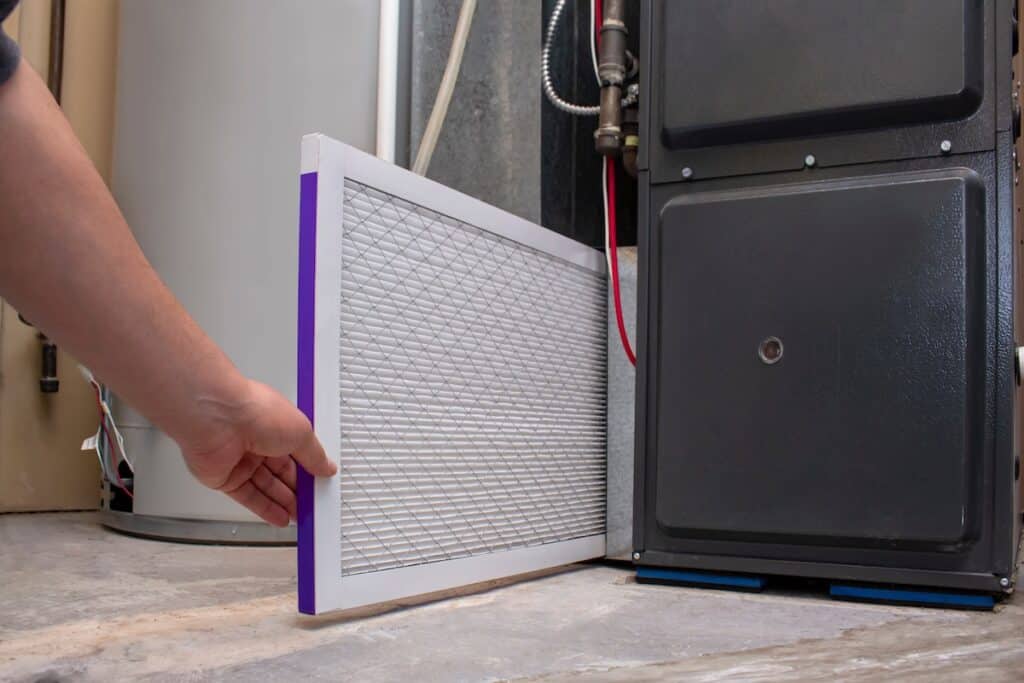
person changing air filter on furnace

When your furnace starts blowing cold air instead of keeping your home warm and cozy, it can be both frustrating and uncomfortable. The problem could stem from a variety of causes, ranging from minor issues you can fix yourself to more complex mechanical problems requiring professional assistance. Recognizing the potential reasons behind this issue is the first step toward restoring your furnace to proper working order.

Understanding the cause of a furnace blowing cold air starts with identifying the specific symptoms. Sometimes, it may be as simple as incorrect thermostat settings, while other times it could signal a more serious issue like a malfunctioning component. By taking a systematic approach to troubleshooting, you can pinpoint the root cause and determine whether it’s something you can resolve on your own or if it’s time to call in a professional HVAC technician.

  • Check Thermostat Settings: Ensure the thermostat is set to “heat” mode, not “fan only,” and select the “auto” fan setting to produce warm air when needed.
  • Pilot Light or Ignition Issues: For gas furnaces, relight the pilot light if it’s out or consult your user manual for electronic ignition systems. Call a professional if needed.
  • Replace Dirty Air Filter: A clogged filter restricts airflow and can cause overheating. Replace it regularly to prevent this issue.
  • Verify Fuel Supply: Make sure your gas supply is active. If there’s an issue with the gas line, contact your utility provider immediately.
  • Clean the Flame Sensor: A dirty flame sensor can shut off the burners. Gently clean it with a soft cloth or schedule a professional tune-up.

🛠️ 6 Ways Troubleshoot and Fix a Furnace Blowing Cold Air

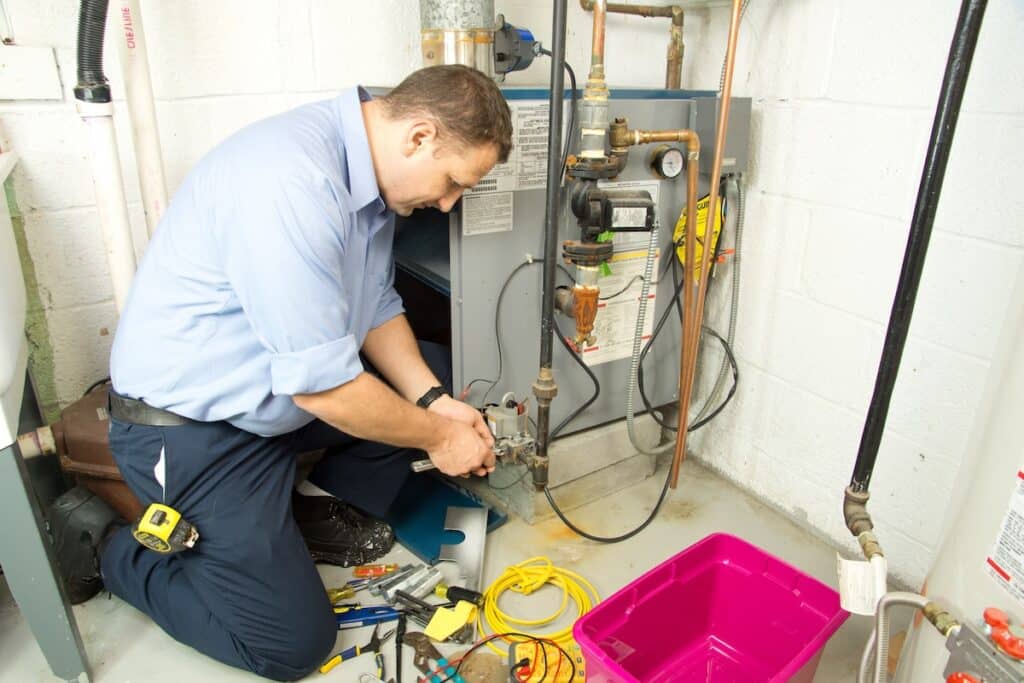
plumber repairs furnace

When your furnace blows cold air, running through specific troubleshooting steps can help you identify the issue. Below are six simple fixes that might resolve the problem.

1. Adjust Your Thermostat Like a Pro

Start by checking that your thermostat is set to “heat” mode and not “fan” or “cool.” This is a common mistake that can prevent your furnace from kicking on when you need it. Once you’ve confirmed the setting, try increasing the temperature a few degrees higher than usual. This can help activate your furnace and get it running, especially if it hasn’t been used in a while.

2. Change Out That Dirty Filter

The air filter in your furnace plays a crucial role in maintaining airflow and keeping your system efficient. If the filter is clogged with dirt and debris, it can restrict air circulation and cause your furnace to work harder than it should. Carefully remove the filter and inspect it. If it’s visibly dirty or clogged, replace it immediately with a new one. To keep your furnace running smoothly, make it a habit to replace the filter every 1-3 months, depending on usage and the type of filter you use.

3. Relaunch the Pilot Light

If your furnace isn’t working, the issue could be with the pilot light. Check your furnace’s user manual for specific instructions on how to safely relight the pilot. Typically, this involves turning off the gas, waiting for a few minutes, and then reigniting the pilot using a match or lighter. Be cautious and follow the instructions carefully to avoid any safety hazards. If the pilot light doesn’t stay lit, it’s best to call an HVAC professional to inspect and resolve any underlying issues.

4. Look for Blockages in Air Vents

Blocked air vents can prevent warm air from circulating properly throughout your home, making your heating system less effective. Walk around your home and inspect all the vents to ensure they are open and unobstructed. Move any furniture, curtains, or other objects that might be blocking the vents. By allowing air to flow freely, you can improve the efficiency of your furnace and ensure that every room in your home stays warm and cozy.

5. Reset Your Furnace

Sometimes, a simple reset can resolve furnace issues. Locate the reset button on your furnace—this is usually found near the blower motor or control panel. Press the button and wait a few minutes for the system to restart. If your furnace starts running but then blows cold air again, it could indicate a deeper problem. In this case, it’s time to call a technician to diagnose and fix the issue.

6. Schedule a Professional Check-Up

While some furnace problems can be fixed with simple troubleshooting, more complex issues may require professional expertise. For example, problems like a damaged blower motor, a malfunctioning gas valve, or electrical issues are best handled by a licensed HVAC technician. Scheduling a professional check-up ensures that your furnace is thoroughly inspected, repaired, and safe to use. Regular maintenance by an expert can also help prevent future problems and extend the life of your furnace.

👨‍🔧 When to Call an Expert Technician

technician tuning furnace

Some furnace problems are too complex for DIY fixes. If you’ve tried basic troubleshooting and your furnace is still blowing cold air, it’s best to bring in the professionals.

Signs You Need Professional Help

If your furnace is making strange noises, cycling on and off too frequently, or failing to heat your home evenly, these could indicate deeper issues. Other red flags include unusual odors or rising energy bills with no clear explanation. These are all signs that it’s time to call a technician before the problem worsens.

Why Choose Thelen Plumbing, Heating, and Air

At Thelen Plumbing, Heating, and Air, we specialize in providing reliable HVAC repair services tailored to your needs. Our experienced technicians are trained to diagnose and resolve complex furnace issues quickly and efficiently. With our commitment to quality service, we’ve earned the trust of homeowners throughout the Twin Cities.

Benefits of Professional Furnace Repair

Hiring an expert ensures your furnace is repaired correctly the first time, saving you time and money in the long run. Professional repairs also extend the lifespan of your HVAC system and improve energy efficiency, keeping your home warm while reducing utility costs. Let us handle the hard work so you can enjoy a cozy, worry-free winter.

🥶 Furnace Blowing Cold Air

When your furnace is blowing cold air, you need a team you can trust to get things back on track quickly and efficiently. At Thelen Plumbing, Heating, and Air, we bring years of expertise, top-notch craftsmanship, and a commitment to putting our customers first. Whether it’s a quick repair or a full replacement, our certified technicians are here to provide reliable, affordable heating solutions tailored to your needs.

Don’t let a cold furnace leave you in the cold—contact us today to schedule a service or consultation and let us help keep your home warm and comfortable all winter long!

Guide to New Boiler Installation: Benefits, Process, and Expert Advice

Thinking about getting a new boiler for your home? Whether you’re dealing with an outdated, inefficient heating system or planning ahead for energy-efficient upgrades, installing a new boiler is a great way to improve your home’s comfort and save on energy costs. This comprehensive guide will walk you through:

  • The benefits of a new boiler installation
  • How the installation process works
  • The factors to consider before making your decision

⭐️ Benefits of a New Boiler Installation

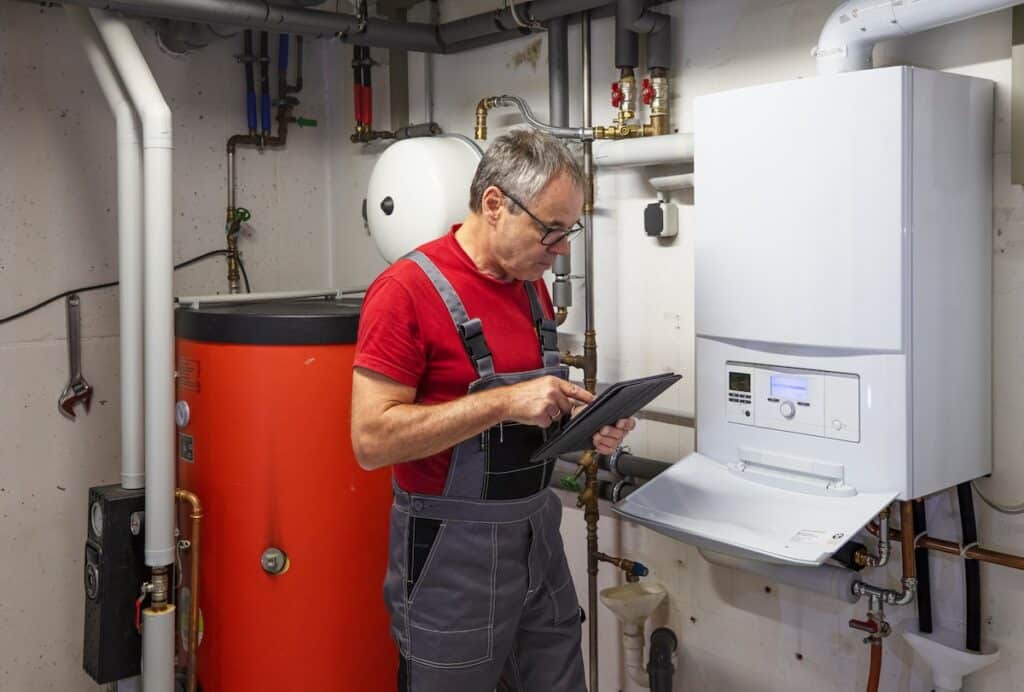
thelen plumber taking notes on boiler installation

Upgrading to a new boiler offers several benefits that can significantly impact your home and your finances. Modern boilers are designed to be more energy-efficient, reliable, and eco-friendly, making them a smart investment for homeowners.

For starters, newer boilers, such as condensing models, are much more energy-efficient than older systems. They capture and reuse more heat, requiring less fuel and ultimately lowering your energy bills over time. Additionally, they provide more consistent heating and hot water, eliminating issues like waiting for the shower to heat up or uneven room temperatures.

By upgrading, you’ll also be reducing your carbon footprint. Using less energy means a smaller environmental impact—perfect for those prioritizing sustainability. On top of that, older boilers tend to break down more often, resulting in costly repairs. A newer boiler reduces maintenance needs, saving you both time and money in the long run.

Modern boilers also come with advanced features, such as compatibility with smart thermostats. These allow you to control your heating system remotely, schedule heating times, and improve overall efficiency with ease. Lastly, installing a new boiler can enhance your property’s value, signaling to potential buyers that your home has an up-to-date and reliable heating system.

Key benefits of upgrading to a new boiler:

  • Energy efficiency and reduced bills
  • Improved home comfort with consistent heating
  • Reduced carbon footprint for a greener home
  • Fewer repairs and lower maintenance costs
  • Smart features for better heating control
  • Enhanced property value

🧰 6 Steps to Install a New Boiler

person installing new boiler

Installing a new boiler may seem like a daunting task, but a professional team (like Thelen Plumbing, Heating, and Air!) can make the process straightforward and stress-free. Here’s how it typically works:

1. Evaluate Your Heating Needs

The first step in installing a boiler is evaluating your household’s unique heating and hot water requirements. An HVAC specialist will conduct a thorough assessment, considering factors like the size of your property, the quality of insulation, and the number of people living in your home. These details are crucial in determining the most suitable type and size of boiler for your household, ensuring optimal performance and energy efficiency.

2. Choose the Boiler Type

Once your heating needs are evaluated, the next step is selecting the right boiler type. There are several options to choose from, all designed to meet different needs. Combi boilers are a great choice for smaller homes as they provide heating and hot water directly from the unit without the need for a separate water tank. For homes with higher heating demands or space for a water tank, system boilers are an ideal solution, offering both heating and hot water efficiently. Conventional boilers, on the other hand, are best suited for larger properties with multiple bathrooms, as they can handle higher demands for hot water.

3. Site Inspection

Before the installation process begins, the technician will conduct a site inspection to determine the most appropriate location for the new boiler. This involves ensuring there is enough space to fit the boiler comfortably, checking for adequate ventilation, and verifying that all safety requirements are met. The inspection ensures the setup complies with regulations and that the new boiler will operate efficiently without causing any safety risks.

4. Remove the Old Boiler

If you are replacing an old boiler, the removal process is an important step. The technician will safely disconnect and remove the existing unit to make room for the new one. Proper disposal of the old boiler is essential to avoid any environmental damage, and the technician will ensure it is handled in accordance with disposal regulations.

5. Install the New Boiler

With the old boiler removed, the new boiler can be installed. The technician will carefully fit and connect the unit to your home’s plumbing and heating system. In some cases, additional modifications may be needed, such as upgrading the pipework to ensure compatibility with the new boiler. These adjustments help maximize efficiency and ensure the system operates seamlessly.

6. Test and Educate

After the boiler is installed, the technician will perform a series of tests to ensure everything is functioning correctly. These tests confirm that the system is running efficiently and safely. Once testing is complete, the technician will take the time to educate you on how to use your new boiler. They will provide guidance on adjusting the settings, maintaining the system, and maximizing energy efficiency, giving you confidence in operating your new heating solution.

👉 Factors to Consider Before Your New Boiler Installation

worker screwing in new boiler

Selecting the best boiler for your home is crucial. Keep these factors in mind:

1. Boiler Size

Choosing the right boiler size is crucial for maintaining a comfortable and efficient home. Your boiler needs to meet your household’s heating and hot water demand. If it’s too small, it may struggle to provide adequate heating or consistent hot water, leading to discomfort and potential wear and tear on the unit. On the other hand, an oversized boiler will consume more energy than necessary, wasting money and impacting efficiency. A professional assessment can help you determine the right size based on the number of radiators, bathrooms, and overall household usage.

2. Fuel Type

Boilers come in various fuel types, including natural gas, propane, oil, and electricity. It’s essential to choose a boiler that is compatible with your home’s existing energy source. For example, if your home is connected to a gas grid, a natural gas boiler might be the most cost-effective option. If not, propane or oil boilers could be alternatives, though these typically require on-site fuel storage. Electric boilers are another option, especially for homes looking to reduce carbon emissions, but they can be more expensive to run. Evaluating your home’s setup and energy needs will help you decide the best fit.

3. Efficiency Rating

Energy efficiency is a key factor when choosing a boiler, as it directly impacts your energy bills and environmental footprint. Check for an “A-rated” boiler, which means it has a high-efficiency rating of 90% or more, ensuring you get the most out of the energy it consumes. In the UK, you can refer to the Seasonal Efficiency of Domestic Boilers in the UK (SEDBUK) rating or similar systems in your region. Investing in an energy-efficient boiler may cost more upfront but will save money on your energy bills in the long run and reduce your carbon footprint.

4. Brand and Warranty

Selecting a well-known and trusted brand ensures you’re buying a reliable and high-quality boiler. Leading brands often have a proven track record of performance and durability. Additionally, consider the warranty offered by the manufacturer. A comprehensive warranty will provide peace of mind, covering repair costs or replacements if something goes wrong. Always read the warranty details carefully to understand what’s included, and look for brands that are known for excellent customer support and service.

5. Installation Costs

While it can be tempting to opt for the cheapest installation quote, cutting corners can lead to problems down the line. Poorly installed boilers may break down sooner, operate inefficiently, or even pose safety hazards. When budgeting for your boiler, account for both the cost of the unit and professional installation. Investing in quality installation ensures that your system is set up correctly, operates efficiently, and complies with safety standards. Remember, a well-installed boiler will save you money over time by reducing the likelihood of costly repairs.

6. Professional Installation

Hiring a certified and experienced professional to install your boiler is essential. Look for installers who are registered with relevant authorities, such as Gas Safe in the UK, to ensure they have the qualifications to complete the job safely and correctly. Professional installation not only guarantees that the boiler is fitted according to regulations but also ensures optimal performance. An expert installer can also provide valuable advice on maintenance, helping to keep your boiler running efficiently for years to come. Spending a little more on a reputable installer is a worthwhile investment in your home’s heating system.

🛠️ Boiler Installation Guide

When it comes to new boiler installation, Thelen Plumbing, Heating, and Air is the team you can trust to keep your home warm and comfortable. With our decades of experience, attention to detail, and commitment to exceptional service, we ensure every installation is done right the first time. From precise assessments to professional craftsmanship and 24/7 emergency support, we’re here to make the process seamless and stress-free.

Don’t let heating issues leave you in the cold—trust Thelen Plumbing, Heating, and Air to deliver reliable solutions at affordable prices. Contact us today to schedule your consultation and experience the difference of working with Minneapolis’ most trusted home comfort experts!

✨ 6 Step By Step Guide To Furnace Cleaning

A properly cleaned furnace not only keeps your home warm but also helps improve efficiency, lower energy costs, and ensure safety. For homeowners, keeping up with furnace maintenance is essential to maintaining a cozy and comfortable environment during the colder months.

This guide will walk you through the steps of furnace cleaning and why it’s important. Here’s what we’ll cover:

  • What is furnace cleaning and why does it matter?
  • Step-by-step guide to furnace cleaning
  • Benefits of hiring professionals for furnace cleaning

⚠️ What is Furnace Cleaning and Why Does it Matter?

furnace for home

Furnace cleaning is a vital maintenance task that involves removing dust, debris, and soot from your furnace and all of its components, including the blower, burners, and heat exchanger. Over time, furnaces can accumulate layers of dirt and buildup that not only reduce their efficiency but also pose safety risks, such as increased fire hazards or carbon monoxide leaks. Cleaning your furnace ensures it operates at peak performance, providing consistent heating throughout your home while reducing energy consumption.

A clean furnace doesn’t have to work as hard, which minimizes wear and tear on its parts, potentially lowering the likelihood of costly repairs. Regular cleaning can also extend the lifespan of your furnace, saving you money in the long run. Moreover, a properly maintained furnace contributes to improved indoor air quality by preventing the circulation of dust and allergens. Whether performed annually by a professional or as part of your routine upkeep, furnace cleaning is an essential step in maintaining a safe, efficient, and long-lasting heating system for your home.

Signs Your Furnace Needs Cleaning

Not sure if your furnace needs a tune-up? Look out for these warning signs:

  • Unusual Noises: Rattling, banging, or squealing sounds might indicate a dirty or malfunctioning component.
  • Higher Energy Bills: A furnace clogged with debris has to work harder, consuming more energy.
  • Uneven Heating: Are some rooms in your home colder than others? It could be time to clean your furnace.
  • Dust Build-Up: If you’re noticing an unusual amount of dust around vents, your furnace may be circulating it.
  • Burning Smell: A dusty furnace can emit a burning odor when in use, especially after months of inactivity.

✅ 6 Step-by-Step Guide to Furnace Cleaning

clean furnace

Cleaning your furnace might seem like a daunting task, but with a clear step-by-step process, it becomes much more manageable. If at any point you feel unsure or uncomfortable, it’s always a good idea to call in professionals like the skilled team at Thelen Plumbing, Heating, and Air, who can handle the job for you.

1. Turn Off the Power and Fuel Supply

Before you start cleaning your furnace, safety should be your top priority. Begin by switching off the power to the furnace at the breaker panel. This will ensure there’s no risk of electrical shock or damage during the cleaning process. If your furnace uses gas, it’s equally important to shut off the gas supply. This step prevents any potential gas leaks or other hazards while you’re working on the furnace.

2. Clean or Replace the Air Filter

The furnace’s air filter plays a crucial role in maintaining proper airflow and indoor air quality. Locate the air filter, which is usually found near the blower motor. Check its condition to see if it’s dirty or clogged. If the filter is disposable and heavily soiled, replace it with a new one that matches the furnace’s specifications. If the filter is reusable, remove it and clean it thoroughly using warm water. Allow it to dry completely before reinserting it into the furnace. A clean air filter ensures your furnace operates efficiently and prevents unnecessary strain on the system.

3. Vacuum the Furnace Interior

Dust and debris can accumulate inside the furnace over time, potentially affecting its performance. Use a vacuum cleaner equipped with a brush attachment to carefully clean the interior components. Focus on areas like the blower assembly, belts, and motor, as these tend to collect the most dust. Be thorough but gentle to avoid damaging any parts. Regularly vacuuming the interior helps maintain optimal airflow and extends the lifespan of your furnace.

4. Inspect and Clean the Burners

The burners are essential for heating in gas furnaces, but they can sometimes develop soot or blockages that hinder their function. Carefully inspect the burners for any build-up or debris. Use a soft brush or the brush attachment on your vacuum cleaner to gently clean the burners without dislodging any crucial components. Ensuring the burners are clean and free of soot will help your furnace run efficiently and safely.

5. Clean the Flame Sensor or Thermocouple

If you have a gas furnace, the flame sensor or thermocouple is a critical component that ensures the burner stays lit when the furnace is in operation. Over time, dirt and grime can accumulate on this part, potentially causing ignition issues. Carefully locate the flame sensor and wipe it clean using an emery cloth or a soft cloth. Be gentle to avoid damaging the sensor. Keeping the flame sensor clean helps maintain reliable operation and prevents unnecessary furnace shutdowns.

6. Check the Blower Fan and Ductwork

The blower fan is responsible for circulating warm air throughout your home, so it’s important to ensure it’s in good condition. Inspect the blower fan for any dust or dirt build-up on the blades. Use a soft cloth or vacuum cleaner to gently clean the blades, being careful not to bend or damage them. Additionally, check the nearby ductwork openings. If you notice any dust or debris, use a vacuum to clear them out. Clean ductwork and a well-maintained blower fan contribute to better airflow and overall furnace efficiency.

👨‍🔧 Benefits of Hiring Professionals for Furnace Cleaning

cleaning my furnace

While it’s possible to clean your furnace yourself, there are many benefits to hiring professionals:

Thorough Inspection

Professional technicians don’t just clean your furnace—they also perform a detailed inspection. They can identify potential issues, such as worn-out parts or inefficiencies, that you might miss. Catching these problems early can save you money and ensure your furnace runs smoothly.

Safety First

Furnaces involve both gas and electrical components, which can be dangerous to handle without proper training. Professionals are equipped to safely check gas lines, detect leaks, and inspect electrical connections, reducing the risk of accidents or damage.

Advanced Tools and Expertise

Experts use specialized equipment that goes beyond basic cleaning tools, ensuring a deeper and more thorough clean. Their expertise also means they know the best techniques to optimize your furnace’s performance and extend its lifespan.

Saves Time

Cleaning a furnace yourself can be a long and tedious task, especially if you’re unfamiliar with the process. Hiring a professional lets you skip the hassle and focus on other priorities while they handle the job efficiently.

Prevention of Costly Repairs

Routine professional cleaning does more than keep your furnace clean—it helps identify small problems before they turn into major, expensive repairs. Regular maintenance can save you the stress and financial burden of unexpected breakdowns.

⭐️ Furnace Cleaning Guide

At Thelen Plumbing, Heating, and Air, we understand the importance of a clean, efficient furnace in keeping your home comfortable year-round. With years of experience serving homeowners across Minneapolis and the Twin Cities, our skilled team delivers reliable, top-quality HVAC services you can count on. From furnace cleaning to full system maintenance, we’re committed to ensuring your home stays safe, efficient, and cozy.

Ready to give your furnace the care it deserves? Contact Thelen Plumbing, Heating, and Air today to schedule your service and experience the difference of working with a team you can trust!

drain valve leaking heater drain valve leaking heater

✨ 4 Reasons Your Water Heater Drain Valve Leaking

A leaking water heater drain valve can send homeowners into a panic—and for good reason. Left unresolved, this seemingly minor issue can lead to water damage, higher energy costs, and even a complete water heater failure. Fortunately, understanding the common causes and how to address them can help you prevent unnecessary headaches and expenses. 

If you’re dealing with a water heater drain valve leaking, here’s everything you need to know to properly address the issue, including the most common causes and when it’s time to call in the pros. What you’ll learn in this article:

  • What could cause water heater drain valve leaks? 
  • Step-by-step solutions to fix the leakage. 
  • When to repair and when to replace. 

💧 What Causes a Water Heater Drain Valve to Leak?

valve heater leaking

Water heater drain valve leaks are a common issue that many homeowners encounter. These leaks can occur for a variety of reasons, often caused by the regular wear-and-tear that comes with continuous use over time. However, they can also signal a deeper, underlying problem that needs attention. Identifying the cause of the leak is the first step in addressing the issue and preventing further damage to your water heater or surrounding areas. Below, we’ve outlined the most typical causes of drain valve leaks to help you better understand and resolve the problem effectively:

  • Loose or Worn Components: Routine use can wear out drain valve parts, causing leaks or dripping handles. 
  • Sediment Buildup: Hard water minerals accumulate, preventing the valve from sealing and causing leaks. 
  • Faulty Valve Materials: Cheaper plastic valves are less durable and prone to damage compared to brass. 
  • Improper Installation: Incorrect installation can prevent a proper seal, leading to immediate leaks.

✅ 5 Steps to Fix a Leaking Drain Valve 

water heater drain valve

Fixing a leaking drain valve might seem overwhelming at first, but it doesn’t have to be! With the right approach and tools, you can address the issue effectively and save yourself time and money. Here’s a detailed guide to help you through the process: 

1: Tighten the Valve 

Before doing anything drastic, check to see if the valve simply needs a bit of tightening. Over time, valves can loosen due to regular use, causing minor leaks. Use an adjustable wrench or pliers and carefully tighten the valve. Make sure to apply moderate pressure—tightening too much could strip the threads or crack the valve, leading to worse problems. It’s a quick fix that often solves the issue, so give it a try first! 

2: Flush Your Water Heater 

Sometimes, the leak isn’t about the valve itself but what’s inside your water heater. Sediment buildup can cause internal pressure or blockages, forcing water to seep through the valve. To flush your water heater, first, turn off the power supply (electric or gas) and close the cold water inlet valve. Attach a garden hose to the drain valve, run the hose to a safe draining area, and open the valve to release water and debris. Let the tank flush fully, then close the valve, remove the hose, and refill the tank. This simple process can not only stop leaks but also improve your water heater’s efficiency. 

3: Replace the Washer 

If tightening doesn’t work, the issue might be with the washer inside the valve. Over time, these washers can wear out, crack, or degrade, leading to leaks. To replace the washer, turn off your water supply and drain the tank to avoid water spillage. Then, remove the valve and carefully replace the old washer with a new one of the same size and type. Reinstall the valve and check for any signs of leakage. This small adjustment can make a big difference in stopping persistent leaks. 

4: Install a New Valve 

If the leak continues despite your efforts to tighten or replace the washer, it’s likely that the valve itself is faulty. Old or worn-out valves can develop cracks, corrosion, or other issues that make them ineffective. In this case, it’s best to replace the entire valve. Opt for a durable brass valve for its reliability and longevity. Begin by turning off the water supply and draining the tank. Then, unscrew the old valve and install the new one securely. Make sure it’s properly sealed to prevent future leaks. A high-quality replacement valve can provide a lasting solution to your problem. 

5: Call a Professional 

If none of the above steps solve the issue or if you’re unsure about performing these repairs yourself, it’s time to seek professional help. A leaking drain valve could signal a bigger problem with your water heater that needs expert attention. Contact trusted HVAC and plumbing professionals like Thelen Plumbing, Heating, and Air for a thorough assessment and repair. Their expertise ensures that your water heater is back to working efficiently and safely in no time, saving you from future headaches. 

🤔 Should You Repair or Replace Your Water Heater?

inspections for heater

If the leak remains unresolved after a new valve installation, the issue could lie within the water heater itself—prompting you to consider replacing the unit altogether.

When to Repair

The leaking valve is still fairly new, which means it may not require a full replacement yet. If the water heater tank shows no visible damage, such as cracks, rust, or other signs of wear, a repair might be sufficient to resolve the issue. Additionally, if sediment buildup has been regularly managed through proper maintenance, it is likely that the water heater is still in good enough condition to justify repairing rather than replacing it.

When to Replace

If your water heater is over 8 years old, it may be time to consider a replacement, as older units are more prone to failure and inefficiency. Cracks or rust appearing on the tank are clear indicators that the structural integrity is compromised, which could lead to leaks or other serious problems. Finally, if you notice a significant drop in energy efficiency, replacing the water heater can save you money in the long run by reducing energy waste and improving overall performance.

🏠 Leaking Drain Valve

When it comes to water heater issues, including a leaking drain valve, Thelen Plumbing, Heating, and Air is the team you can trust. With our years of experience, commitment to quality craftsmanship, and 24/7 availability, we’re here to ensure your home stays comfortable and worry-free.

Don’t let plumbing problems disrupt your day—contact Thelen Plumbing, Heating, and Air today for fast, reliable service you can count on. Schedule your appointment now and experience the difference of working with true experts!

furnaces in my home furnaces in my home

✨ Boiler vs Furnace: Which One Is Better For Your Home?

When it comes to heating your home, making the right choice matters. Two of the most common heating systems are boilers vs furnaces, but choosing between the two can be challenging. Should you go for the efficiency of a boiler or the versatility of a furnace? This blog will help you compare these systems, understand their differences, and determine the best option for your home. Here’s what we’ll cover:

  • How boilers and furnaces work
  • The key differences between boilers and furnaces
  • Which heating system is best for you?

🔎 How Boilers and Furnaces Work

there's a boiler in the home or furnace

Understanding how boilers and furnaces operate is key to maintaining energy efficiency and ensuring your heating system runs safely. Knowing the differences can also help you spot issues early and avoid costly repairs.

Boilers

Boilers are essential systems for heating homes, especially in colder climates, as they provide efficient and consistent warmth. These systems work by heating water in a tank, which is then distributed throughout the home using radiators, baseboard heaters, or radiant floor systems to effectively warm living spaces. Boilers can run on a variety of energy sources, including natural gas, oil, electricity, or alternative fuels like propane or biomass, making them versatile for different energy preferences and availability. Additionally, modern boilers are designed with energy efficiency in mind, helping homeowners reduce energy consumption and costs while maintaining comfortable indoor temperatures. Some boilers even offer advanced features such as programmable thermostats or zoning capabilities, allowing for customized heating based on specific needs. Whether replacing an old system or installing a new one, boilers continue to be a reliable and durable choice for home heating.

  • How it delivers heat: Radiant heat
  • Best for: Consistent heat distribution and quiet operation

Furnaces

Furnaces, on the other hand, heat homes by warming air and distributing it throughout the living space. These systems rely on various fuel sources such as natural gas, propane, electricity, or oil to generate heat. Once the air is warmed, the furnace uses a blower fan to push the heated air through a network of ducts, which carry it into different rooms via vents. This process ensures a consistent and efficient flow of warm air, keeping the indoor environment comfortable even during the coldest months. Furnaces are a popular choice for home heating due to their reliability and ability to quickly heat a space, making them ideal for regions with harsh winters.

  • How it delivers heat: Forced air
  • Best for: Homes with existing ductwork or when paired with central air conditioning

⚖️ 5 Key Differences Between Boilers and Furnaces

furnace or boiler for my home

Here are the most important differences to keep in mind when comparing boilers and furnaces:

1. Heat Source

Boilers rely on water or steam to generate and distribute heat throughout the home. By heating water to produce either hot water or steam, the system sends this warmth through pipes to radiators, baseboards, or underfloor heating systems, creating a direct and consistent heat source. On the other hand, furnaces work by heating air and distributing it through a system of ducts and vents. This process relies on a fan to push the warm air, which is then circulated throughout the home.

2. Comfort Level

Boilers are known for offering consistent and radiant heat that feels even and reliable. This type of heating ensures there are no cold drafts or sudden temperature swings, making it a great option for maintaining a steady indoor climate. In contrast, furnaces tend to cycle on and off as they push hot air, which can sometimes create temperature fluctuations. While effective, this on-and-off cycling may lead to moments when the home feels slightly cooler before the furnace kicks back on to regulate the temperature.

3. Installation Requirements

Installing a boiler typically requires a more complex setup due to the need for an elaborate piping system to circulate water or steam. This can make the initial installation process more expensive and time-consuming compared to other heating systems. Furnaces, however, are generally easier and quicker to install, particularly in homes that already have existing ductwork. This makes furnaces a more accessible and cost-effective choice for many homeowners, especially in homes outfitted for forced-air systems.

4. Energy Efficiency

Boilers are often considered more energy-efficient, particularly when used in homes with radiant heating systems. Since water retains heat better than air, boilers can deliver warmth more effectively while using less energy over time. On the other hand, furnaces are slightly less energy-efficient compared to boilers because heated air can lose warmth as it travels through ducts. However, modern furnace systems have improved in efficiency and still provide an effective heating solution for many households.

5. Air Quality

Since boilers do not rely on air circulation to heat a home, they are an excellent option for individuals who are sensitive to allergens or dust. Without blowing air, boilers minimize the spread of particles, creating a cleaner indoor environment. Furnaces, however, use forced-air systems that can circulate dust, allergens, and other airborne particles throughout the home. While regular maintenance and filter replacements can significantly reduce these issues, they require consistent attention to ensure good air quality.

🤔 Which Heating System is Best for You?

boiler in home

Choosing the right heating system is crucial for maintaining comfort in your home while keeping energy costs low. The right option depends on your budget, energy efficiency goals, and climate needs.

Choose a Boiler if:

A boiler is the way to go if you’re looking for energy-efficient and consistent heating. Boilers are especially effective for radiant floor heating systems, offering a cozy and even warmth throughout your home. They are also a great option if you or your family members have allergies, as they don’t circulate dust or allergens like forced-air systems. Plus, boilers operate quietly, making them ideal for those who value a peaceful home environment.

Choose a Furnace if:

A furnace is a better choice if you need a fast and efficient way to heat your home. Furnaces work well in homes that already have ductwork installed, making them a convenient option. They are also more budget-friendly upfront and can be paired with an air conditioning system, allowing you to manage both your heating and cooling needs with one setup. Furnaces are perfect for those who want an economical solution with quick results.

⭐️ Boiler or Furnace for Your Home

When it comes to choosing between a boiler and a furnace, making the right decision for your home can feel daunting. That’s where Thelen Plumbing, Heating, and Air comes in. With years of experience serving Minneapolis and the Twin Cities metro area, our team is dedicated to helping you find the perfect heating solution for your needs.

From expert guidance and quality craftsmanship to affordable pricing and 5-star service, we’re committed to making your HVAC experience seamless and stress-free. Ready to upgrade your home’s heating? Contact Thelen Plumbing, Heating, and Air today for a consultation and let us keep your home warm all winter long!

heating for home heating for home

✨ 5 Best Heating System For House (2024)

Choosing the best heating system for your house is one of the most critical decisions homeowners face—especially in areas where winter temperatures plunge. Your heating system’s efficiency, installation cost, reliability, and impact on your monthly energy bills all play significant roles in determining the right choice. But which system is best for your home? This ultimate guide will walk you through everything you need to know, covering:

  • How heating systems work
  • The top 5 heating systems to consider
  • Tips for selecting the most efficient system for your needs

🤔 How Heating Systems Work in a House

repairing home heater

Heating systems in a house function by generating heat and distributing it throughout the space to maintain a comfortable indoor temperature. Depending on the type of heating system, this heat can be created using electricity, gas, or other energy sources. Here’s how it works:

  • Heat Generation: Furnaces, boilers, or heat pumps generate heat using fuel, electricity, or by transferring heat. 
  • Heat Distribution: Heat is delivered via ductwork, pipes and radiators, or radiant floors. 
  • Temperature Control: Thermostats regulate temperatures, with advanced systems offering zone controls. 
  • Ventilation and Exhaust: Systems ensure proper ventilation and safely expel byproducts like CO2 or steam.

❗️ 5 Best Heating Systems for Your House

heat for home options

If you’re still unsure which system might suit your needs, here’s a quick breakdown of the best heating systems available:

1. Central Furnace

A central furnace is a popular choice for homeowners who need dependable and fast heating. Modern energy-efficient models can significantly reduce your energy bills while keeping your home warm and comfortable. They work by heating air and distributing it throughout your home using ducts, making them ideal for larger spaces or homes with existing ductwork.

2. Air-Source Heat Pump

Air-source heat pumps are perfect for those living in mild climates. These systems are versatile, providing both heating in the winter and cooling in the summer. They operate by transferring heat rather than generating it, making them highly energy-efficient and cost-effective. Plus, their lower environmental impact makes them a great choice for eco-conscious homeowners.

3. Boilers

Boilers are a great option for steady, reliable heating. They use water or steam to circulate heat throughout your home, offering a more consistent and even warmth compared to forced-air systems. Boilers are also ideal for those with allergies, as they don’t blow dust or allergens into the air. Known for their durability, boilers can last for decades with proper maintenance.

4. Radiant Floor Heating

For ultimate comfort and energy efficiency, radiant floor heating is hard to beat. This system works by circulating warm water or using electric heating elements beneath your flooring, creating a cozy, uniform warmth. It’s an excellent choice for new builds or during major home renovations, as the installation can be more complex. Plus, no need to worry about cold floors in the winter!

5. Ductless Mini-Split System

Ductless mini-split systems provide targeted heating for specific zones or rooms in your home. Since they don’t rely on ductwork, they’re an energy-efficient solution for homes without existing ducts. They’re also great for reducing energy waste, as you can heat only the areas you use. With their sleek design and quiet operation, ductless systems are both practical and stylish.

👉 Factors to Consider When Choosing Your System

install heating system

Selecting the best heating system for your house depends on several factors:

Climate

The climate you live in plays a crucial role in selecting the right heating system. If you’re in a colder region, you might benefit from systems like boilers or heat pumps that are specifically designed to handle extreme low temperatures. On the other hand, milder climates may only require basic heating solutions, such as space heaters or standard furnaces, to keep your home comfortable during cooler months.

Home Size

The size of your home is another important consideration. For larger homes, a central heating system is usually the best choice as it can evenly distribute warmth throughout multiple rooms. However, for smaller spaces or single rooms, ductless systems or space heaters can be a more practical and cost-effective option, allowing you to heat only the areas you use most.

Energy Efficiency

Energy efficiency is a top priority for many homeowners, as it directly impacts both your utility bills and environmental footprint. Look for systems with high SEER (Seasonal Energy Efficiency Ratio) or AFUE (Annual Fuel Utilization Efficiency) ratings. These ratings indicate how efficiently a system converts energy into heat, helping you save money on operating costs while reducing energy waste.

Long-Term Costs

When choosing a heating system, it’s essential to think beyond the upfront installation cost. Consider how much the system will cost to operate and maintain over time. Some systems may have a higher initial price tag but offer lower energy bills in the long run, making them a better investment. Compare these factors carefully to find a solution that fits both your current budget and long-term financial goals.

Additional Features

Modern heating systems come with a variety of features that can enhance convenience and efficiency. For instance, programmable thermostats allow you to set schedules for heating, ensuring your home is warm when you need it while saving energy when you don’t. Zoning capabilities let you control the temperature in different areas of your home individually, maximizing comfort and energy savings. These features can make a big difference in how well your heating system meets your needs.

🏠 Heating System Guide

Choosing the right heating system for your home is an important decision, and at Thelen Plumbing, Heating, and Air, we’re here to guide you every step of the way. With our deep expertise, reliable service, and commitment to quality, you can trust us to provide a heating solution tailored to your needs.

Whether you’re considering a new installation, need routine maintenance, or require emergency repairs, our team is ready to help ensure your home stays warm and comfortable all year round. Contact Thelen Plumbing, Heating, and Air today to schedule a consultation and experience the difference of working with a team that puts your comfort first!

gas furnace room gas furnace room

✨ Electric Furnace Vs Gas: What Is The Difference?

Heating your home effectively and efficiently is crucial for comfort during those cold winters. When it comes to choosing a heating system, the decision often comes down to electric furnaces vs gas furnaces. Each option has its own advantages and drawbacks, and understanding these differences will help you make an informed decision for your home.

This blog will cover the key aspects homeowners should consider when deciding between an electric furnace and a gas furnace, including:

  • Gas vs. electric furnaces: how to choose
  • 5 key differences between gas and electric furnaces
  • Maintenance tips for both furnace types

🤔 How to Choose Between a Gas or Electric Furnace for Your Home

repairing electrical furnace

Choosing the right furnace for your home is an important decision that can impact your comfort, energy efficiency, and monthly utility bills. There are several key factors to consider, including your budget, energy needs, and the climate in your area. A well-chosen furnace not only keeps your home warm during the colder months but also operates efficiently, saving you money in the long run. 

Here are some considerations to help you make the best decision:

  • Budget: Electric furnaces have lower upfront costs, but gas furnaces often lead to lower monthly energy bills in areas with affordable natural gas.
  • Climate: Gas furnaces heat more effectively in cold winters, while electric furnaces work well in milder climates.
  • Energy Source Availability: Gas furnaces are ideal if your home has existing gas lines; electric furnaces are better for homes without gas access.
  • Environmental Impact: Electric furnaces are cleaner in regions using renewable energy, while gas furnaces may be suitable where electricity relies on fossil fuels.
  • Home Size: Electric furnaces are compact and suited for smaller homes, while gas furnaces require more room for ventilation.

⚖️ 5 Key Differences Between Electric Furnaces and Gas Furnaces

gas furnaces benefits

Understanding the differences between electric and gas furnaces is crucial for choosing the right heating system for your home. Each type has unique benefits, costs, and energy efficiency that can impact your comfort and budget.

Costs

Electric furnaces are generally cheaper to install, making them an appealing option for those looking to save on upfront expenses. However, the running costs can quickly add up, as electricity tends to be more expensive than natural gas in many regions. On the other hand, gas furnaces come with higher initial installation costs, including the need for a gas line if your home doesn’t already have one. Despite the higher upfront investment, gas furnaces often lead to long-term savings due to the lower cost of natural gas compared to electricity.

Efficiency

Electric furnaces are known for their 100% efficiency in converting electricity into heat, meaning no energy is wasted during operation. However, electricity rates are often higher, which can result in higher operating costs over time. Gas furnaces, while less efficient in terms of energy conversion, tend to perform better in extremely cold climates. They can generate more immediate and intense heat, making them a more practical choice for regions that experience harsh winters.

Environmental Considerations

Electric furnaces are considered cleaner because they do not produce emissions during operation. However, the environmental impact largely depends on the energy grid supplying the electricity. If the grid relies heavily on fossil fuels, the overall carbon footprint may still be significant. Gas furnaces, on the other hand, directly emit carbon dioxide but use cleaner-burning natural gas as a fuel source compared to other fossil fuels like coal or oil. Choosing between the two often comes down to your local energy mix and personal environmental priorities.

Lifespan and Maintenance

Electric furnaces typically have a longer lifespan than gas furnaces, often lasting around 20-30 years with proper care, compared to the 15-20 years common for gas models. This is because electric furnaces have fewer mechanical components, which means fewer parts are subject to wear and tear. Maintenance for electric furnaces is usually simpler and less frequent. Gas furnaces, while requiring regular maintenance to ensure safe and efficient operation, may need more frequent inspections to check for issues such as gas leaks or problems with the heat exchanger.

Safety

Safety is another key difference between electric and gas furnaces. Electric furnaces are generally considered safer because they don’t burn fuel, removing the risk of carbon monoxide leaks or gas explosions. Gas furnaces, while safe when properly maintained, do carry some risks due to their reliance on combustion. Homeowners using gas furnaces should ensure proper ventilation and install carbon monoxide detectors as an added precaution. For those prioritizing safety, especially in households with children or elderly individuals, electric furnaces might be the better option.

🧰 Maintenance Requirements

gas furnaces vs electric

Keeping your furnace in excellent condition is essential for safety, longevity, and efficiency. Regular maintenance not only ensures that your system works effectively but also helps prevent costly repairs and potential hazards down the line.

Electric Furnaces

Electric furnaces are known for their low-maintenance requirements. These systems have fewer moving parts compared to gas furnaces and do not rely on combustion to generate heat. This design significantly reduces wear and tear over time, making them easier to maintain. Additionally, the absence of combustion means there’s a much lower risk of hazardous issues such as gas leaks or carbon monoxide emissions. For homeowners seeking a hassle-free heating solution, electric furnaces require only occasional inspections to check electrical connections and ensure all components are functioning properly.

Gas Furnaces

Gas furnaces, while efficient and powerful, require more consistent upkeep to ensure both safety and optimal performance. Regular annual servicing is a must for these systems. Maintenance typically involves cleaning the burners to remove any buildup that could hinder performance, checking the gas lines for leaks or damage, and inspecting the entire system for signs of wear. One of the most critical aspects of gas furnace maintenance is monitoring for carbon monoxide leaks, as these can pose serious health hazards. While gas furnaces may require more attention than electric models, proper care ensures that they operate efficiently and safely throughout their lifespan.

If you prefer a heating system with minimal upkeep needs, an electric furnace might be the better choice for you. However, for those who value the power and efficiency of gas furnaces, regular maintenance is an investment in long-term comfort and peace of mind.

✅ Furnace Comparison

Choosing the right furnace for your home is a big decision, and our team at Thelen Plumbing, Heating, and Air is here to make it easy. With years of experience serving homeowners across the Twin Cities and North West Metro, we’re committed to finding the perfect heating solution that fits your budget, climate, and energy preferences.

Whether you’re leaning toward the efficiency of an electric furnace or the proven performance of a gas furnace, you can trust us for expert guidance, seamless installation, and ongoing support. Ready to upgrade your home’s heating system? Contact Thelen Plumbing, Heating, and Air today for a consultation and experience the difference of working with a team you can rely on!

top of a water heater top of a water heater

✨ What To Do If Water Heater Leaking From Top?

A water heater leaking from the top is more than just an inconvenience—it can lead to water damage, increased energy bills, and, if not addressed, costly repairs or replacements. Fortunately, this is a common issue with straightforward solutions. When caught early, most top leaks can be fixed without too much trouble. This blog will help you troubleshoot top water heater leaks, understand common causes of water heater problems, and learn how to prevent future water heater repairs.

  • Identify the common causes of a water heater leaking from the top
  • Understand the steps to take when dealing with a leaking water heater
  • Learn how to avoid future leaks with proper maintenance

💧 Why Is My Water Heater Leaking From the Top?

leaking water heater

If your water heater is leaking from the top, it’s often due to a faulty component, loose connection, or wear and tear over time. The top of the water heater houses critical parts such as pipe connections, the Temperature and Pressure (T&P) Relief Valve, and the anode rod port, all of which can be prone to damage or improper installation. These issues may result in water pooling at the top of your water heater, signaling the need for inspection and repair to prevent further damage. Understanding the common causes of water heater leaks can help you identify and resolve the problem efficiently. Here are the most common reasons for water heater leaks from the top:

  • Faulty pipe connections: Loose or corroded inlet and outlet pipe connections can cause water to leak from the top of the water heater.
  • Damaged Temperature and Pressure (T&P) Relief Valve: A damaged or improperly installed T&P valve is a frequent cause of water heater leaks.
  • Anode rod port issues: A loose or damaged cap on the anode rod port can result in leaks from the top of the unit.
  • Internal tank damage: While less common, rust or cracks inside the tank can cause water to pool at the top of the water heater.

✅ 7 Steps to Take When Your Water Heater Is Leaking from the Top

checking water heater

Knowing what to do when your water heater leaks from the top is crucial to prevent further damage and costly repairs. Addressing the issue quickly can protect your home and ensure your system keeps running efficiently.

1. Turn Off the Water Supply

The first and most critical step in fixing a water heater leak is to stop the water flow immediately to prevent further water damage in your home. Locate the cold water shut-off valve, which is typically found above the water heater where the cold water supply line connects to the unit. Turn this valve clockwise until it is completely closed. This will stop additional water from entering the tank and leaking out. Taking swift action to shut off the water can save you from costly water damage repairs and minimize the risk of flooding in your home. Ensuring you know the location of this valve beforehand can make future maintenance or emergencies much easier to handle.

2. Turn Off the Power or Gas

For safety reasons, always turn off the power to your water heater before attempting any repairs. If you have an electric water heater, locate your breaker box and flip the circuit breaker controlling the unit to the “off” position. For a gas water heater, turn off the gas supply by locating the gas valve, which is usually situated near the base of the heater. Turn the valve to the off position to prevent potential hazards like gas leaks or overheating. This step is essential to protect yourself from electrical shocks or dangerous gas emissions while working on the water heater. Ensuring your water heater is powered down properly reduces risks and ensures a safe repair process.

3. Identify the Source of the Leak

After turning off the water and power supplies, carefully inspect the water heater to pinpoint the source of the leak. Begin by examining the top of the water heater, as leaks often originate from loose pipes, a faulty temperature and pressure (T&P) relief valve, or issues with the anode rod port. Look for water dripping, pooling, or signs of corrosion around these components. Additionally, inspect the base of the water heater for puddles or rust, which may indicate internal tank damage. Identifying the exact cause of the water heater leak is crucial for effective repairs. Using a flashlight can help you see into hard-to-reach areas, ensuring no potential problem is overlooked.

4. Secure Loose Connections

If you discover that pipe fittings or connections at the top of the water heater are loose, use a wrench to tighten them securely. Loose fittings are one of the most common reasons for water heater leaks and can often be resolved with simple adjustments. However, if the connections are corroded, cracked, or damaged, simply tightening them may not be sufficient, and you may need to replace them entirely. Use high-quality replacement parts to ensure a secure fit and prevent future leaks. Regular water heater maintenance checks can help you identify and address loose connections before they lead to larger problems, saving you time and money in the long run.

5. Inspect and Replace Faulty Components

If the leak isn’t due to loose connections, it’s time to inspect other components of your water heater. Start with the temperature and pressure (T&P) relief valve, which is responsible for releasing excess pressure in the tank. A leaking or malfunctioning T&P valve may need to be replaced to prevent further issues. Next, check the anode rod, which is designed to prevent tank corrosion. If the anode rod cap is loose or if the rod itself is worn out, tighten it or replace it with a compatible component. Additionally, inspect the drain valve at the bottom of the water heater, as these can also develop leaks over time. Using proper replacement parts and following installation guidelines will ensure your water heater runs efficiently and safely, avoiding future breakdowns.

6. Flush Your Water Heater Tank

Over time, sediment can build up at the bottom of your water heater tank, which can cause leaks and reduce the efficiency of the unit. Flushing the tank regularly is an important maintenance step to prevent sediment-related damage. To do this, connect a garden hose to the drain valve at the bottom of the tank, and direct the other end to a suitable drainage area. Open the valve and let the water flow out, removing sediment buildup. Cleaning the tank periodically will not only prevent leaks but also extend the lifespan of your water heater and improve its performance.

7. Call a Professional if Necessary

If you’re unable to locate the source of the leak or if repairs seem too complex, don’t hesitate to contact a professional plumber or certified water heater technician. Issues like internal tank damage, extensive corrosion, or faulty gas connections require specialized tools and expertise. Attempting to fix these problems without the necessary experience can lead to greater damage, safety risks, or even voiding your water heater warranty. A licensed professional will assess the situation, determine whether the water heater needs repairs or a complete replacement, and ensure the problem is resolved correctly and safely. Investing in expert help can save you time, stress, and further expenses in the long run.

🚫 How to Prevent Future Water Heater Leaks

fixing a water heater in home

Preventing a water heater leak starts with proper maintenance and regular inspections. Here are some detailed tips to minimize the chances of dealing with a leak:

Regular Maintenance Checks

Regular water heater maintenance is essential to keep your system running efficiently and prevent leaks. Schedule an annual water heater inspection to check key components like pipes, the T&P valve (temperature and pressure relief valve), and the anode rod. The anode rod is especially important as it prevents tank rust by attracting corrosive particles. If it’s worn out, your water heater becomes susceptible to corrosion, leading to leaks. Catching minor issues during maintenance can save you from expensive water heater repairs or replacements.

Flush the Tank

Sediment buildup in your water heater tank can cause corrosion and lower its efficiency. Minerals from the water settle at the bottom of the tank, forming sediment that can lead to overheating, damage the tank lining, and cause leaks. Flushing your water heater once or twice a year helps clear out this buildup. Simply drain a few gallons of water and then refill the tank to flush out sediment. This simple water heater maintenance tip can extend your heater’s lifespan and reduce the risk of leaks.

Install a Water Heater Leak Detector

Installing a water heater leak detector is a smart way to protect your home from water damage caused by leaks. These devices detect small leaks using sensors, and advanced models can send alerts to your smartphone. This early warning system lets you address potential water heater leaks before they escalate, helping you avoid costly water damage. For extra protection, pair the detector with an automatic shutoff valve to stop water flow in case of a major leak.

🛠️ Water Heater Leak

When your water heater is leaking from the top, quick action is essential to prevent further damage and restore your home’s comfort. That’s where Thelen Plumbing, Heating, and Air comes in. With our expert technicians, 24/7 emergency service, and affordable pricing, we’re the team you can trust for all your HVAC and plumbing needs.

Don’t let a small leak turn into a big problem—contact Thelen Plumbing, Heating, and Air today to schedule your repair or consultation! Call us now or visit our website to get started.

Schedule Service

"*" indicates required fields

This field is for validation purposes and should be left unchanged.